

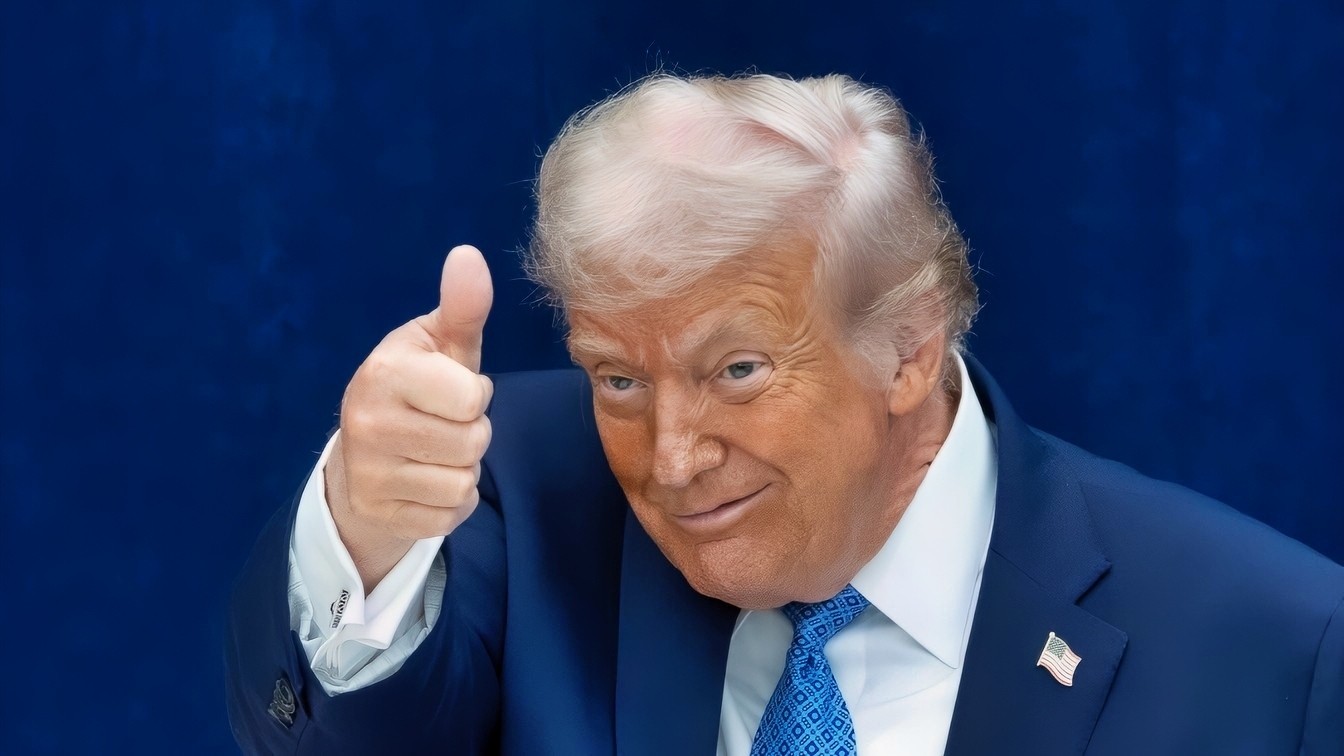
After the average gas price in the United States was over $4 a gallon for most of 2026, and diesel went over $6 for the first time, those prices have finally begun to come down in recent weeks.
According to CNN, the average gas price in the U.S. dropped more than 50 cents between October 29 and November 19, the largest three-week drop on record, except the global financial crisis in 2008.
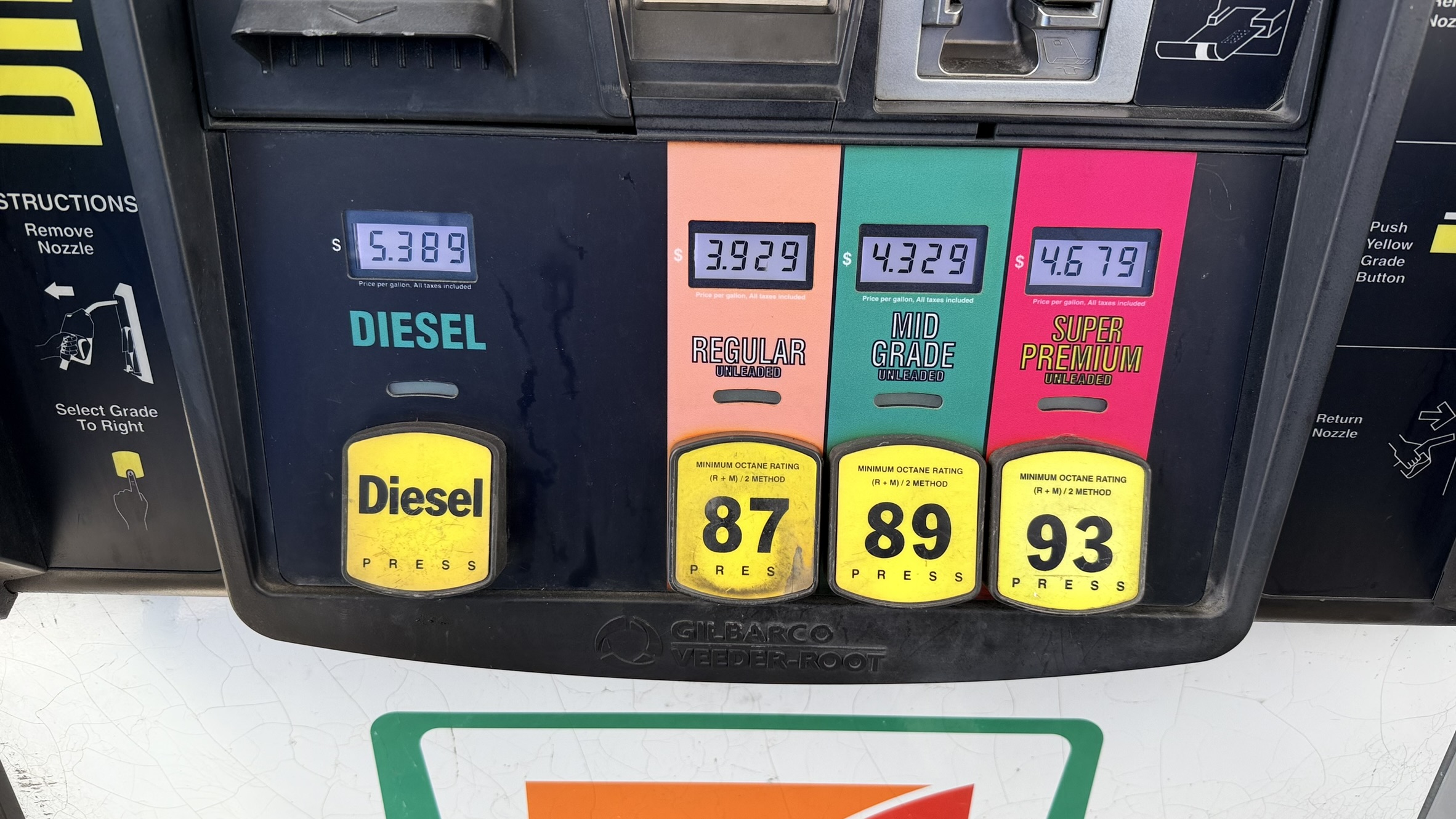
Gas Prices in Davenport, Florida. Image by National Security Journal.
And while gas prices plunged during the early weeks of the pandemic in 2020, they fell more this month, in percentage terms.
Patrick De Haan, GasBuddy’s head of petroleum analysis, told CNN that “prices have been in free fall,” and that gas prices dropped 26 days in a row.
Why They’re Falling
What has caused gas prices to fall so quickly?
Some of it, CNN said, is the onset of fall, when drivers typically use their cars less, and demand therefore drops.
The other major factor is the drop in oil futures, which, per CNN, have “retreated from triple-digit territory.” Some of that has to do with the threat of a full-on resumption of the war in Iran receding, and crude oil continuing to exit the Strait of Hormuz.
In addition, refinery outages in the Great Lakes region affected supply, and those outages are no longer in effect.
De Haan, however, told CNN that the decline could reverse itself, especially if the war in Iran resumes. And even though gas has gotten back down below a $4 average, it’s still high by historical standards. The average Thursday price of $3.72 a gallon is much higher than the $3.09 average on that day a year earlier.
GasBuddy provided more color in its weekly report, citing factors such as the International Energy Agency’s recent statement that “the market should return to surplus in the fourth quarter, with supply averaging 105 million barrels per day, about 1.7 million above forecast demand.”
In a separate comment to Newsweek, De Haan predicted that it could be a while before gas prices return to pre-war lows. That won’t happen, he said, “ until there’s months and months of de facto oil shipments and no escalations, attacks, and so on—or a deal with Iran.”
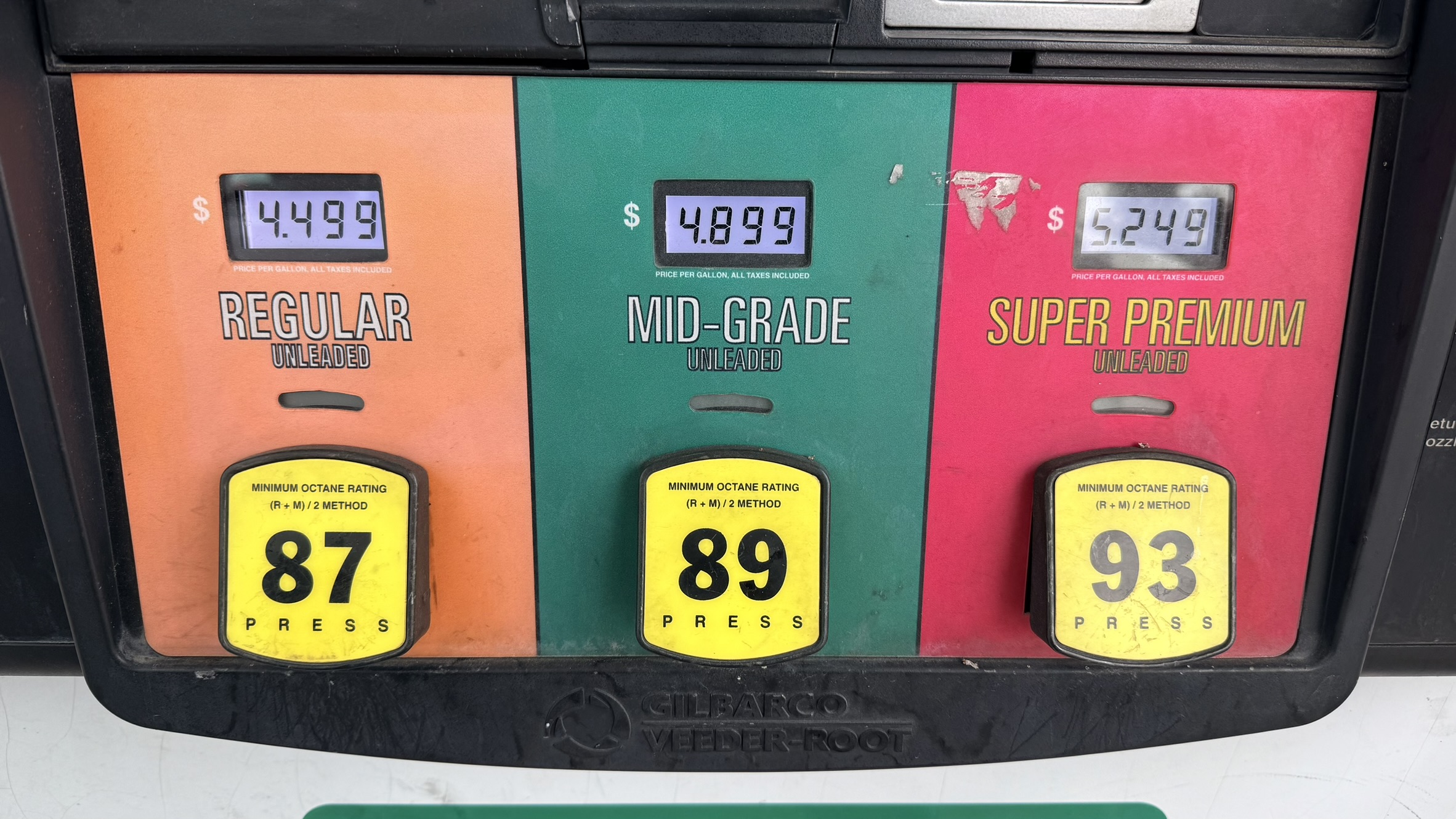
Gas Prices on May 9 outside of Orlando, Florida. Image Credit: Harry J. Kazianis for National Security Journal.
The Trump ‘Conspiracy’
However, the president reacted to the recent drop by adopting a conspiratorial tone, saying it didn’t occur until after the election and that something was untoward about it.
“Biggest drop in gasoline in 18 years. Notice that they waited until after the ‘Election?,’” Trump said on Truth Social earlier this week.
It’s not clear exactly who Trump means by “they.”
There is no secret cabal that determines gas prices or strategically manipulates them for political reasons.
The price of gasoline is determined, like most other commodities, by supply and demand, and events around the world that disrupt energy supply—wars, oil embargoes, natural disasters, new sanctions, refinery explosions, and other such events—often lead to sudden price shocks.
When those shocks dissipate, prices often fall again.
As Newsweek noted, Trump has not provided evidence of any nefarious conspiracy to keep gas prices high before the midterm elections and then make them go down again once the election is over. In fact, gas prices had already started dropping before Election Day.
High gas prices certainly didn’t help Trump’s party in the midterms, but there’s no reason to believe in conspiracy theories about the timing of the gas price drop.
The claim also drew a rebuke from Trump’s former ally, ex-Rep. Marjorie Taylor Greene, who said on social media this week that “the price of gas dropped after the election because you got whooped in the midterms BECAUSE YOU have been psychotically threatening to nuke Iran basically.”
The Brown University Energy Cost Tracker found that Americans have paid an extra $162 billion on gasoline and diesel since the start of the Iran War, which amounts to $1241.41 per household.
And in the midterms, voters clearly didn’t buy Trump’s line that any increase in gas prices was worth it if it kept Iran from developing a nuclear weapon.
About the Author: Stephen Silver
Stephen Silver is an award-winning journalist, essayist, and film critic, and contributor to the Philadelphia Inquirer, the Jewish Telegraphic Agency, Broad Street Review, and Splice Today. The co-founder of the Philadelphia Film Critics Circle, Stephen lives in suburban Philadelphia with his wife and two sons. For over a decade, Stephen has written thousands of articles on politics, national security, technology, and the economy. Follow him on X (formerly Twitter) at @StephenSilver, and subscribe to his Substack newsletter.


