
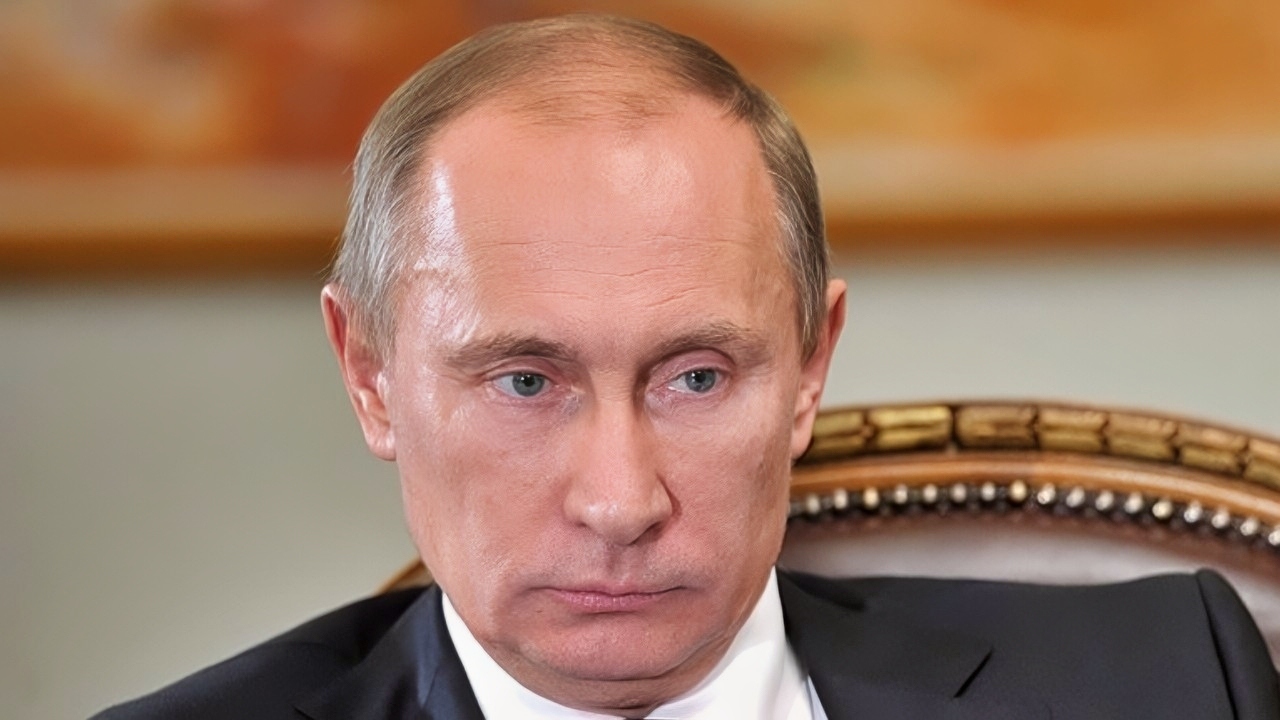
Russian President Vladimir Putin has returned to Moscow following a strange series of trips across Siberia and the far eastern regions of Russia amid speculation that the Kremlin was deliberately keeping him away from areas most likely to be hit by Russian drones.
But Putin’s return changes nothing about the reality of the ongoing Ukrainian strikes, which are crippling Russia’s energy industry and causing major logistical headaches for businesses all over the country.
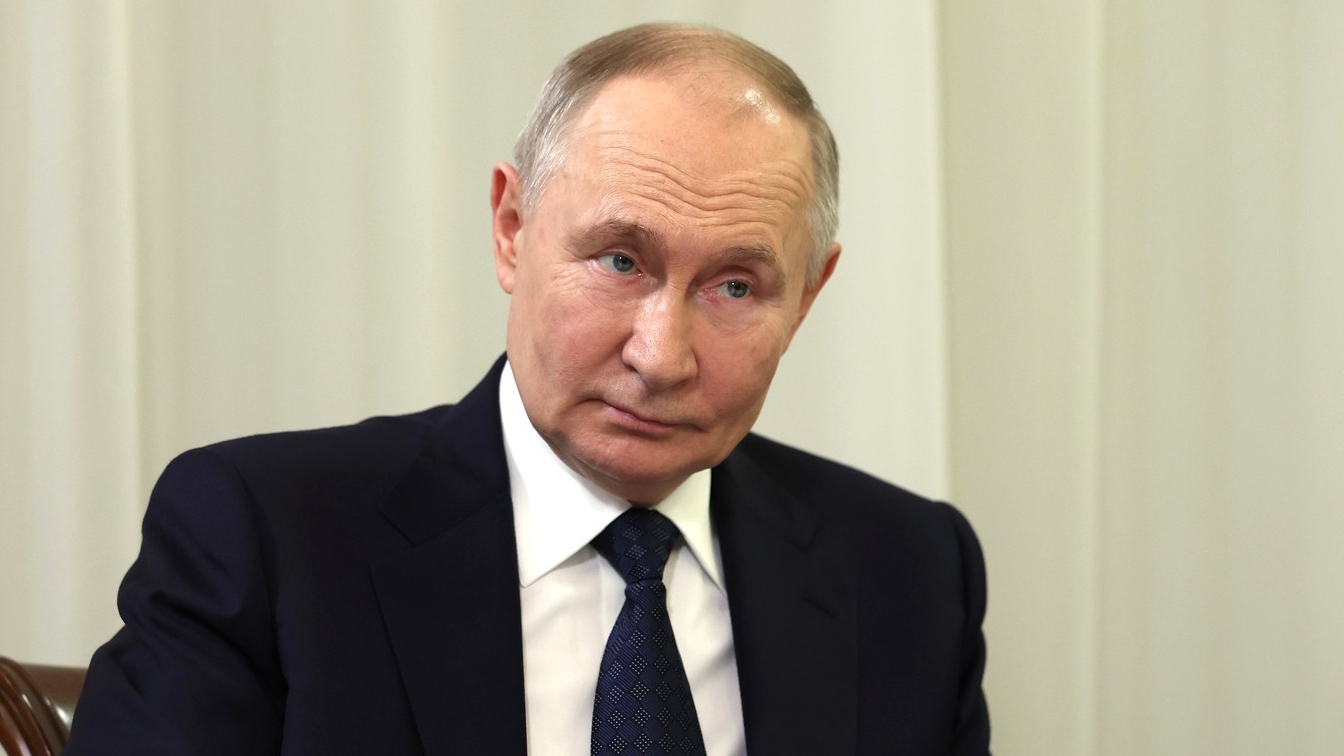
Putin In Meeting Creative Commons Image
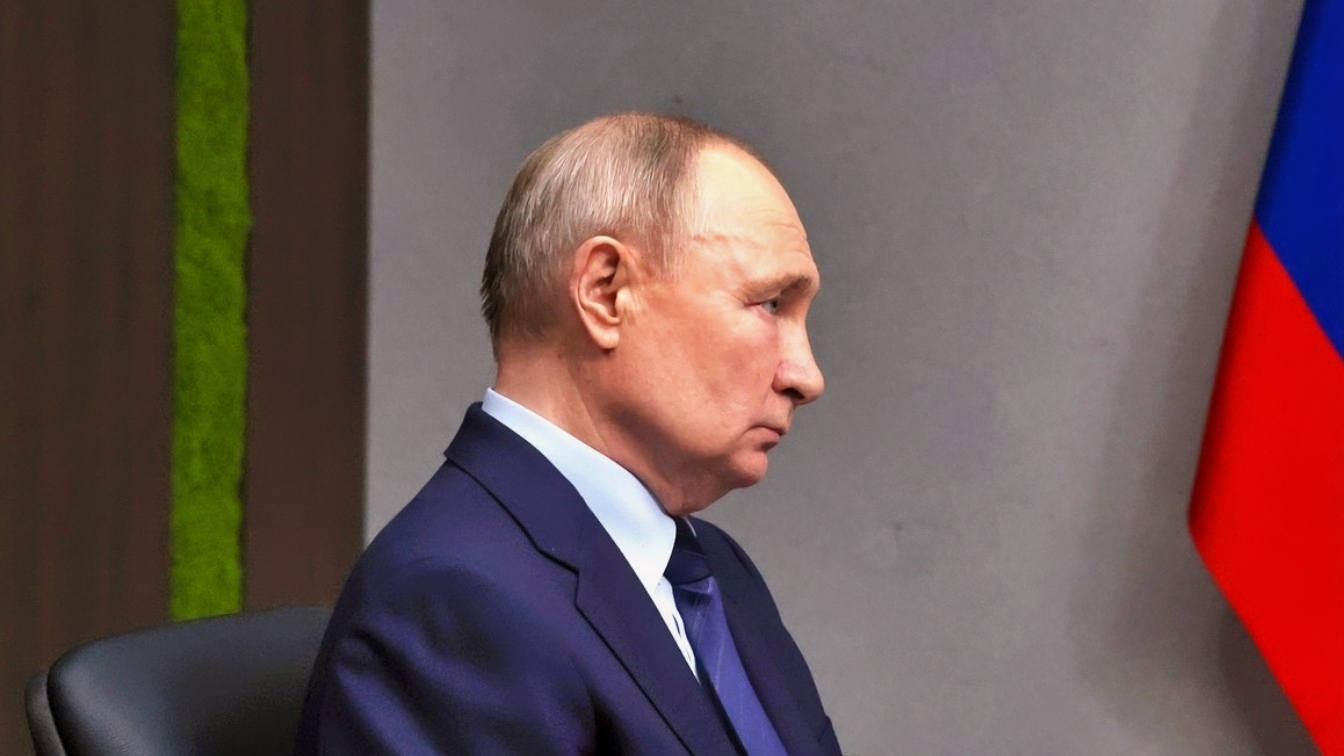
Putin Meeting with Staff Russian Federation Creation Commons Photo
Putin reportedly held talks inside the Kremlin with Myanmar President Min Aung Hlaing on Tuesday, August 18, which confirms that he had returned to the Russian capital after spending much of the past several weeks thousands of miles away. And then on Wednesday, August 19, the Russian president ordered the Russian government to assist with the reconstruction of commercial warehouses destroyed or damaged by recent Ukrainian strikes. The order directly acknowledges that Kyiv is causing problems for the Russian economy.
Where Has Putin Been?
Speculation about Putin’s whereabouts began when independent Russian media outlets observed that his recent domestic travel had largely taken him to the farthest reaches of the country, specifically east of the Ural Mountains.
After largely avoiding any regional travel for several months, Putin suddenly visited Irkutsk on July 24 and Omsk the following day. In August, the president traveled through Buryatia, Novosibirsk, Sakhalin, and later to the Kuril Islands.
Agenstvo, an independent Russian outlet, reported that Putin appeared to be avoiding much of European Russia amid ongoing Ukrainian strikes – a region that is under threat on a nightly basis and has been for longer than the 40 days Ukrainian President Volodymyr Zelenskyy said he would pursue. Moscow, St. Petersburg, and Valdia—all locations that contain presidential residences—were among the few exceptions.
Putin’s Odd Security Arrangements
Putin’s security arrangements were also curious. Reports describe how, during his August 10 visit to Novosibirsk, the president arrived aboard an Il-96 aircraft with registration RA-96020, an older aircraft historically used to obscure the president’s location or movements.
Residents along part of his motorcade route were reportedly told to stay indoors and away from windows as he passed through the region.
None of that, of course, proves that Putin left Moscow specifically to avoid Ukrainian drones – but the claims that he had effectively “fled” the capital are hard to dismiss, given the clear evidence that Putin was staying away from the regions most likely to be hit by Ukrainian strikes.
Putin Went Thousands of Miles East
Ukraine is routinely striking targets hundreds of miles beyond the border into Russia, but Putin went even further than that.
On August 12, the Russian president appeared on Sakhalin Island, where he observed Pacific Fleet exercises and warned that Moscow could retaliate against European shipping if Russian commercial vessels were seized.
The next day, Putin traveled to Iturup in the Kuril Islands – his first visit to the disputed Pacific archipelago controlled by Russia and also claimed by Japan. Japan formally protested the trip.
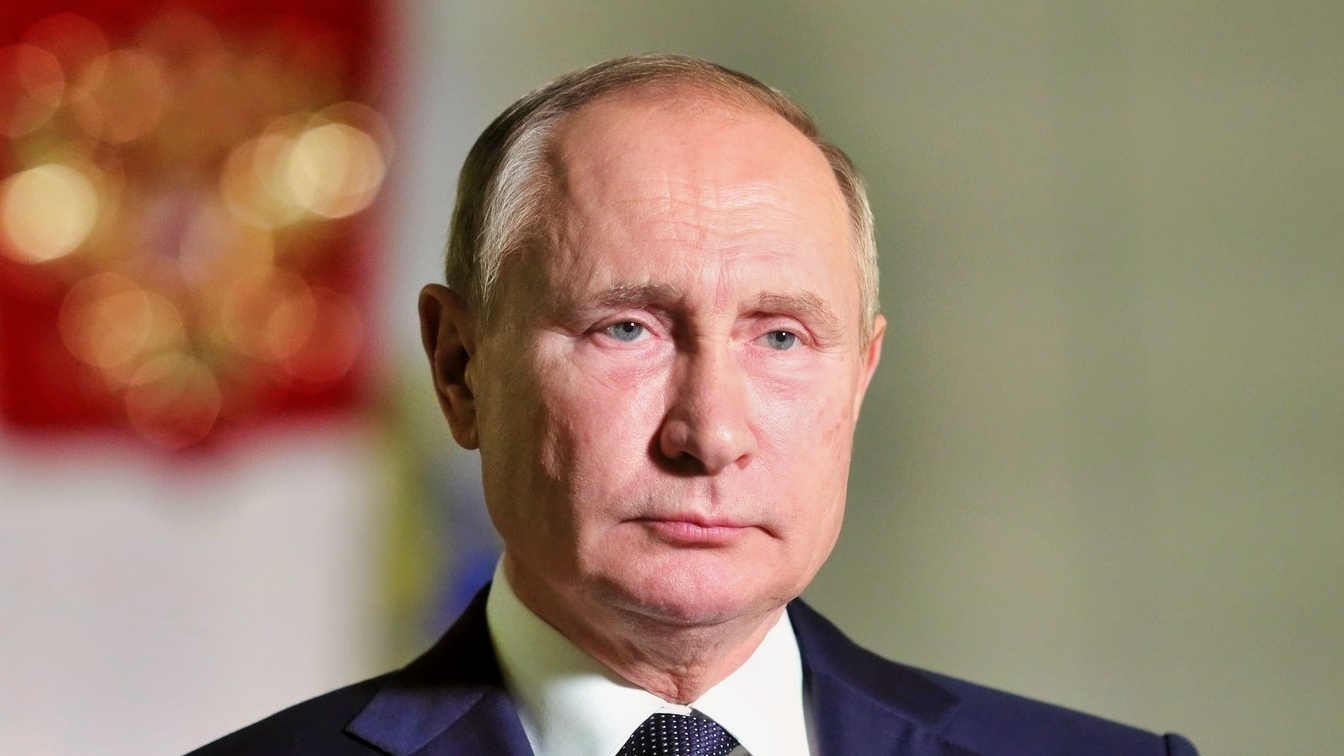
Putin in October 2021 Creative Commons Photo
Those trips mean that Putin traveled roughly 4,000 miles from Moscow, right as Ukrainian drones were proving that they were perfectly capable of reaching the Russian capital and its surrounding region.
But the Kremlin presented the trip as normal presidential business, describing how he attended meetings with regional leaders and conducted military inspections.
Ukraine Is Piling on the Pressure
To illustrate the point that independent Russian outlets have attempted to make: Russia’s Defense Ministry claimed that on Sunday, August 16, 822 Ukrainian drones were intercepted nationwide.
It was one of the largest aerial attacks of the war so far.
Moscow Mayor Sergei Sobyanin said roughly 600 drones were directed toward Moscow, with around a third destroyed over the surrounding region.
An 83-year-old man was killed in the Moscow region, while another major wave struck Russia’s Rostov region.
Most visibly, though, a huge fire engulfed a Wildberries logistics facility roughly 28 miles south of Moscow.
The strike on the Wildberries facility was not the first and is unlikely to be the last. Ukraine has systematically targeted Wildberries facilities since July, impacting Russia’s largest online retailer and causing chaos for Russia’s fragile wartime economy.
Putin Is Paying Attention
Moscow has already been forced to acknowledge “certain problems” caused by Ukrainian strikes, with Kremlin spokesman Dmitry Peskov, Vladimir Putin, and a series of other officials now routinely talking about the damage and how to mitigate it.
Moscow has begun the process of importing fuel from overseas and has temporarily banned fuel exports, hoping of control the damage to its oil industry.
Now, the Kremlin is also looking for ways to help businesses affected by ongoing Ukrainian strikes.
On Wednesday, August 19, Putin proposed creating a government-backed reconstruction program for logistics facilities damaged by Ukrainian attacks.
He instructed officials to develop financial support mechanisms for affected companies, including Wildberries, effectively shifting some rebuilding costs from private businesses to the Russian state as Kyiv’s deep-strike campaign continues.
About the Author: Jack Buckby
Jack Buckby is a British researcher and analyst specializing in defense and national security, based in New York. His work focuses on military capability, procurement, and strategic competition, producing and editing analysis for policy and defense audiences. He brings extensive editorial experience, with a career output spanning over 1,000 articles at 19FortyFive and National Security Journal, and has previously authored books and papers on extremism and deradicalization.


