

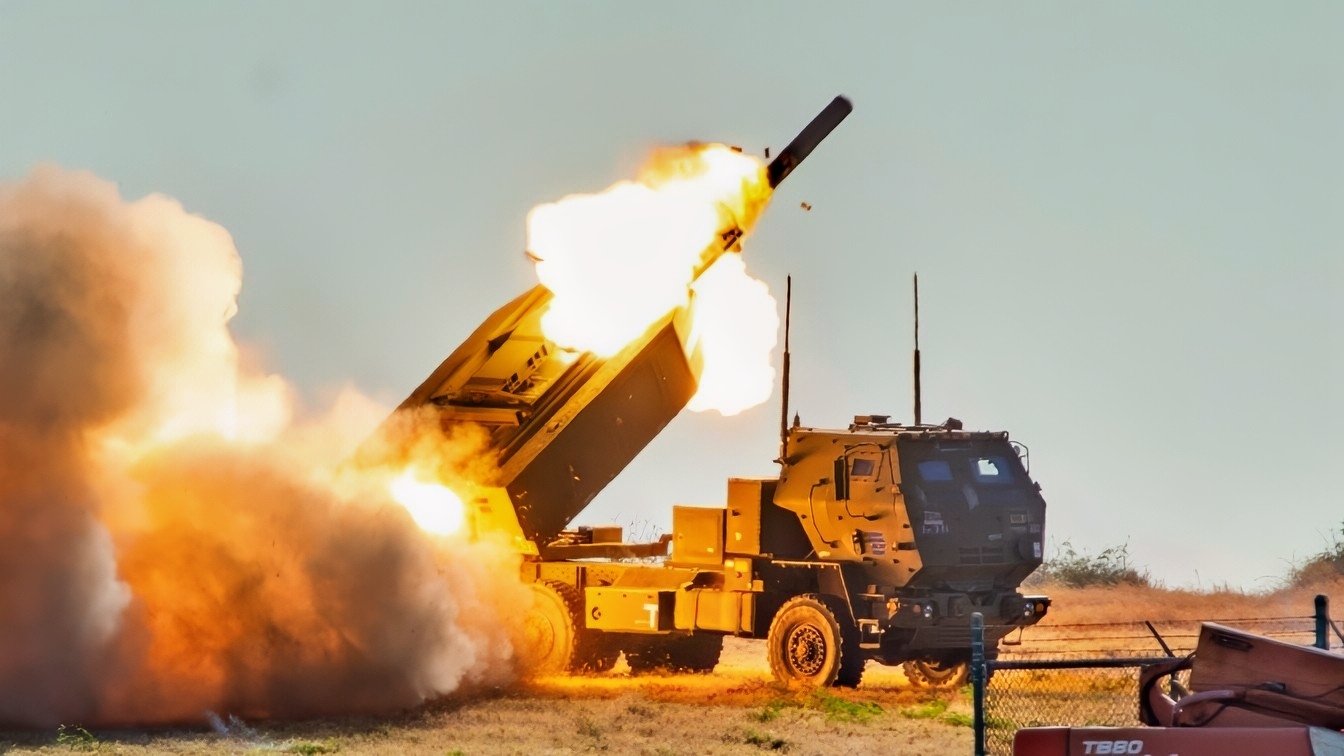
In the latest round of saber-rattling from Moscow, Russia sent a note to NATO warning the defensive alliance that it would respond to any attempt to cut off the Russian exclave Kaliningrad with nuclear weapons.
A letter sent via diplomatic channels by Russia reportedly said that NATO’s current trajectory was “dangerous and reckless” and that, if kept to, would present “high risks of the outbreak of a direct armed conflict.”
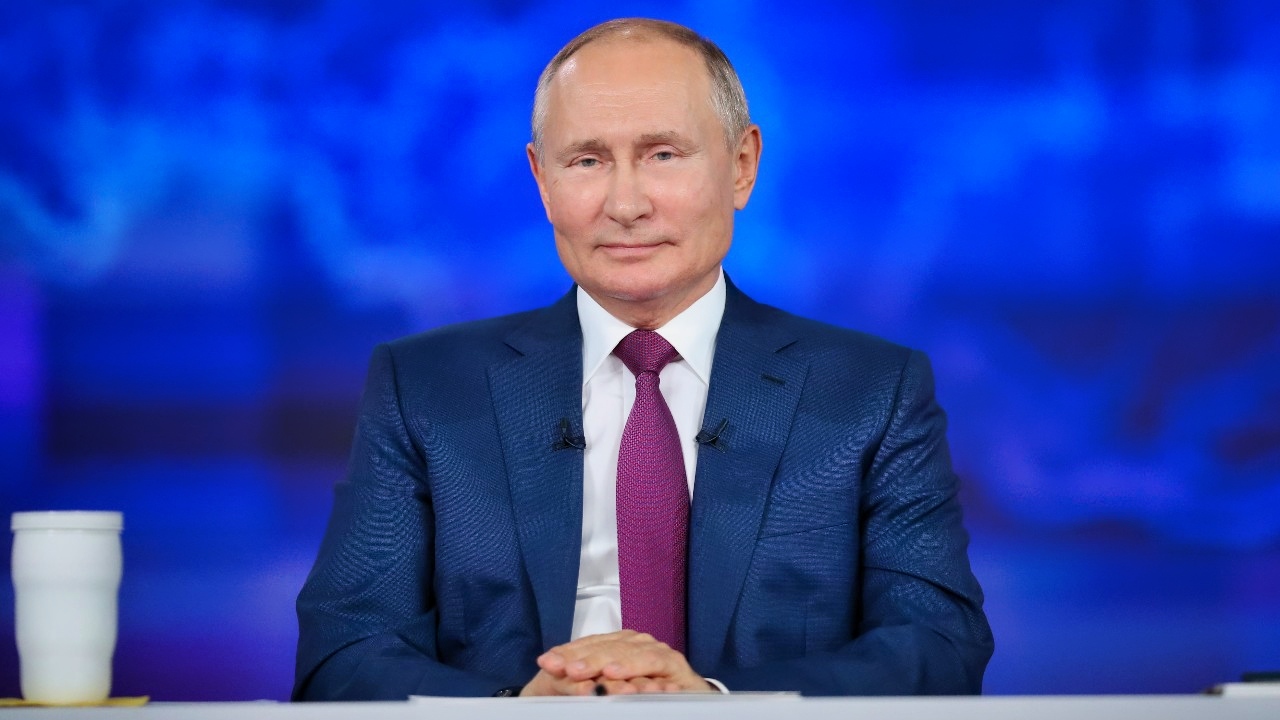
Vladimir Putin of Russia. Image Credit: Creative Commons.

Putin in May 2025. Image Credit: Russian Federation Government.
Furthermore, the document said that the Kremlin would not exclude “Russian strikes against decision-making centers in the alliance’s member states right from the outset” of an armed conflict between Russia and NATO.
“Russia will be ready to use the entire arsenal of forces and capabilities at its disposal, including nuclear weapons, in order to defend its territory should NATO countries undertake any attempt aimed at isolating the Kaliningrad Region from the rest of the country,” the letter to NATO said, as reported by Reuters.
What is Kaliningrad?
Sandwiched between Lithuania and Poland, Kaliningrad is roughly the size of Connecticut. Along the southern Baltic coast, the area was formerly part of East Prussia until Soviet forces annexed it during the Second World War. Today, the exclave is a highly militarized Russian military outpost, effectively inside the NATO alliance and Europe. The exclave provides Russia with direct access to the Baltic Sea. Around one million inhabitants live in Kaliningrad.
NATO is particularly concerned about Russian access to the Baltic, as the area is crisscrossed with undersea communications infrastructure, including internet cables, as well as underwater energy infrastructure.
But given its exclave geography, Kaliningrad could, in theory, be relatively easily cut off from Russia in a war with NATO, a fact the Kremlin is certainly sensitive to.
Russia’s military presence on the base is substantial. Beyond a sizable naval base and related facilities, Russia also maintains road-mobile ballistic and cruise missiles in the area, along with coastal anti-ship weaponry, radar infrastructure, ground forces, and a dense web of air-defense assets. Of particular concern to the NATO alliance is the Iskander-M missile system. Though not necessarily nuclear-armed, the missiles are nuclear-capable, and Russia does have the ability to exchange conventional payloads on the missile for nuclear payloads.
Tensions Increasing
Following Russia’s full-scale invasion of Ukraine in February of 2022, tensions between the NATO alliance and Russia have been on the rise.
As fear grows in Russia’s near abroad that the war in Ukraine will expand, Finland and Sweden upended decades of neutrality balancing between NATO and Moscow by joining the NATO alliance in 2023 and 2024.
A number of airspace violations since Russia’s Ukraine invasion — and, in particular, by drones and errant missiles in the last 12 months — prompted NATO to stand up Eastern Sentry, what the alliance calls “a flexible, multi-domain activity that is enhancing NATO’s vigilance along the entire eastern flank.”
The NATO Response
Speaking to Reuters about the note Russia sent to NATO, an alliance spokesperson said none of its “exercises or activities pose a threat to the territory of the Russian Federation.”
Additionally, “we call upon the Russian Federation to end its unprovoked full-scale invasion of Ukraine.” The spokesperson also said the alliance urges “the Russian Federation to refrain from increasingly reckless behavior towards the Allies and to cease its irresponsible nuclear rhetoric.”
Threats or Substance from the Kremlin?
Speaking to Euronews, a television network, NATO Secretary-General Mark Rutte would not confirm the general contours of the letter the alliance received from Moscow, but he downplayed the seriousness of the Russian threat and the risk of any nuclear or non-nuclear conflict between NATO and Russia.
“Everybody knows that he [Russian President Vladimir Putin] can never win against NATO. I don’t take this seriously. But of course, we have to reply and make clear that NATO is a defensive alliance, as I said, and stop the war in Ukraine and stop the nuclear threats,” Rutte said.
About the Author: Caleb Larson
Caleb Larson is an American multiformat journalist based in Berlin, Germany. His work covers the intersection of conflict and society, focusing on American foreign policy and European security. He has reported from Germany, Russia, and the United States. Most recently, he covered the war in Ukraine, reporting extensively on the war’s shifting battle lines in Donbas and writing on the war’s civilian and humanitarian toll. Previously, he worked as a Defense Reporter for POLITICO Europe. You can follow his latest work on X.


