


Through its long war against Ukraine, Russia has received reinforcements from North Korea. Now, more of that is on the way.
According to The Independent, which cited Ukrainian President Volodymyr Zelensky, North Korea is preparing to deploy as many as 50,000 more soldiers to Russia. If true, that would represent an escalation of North Korea’s previous troop involvement in the war.
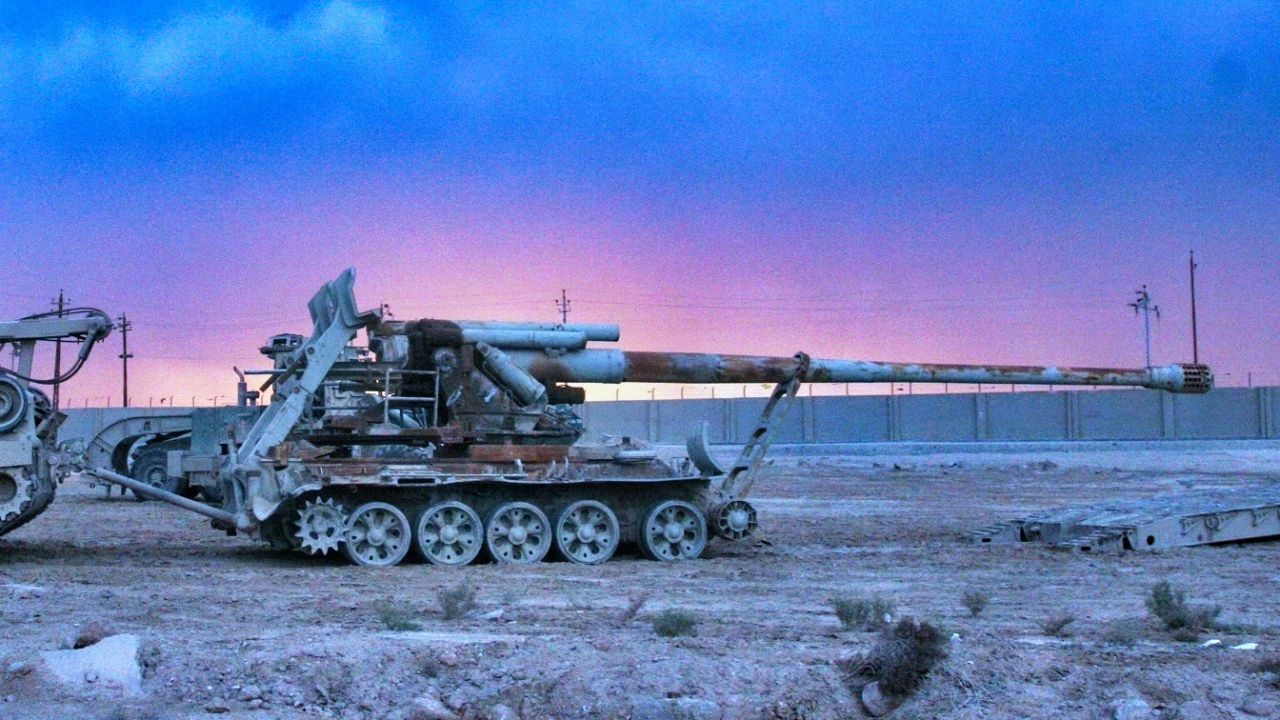
North Korea Artillery. Image Credit: Creative Commons.
“North Koreans appear on the territory of the Russian Federation from time to time,” The Ukrainian leader told United News in a televised interview this week, The Independent said.
There were first hundreds of troops, Zelensky said, then thousands, and now North Korea has committed between 30,000 and 50,000.
North Korea, The Independent said, had sent 16,000 personnel, including soldiers and deminers, to the Kursk region. The Kim regime has already committed to staying the course in this conflict – until what they state will be victory.
What’s In It For North Korea?
Why are the North Koreans involving themselves in the war? They have few allies, and Russia is among them.
But in addition, according to Zelensky, the sides have likely made a deal in which the North Koreans will “receive licenses from Russia and will receive all kinds of military tools from them.” Zelensky framed this as a “problem” for Asia as well and called on South Korea to step up and help Ukraine.
The Independent reported that North Korea has been deploying the weapons and personnel to Russia, in exchange for “food, fuel, cash and military technology.” Those deals, in turn, have led Britain to sanction some North Korean officials, while “monitoring sanctions enforcement against Pyongyang.”
Missiles, Too
A Reuters report last week looked at the multiple ways that North Korea is assisting Russia, including the reported recent deployment of a missile unit.
An official with Ukraine’s GUR military intelligence agency told Reuters that a North Korean missile unit, consisting of 90 people, was headed to Western Russia, and would bring with them as many as 120 ballistic missiles and six missile launchers.
Up to 40 of the missiles were already in Russia as of last week, and at least two were launched at Ukraine as part of Russia’s deadly ballistic missile barrage that was fired at Ukraine last week, Reuters said. New Voice of Ukraine reported that one of those missiles veered off course by 15 kilometers, “obliterating a home” and killing a family of five.
Per the Kyiv Independent, which cited Andrii Cherniak, spokesperson for Ukraine’s military intelligence, last week’s attacks represented the first use of a North Korean missile by Russia in about a year.
TWZ, in an analysis published last week, stated that a new deployment of ballistic missiles by North Korea to Russia would represent “bad news for Ukraine at the worst time,” with reports that Ukraine is running critically low on missile defenses, and Zelensky stating that additional missile defense support would have saved lives in last week’s attacks.
Will Ukraine Retaliate?
This week, the Washington Examiner asked whether Ukraine will retaliate against North Korea for its support of Russia in the war.
The Examiner noted that Ukraine’s HUR military intelligence service has sometimes carried out assassinations of Russian military officers, as well as against “Russian irregular forces in Africa.”
Therefore, Ukraine could conceivably retaliate against North Korea, outside the war zone in Russia. The question is how they could do it, as several of the options are rather risky.
“The most direct way to strike back would be by targeting the North Korean cargo ships that deliver munitions to Russian ports just across the border,” the Examiner says. The analysis notes that there is only one very small area where such an attack would be possible.
Another option would be to attack North Korean cargo ships while they’re at port. But both of those things would be “complex.”
That leaves another option that’s somewhat less complex, but still “challenging”: By targeting North Korea’s cargo ships, specifically the ones that “secretly deliver coal and other supplies off the coast of Vietnam and other Southeast Asian nations.”

M2020 Tank from North Korea. Image Credit: KCNA/North Korea State Media.
Or, Ukraine could more directly attack North Korean “intelligence and military officers and their networks.”
Any of those options would risk escalating and expanding the war, as well as upsetting the countries from which those attacks would launch.
“North Korea,” the Examiner argues, “should face more direct consequences for the harm it is causing to innocent people.”
About the Author: Stephen Silver
Stephen Silver is an award-winning journalist, essayist, and film critic, and contributor to the Philadelphia Inquirer, the Jewish Telegraphic Agency, Broad Street Review, and Splice Today. The co-founder of the Philadelphia Film Critics Circle, Stephen lives in suburban Philadelphia with his wife and two sons. For over a decade, Stephen has authored thousands of articles that focus on politics, national security, technology, and the economy. Follow him on X (formerly Twitter) at @StephenSilver, and subscribe to his Substack newsletter.


