

Contrary to gloomy predictions before the outbreak of the war in Iran, oil markets have risen somewhat but remain remarkably subdued. Although an estimated twenty percent of the world’s supply of oil and liquefied natural gas passes out of the Persian Gulf abroad via the Strait of Hormuz, much of the world appears unbothered. It is a bit of a mystery as to why.
But there is at least one theory that appears to hold water.
Oil Trickling Out of the Persian Gulf
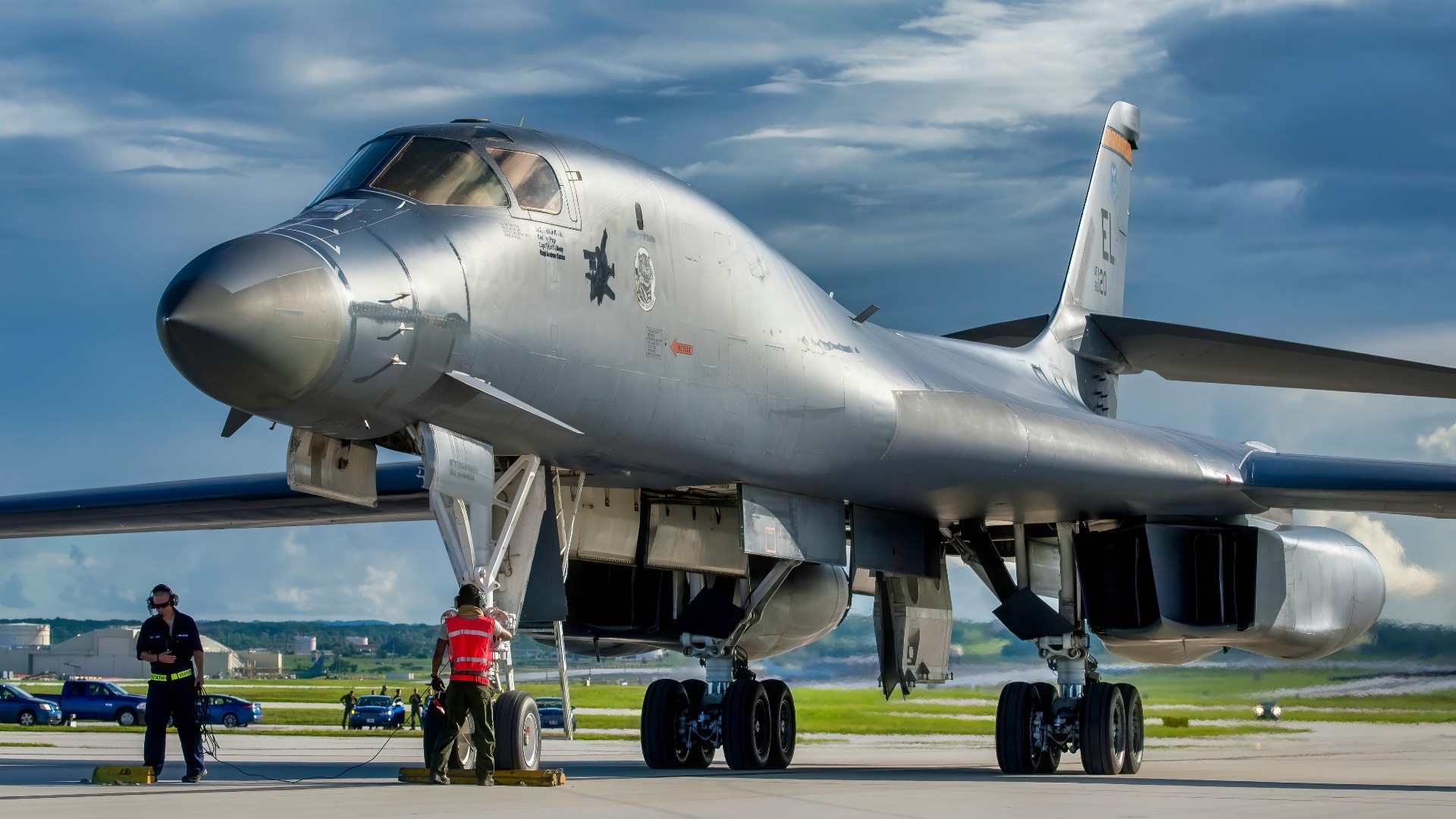
A U.S. Air Force B-1B Lancer assigned to the 37th Expeditionary Bomb Squadron, deployed from Ellsworth Air Force Base (AFB), S.D., arrives at Andersen AFB, Guam July 26, 2017. These aircraft, and the men and women who fly and support them, provide a significant capability that enables our readiness and commitment to deterrence, provides assurances to our allies, and strengthens regional security and stability in the Indo-Asia-Pacific region. (U.S. Air Force photo/Airman 1st Class Christopher Quail)
It may be the case that a not insignificant amount of oil is trickling out of the Strait of Hormuz — but clandestinely.
“Despite the ongoing naval blockade and the steep decline in commercial traffic, surprising volumes of crude and petroleum products still appear to be transiting the Strait,” the JPMorgan analysts explained in early June.
Prior to the outbreak of hostilities between the United States, Israel, and Iran, however, the strait saw nearly 16 million barrels of oil per day sail to international destinations.
Who is Responsible?
As Commander-in-Chief, President Trump seemingly took credit for the oil that has moved through the Strait.
In a post on Truth Social, the president wrote that he “directed our Great U.S. Military to execute a secret mission to support Oil Tankers and other Commercial Ships through the Strait of Hormuz.”
“Today, I am pleased to announce that this effort has resulted in more than 100 MILLION Barrels of Oil making its way through the Strait, and into the Open Market. More than 200 Commercial Ships have safely traveled through the Strait. This wildly successful effort is because the UNITED STATES of AMERICA CONTROLS the Strait of Hormuz — NOT Iran. Their military is defeated, and their economy is lost. It’s over for Iran!”
The veracity of the president’s remarkable assertion could not be independently verified.
Fears Alleviated — But the Mystery Remains
But irrespective of who exactly is responsible for the trickle of oil from the Persian Gulf through the Strait of Hormuz and onto the wider world, markets seem satisfied.
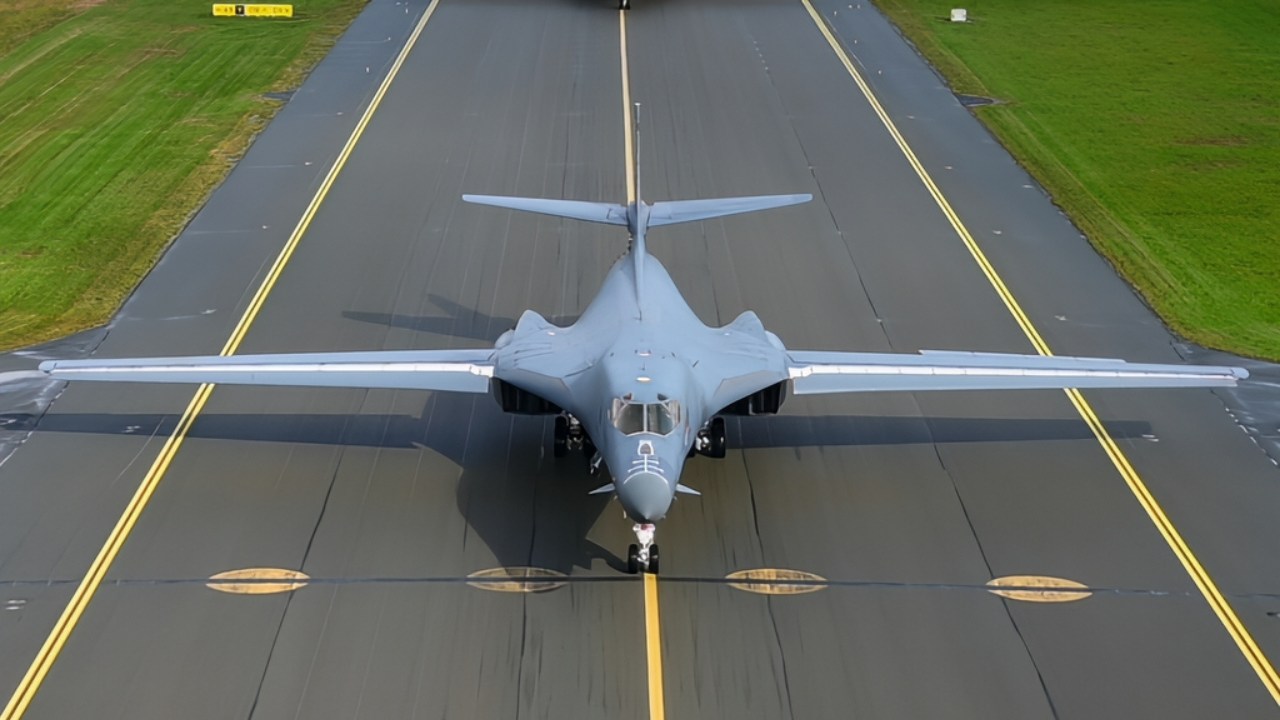
A U.S. Air Force Airman, assigned to the 345th Expeditionary Bomb Squadron, stands a B-1B Lancer during a Bomber Task Force Europe mission at Ørland Air Base, Norway, Aug. 21, 2025. BTF missions expose and familiarize aircrew with air bases and operations in different geographic combatant command areas of operations to enable strategic access and integration with coalition forces to deter global conflict. (U.S. Air Force photo by Staff Sgt. Tambri Cason)
Speaking to CNN, Bob McNally, the president of Rapidan Energy Group, explained that secret shipments of oil may explain, in part, why global oil prices have risen, but remained relatively cool compared to predictions before the start of hostilities with Iran.
“We assume Hormuz traffic has been 0% to 10% of prewar flows, but with this leakage, it could be a little higher,” McNally explained. “It’s not nearly enough to avoid big and bullish inventory draws, but it does take some of the edge off.”
The China Connection
Though Brent crude remains somewhat volatile, it has hovered around $87 per barrel. Although that price is well above pre-war levels, it is down significantly from the $ 114-per-barrel spike seen when the Iran war began.
But another factor, besides secret oil shipments, has dovetailed with clandestine oil flows through the Strait to help keep oil prices relatively depressed compared with expectations: lower demand from China.
China is a net oil importer and retains massive oil reserves to head off crises such as the current energy crunch. And rather than maintain its oil imports at today’s higher prices, Beijing has opted instead to dip into its strategic oil reserves.
For the world’s number-two economy and manufacturing superpower, cooling demand has helped temper global oil prices.
The United States and the Strategic Petroleum Reserve
China is not the only country to have tapped its oil stockpiles — so too has the United States. Releasing oil from the Strategic Petroleum Reserve, a series of massive underground storage sites that hold millions of barrels of oil, has helped smooth anticipated price spikes. In tandem with around 30 members of the International Energy Agency, the United States agreed to release 400 million barrels of oil from its combined strategic reserves.
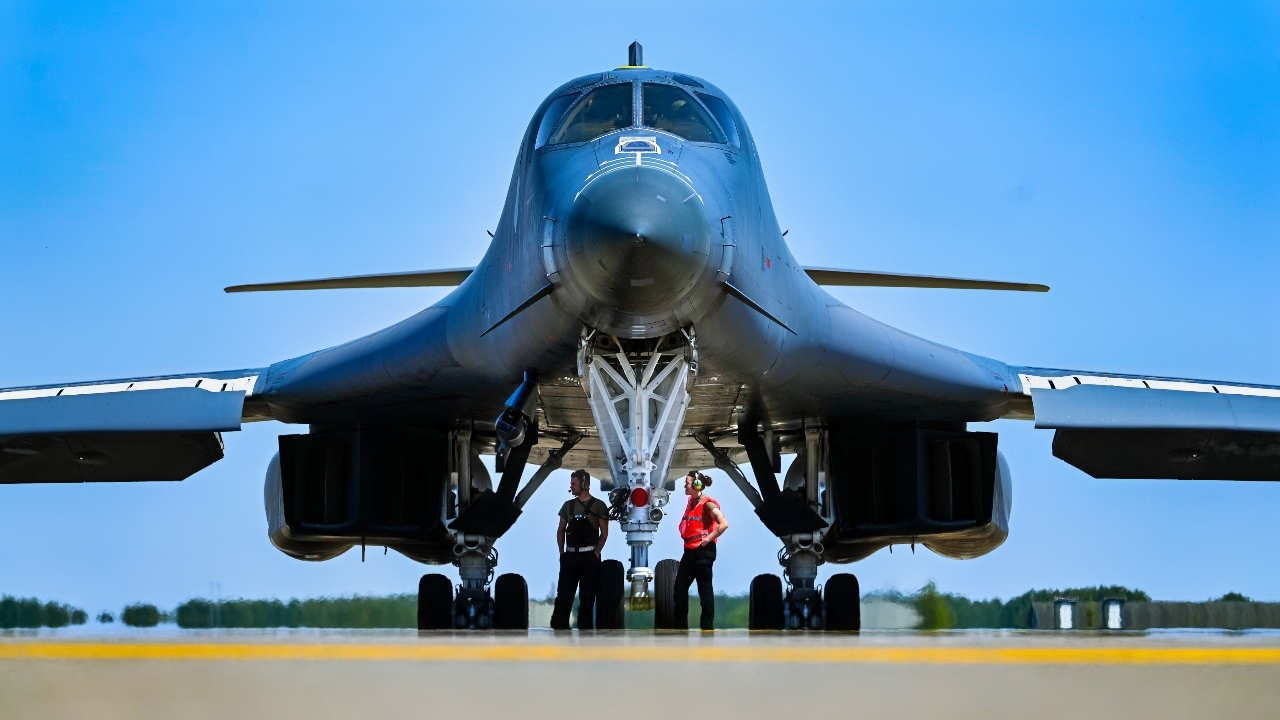
U.S. Air Force Senior Airman Colby Delia, 9th Expeditionary Bomb Squadron crew chief, and Airman 1st Class Olivia Ward, 9th Expeditionary Bomb Squadron crew chief, prepare for a B-1B Lancer to take off for a mission at Misawa Air Base, May 9, 2025. BTF missions provide opportunities to train and work with our allies and partners in joint and combined operations and exercises. (U.S. Air Force photo by Airman 1st Class Mattison Cole)
While analysts credit that ongoing release with lower prices, the American Strategic Petroleum Reserve is at its lowest level since the 1980s — and will have to be refilled at some point, an endeavor that will be both lengthy and expensive.
For now, prices remain stable, but with global reserves on the wane and an end to the war in Iran nowhere in sight, the specter of steep oil price spikes looms.
About the Author: Caleb Larson
Caleb Larson is an American multiformat journalist based in Berlin, Germany. His work covers the intersection of conflict and society, focusing on American foreign policy and European security. He has reported from Germany, Russia, and the United States. Most recently, he covered the war in Ukraine, reporting extensively on the war’s shifting battle lines from Donbas and writing on the war’s civilian and humanitarian toll. Previously, he worked as a Defense Reporter for POLITICO Europe. You can follow his latest work on X.


