

Ukraine launched one of its biggest attacks of the war against Russia overnight into Sunday, sending hundreds of drones toward Moscow and other regions as Russian forces also struck Kyiv and other Ukrainian cities with missiles and unmanned aircraft.
The scale of the attacks from both sides shows how far the long-range element of the war has come, with forces once focused heavily on battlefield warfare now increasingly working to defend major infrastructure hundreds of miles from the front lines.
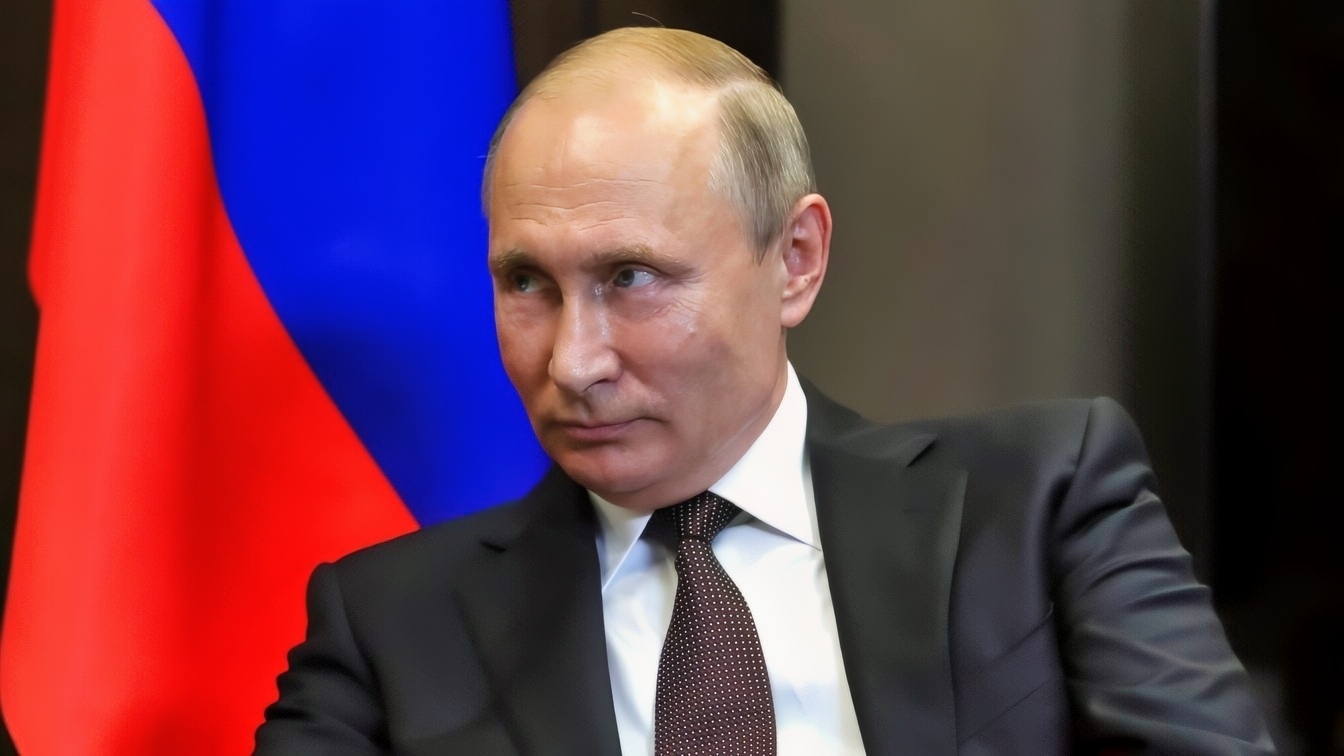
Putin Meeting with Modi in 2018 Creative Commons Image
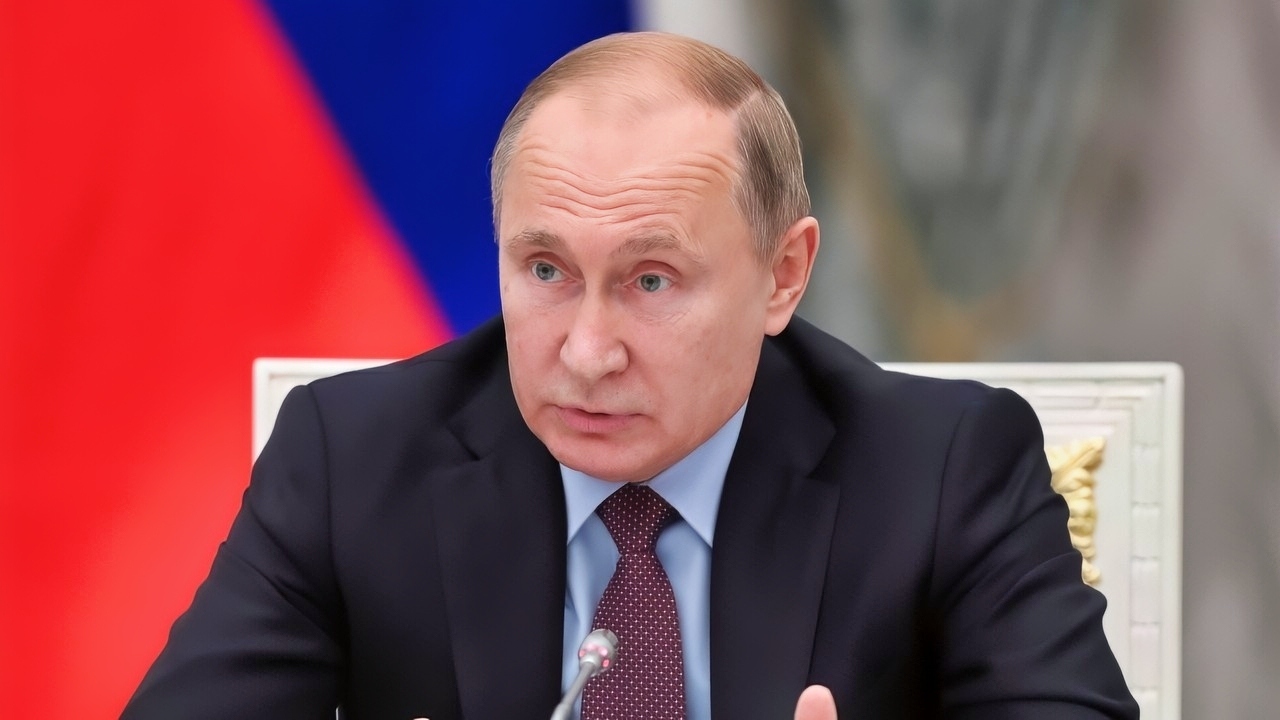
Putin Meeting with Duma 2018 Creative Commons Photo
At least seven people were killed in Russia, according to Russian regional authorities, while Russian attacks killed civilians and damaged industrial and commercial facilities in Ukraine.
The escalation also spilled into NATO territory on Sunday, when a Spanish F/A-18 fighter operating over Romania shot down a suspected Russian drone that entered the country from neighboring Moldova.
Hundreds of Ukrainian Drones Target Russia
Russia’s Ministry of Defense says its air defenses destroyed 822 Ukrainian drones overnight.
Moscow Mayor Sergei Sobyanin said in a statement that approximately 600 drones were launched toward the Russian capital, with at least 201 destroyed over the surrounding Moscow region.
The operation constitutes one of Ukraine’s largest long-range drone attacks since Russia launched its full-scale invasion in 2022.
According to Moscow regional Governor Andrei Vorobyov, an 83-year-old man was among those killed after a drone struck a private home.
A large Wildberries distribution warehouse near Moscow also caught fire during the attacks.
The damage also extended well beyond the capital, with local authorities reporting five deaths in the southern region of Rostov, and another death near Belgorod.
Ukraine also claims to have struck a missile fuel facility located in Rostov.
Russia Hits Kyiv and Kryvyi Rih
Russia also launched its own overnight assault against Ukraine, striking the capital city and a number of other major cities.
A missile struck Kyiv, injuring three people, according to Reuters, while drone attacks elsewhere in the Kyiv region wounded another three, including a child. Fires and damage were reported at several sites in the capital.
Among the most significant attacks against Ukraine took place in Kryvyi Rih, President Volodymyr Zelenskyy’s hometown in central Ukraine.
A Russian strike damaged facilities belonging to ArcelorMittal, Ukraine’s largest steel producer. The strike killed two people and injured 14, and forced some operations at the site to stop.
NATO Jet Shoots Down Drone Over Romania
The overnight attacks also tested NATO defenses, with a Spanish F-18 shooting down a drone that entered Romanian airspace from neighboring Moldova.
According to the Romanian Ministry of Defense, the aircraft was detected early on Sunday before NATO fighters were scrambled and the drone was destroyed near the city of Galati. Debris reportedly fell in an uninhabited area, and no casualties were reported. NATO spokesman U.S. Army Col. Martin O’Donnell said that the drone’s origins are still under investigation, though NATO said the drone appeared to be Russian.
The drone interception is just the latest in a long string of incidents along NATO’s eastern flank, where the proliferation of drones in today’s warfare is now forcing alliance members to respond to aircraft that enter its airspace – usually unintentionally.
Just two days earlier, an Italian Eurofighter operating as part of NATO’s Baltic Air Policing mission shot down a drone over Latvia, where Turkish F-16s were also scrambled.
The origin of the drone has not been established, and investigators are still working to determine whether electronic warfare may have caused it to stray from its originally intended course.
Importantly, these drone incursions are not a sign that Russia is deliberately attacking NATO.
Sometimes those drones are Ukrainian, and sometimes they are Russian – and usually, they enter NATO territory or come close to its border after a strike or electronic warfare incident.
NATO is, nonetheless, preparing for the possibility that future incidents may not be accidental.
NATO Is Preparing for a Russian Test
NATO’s concerns are partly based on intelligence shared with NATO members in recent weeks.
At the end of June, reports described how U.S. intelligence had warned Poland that Russia may be preparing a limited attack designed to test NATO’s response, potentially involving strikes on critical infrastructure or Russian troops briefly entering Polish territory. Polish Prime Minister Donald Tusk confirmed on July 3 that Warsaw had also been receiving warnings from allied intelligence agencies and was “preparing very intensely for a range of different scenarios.”
Earlier this month, the Wall Street Journal also reported that U.S. intelligence assessments indicate Russian President Vladimir Putin could attempt a limited operation against NATO territory between this fall and 2029, potentially using cyberattacks or a small military incursion.
That does not mean that Sunday’s drone incident was deliberate. In fact, it almost certainly wasn’t. But NATO may soon need to show far more preparedness than it already does if the intelligence assessments prove right.
About the Author: Jack Buckby
Jack Buckby is a British researcher and analyst specializing in defense and national security, based in New York. His work focuses on military capability, procurement, and strategic competition, producing and editing analysis for policy and defense audiences. He brings extensive editorial experience, with a career output spanning over 1,000 articles at 19FortyFive and National Security Journal, and has previously authored books and papers on extremism and deradicalization.


