

Russia’s oil titan is struggling to maintain its refineries as they continue to suffer persistent Ukrainian drone attacks, which leave some facilities forced to postpone expensive repairs.
Russian oil giant Rosneft executives privately believe that another round of attacks that damage several of its plants over the next few months would harm its business prospects, even as soaring oil prices and a new diesel deal with the United States provide some relief.
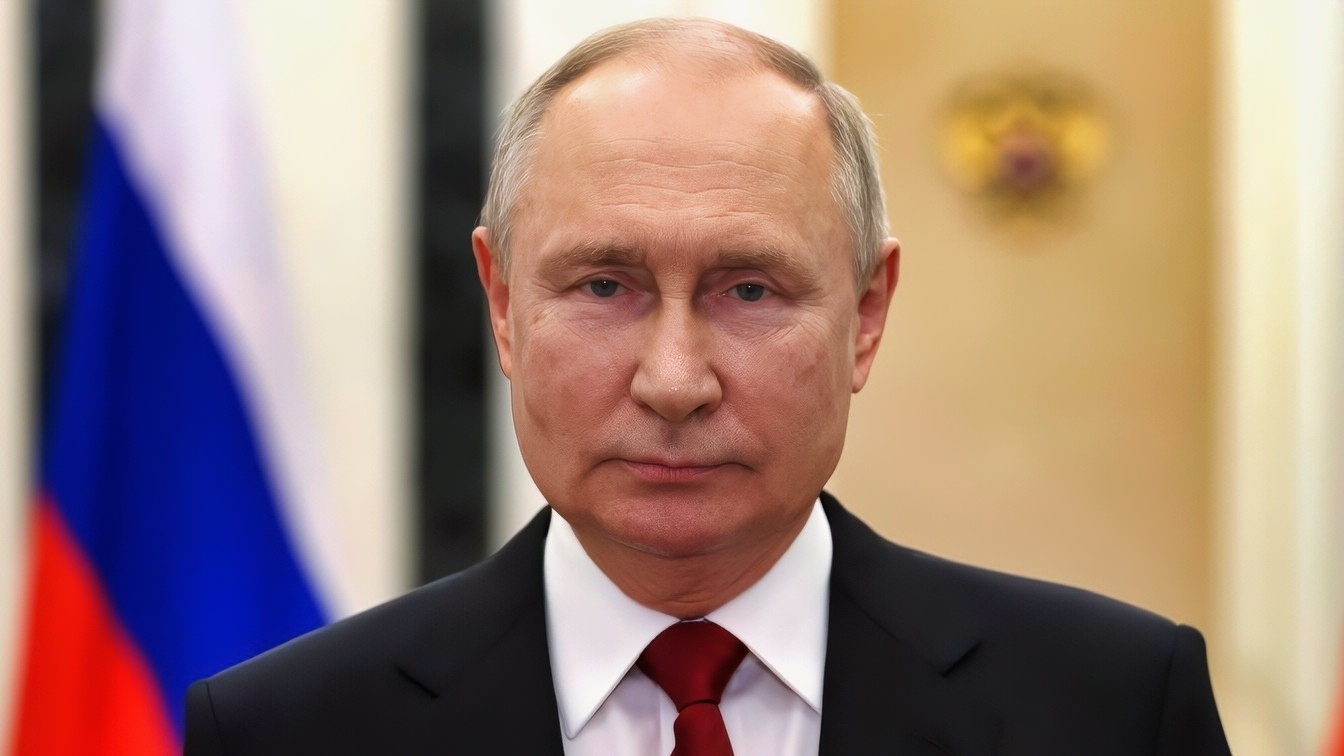
Putin Back on 2_2026 State Media Photo

Putin New Year’s Message. Image Credit: Russian Government.
Three Rosneft Plants Put Out of Commission
Bloomberg estimates at least 114 Ukrainian strikes on Russian refineries in 2026, more than double the same period last year.
Rosneft owns 12 refineries that produce roughly a third of Russia’s refining capacity. Some of those facilities accounted for five of the 15 verified attacks on Soviet-era refineries targeted in September.
At the Ryazan plant, which supplies fuel to Moscow, one of the main sources of production has been closed for more than half the time since May and has operated at less than full capacity when open, according to damage assessments seen by Bloomberg.
At least a few of its plants are operating at a fraction of total capacity: Syzran, for instance, was either closed or operating at less than a third of its capacity for most of the past six months.
The Tuapse plant located on the Black Sea was last said to have been shut down since April.
On October 15, the governor of Ryazan, Pavel Malkov, said that “our region came under a massive drone attack,” and that “a fire broke out at the oil refinery.”
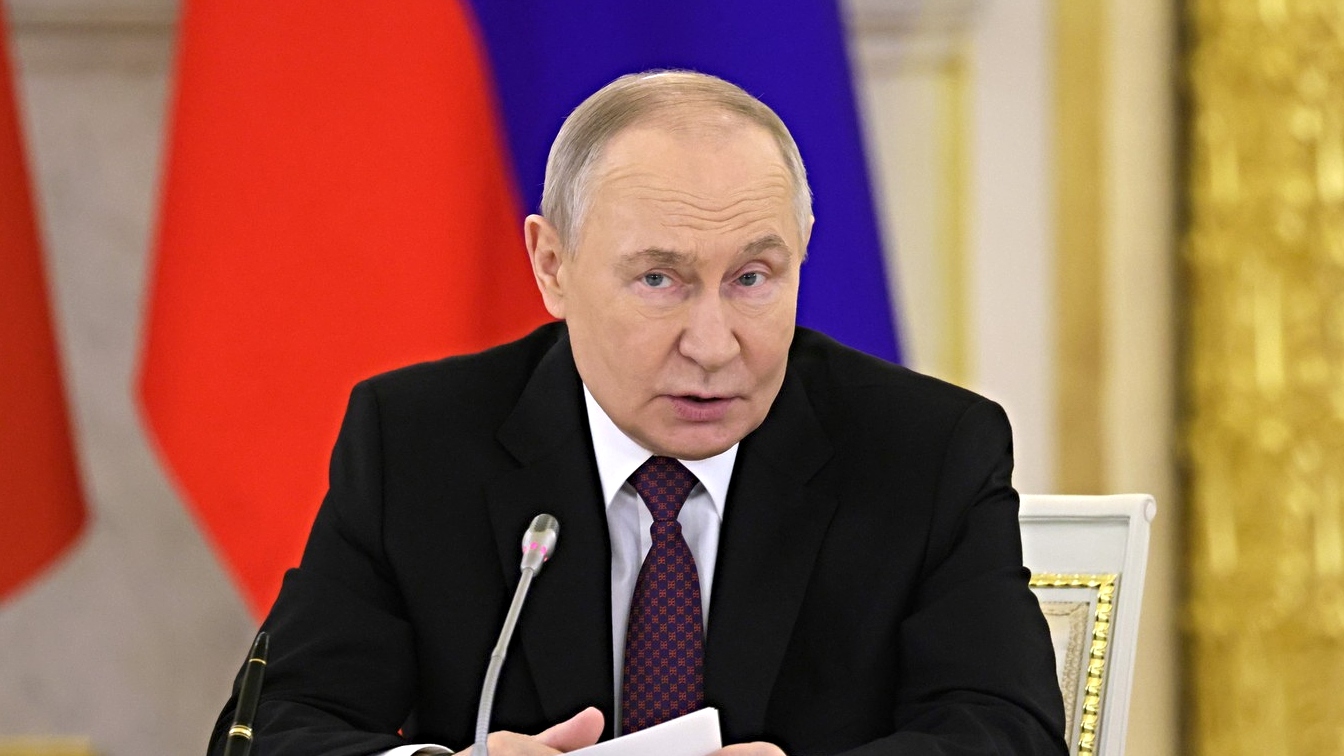
President Vladimir Putin, meanwhile, has tried to downplay the consequences of the strikes.
Repeated Repairs
The Financial Times said Rosneft had repaired facilities only to find new damage inflicted just before or after work to restore them was completed.
The company has described the damage and its restoration process as unsustainable, while sanctions limit its ability of acquire specific replacement equipment
According to the International Energy Agency (IEA), Russian refineries were being attacked, on average, once every three days in the first eight months of 2026.
In its report, the IEA also found that repairing damage to secondary processing units would take six to eight months.
Defensive nets with shipping containers and steel cables have not proven to be a solution to the drone assaults, Bloomberg notes.
Rosneft insisted that it was “taking appropriate measures to ensure the security and operation of our plants”.
The company added: “Not a single company petrol station has been closed”.
What do Rosneft’s Financial Figures Really Say?
Rosneft’s figures for the first half of the year, published on the Group’s website, show that net income attributable to shareholders fell 18.4%, from 245 billion rubles in 2025 to 200 billion rubles in 2026, and a net debt-to-EBITDA of 1.8.
EBITDA rose 23%, and cash available for distribution, or free cash flow, rose 12%, 1% higher than in 2025.
Rosneft blames “non-cash and one-off” factors for part of the decrease, including currency fluctuations and asset impairment.
Rosneft’s chief executive officer, Igor Sechin, acknowledged that the refining business faces “constraints related to refining capacity maintenance.”
The figures show how badly Russia’s refineries have been hit.
The IEA said that Russian refineries processed just 3.8 million barrels of crude oil per day in June, around 30% less than a year earlier and the lowest level in more than two decades.
Trump’s Diesel Deal Has Not Stopped Ukraine’s Refinery Strikes
President Donald Trump made his displeasure with Ukraine’s refinery attacks clear on October 10.
“He better damn well stop,” Trump said of Ukrainian President Volodymyr Zelenskyy.
The following day, Trump announced an immediate ceasefire covering energy infrastructure. Neither Moscow nor Kyiv publicly confirmed agreement, although Ukraine suspended its refinery strikes for three days.
That pause ended on October 15.
“The block [on attacking refineries] is out. We’re done,” Zelenskyy told the Financial Times, accusing Russia of continuing to attack Ukrainian energy facilities.
Kremlin spokesman Dmitry Peskov described the renewed attacks as “nothing new” and accused Ukraine of “coming into serious contradiction with the peace efforts of the United States.”
Meanwhile, the diesel agreement between Trump and Russian President Vladimir Putin is already producing shipments.
Reuters noted that the Malta-flagged tanker Agioi Fanendes loaded 40,000 metric tons of Russian diesel at Primorsk on October 22. It is now en route to New York and is expected to arrive on November 7.
Still, without a satisfactory peace deal, Kyiv will likely keep squeezing Moscow’s war chest.
About the Author: Georgia Gilholy
Georgia Gilholy is a journalist based in the United Kingdom who has been published in Newsweek, The Times of Israel, and the Spectator. Gilholy writes about international politics, culture, and education.


