

The Ukraine War rages, as Russian forces continue their offensives aimed at encircling and choking off the Ukrainian Fortress Belt in Eastern Ukraine.
Meanwhile, Ukraine and Russia continue exchanging missile and drone barrages aimed at each other’s critical civilian infrastructure.
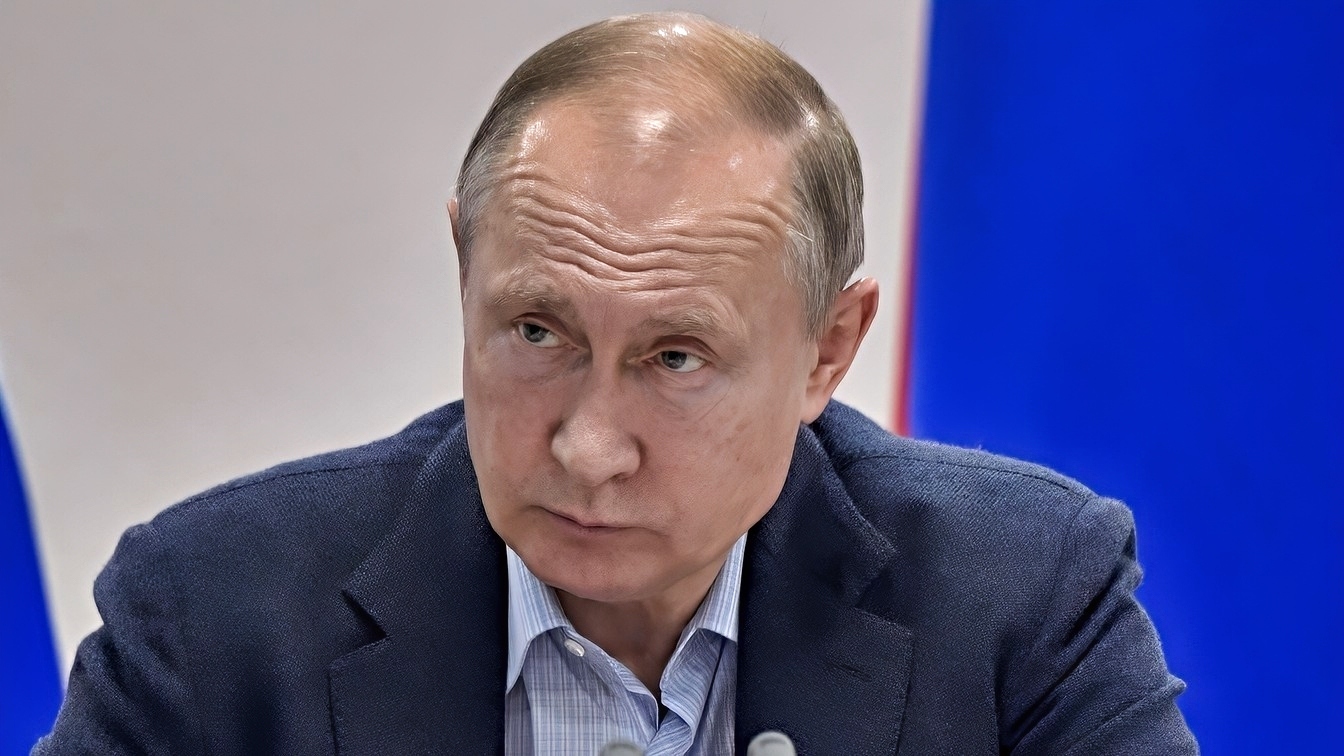
Putin in July 2019 Russian Federation Photo
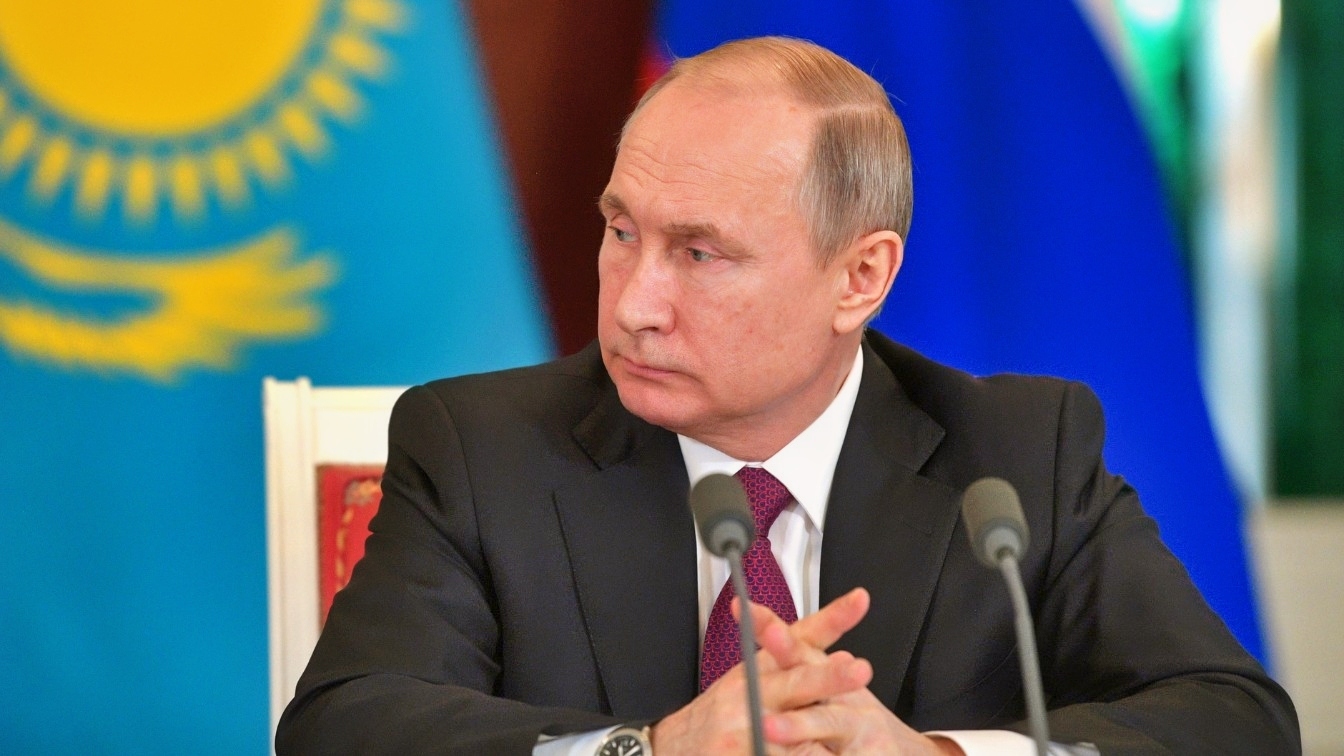
Putin in 2019 Russian Federation Photo
The most recent Ukrainian attacks were directed against the Kerch Strait Bridge linking Crimea to Russia.
This was not only a Ukrainian strike on Russian infrastructure.
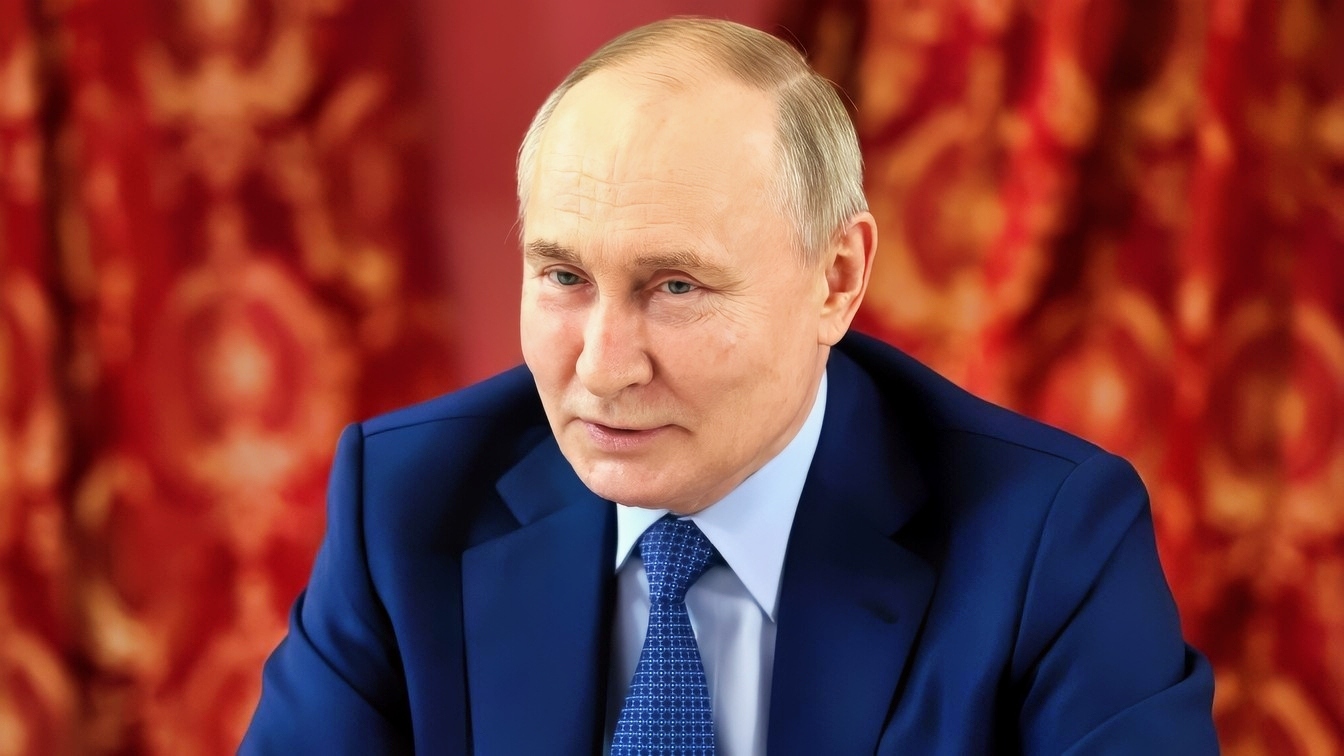
It was symbolic because the bridge was a project Russian President Vladimir Putin himself pushed for.
After those attacks, Putin announced that the Russians would not be negotiating any partial ceasefire with Ukraine.
Massive Retaliation
He vowed stringent retaliatory strikes directed against Ukrainian infrastructure while at the trilateral conference with US President Donald J. Trump and China’s President Xi Jinping.
On Friday morning, the Russians delivered on that promise and launched a devastating wave of attacks targeting Ukrainian infrastructure in and around Kyiv.
It seems that every time there is a potential break in the Ukraine War, one in which some kind of negotiated settlement could be at hand, the Ukrainians (and their NATO allies) use the lull in fighting to restart the fighting.
This happened once before during the 2022 Ankara negotiations.
Shortly after the Russians invaded Ukraine, there was a serious effort by the Russians and Ukrainians to end the war quickly with a negotiated settlement.
It did not happen because the Biden administration and the then-UK Prime Minister Boris Johnson pressured Zelensky to restart the war.
While in Shenzhen, Putin intimated that he was considering a partial ceasefire and discussed it with his security council as a way to stop blockades of important civilian shipping in the Black Sea or halt attacks on energy infrastructure.
That possibility is now entirely off the table.
Engineers have said repairs to the Kerch Strait Bridge linking Crimea with Russia could take years.
Those strikes have been part of a broader Ukrainian campaign to isolate Crimea from Russia.
Western analysts insist that there was no indication the Russians were considering a temporary ceasefire. That’s an inaccurate read, though.
After all, the Russians had sat down with the Ukrainians and Americans in Abu Dhabi earlier this month, and even agreed to a large prisoner swap at the end of the conference.
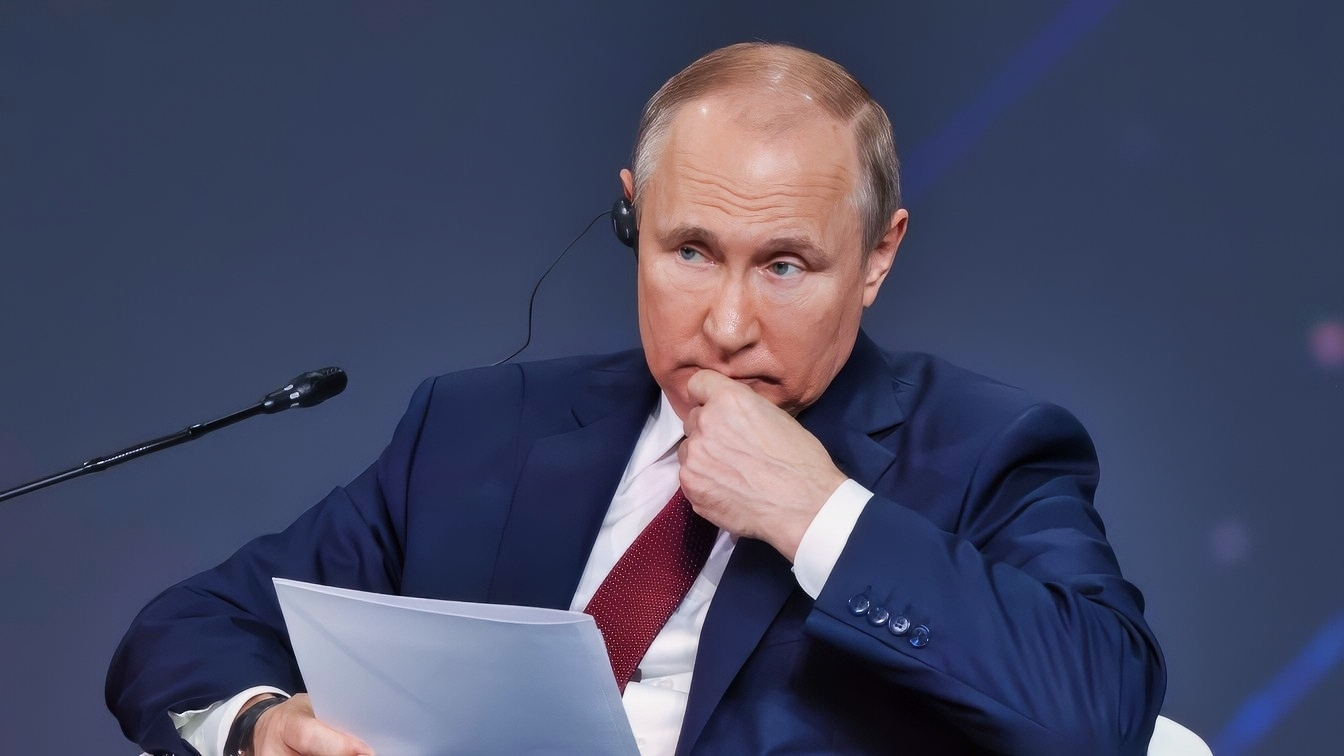
Putin in June 2021 Russian State Media Photo
It was not a ceasefire. But it was a diplomatic opening that might have prompted Putin to discuss with his security council the prospects of a temporary ceasefire to ease pressure on civilian infrastructure and Black Sea shipping (which the rest of the world depends on).
Alas, we will never know, because as soon as they had the opportunity, Kyiv took the most drastic offensive action it could against Russia.
While at the Shenzhen conference, President Putin reiterated the rationale for his war in Ukraine.
The Real Reasons for War
According to the Russian leader, this had nothing to do with Russian revanchism and everything to do with concerns from his side that NATO was preparing to absorb Ukraine into its alliance.
He stated that Russia had no interest or need to invade Europe, contrary to what many European leaders are spasmodically saying publicly.
For Russia, the issue was a security one–and Moscow will not allow Western forces to be stationed inside Ukraine.
Even as the Russian leader took the prospect of a temporary ceasefire off the table, he said he was willing to have broader discussions on overall European security architecture and that, unlike in Abu Dhabi, those talks should include European representatives.
The Russians want a permanent end to the war, guarantees that Western forces will not seek to turn whatever remains of Ukraine into a military base along Russia’s periphery, and a reset of Europe’s security situation that does not place Russia in the hostile camp.
Whether the Western powers can accomplish this remains to be seen.
Another complication for President Donald Trump, who enjoys events like the Shenzhen conference, is concern that President Putin will not attend the G20 conference in Miami next month.
This is because of the uncertainty in Ukraine.
Putin knows that Trump wants to be seen with him at all times.
And Putin is playing up that fact to use it as leverage to squeeze Trump and try to get more concessions from him on the matter of Ukraine.
Putin Wants the Anchorage Summit Honored
Putin then added that he wanted Zelensky to agree to the stipulations tentatively accepted between Trump and Putin at last year’s Anchorage summit, which Americans seem to have all but forgotten.
Putin further stated his willingness to end the war if Kyiv handed over Eastern Ukraine to Russia.
Kyiv roundly rejected this, suggesting Putin is disinclined to take further negotiations seriously and would rather see whether his forces can achieve a military victory on the field to dictate the outcome.
The war will end. It will probably be decided on the battlefield before any real breakthrough is had at the diplomatic table.
About the Author: Brandon J. Weichert
Brandon J. Weichert is the Senior National Security Editor. He also manages The Weichert Brief on Substack. Weichert is the co-host of The Mario Nawfal Show on Twitter/X. He is the author of four bestselling national security books, most recently A Disaster of Our Own Making: How the West Lost Ukraine (Encounter Books). His next book, Fortress Americas: A New Monroe Doctrine (Tucker Carlson Books), is due out December 8. Follow him via Twitter/X @WeTheBrandon.


