

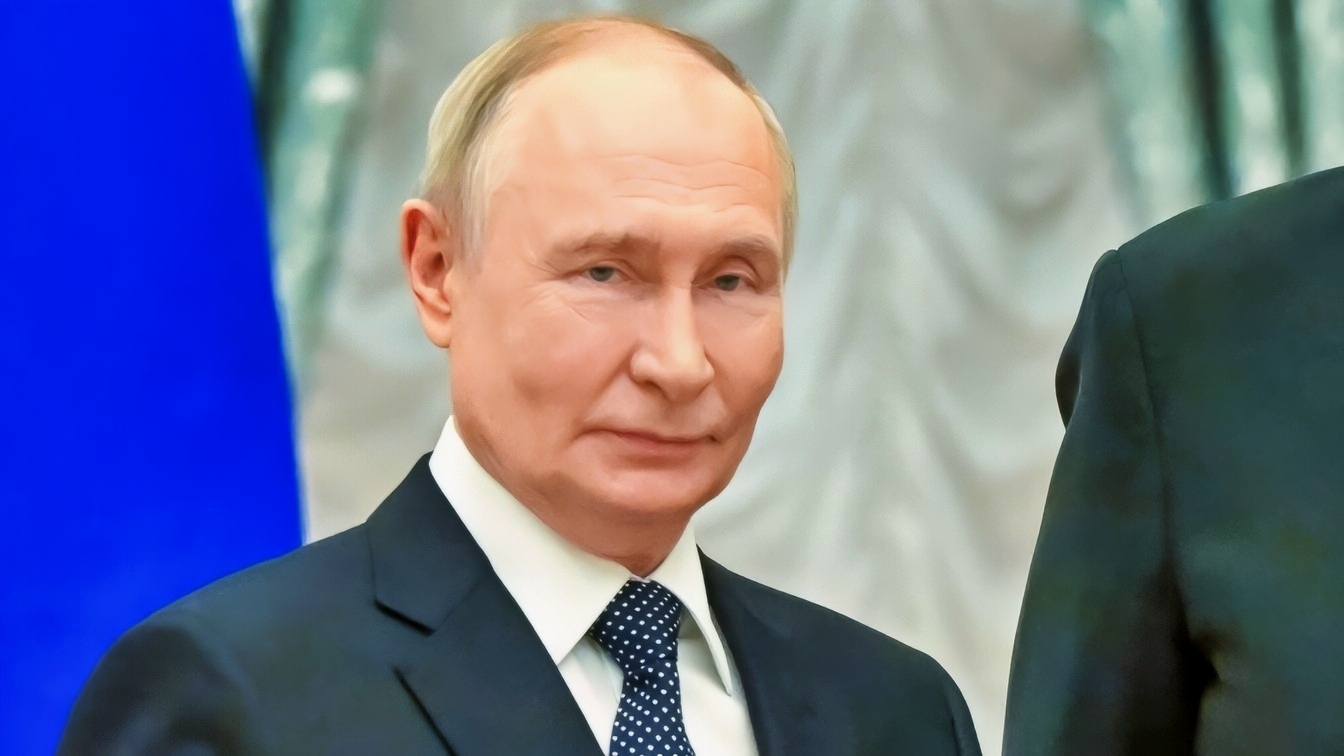
Ukraine Says Russia Is Preparing a New Mobilization as Losses Outrun Recruitment: Ukraine says Vladimir Putin is preparing the conditions for a broader Russian mobilization as battlefield personnel losses place greater pressure on Moscow’s volunteer-recruitment system. President Volodymyr Zelensky issued the warning on July 25, according to a Kyiv Independent report.
Zelensky said Russia had enlisted about 221,000 people during 2026 while suffering approximately 225,500 personnel losses, including 131,000 killed and almost 93,000 wounded. His official address did not disclose the intelligence methods behind those totals.
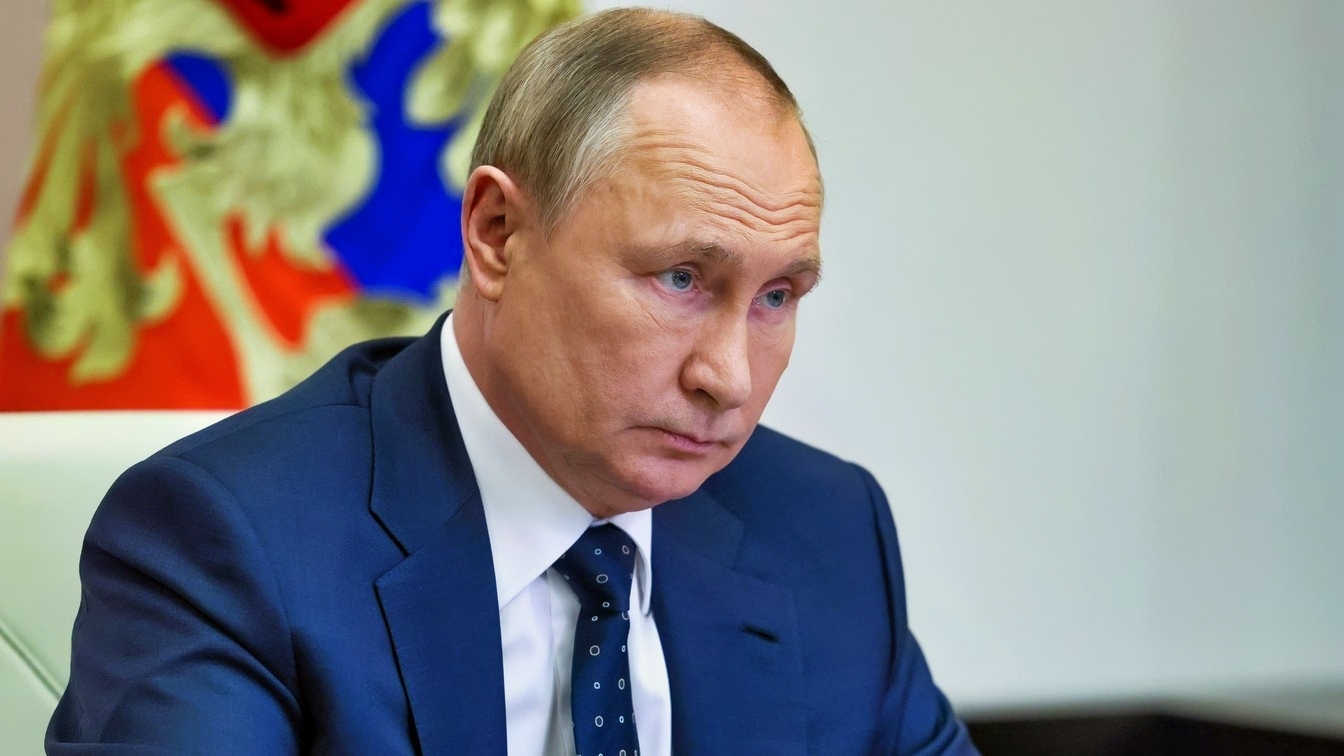
Putin in May 2022 Looking Tough Creative Commons Image
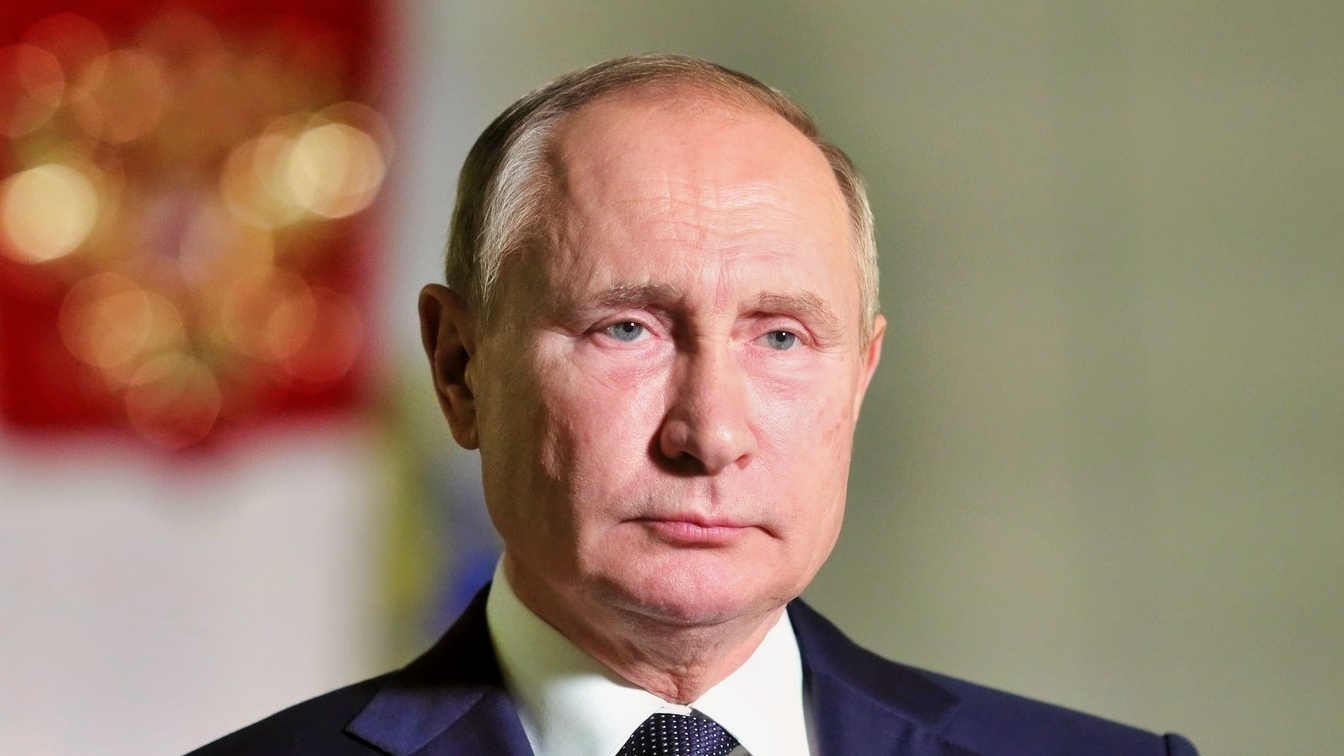
Putin in October 2021 Creative Commons Photo
The figures cannot be independently verified, and casualties do not translate directly into permanent manpower losses because some wounded troops return to service. An independent CSIS assessment still found the same broad pressure, estimating 30,000 to 34,000 Russian casualties per month in 2026 against recruitment of roughly 27,000.
Russian budget data also points to slower enlistment. Analyst Janis Kluge calculated that federal bonuses covered 71,216 new contracts in the first quarter, about 800 per day and the lowest first-quarter total in three years. Regional data suggested a recovery toward 1,000 daily signings in April and May, though Kluge stressed that the numbers do not prove a national shortage.
Russia Is Expanding Recruitment Without Announcing Mobilization
The Kremlin says a general mobilization is not on the agenda. Moscow is still widening the pool from which it draws soldiers, what some experts consdier a kind of ‘stealth’ mobilzation of sorts.
Universities are promoting contracts for drone operators, and some companies have received recruitment quotas, according to Reuters. The effort reflects how larger bonuses are producing fewer volunteers than before.
Russia has also made conscription administration a year-round process, expanded electronic summonses and authorized selected reservists to protect critical infrastructure. The Associated Press reported that ignored notices can lead to banking, driving and travel restrictions. Recent changes to civil-defense and reserve procedures give the state more options without repeating the language of 2022.
A Formal Russian Call-Up Would Carry Political Risk
Putin’s partial mobilization of 300,000 reservists in 2022 produced administrative disorder and drove hundreds of thousands of Russians abroad. The Kremlin has since relied on contracts, regional payments, prisoners, foreign recruits and specialized recruitment campaigns. That system has allowed Putin to replace troops without announcing another national call-up.
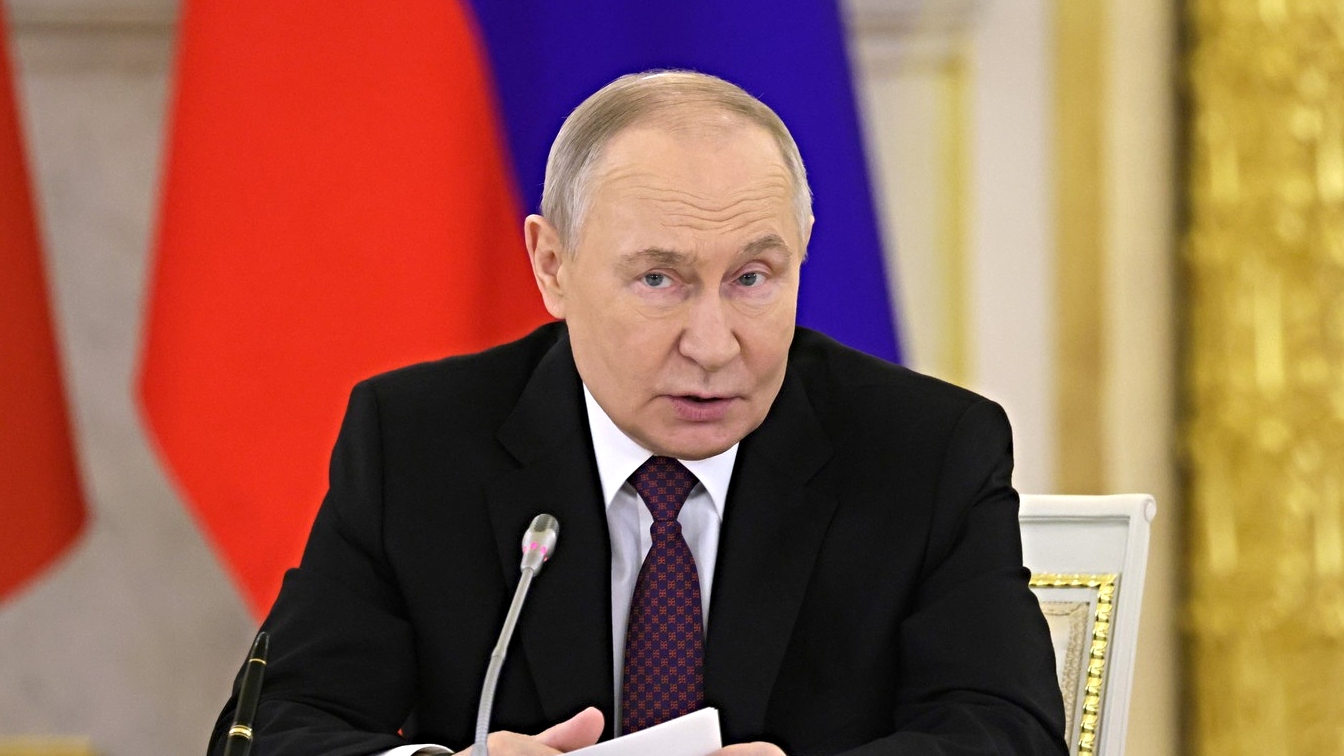
Putin Back on 2_2026 State Media Photo
Some Western analysts now believe Russia would need mandatory service on a larger scale to seize the rest of Donbas. Reuters reported in July that heightened tension with NATO could provide a domestic justification for conscription. The political calculation remains difficult because a larger mobilization would acknowledge that the existing campaign has not delivered Putin’s objectives.
Ukraine also says Moscow is preparing to receive another 30,000 North Korean troops. That deployment remains unconfirmed, but it would more than double Pyongyang’s earlier troop commitment. Foreign reinforcements could reduce immediate pressure for a Russian call-up while showing how far Moscow is reaching beyond its own population to sustain operations.
More Russian Troops Would Not Resolve the Quality Problem
Additional personnel could refill depleted units, guard rear areas and release experienced formations for offensive operations. New recruits still require training, equipment and competent junior leadership. Russia’s current system is already struggling to replace battlefield experience as quickly as it replaces headcount.
As of July 26, Russia had issued no formal mobilization order. The Kremlin can still increase pressure quietly through legal and administrative tools already in place. The clearest indicators will be new reservist decrees, larger regional bonuses, expanded electronic summonses, increased activity at training centers and visible transport movements. Zelensky’s warning remains an intelligence assessment, but independent recruitment and casualty estimates show why the Kremlin is searching for more people.
About the Author: Harry J. Kazianis
Harry J. Kazianis (@Grecianformula) was the former Senior Director of National Security Affairs at the Center for the National Interest (CFTNI), a foreign policy think tank founded by Richard Nixon based in Washington, DC. Harry has over a decade of experience in think tanks and national security publishing. His ideas have been published in the NY Times, The Washington Post, The Wall Street Journal, CNN, and many other outlets worldwide. He has held positions at CSIS, the Heritage Foundation, the University of Nottingham, and several other institutions related to national security research and studies. He is the former Executive Editor of the National Interest and the Diplomat. He holds a Master’s degree focusing on international affairs from Harvard University.


