

On the morning of November 20, a day after Putin threatened a “painful response” to Ukraine’s attack on the Crimean Bridge, Russia launched another massive drone and missile attack. This attack utilized around 117 missiles and hundreds of attack UAVs.
The targets, aside from the usual energy infrastructure sites, also included four bridges in Kyiv that cross the Dnipro River.
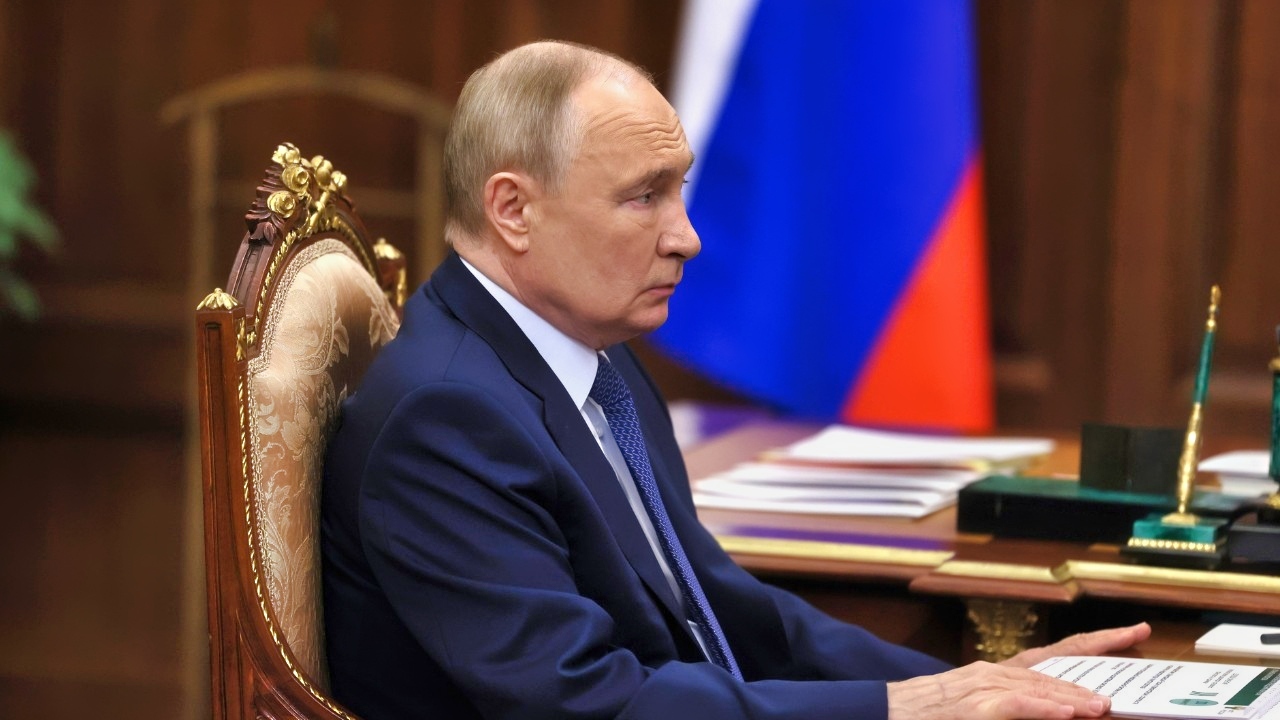
Putin in October 2024 Kremlin. Image Credit: Russian Government.

Putin on Direct Line Back in 2019. Image Credit: Creative Commons.
Although the extent of the damage has not yet been revealed, the attack follows Putin’s promise to respond to the attack on the Crimean Bridge.
In the future, Russia will likely launch further attacks on the bridges in Kyiv and other Dnipro River crossings.
Another Massive Attack Against Ukraine
The attack, which President Zelenskyy described as “one of the biggest attacks” on Ukraine, began late at night and stretched into the early morning hours. Zelenskyy noted that the attack was launched in waves to “complicate firefighting, clearing debris, and recovery efforts.” The attack was also likely intended to degrade Ukraine’s air defenses.
According to some reports, Kyiv has received a small batch of Patriot interceptors from its Western allies.
Some OSINT channels noted that some PAC-3 interceptors were launched during last night’s attack, though only three of the roughly 22 ballistic missiles were reportedly intercepted.
The attack also utilized dozens of Kalibr and Kh-101 cruise missiles launched from strategic aviation assets and missile carriers in the Black Sea.
Ukrainian air defense forces claimed to have intercepted around 380 UAVs, 102 of which were rocket-powered, along with 79 of 84 cruise missiles and three ballistic missiles.
As always, take these official figures with a grain of salt, as some OSINT sources reported 30 or more cruise missile impacts across the country.
Ukraine’s air defenses have been stretched thin this year following intensive ballistic missile attacks this summer. For the past several months, Zelenskyy has been trying to secure more ballistic missile interceptors from his Western allies.
Unfortunately, high demand and low PAC-3 interceptor production rates have slowed these deliveries. The few deliveries that are made are usually insufficient to protect Kyiv.
Furthermore, with Russia’s newest low-cost munitions, such as the rocket-powered Gerans, the S8000 Banderol, and the Dan-T cruise missile, Ukraine’s air defenses are increasingly strained as Kyiv scrambles to find a cost-effective way to counter these new aerial threats.
Kyiv’s Bridges Under Attack
While Kyiv was one of the main targets of Friday morning’s attack, Russian cruise missiles targeted energy infrastructure in Western Ukraine.
Electrical substations in the Lviv and Ivano-Frankivsk Oblasts were struck, along with thermal power plants and the Lviv State Aviation Repair Plant.
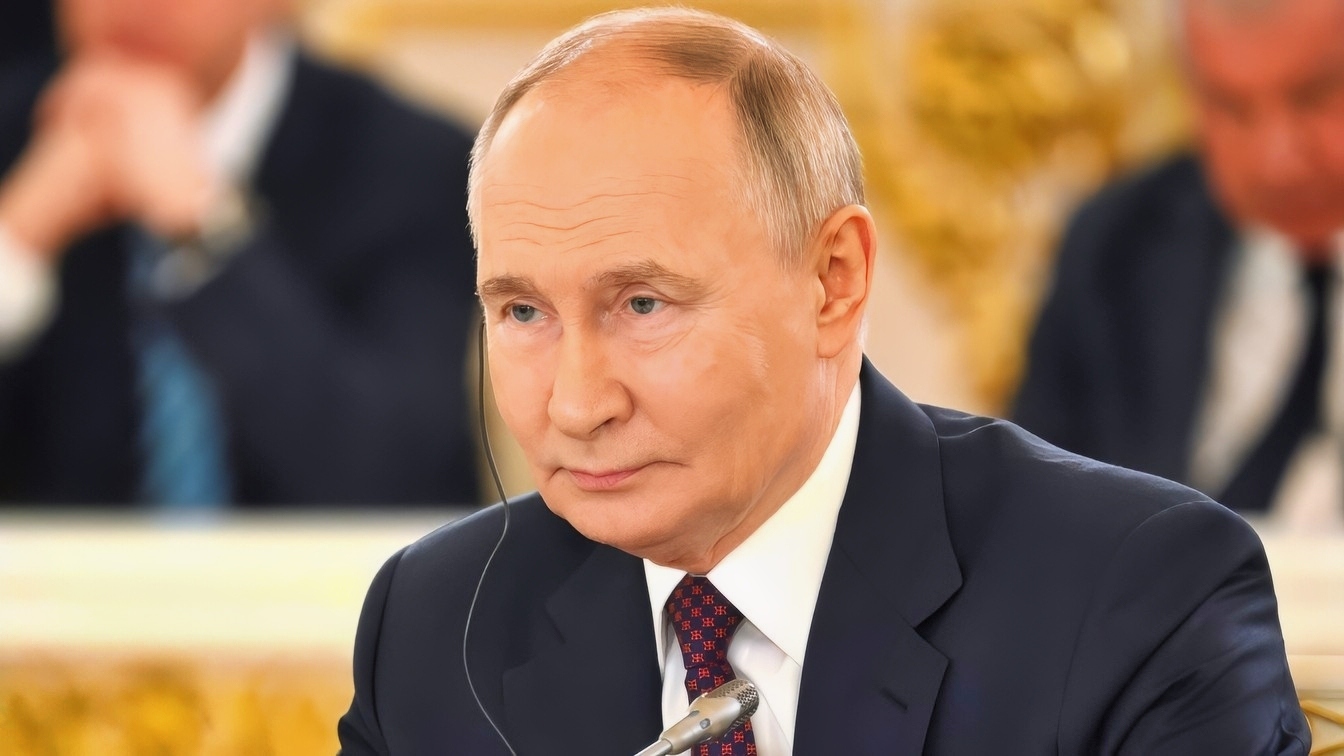
Putin in 2025 Russian State Media Image
The Russian Ministry of Defense (MoD) claimed that it had struck multiple power plants and electrical stations, along with industrial enterprises involved in the production and manufacturing of UAVs, cruise missiles, and FP-9 tactical ballistic missiles.
One Kh-101 missile, affected by a technical malfunction or Ukrainian electronic warfare, flew into Poland before falling near a village in Nowy Lipowiec in the country’s southeastern region. Polish officials said there was no immediate risk to residents.
Along with the usual attacks on Ukrainian energy infrastructure and industrial enterprises, the Russians also struck multiple bridges in Kyiv.
According to Vitali Klitschko, the Mayor of Kyiv, three of the city’s seven bridges were hit. Other sources claim that four or five bridges, the Northern, Darnytskyi, Patona, Podilskyi, and Southern Bridges, were struck (not all have been confirmed).
Both the Northern and Southern Bridges have been targeted in previous attacks, while the Darnytskyi, Patona, and Podilskyi Bridges were hit for the first time.
All traffic on the Podilskyi Bridge was temporarily suspended, while the Southern Bridge remains restricted in one direction. Damage to the Patona and Darnytskyi Bridges is still being evaluated.
As of now, the extent of the damage to Kyiv’s bridges has not been revealed, though initial reports indicate that multiple ballistic missiles may have struck them.
How Far is Russia Willing to Go?
Friday’s attack likely was not enough to collapse any bridges in Kyiv. However, based on previous Russian “retaliatory attacks” this year, the Russians will most likely launch further attacks. There are seven bridges in Kyiv (eight, including the Parkovyi footbridge).
So far, five of these seven bridges have been attacked by Russian drones and missiles.
Additionally, major crossings exist in Dnipro, Zaporizhzhia, and other cities along the Dnipro River. Zelenskyy has confirmed that Russia has previously struck bridges in Dnipro and Zaporizhzhia.
Based on Russia’s previous responses to Ukrainian attacks on Black Sea shipping vessels and warehouses belonging to online retailers, this attack is unlikely to be the last attack on Kyiv’s bridges.
Ukraine’s Dnipro River crossings are vital for supplying the Ukrainian Armed Forces along the front lines.
All military equipment from Western Ukraine or Europe must, at some point, cross the river to reach the front lines.
If the major bridges were destroyed, Ukrainian forces in the Donbas would not be completely cut off—Ukraine could deploy pontoon bridges—but rear-area logistics would be severely complicated.
A lot depends on how far Russia is willing to go in its campaign against Ukrainian bridges.
As Ukraine has demonstrated, destroying large bridges is possible with enough munitions.
Moscow certainly knows about these crossings and also possesses the firepower to destroy them, or at least disable them. The main question is whether Russia is willing to expend the munitions necessary to cut Ukraine in half.
About the Author: Isaac Seitz
Isaac Seitz, a Defense Columnist, graduated from Patrick Henry College’s Strategic Intelligence and National Security program. He has also studied Russian at Middlebury Language Schools and has worked as an intelligence Analyst in the private sector.


