

Sanctions only work if you keep them on. For the better part of two years, the West’s economic squeeze on Moscow was doing what it was designed to do. Russian crude output was sliding, refineries were burning under Ukrainian drones, and the Kremlin’s oil and gas revenue was shrinking month after month.
However, that trend just reversed, and the timing is no coincidence.
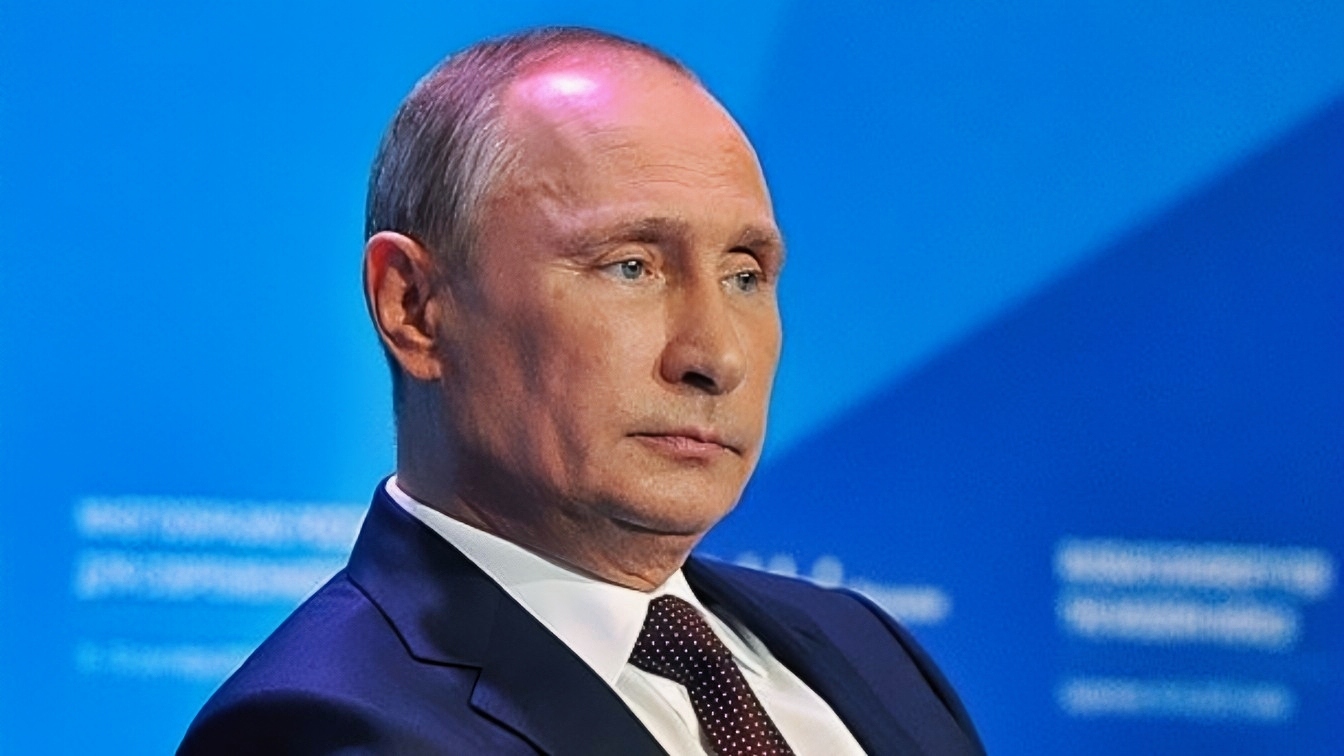
Putin at Valdai Club in 2013. Image Credit: Creative Commons.
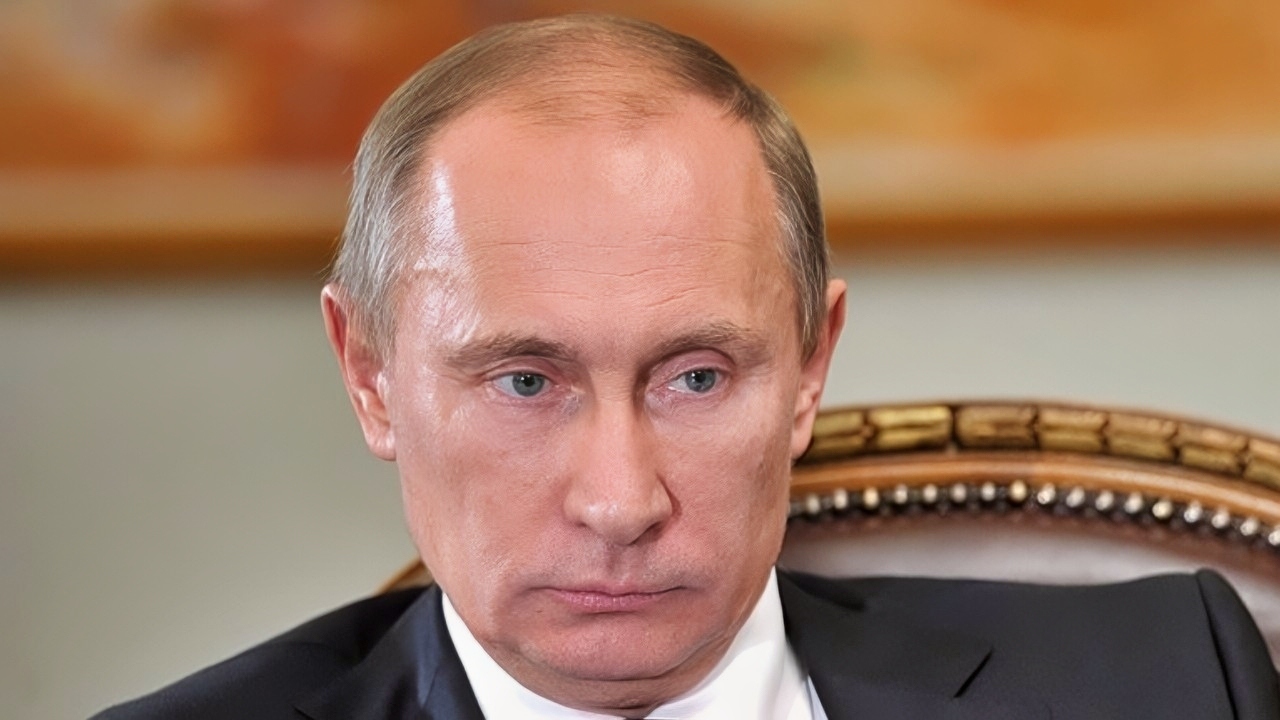
Putin in 2012 Creative Commons Photo
Russia’s crude production climbed by 210,000 barrels a day to 8.73 million barrels a day in October, according to the International Energy Agency’s latest monthly report, as CNBC reported Friday.
The jump came weeks after President Trump struck a diesel deal with Vladimir Putin and then waived a sweeping congressional sanctions package aimed squarely at Russia’s energy sector.
Put simply, Moscow was handed a lifeline.
It took it. Then shared satellite targeting data with Iran on US bases in the Middle East.
How We Got Here
The easing didn’t happen in one move. It came in stages, and nearly every one traces back to the conflict with Iran.
When the US and Israel launched the air campaign on Iran in late February, and traffic through the Strait of Hormuz seized up, Brent blew past $100 a barrel.
In March, Washington temporarily lifted sanctions on Russian oil already loaded on tankers to cool prices. Treasury Secretary Scott Bessent called the benefit to Russia “unfortunate” and insisted it was short-term.
That waiver lapsed in April. A later one expired in June after Trump said the Iran deal would let Washington turn the screws on Moscow again.
That didn’t last either. On October 9, Trump announced that Putin had agreed to supply Russian diesel to the US and global markets in exchange for lifting sanctions on Russian fuel.
Trump said more than 300,000 tonnes would ship immediately, followed by 500,000 tonnes in November and a million tonnes after that. Treasury then issued a general license allowing Russian diesel sales through April.
One week later, on October 16, Trump signed an executive order waiving most of the Lindsey O. Graham Sanctioning Russia and Iran Act of 2026, a law he had signed himself only a month earlier.
The order, issued two days before the measures kicked in, suspended tariffs on Russian goods and on major buyers of Russian oil and gas, along with sanctions on foreign banks doing business with Moscow.
Kremlin investment envoy Kirill Dmitriev called it “an important and truly historic moment.”
He would know.
The Numbers Tell The Story
Consider where Russian production stood just two months ago.
In September, the IEA had Russian output at 8.43 million barrels a day, roughly 870,000 barrels a day below a year earlier.
OPEC’s secondary sources put September at 8.64 million barrels a day, the lowest since mid-2020 and the tenth straight monthly decline. Moscow had already cut its 2026 production forecast to a 17-year low.
Then came October. Along with the IEA’s numbers, OPEC’s own monthly report showed Russia’s production rising by 41,000 barrels a day to 8.668 million.
The figures differ, as they often do with Russia, which has classified its production data. However, the direction is the same. Up.
The money followed. Reuters calculated that Russia’s oil and gas tax revenue would rise about 10% year over year in October to roughly 1 trillion rubles, or about $12 billion. Those taxes make up about a fifth of the Kremlin’s total income. Those taxes also pay for the war in Ukraine.
The Energy Ceasefire Was A Gift To Russian Refineries
Another factor doesn’t get enough attention. In mid-October, Trump also announced an “energy ceasefire” between Russia and Ukraine.
According to BNN Bloomberg, the agreement never held in any meaningful way, yet it gave Russian refineries a breather from Ukrainian strikes and may have propped up output.
Ukraine’s long-range drone campaign against Russian refineries has been among the most effective things Kyiv has done in this war.
It drove Moscow into a domestic fuel crunch, led to a diesel export ban in August, and forced oil companies to cut production to match domestic needs.
Every day those drones stayed grounded was a day Russia’s refiners got to catch their breath.
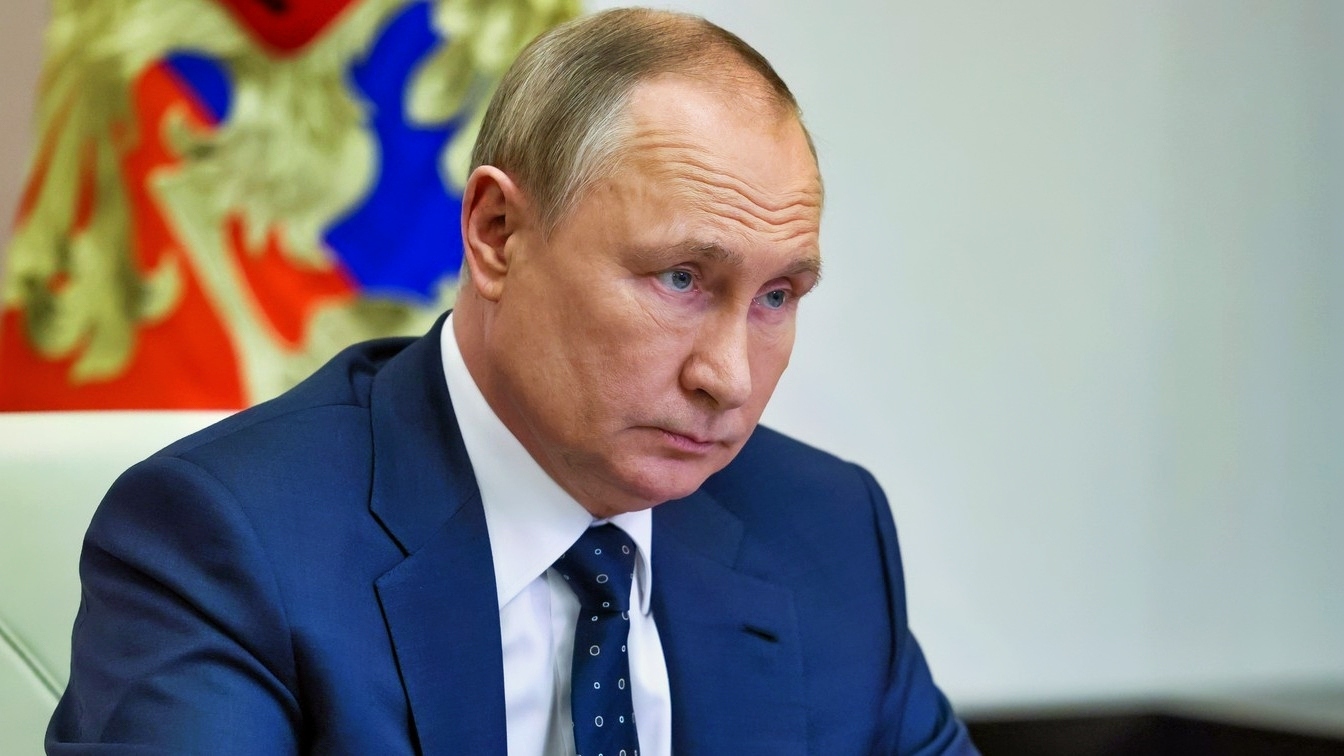
Putin in May 2022 Looking Tough Creative Commons Image
That was the single most costly concession in this whole sequence.
Sanctions can be reimposed with a signature. Regaining momentum against an enemy’s infrastructure is much harder.
Ukraine suspended attacks on Russian oil refineries. Russia stepped up its attacks on Ukrainian energy infrastructure.
What Did The Deal Do For The US?
Say what you will about the administration’s motives.
The pressure at the pump is real.
Brent was trading above $109 a barrel in October, and the White House argued that enforcing the Graham Act could hinder efforts to negotiate peace between Russia and Ukraine.
However, one can make the opposite argument easily as well.
Diesel moves trucks, tractors, and armies.
A global diesel shortage hits everyone.
However, the bill comes due somewhere, and Ukraine is the one paying it. Zelenskyy said the Graham Act package would have gone a long way toward choking off Moscow’s war funding.
Instead, Russia gets higher volumes, fresh export quotas, and a tax bump at the exact moment its budget was cracking.
Russia’s federal deficit through July had already surpassed its entire 2025 shortfall, and oil and gas revenue had fallen by a third in two years.
That was real leverage.
The irony is that the global market no longer needs Russian barrels the way it did in the spring.
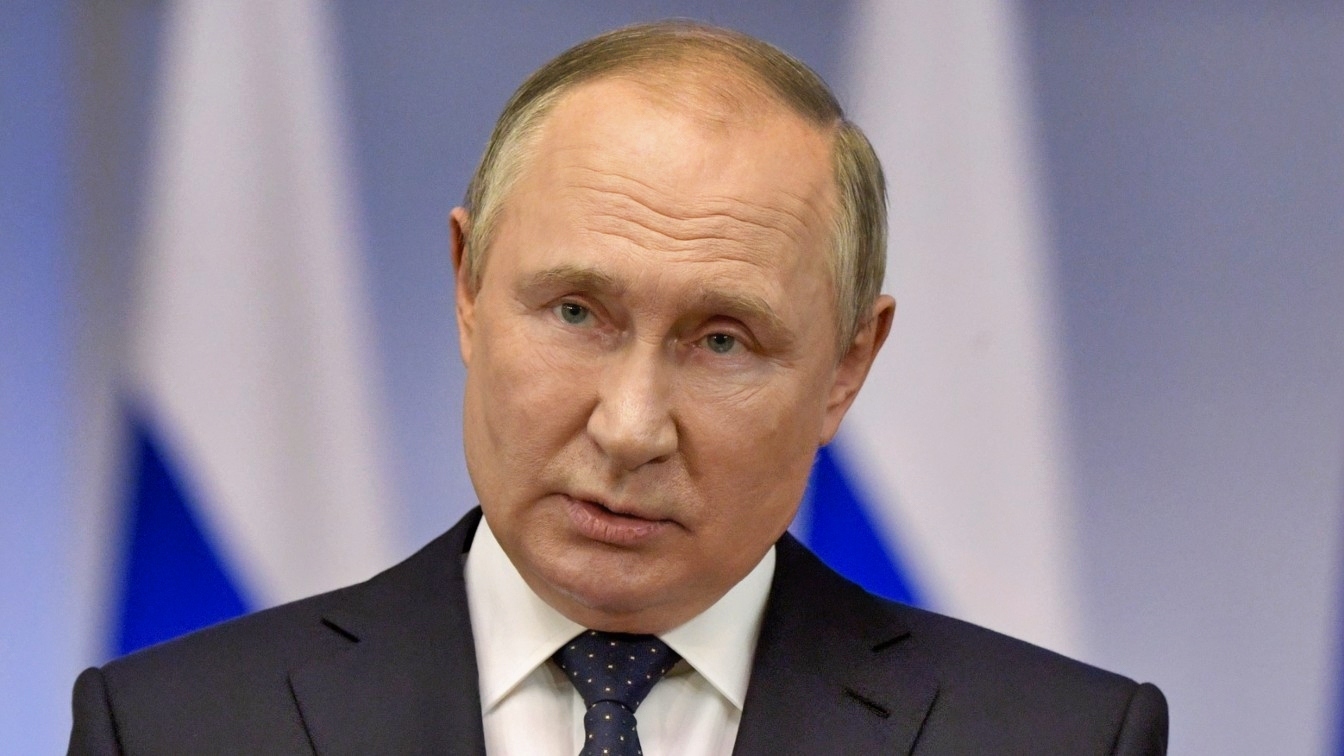
Putin Back in April of 2022 Creative Commons Photo
The same IEA report showed global supply rising to 105.4 million barrels a day in October, topping demand for the first time since the Iran war began.
Saudi Arabia pumped 10.563 million barrels a day, its highest since February. The emergency that justified the waivers is fading. The waivers are not.
So What Comes Next?
Trump’s executive order keeps the waivers in place until he or his top officials decide “further action is appropriate.”
That language sets no deadline.
The diesel license runs through April. Meanwhile, Russian refiners are ramping up diesel runs, and crude exports from Russia’s western ports could fall by up to 200,000 barrels a day in November as more crude is fed into refineries for diesel.
Russia isn’t out of the woods.
Its oil and gas revenue for January through October is still projected 14 percent below last year, and a renewed Ukrainian strike campaign could knock refineries back offline in short order.
However, the trend line that Western policymakers spent years bending downward has turned back up. Sanctions only work if you keep them on. We took them off. And got next to nothing for it.
About the Author: Steve Balestrieri
Steve Balestrieri is a National Security Columnist. He served as a US Army Special Forces NCO and Warrant Officer. In addition to writing on defense, he covers the NFL for PatsFans.com and is a member of the Pro Football Writers of America (PFWA). His work was regularly featured in many military publications.


