

One of Kyiv’s latest plans to isolate Russia is working to severely impede its airspace.
This week, President Volodymyr Zelenskyy told airlines that his country’s drones were swarming Russia in enough numbers as to make regular commercial air traffic difficult.
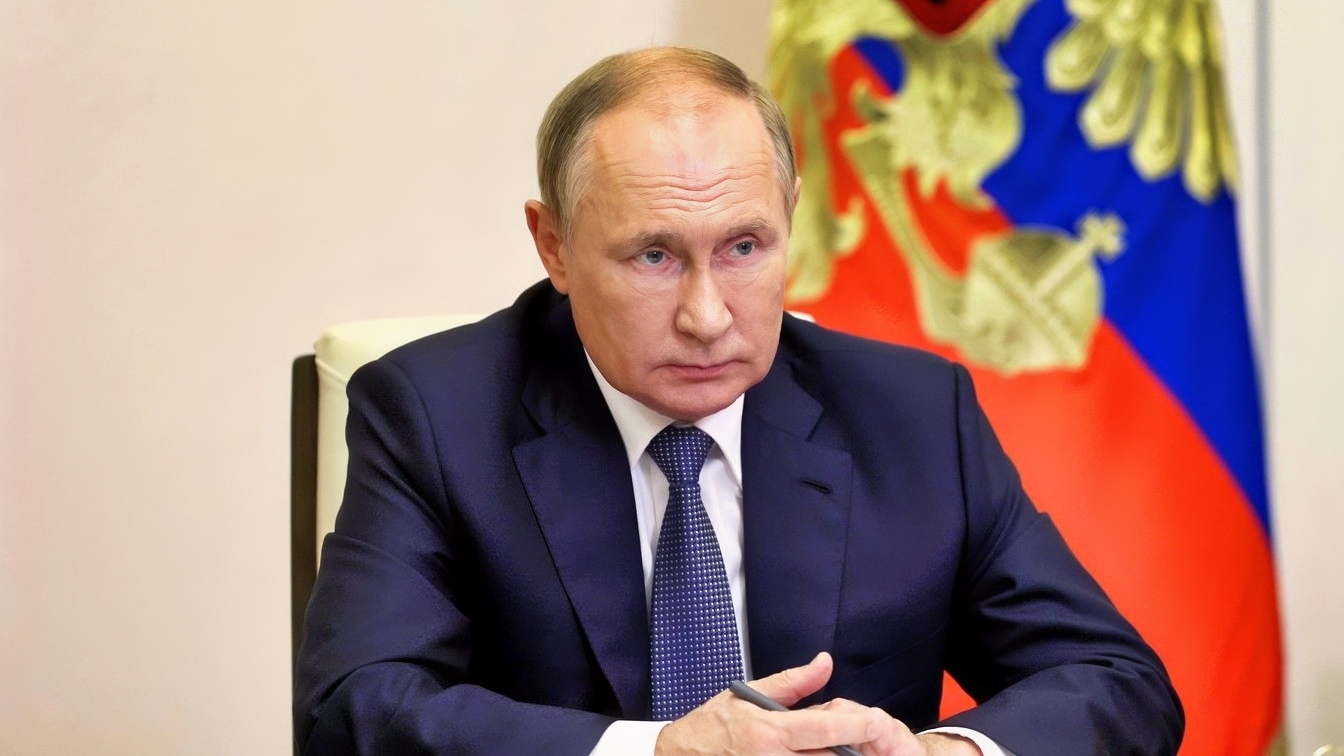
Putin Sitting in the Kremlin Russian Federation Photo
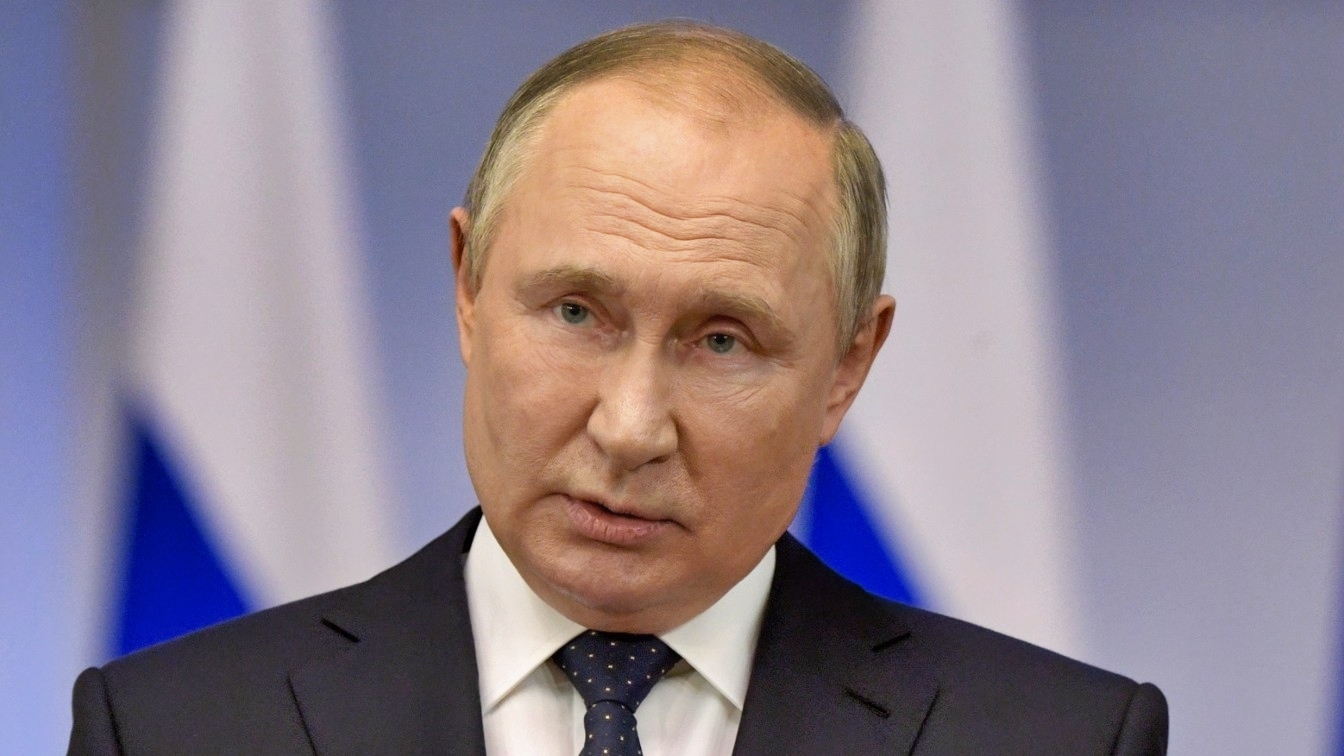
Putin Back in April of 2022 Creative Commons Photo
“We want to warn every airline that uses Russian airspace, every insurer, and everyone who still uses Russia’s key airports: Russian airspace is becoming completely unsafe,” Zelenskyy said Tuesday.
He stressed that Ukraine was not threatening civilian aircraft. “There will simply be drones in Russia’s skies on a scale that has to be taken into account,” he said.
Ukraine has formally notified the International Civil Aviation Organization that it considers Russian airspace unsafe for civilian aviation. Foreign Minister Andrii Sybiha said Kyiv wanted to “prevent unintended incidents,” adding: “The war is returning home to Russia.”
On Wednesday, the ICAO said it had noted “heightened risks of civil aircraft being targeted or caught in crossfire.”
Ukraine’s ‘Operation Carpet’
The tactic itself is hardly new.
According to The Kyiv Independent, Ukraine’s Security Service (SBU) launched Operation Carpet in spring 2025. The initiative aimed to fly drones close to Russian air hubs, forcing authorities to suspend flights under Russia’s “Kovyor,” or “carpet,” strategy.
Ukraine didn’t need to strike runways or terminals, and Ukraine avoided doing so. Kyiv simply needed airports to detect unmanned aircraft and subsequently suspend flights.
The Russian outlet Novaya Gazeta Europe cited Rosaviatsiya data that said Ukrainian drones forced some 217 temporary airport closures in Russia from January through May 2025.
In May, a trio of successive nighttime drone attacks plunged travel into chaos for tens of thousands of passengers during and around the busy Victory Day holiday.
Now Kyiv wants to expand such tactics.
Serhii Bratchuk, a spokesperson for Ukraine’s Southern Defense Forces, told the Kyiv Independent that the new effort was “a transition to a strategic aviation blockade of the Russian Federation.”
“The sky over large cities of the Russian Federation will become a zone of constant risk,” he said.
Bratchuk said Ukraine was “significantly increasing” drone production to “paralyze the work of key airfields in central Russia on a permanent basis.”
The Guardian reported that Ukraine can already launch several hundred drones in a day and that military sources say Kyiv is pursuing a capacity of roughly 1,000.
Justin Bronk, an aviation analyst at the Royal United Services Institute, was more cautious.
He told the Guardian that Ukraine could force “periodic closures of Russian airports on a semi-regular basis” using small, unpredictable drone waves.
Permanently closing an airport would be harder because sustained attacks would become easier for Russian air defenses to anticipate.
Airlines Begin Reacting
The pressure campaign is already causing delays.
On Wednesday, Reuters said that Moscow’s Sheremetyevo Airport had 21 cancellations and 235 delays.
Vnukovo reported 22 cancellations and 94 delays. Meanwhile, Turkish carrier Pegasus canceled several flights to Russia because of what it said were “technical and operational” issues.
On Friday, Air Tanzania said it would suspend its Moscow service following “a routine risk assessment,” before backtracking hours later and saying flights between Dar es Salaam and Moscow would resume on September 7.
The bulk of American and European air firms stopped using Russian airspace after Moscow launched its full-scale invasion in February 2022.
Carriers from China, Turkey, the United Arab Emirates and other Gulf states have used Russian routes throughout the conflict, with Moscow claiming that they are safe.
Russia’s Transport Minister Andrei Nikitin said: “We are constantly improving flight safety and airport security requirements.” He said Moscow would ensure that “any significant disruption to civil aviation” would be avoided.
The Russian aviation regulator, Rosaviatsia, similarly insisted that the country’s air transport system was operating as usual.
President Vladimir Putin has slammed Zelenskyy’s warning over airspace as amounting to “state terrorism.”
Speaking earlier this week, Vladimir Putin said there was still a “chance” of a settlement. But he also described Ukraine’s warnings concerning civilian aircraft as “acts of state terrorism” that “complicate the prospects for bilateral peace talks.”
Russian President Vladimir Putin reportedly fears that ending the war in Ukraine without a victory could threaten his own position — even as mounting military and economic problems give the Kremlin reasons to seek a way out.
“They will hang me,” Putin told people around him at some point during the war, according to sources close to the Russian president cited by The Economist newspaper.
About The Author Georgia Gilholy
Georgia Gilholy is a journalist based in the United Kingdom who has been published in Newsweek, The Times of Israel, and the Spectator. Gilholy writes about international politics, culture, and education.


