

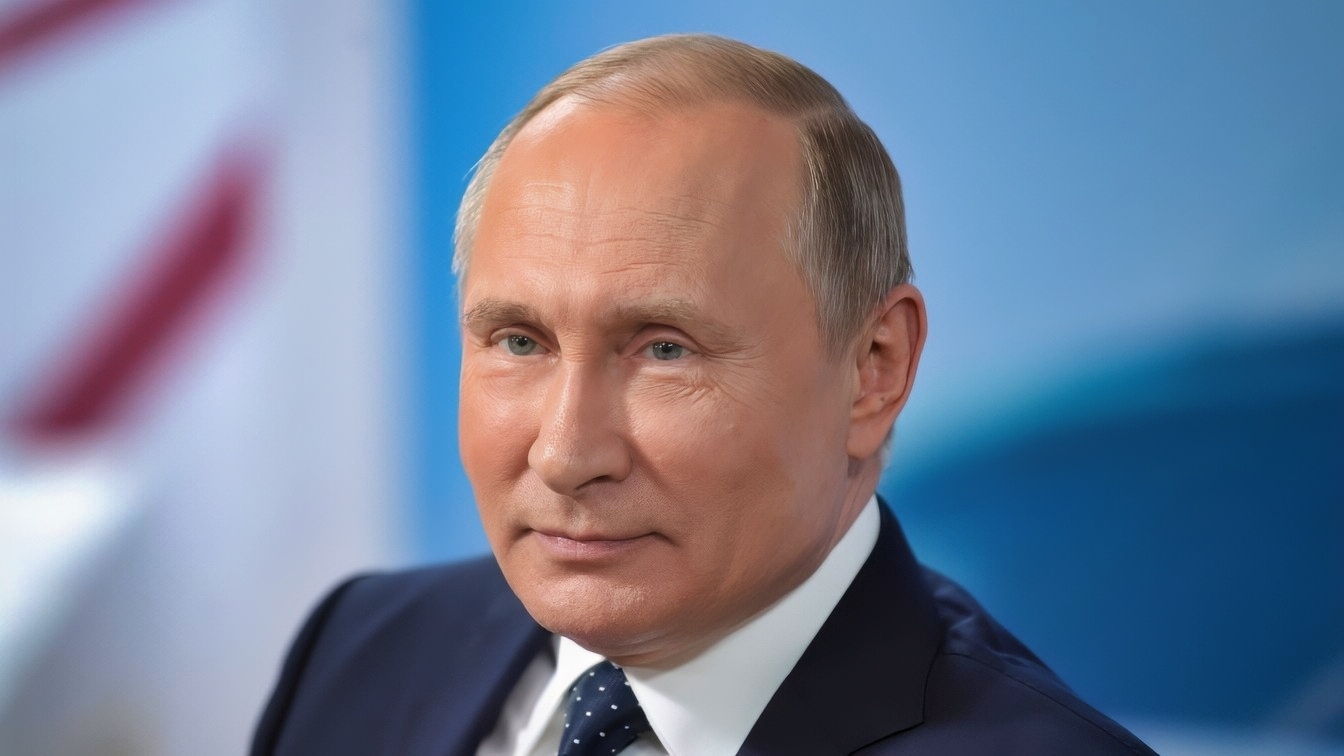
Russian President Vladimir Putin says there is a chance of ending the war in Ukraine, despite continuing to ramp up attacks.
Addressing the Eastern Economic Forum in Vladivostok on Thursday, Putin said the United States, China, and others were now open to supporting a deal.
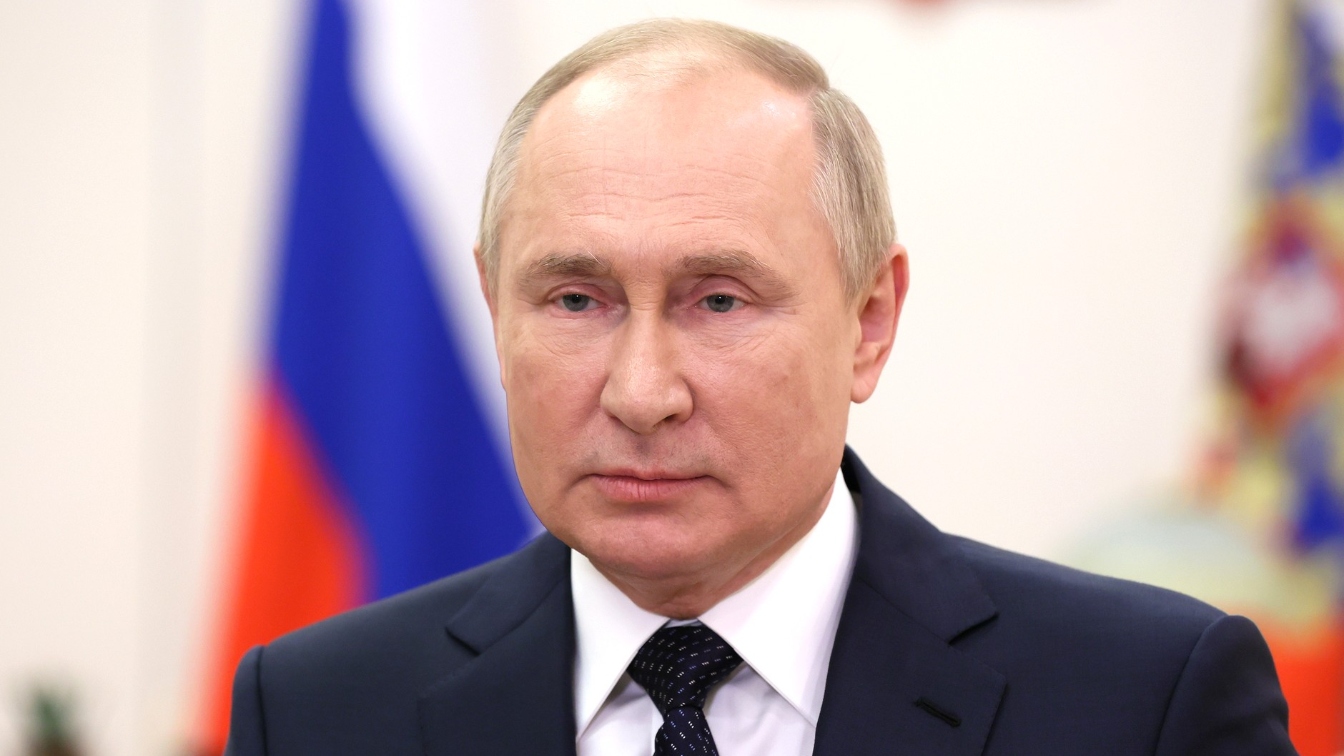
Putin in 2021 Creative Commons Image
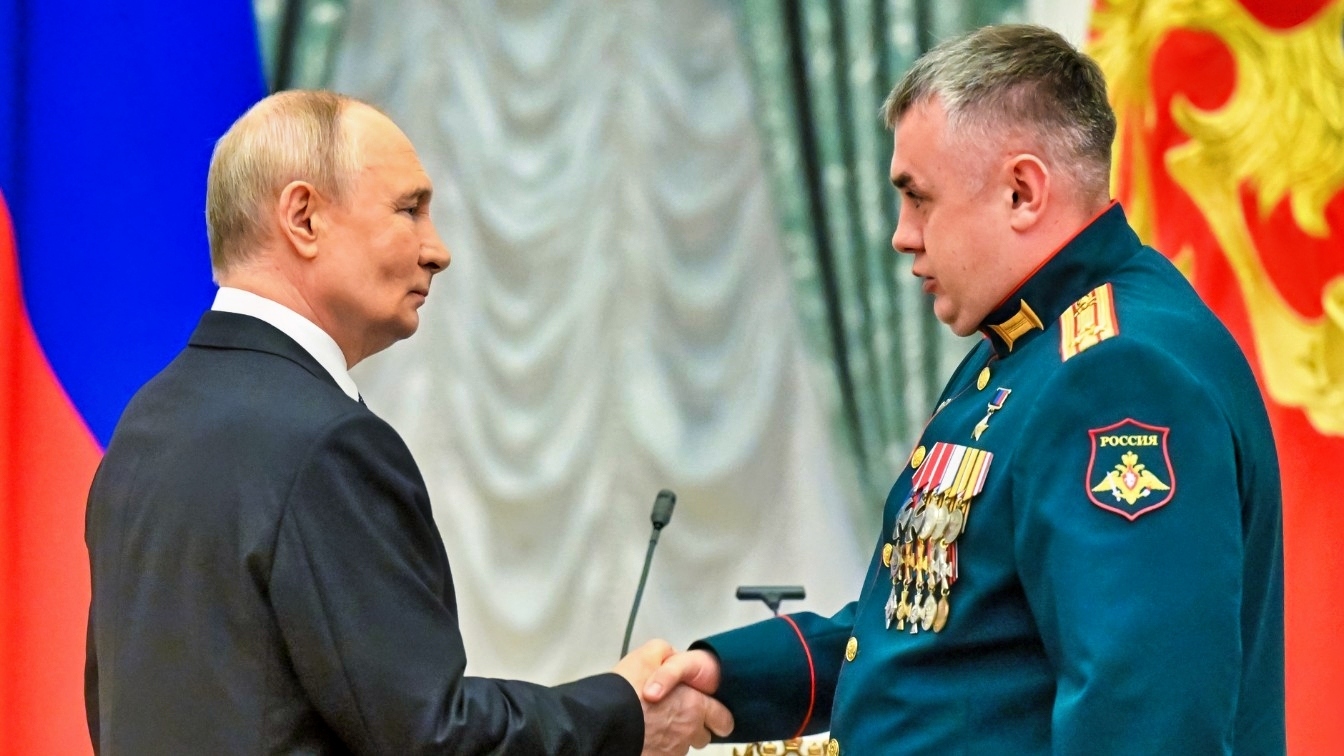
Putin and Russian Military Creative Commons Image
However, he stressed that the decision ultimately rested with Moscow and Kyiv.
“Is there a chance? In my view, yes, there is,” Putin said.
Ukraine’s Foreign Minister Andrii Sybiha said on Thursday that he thought a “new dynamic” in diplomacy had now arisen.
Since the countries last held talks in February, mediated by the U.S., Russia and Ukraine both widened long-range strikes deep into each other’s territory, while attacks on ports and commercial shipping have increased.
Chicago wheat futures plummeted over 2% following Putin’s comments.
Putin accused Ukraine of targeting civilian merchant vessels on Wednesday.
The Russian leader said that such actions amounted to “acts of state terrorism” that put prospects of any peace plans in danger.
Zelenskyy’s Major Warning to Airlines
Just this week, Ukrainian President Volodymyr Zelenskyy told commercial airlines and insurers that Kyiv’s drones were making Russian airspace unsafe.
He stressed that Ukraine only targeted Russian military sites, not civilian ones, stating: “Ukraine does not threaten civilian aviation as such — not a single civilian aircraft.”
Kyiv has also asked the United Nations International Civil Aviation Organization to urge its members to stop operating in Russian airspace.
Putin claimed contacts with Kyiv had not stopped and were continuing “primarily through intelligence channels.” But when asked Wednesday whether Moscow could strike British military-industrial facilities because of the U.K.’s support for Ukraine, Putin replied: “That’s a secret. A military secret.”
BBC Russia editor Steve Rosenberg described the response as psychological pressure designed to keep Britain “guessing – and stressing” about Moscow’s intentions. Putin also compared Western countries to sharks and warned that anyone trying to “gobble us up” could get “punched in the teeth.”
European governments are increasingly accusing Russia of conducting hybrid operations below the threshold of conventional war.
Such attacks, which are not usually perceived to amount to full-on declarations of war with their corresponding consequences, have long been a feature of the Kremlin’s playbook.
Germany blamed Russia for an attempted drone attack on Leipzig/Halle Airport last month. Meanwhile, on Thursday, the U.K. summoned Russia’s chargé d’affaires over the episode.
The U.K. government described the alleged attack as “egregious and reckless” and part of a wider Russian bid to endanger Europe.
The ‘Gray Zone’
While Moscow has not specified exactly what course of action it could be considering, it is already involved in extensive “gray zone” warfare against NATO members including the United Kingdom.
“Hostile states have recognized that cyberattacks, influence operations and economic disruption can achieve strategic objectives without crossing the threshold into open conflict,” Craig Watt, senior threat intelligence specialist at Quorum Cyber, recently told the UK radio station LBC.
A recent Independent analysis found that conventional Russian missile strikes would be less of a danger, but the targeting of infrastructure, communications, logistics or energy networks was more likely.
The piece cited data from the International Institute for Strategic Studies evidencing how Russian hybrid attacks on European infrastructure had increased to roughly 30 to 35 occurrences annually.
Several other unconfirmed incidents also remain under investigation by various authorities.
The article also pointed to instances throughout Europe where Russian intelligence agencies or affiliated organizations allegedly used social media to hire local proxies and criminals to carry out sabotage and arson attacks.
The British Labor MP Diane Abbott caused uproar after writing on X that an imminent Russian threat was “a Nato fiction” being used to justify higher military spending. Home Office minister Anna Turley rejected the claim, telling LBC: “I completely disagree with Diane Abbott, I’m afraid. I think she’s wrong on this.”
Russia May Ramp Up Sabotage
According to reporting from The Economist, Western intelligence services believe Moscow could widen its sabotage attacks on European facilities linked to support for Ukraine, although they do not currently expect open war to break out between Russia and NATO.
Former British national security adviser Lord Ricketts told The Sunday Times that “we’re in a very dangerous situation” as Western governments try to deter further Russian escalation.
About The Author Georgia Gilholy
Georgia Gilholy is a journalist based in the United Kingdom who has been published in Newsweek, The Times of Israel, and the Spectator. Gilholy writes about international politics, culture, and education.


