


Qatari mediators have returned to Tehran as part of a diplomatic mission to help the United States and Iran reach a deal to end their nine-month war, Reuters reported on Friday.
The source, “an official briefed on the talks,” also said the United States coordinated the talks.
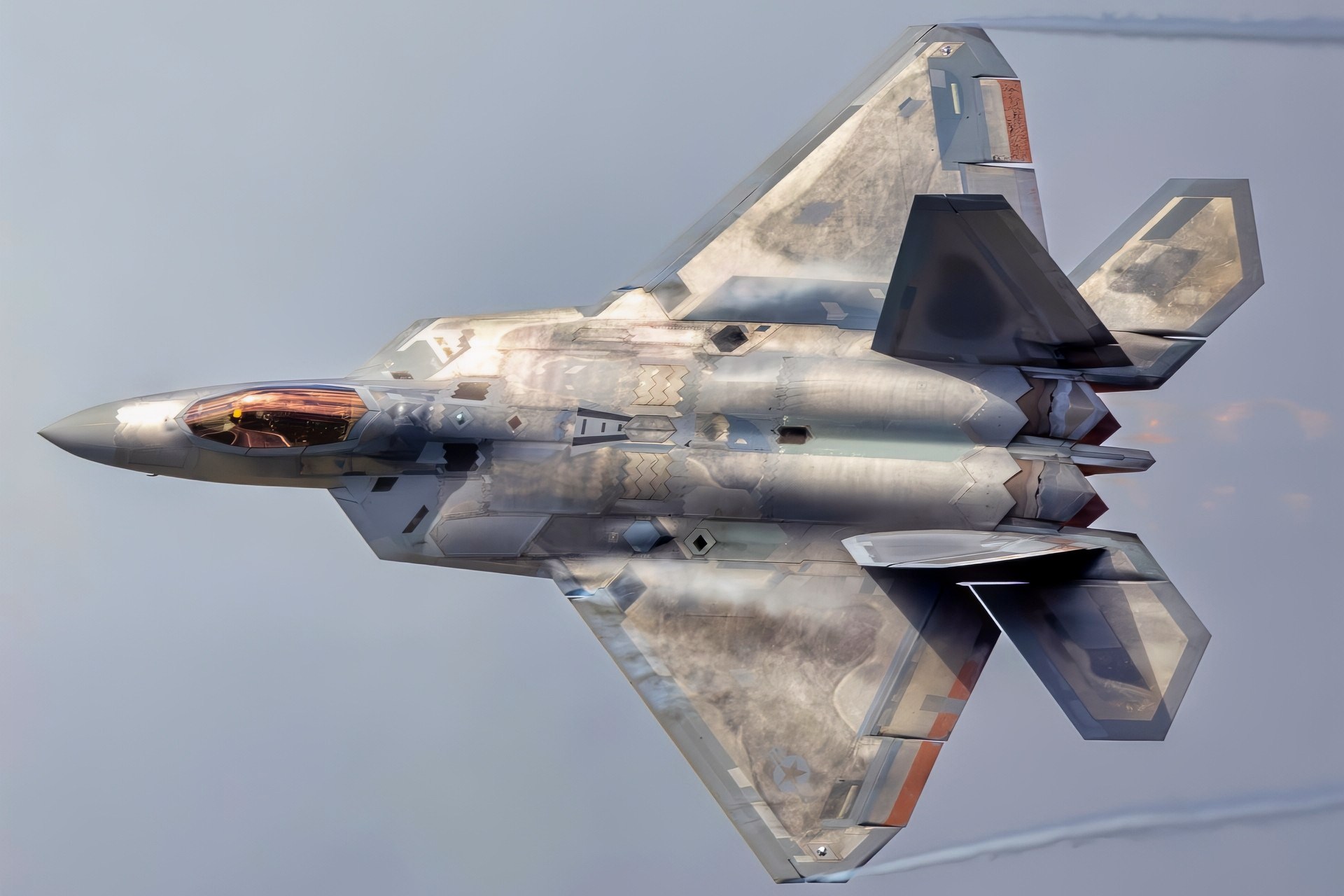
An F-22 Raptor performs an aerial demonstration at Naval Air Station Oceana, Virginia, Sept. 21, 2025. Designed for both air superiority and ground attack missions, the F-22 demonstrates the flexibility and power of fifth-generation fighter technology. (U.S. Air Force photo by Staff Sgt. Lauren Cobin)
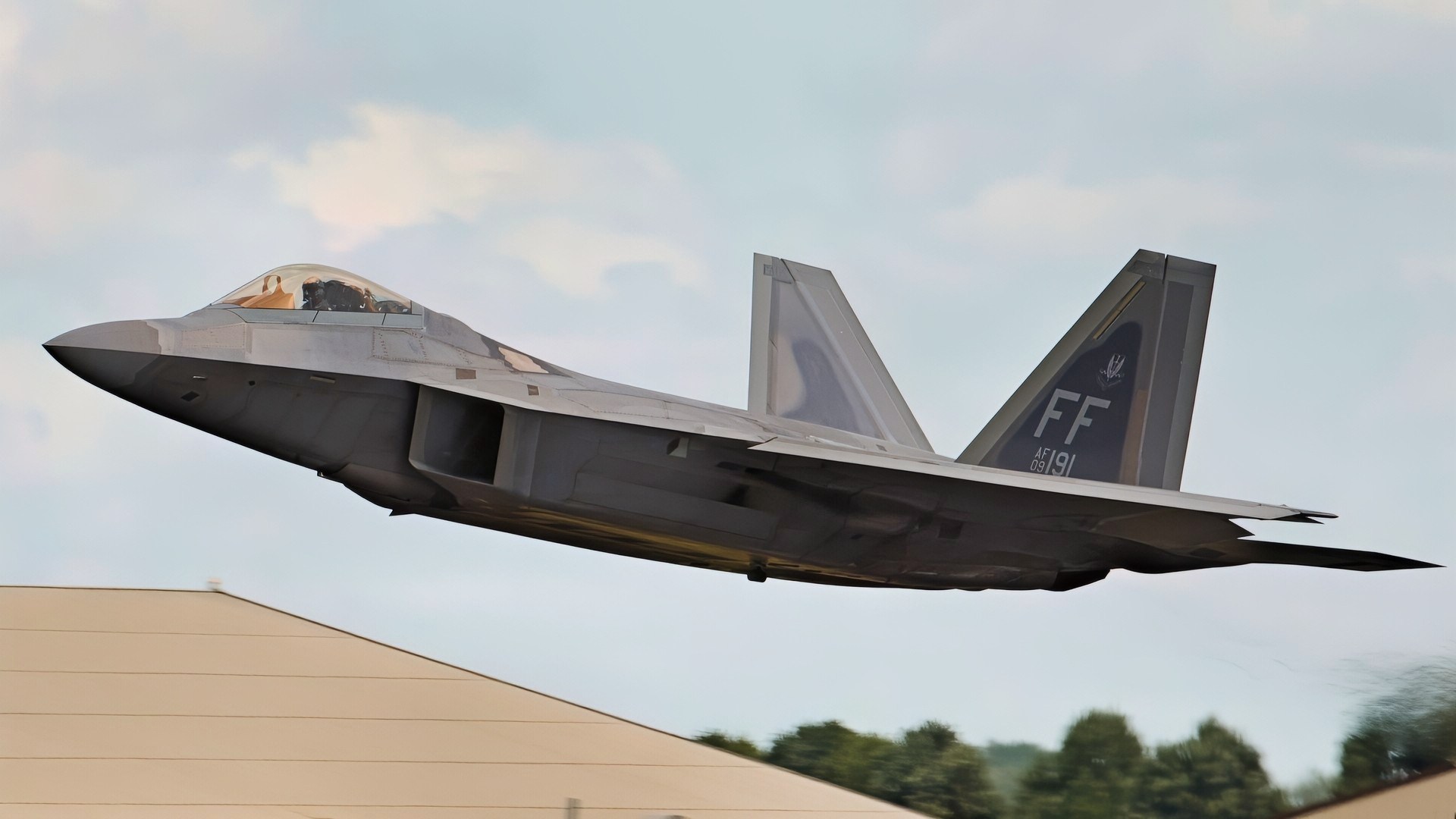
F-22 Raptor Fighter Stealth
The arrival came after the mediators presented Iran with a peace plan on Sunday, plans that Iran later dismissed as “unacceptable.”
Also this week, President Donald Trump said that Vice President JD Vance had reached out to Iran to offer medical supplies. The Wall Street Journal earlier reported that Vance wrote to Iranian official Mohsen Rezaei, in a bid to revive peace talks, proposing a “framework” for such talks.
The Times of Israel reported that the Trump Administration sees Rezaei, the head of Iran’s National Security Council, as “the best-placed official to head off renewed fighting.”
Trump, in an interview with Kansas City radio station KCMO this week, said that the war with Iran is “going to get wrapped up soon,” although he wasn’t clear if that meant by peaceful means, or with a military strike that would end the war quickly.
“We need a guarantee there’ll never be a nuclear weapon,” Trump added in the Kansas City interview. Trump’s ambiguity, which follows his repeated promises to “finish the job” in Iran, is likely intentional. At a rally last week, Trump also said, “we may do another little Epic Fury,” referring to the war’s official name. “Or they’ll agree.”
Does this mean the war is any closer to an actual end? That’s far from clear.
A Big Gulf
According to Reuters, the U.S. and Iran disagree on the crucial question of Iran’s nuclear program.
Washington, the report said, “wants nuclear issues included from the start of negotiations,” while Tehran wants concessions from the U.S. first, including lifting sanctions and lifting its port blockade of the Strait of Hormuz.
Iranian Foreign Minister Abbas Araghchi also spoke of both military readiness and hope for renewed talks.
“While our Brave Armed Forces are fully prepared to defend the Homeland, Iran continues to give diplomacy a chance to succeed,” the foreign minister said in a social media post this week. He added that Iran remains in “close and ongoing contact with intermediaries to review ideas” that will lead to implementing its peace offer.
Numerous news reports have stated in recent days that the Trump Administration and Pentagon are preparing to attack Iran again after the midterm elections on Tuesday, after the president promised weeks ago not to attack again until after the vote. The idea is to strike a decisive blow and end the war.
An Attack Threat
The Wall Street Journal reported earlier this week that the United States has warned Gulf Arab countries to be ready for “a short, intense military campaign after the U.S. midterm elections,” and implicitly for the retaliation against them that could follow. CNN published more on plans for major strikes after the midterm elections, should Trump follow through.
The Journal sees these warnings as an indication that the U.S. is preparing “a new round of heavy combat operations against Iran,” one aimed at getting the Iranians to come back to the table. It’s also possible, however, that the talk of renewed attacks is a bluff to get Iran back to serious peace talks before any such attack takes place.
The newspaper reported that the U.S. has moved a Patriot system to Israel from Texas, while forces in the region have been restocking munitions during the weeks that the war has been paused. That’s in addition to the carrier groups that are currently in the Middle East.
One former Israeli military intelligence official, Danny Citrinowicz, told the Journal that he’s skeptical of the current strategy by the U.S. and Israel.
“One of the biggest mistakes Israel and the United States continue to make is assuming that another round of strikes against Iran, including attacks on critical infrastructure or the elimination of senior officials, could somehow bring down the regime,” Citrinowicz told the newspaper.
About the Author: Stephen Silver
Stephen Silver is an award-winning journalist, essayist, and film critic, and contributor to the Philadelphia Inquirer, the Jewish Telegraphic Agency, Broad Street Review, and Splice Today. The co-founder of the Philadelphia Film Critics Circle, Stephen lives in suburban Philadelphia with his wife and two sons. For over a decade, Stephen has written thousands of articles on politics, national security, technology, and the economy. Follow him on X (formerly Twitter) at @StephenSilver, and subscribe to his Substack newsletter.


