

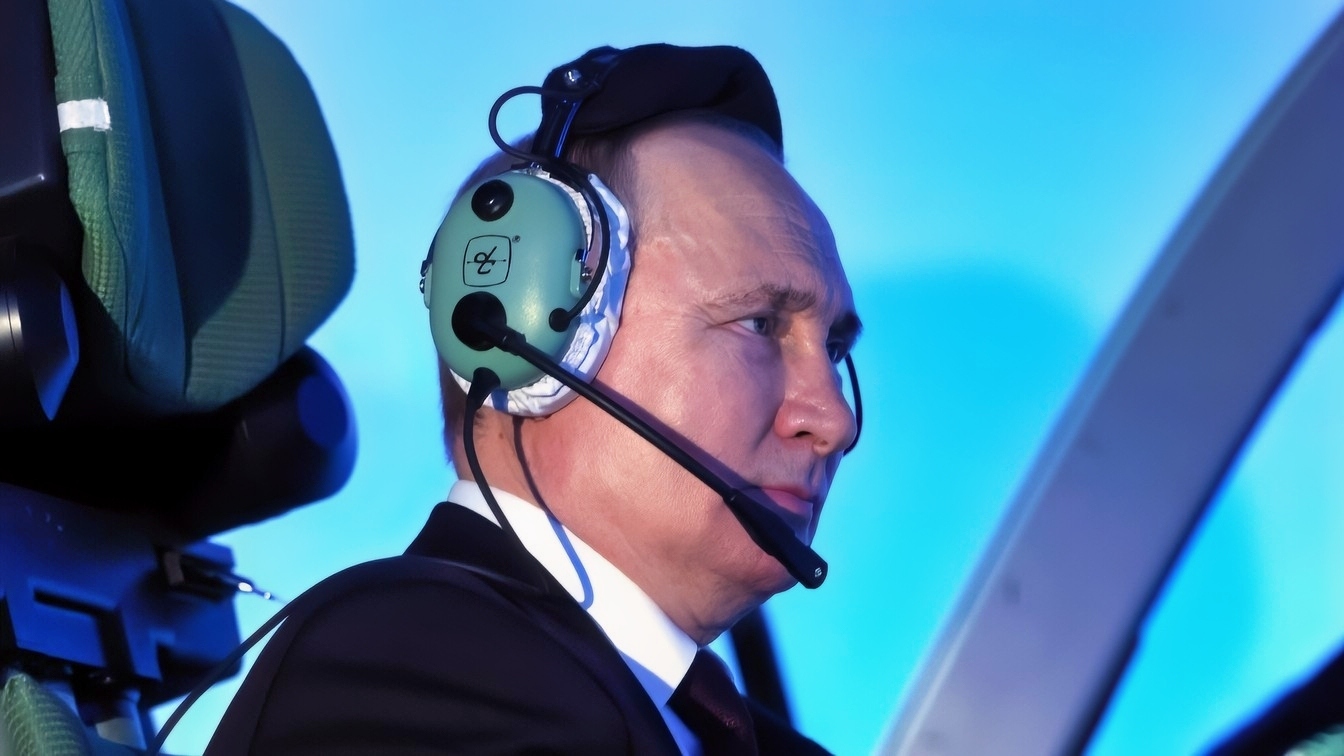
More than 700,000 Russian troops may have died in the war with Ukraine since President Vladimir Putin ordered a full-scale invasion in February 2022, according to a study of secret Russian government data released on Monday, November 23.
Estimates for the most recent 12 months remain particularly uncertain.
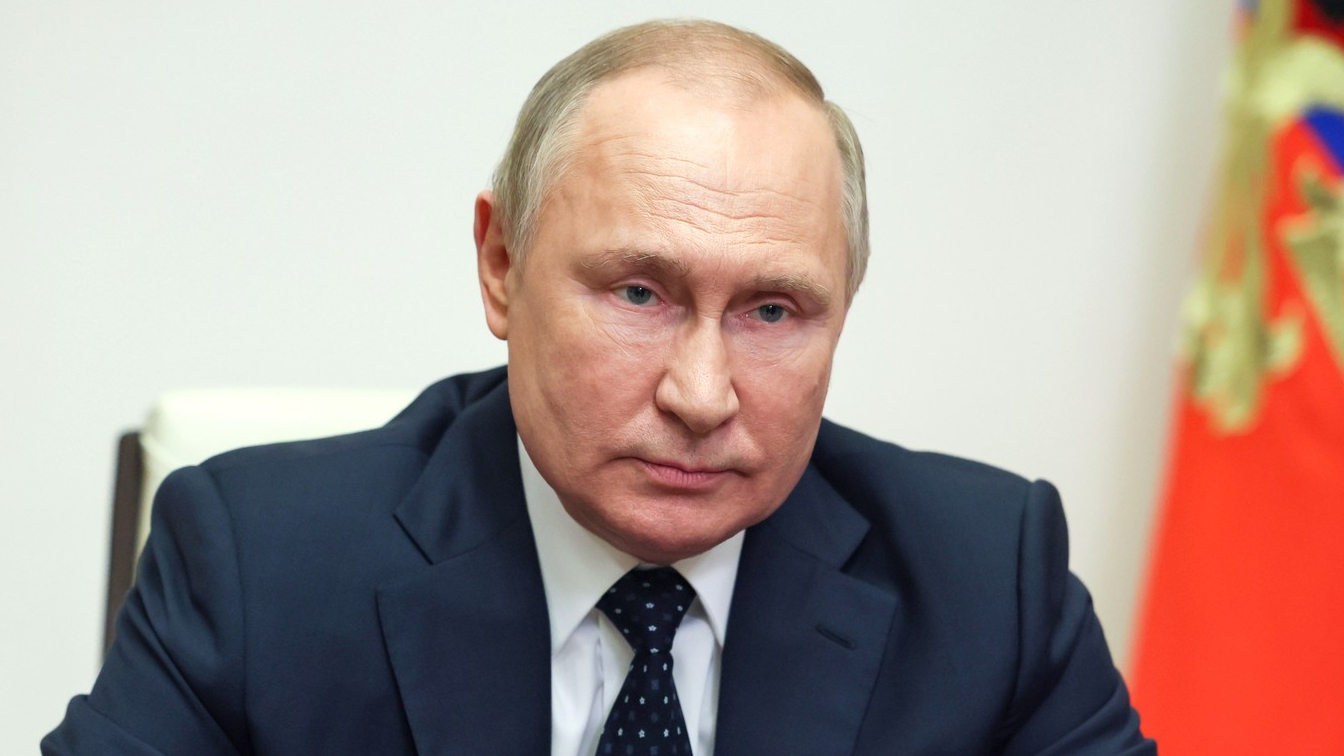
Putin Back in 2022 Russian Government Photo
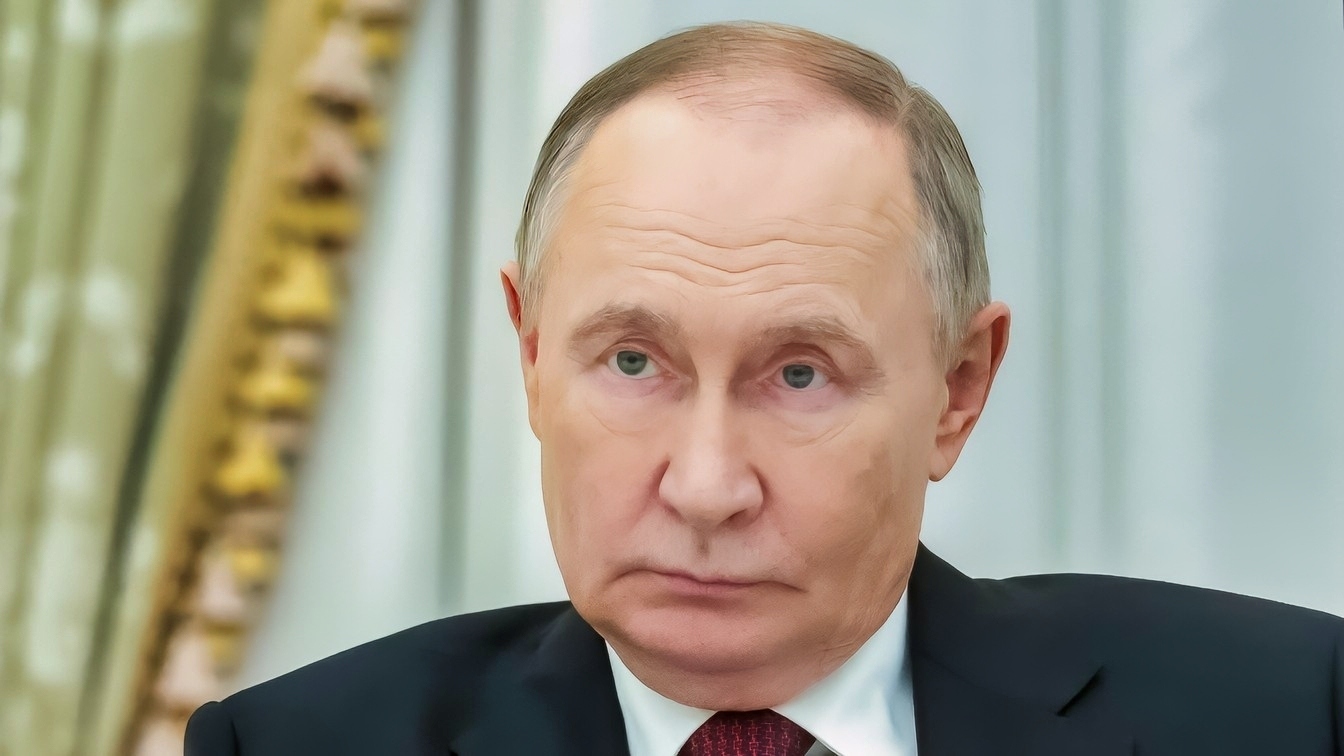
Putin in 2025 Russian Government Photo
The Belarusian hacker group Cyber Partisans and the Ukrainian hacker group Silent Crow had accessed Rosstat – Russia’s Federal State Statistics Service – and provided data showing that at least 490,000 military deaths had been officially registered by late September 2026, according to independent Russian media outlets Meduza and Mediazona.
Allowing for the time lag in official death notifications and for unaccounted-for troops believed to be dead, researchers working with Meduza and Mediazona have said this could actually represent over 720,000 deaths.
This suggests that earlier assessments of the extent of Russian troop deaths have underestimated fatality figures.
Hackers Reveal Russian Troop Deaths
On November 1, Belarusian Cyber Partisans and the Silent Crow group said they had hacked into Rosstat. Journalists then gained access to data on November 8.
They provided further data on November 15.
As well as details of people’s deaths, this data enabled academics to analyze statistics and compare them with other sources of information on Russian troop deaths.
“We are confident that this data is genuine,” Mediazona said in its report on Monday.
Academics analyzed the leaked information alongside Russia’s national Probate Registry, court decisions, published statistics on deaths, and a list of known deceased troops, which was compiled jointly by Mediazona, BBC Russia, and volunteers.
They found that their prior assessment of the number of unaccounted-for troops had significantly undercounted the missing.
But The New York Times, which covered the story on Monday, noted that it had neither independently checked the authenticity of the leaked information nor the accuracy of the analysis.
Why So Many Deaths Not Registered?
There is often a lengthy period between a Russian soldier’s death and the issuance of an official death certificate.
For the armed forces, this period is “measured in weeks and months,” Mediazona’s November investigation stated on Monday.
Researchers used techniques comparable to those used by insurance firms to assess what they considered the likely extent of unreported deaths.
“For now, this is the best estimate we can make from current data,” Meduza’s researchers wrote in their November 23 analysis.
It now estimates that some 530,000 Russian troops had died by the end of 2025 – up from its previous estimate of 350,000.
Another study carried out by the New Eurasian Strategies Center and also published on Monday put the number of officially recognized Russian troop deaths, including non-Russians, at between 521,000 and 537,000.
“It is a lower bound,” the researchers added, noting that the estimate excluded deaths not yet officially recorded.
Western Intelligence Echo High Death Toll Claims
The Associated Press quoted Anne Keast-Butler, director of Britain’s Government Communications Headquarters (GCHQ), as saying on May 27 during a speech at Bletchley Park in England that new intelligence indicated that “almost half a million Russian soldiers” had been killed.
She said that Russian troops were “going backward on the battlefield.”
Col. Joby Rimmer, senior military advisor at the UK delegation to the OSCE, mentioned the intelligence in a speech to the Organization for Security and Cooperation in Europe on June 3.
Furthermore, a study conducted in July by the Washington-based Center for Strategic and International Studies (CSIS) said that through June, Russia had incurred an overall casualty figure of around 1.4 million, including between 400,000 and 450,000 fatalities.
It described Russia as having a “grim and unparalleled recent historical record,” citing factors such as “poor tactics and training, corruption, and low morale.”
Putin Faces Labor Shortage
Despite the huge numbers of troops that Russia has lost, the country is still enlisting hundreds of thousands of men, offering them money to do so.
Michael Kofman, a senior fellow at the Carnegie Endowment for International Peace, told The New York Times in its Monday report that Moscow was still on target to enlist around 409,000 troops in 2026.
But he cautioned that unless Russia changed how it deploys troops, there would be “diminishing returns, with no prospect for improvement.”
According to a report by Radio Free Europe/Radio Liberty on Monday, however, financial incentives for military recruitment seem to have lost some effectiveness this year, according to research by Janis Kluge, an economist at the German Institute for International and Security Affairs.
The effects of the war on Russia’s demographics are also starting to show.
“The authorities made concerted efforts to conceal the demographic reality of the war,” the New Eurasian Strategies Center stated in its report on November 23.
It said that Russian male life expectancy had dropped to 65.3 years in 2025.
About the Author: Georgia Gilholy
Georgia Gilholy is a journalist based in the United Kingdom who has been published in Newsweek, The Times of Israel, and the Spectator. Gilholy writes about international politics, culture, and education.


