

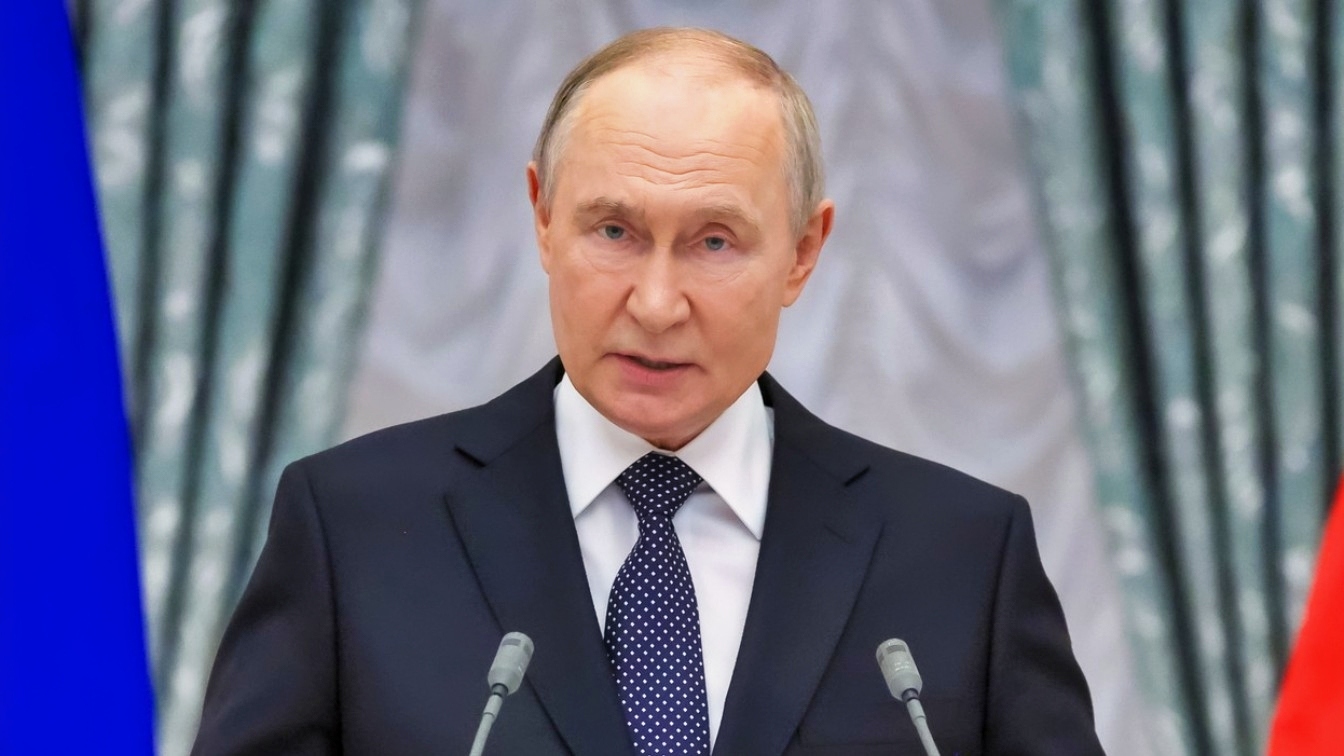
Russian President Vladimir Putin could be preparing to mobilize an additional 500,000 troops, according to comments from Ukrainian President Volodymyr Zelensky.
Zelensky’s comments were given during an interview with Sky News, a British broadcaster. The Ukrainian president cited a range, explaining that the latest round of Russian mobilization would number somewhere between 300,000 and 500,000, citing Ukrainian intelligence reports. “Putin is not ready to stop this war. Our intelligence reports that he is preparing for mobilization,” the president said.
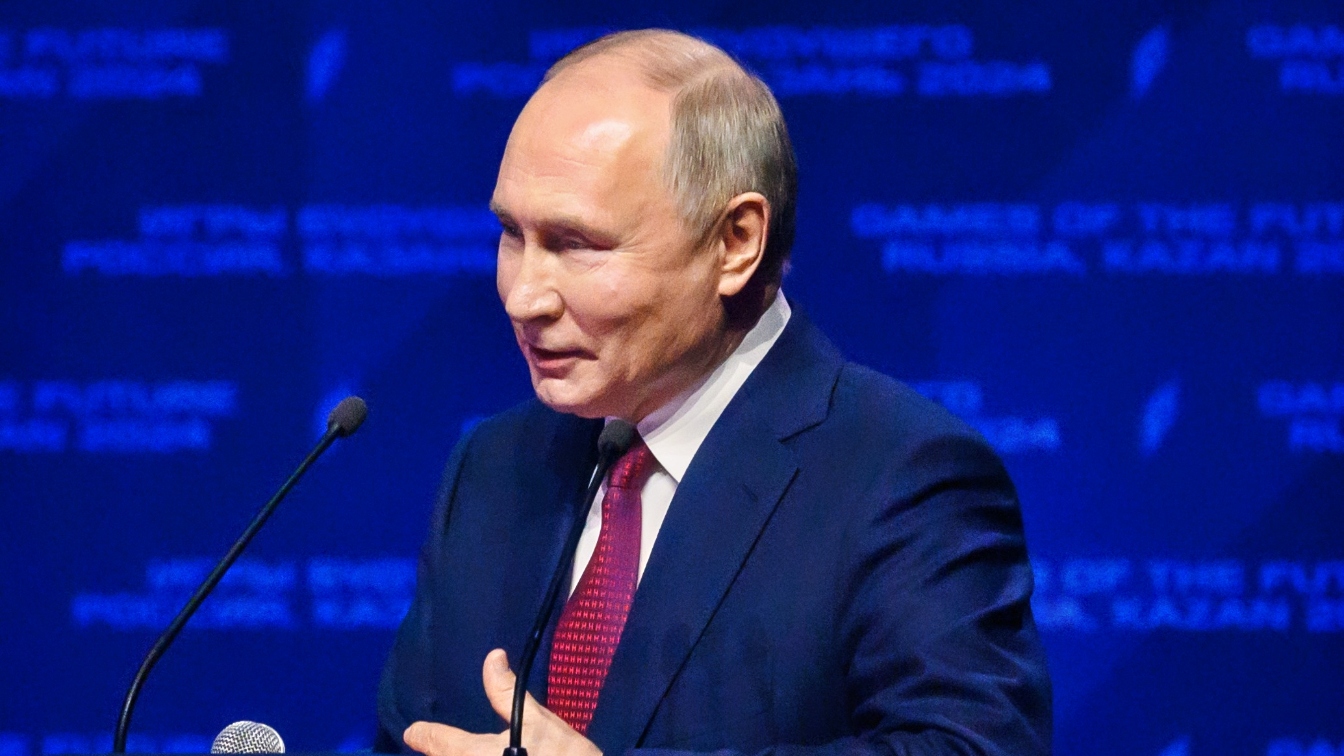
Putin Speaking Russian Federation Photo
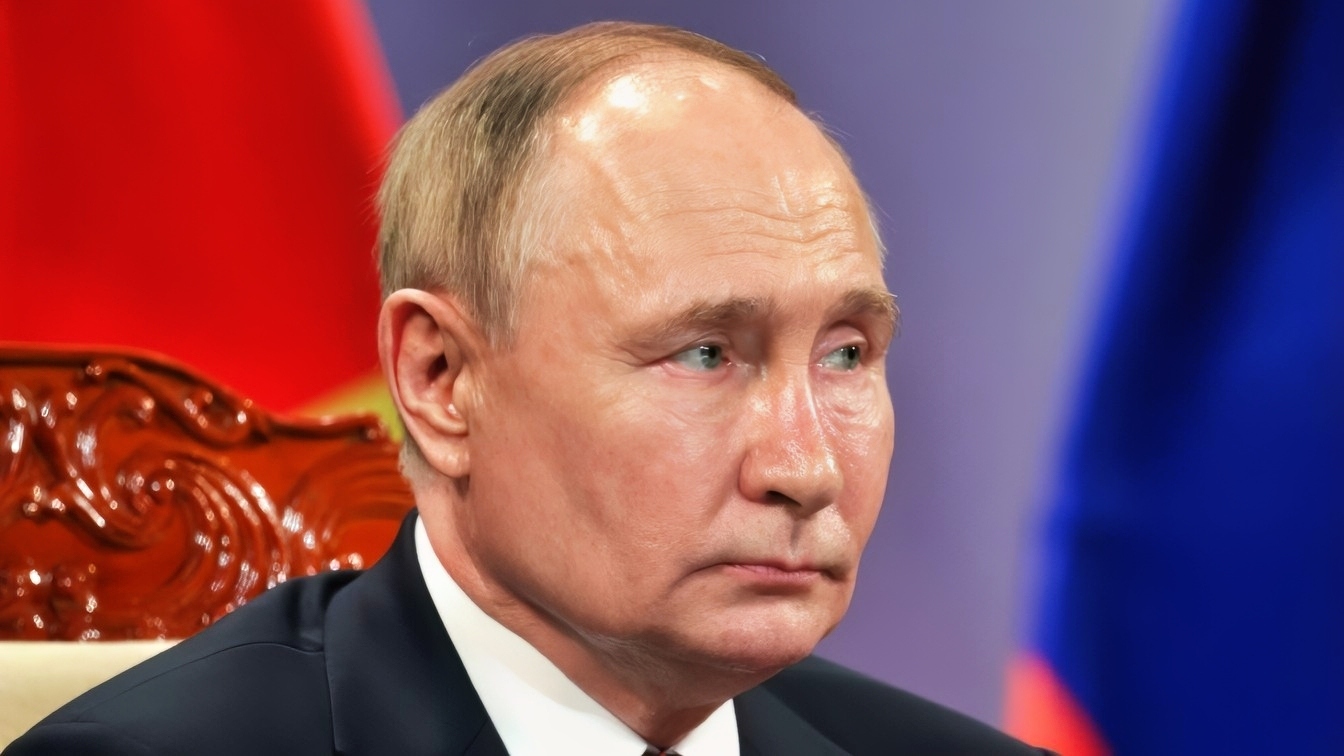
Putin in Hanoi 2024 Image by Russian Government
Russia is slated to hold elections to the Duma, the Russian parliament, at the end of September. Zelensky and Ukrainian intelligence believe Putin will wait until after the election results are announced to announce the latest round of mobilization. “He wants to strengthen mobilization, not openly, because he is afraid of his society, but he will do it at the beginning of October,” President Zelensky explained.
And while a large portion of the Russian population supports both President Putin as well as the full-scale invasion of Ukraine he launched in February 2022, many Russians are thought to be unsupportive of an additional mobilization, in part because of the steep looses Russia has suffered during the war in Ukraine — the bloodiest conflict endured by Moscow’s forces since the Second World War came to an end over eighty years ago.
During that conflict, Soviet losses exceeded 20 million. And while the Kremlin’s losses in Ukraine pale in comparison to those of the Second World War, they are nonetheless sobering. According to one report, a collection of figures compiled by the Center for Strategic and International Studies, a think tank, Russian losses in Ukraine have numbered 1.4 million battlefield casualties, and up to 450,000 dead since 2022.
Mounting Casualties, but No Change in Tactics Anticipated
Russia’s battlefield tactics in Ukraine have been incredibly steep, albeit not wholly ineffective in taking and holding incremental pieces of Ukrainian territory. Leveraging enormous sign-up bonuses that, in some instances, amount to nearly a decade of average pay in Russia, a generous debt forgiveness relief program for veterans, as well as preferential treatment for university opportunities and employment applications.
Russia has managed to keep its ranks swelled thanks to these measures, as well as a wide-ranging recruitment campaign that has included foreign fighters, some of whom arrived in Russia under other employment pretexts but found themselves thrown into the fight in Ukraine with little practical combat training. Russian prisons have also been plumbed for men, with convicts allowed to have their sentences erased upon the completion of duty.
During his interview with Sky News, President Zelensky affirmed that his country believes Russia will maintain its strategy, despite the steep cost in human life. “He [President Putin] will throw poorly trained and mostly untrained people onto the battlefield,” Zelensky said. “This will mean heavy losses. But it is his choice whether to do this or not.”
Keeping Up the Pressure
Zelensky urged Ukraine’s Western partners to maintain their pressure on Russia in hopes of advancing the conclusion of the ongoing war. While Kyiv’s forces are maintaining their pressure against Russia on the battlefields of Ukraine, the war’s scope has, over the spring and summer, greatly expanded and now includes widespread Ukrainian strikes within Russia proper.
It is all part of what Ukrainian President Volodymyr Zelensky has dubbed his country’s “long-range sanctions” regime against Russia — aimed squarely at the Kremlin’s coffers and the ability of the Russian state to finance its incredibly costly war in Ukraine. That sanctions regime has been prosecuted entirely by Ukraine, though presumably with the tacit approval of Washington and at least some NATO partners.
The core of that Ukrainian-prosecuted sanctions regime has been widespread attacks on Russian oil and gas infrastructure around Russia. Some of Russia’s largest oil refineries have been knocked out, sometimes multiple times, forcing a broad reassessment of Russia’s energy position.
Though one of the world’s leading oil and gas exporters, Russian authorities have taken the extraordinary step of temporarily banning the export of diesel, a move aimed at prioritizing domestic demand, particularly high during the warm summer months and the summer holiday season. In addition, Russia has relaxed environmental standards for fuel to simplify and speed up refining, though this raises questions about health and safety.
The War in Ukraine has Come Home
There is little doubt that the upcoming Russian elections in September will pose a major challenge to President Putin’s iron grip on the country. But with Russia in the throes of the worst fuel disruption since the chaos of the early 1990s, in the aftermath of the collapse of the Soviet Union, the heat is on to find a quick solution to the domestic fuel crisis — and the war in Ukraine.
The Russian president may move forward with mobilization “if we do not create problems for him with logistics, weapons, gasoline and diesel, and if our partners do not impose total sanctions for his aggression,” President Zelensky explained. For now, there is no end in sight to the Ukrainian long-range sanctions campaign.
About the Author: Caleb Larson
Caleb Larson is an American multiformat journalist based in Berlin, Germany. His work covers the intersection of conflict and society, focusing on American foreign policy and European security. He has reported from Germany, Russia, and the United States. Most recently, he covered the war in Ukraine, reporting extensively on the war’s shifting battle lines from Donbas and writing on the war’s civilian and humanitarian toll. Previously, he worked as a Defense Reporter for POLITICO Europe. You can follow his latest work on X.


