


Recently, Ukraine has expanded its long-range drone campaign to the sea. The Sea of Azov, which is a vital trade hub for Russian maritime transport, has come under attack by Ukrainian drones, hoping to disrupt traffic in the waterway.
The Sea was previously out of reach for Kyiv, but recent advances in mid-to-long-range strike capabilities have allowed it to reach the waterway with ease. Over the last couple of weeks, Ukraine has managed to hit 116 targets, the vast majority of which are tankers, some of which Kyiv claims are part of Russia’s ‘shadow fleet.’ These attacks threaten to have serious consequences for Moscow, which is still reeling from the ongoing oil shortage caused by Ukrainian drone attacks.
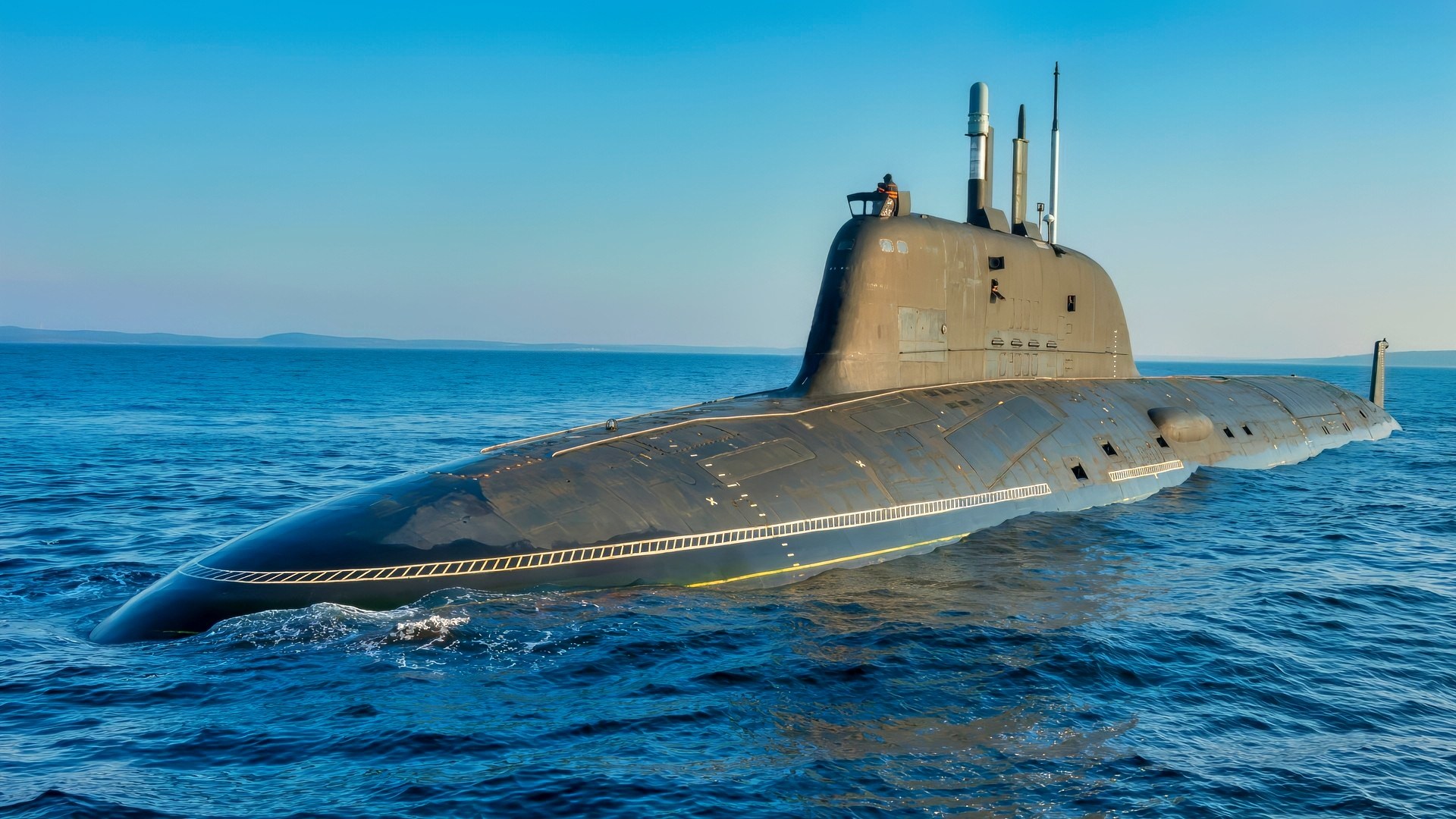
Yasen-Class Submarine. Image Credit: Russian Navy.
The Importance of the Sea of Azov
Less than two weeks ago, Ukraine expanded its drone campaign against targets in the Sea of Azov. Previously, such strikes were limited to ships Ukraine claimed were part of Russia’s shadow fleet, which were claimed to have been bypassing sanctions and were transporting Russian oil.
Now Ukraine seems to be indiscriminately targeting any vessel operating in the Sea of Azov, whether it is military or a civilian cargo ship.
In just nine days, Ukraine managed to strike around 116 ships in the area, though not all claims have been verified.
These attacks have revealed a substantial gap in Russia’s defenses, and Ukraine is exploiting it to the fullest.
As a result, the Russians have been forced to suspend traffic through the Azov Sea by shutting down the Don-Azov Channel, which connects the Sea to the inland waterways, and the Kerch Strait, which links it to the Black Sea.
The Sea of Azov and the Black Sea are both vital geographical points for the Russian economy. Russia remains one of the foremost exporters of grain worldwide.
About a quarter of the country’s grain exports pass through the Sea of Azov and the Black Sea. “The Black Sea for (the) wheat market is similar to what the Persian Gulf means for the crude market,” said one market analyst. “(The) Black Sea is by far the biggest supplier of wheat to the global market,” he added, noting that prolonged closure could result in a multi-billion dollar loss for Russia.
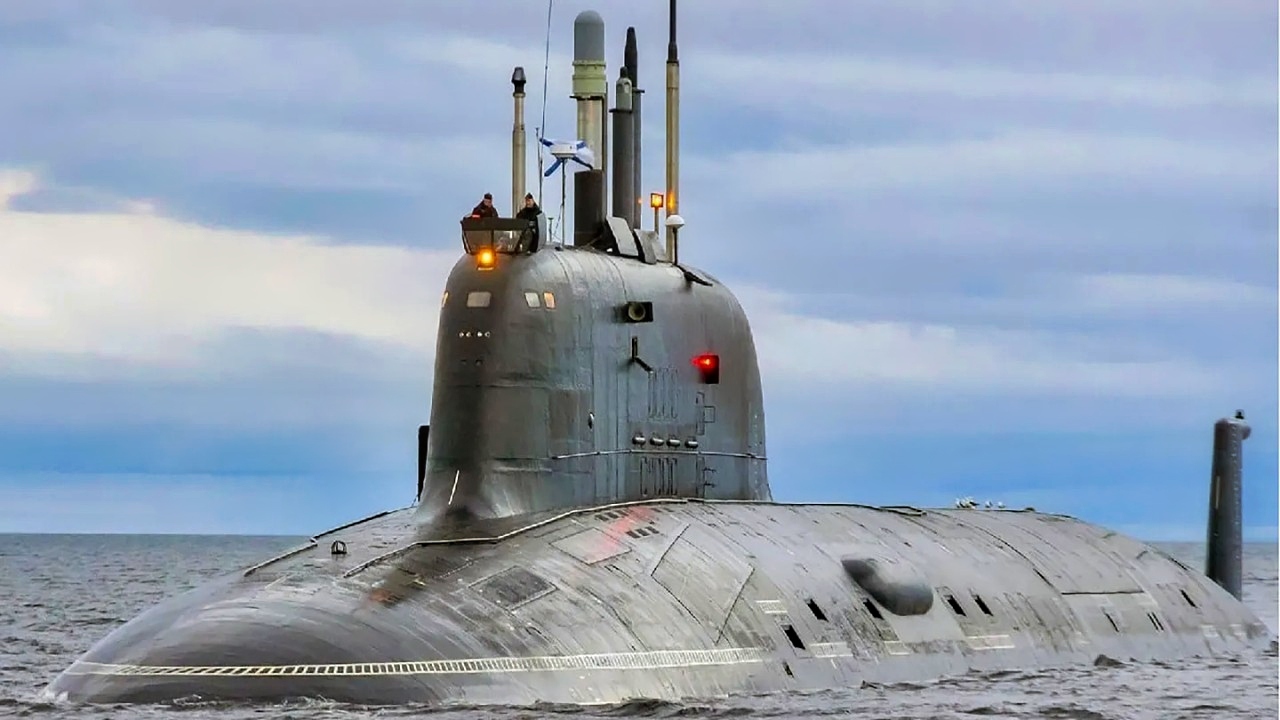
Yasen-Class Submarine from Russian Navy. Image Credit: Creative Commons.
Cutting Off Crimea
The strategic goal of Ukraine’s current operation in the Sea of Azov is to further isolate Crimea and prevent it from being restocked with military supplies.
Major Evhen Karas, the commander of the 13th Separate Regiment of Unmanned Systems of the Ukrainian Armed Forces, explained that Crimea was a vital forward operating base for the Russian Army and supplied units on the front lines in Ukraine. “We are cutting all the logistics,” Karas told CNN, saying that Ukraine’s ability to strike further at lower costs “has become a problem the Russians can’t solve.” He continued, “We’ll increase this pressure for as deep as we can reach … this is just the beginning.”
After constant strikes on targets traveling across the land bridge to Crimea, sea transit became one of the safest methods for delivering large quantities of supplies to the peninsula. Now, however, Ukraine is threatening to cut off this vital lifeline to the region.
The problem is further exacerbated by the seemingly non-existent presence of defenses in the Sea of Azov. For the past two years, the Russians have been expanding their defenses in the Black Sea after constant harassment of the Black Sea Fleet by Ukrainian drones.
It appears that the recent attacks in the Sea of Azov have caught Moscow completely by surprise, indicating either an intelligence failure or a lack of defensive systems available in the region.
Russia’s Response
Russian authorities have accused Ukraine of committing terrorism in the Sea of Azov, with Foreign Minister Sergey Lavrov stating that Ukraine’s campaign was worse than piracy. “Pirates at least rob and keep the loot for themselves.
But here, it is a case of ‘neither for themselves nor for others’ — the goal is simply to cause damage and intimidate. It is terrorism,” Lavrov said. Russian state news sites have gone into full damage control mode as officials try to reassure the public that the situation is under control. “Shipowners are working on measures to protect the fleet,” the Russian Ministry of Transportation said in an official statement. The ministry also added that the situation will not affect the domestic food market or the country’s exports.
In response to the attacks, Russia has ramped up its attacks against the coastal city of Odesa.
The Russian Armed Forces have also begun indiscriminately attacking naval vessels in the port of Odesa and have also attacked the city’s port infrastructure and sites which the Russian MoD claims are drone assembly and logistics sites.
For the past six days, Moscow has been bombarding Odesa, likely hoping to hinder Ukraine’s campaign in the Sea of Azov.
Will these attacks have any impact? That depends on what the Russians are hitting and how distributed Ukraine’s drone forces are. Nevertheless, the battle for full control over the Sea of Azov is on.
About the Author: Isaac Seitz
Isaac Seitz, a Defense Columnist, graduated from Patrick Henry College’s Strategic Intelligence and National Security program. He has also studied Russian at Middlebury Language Schools and has worked as an intelligence Analyst in the private sector.


