

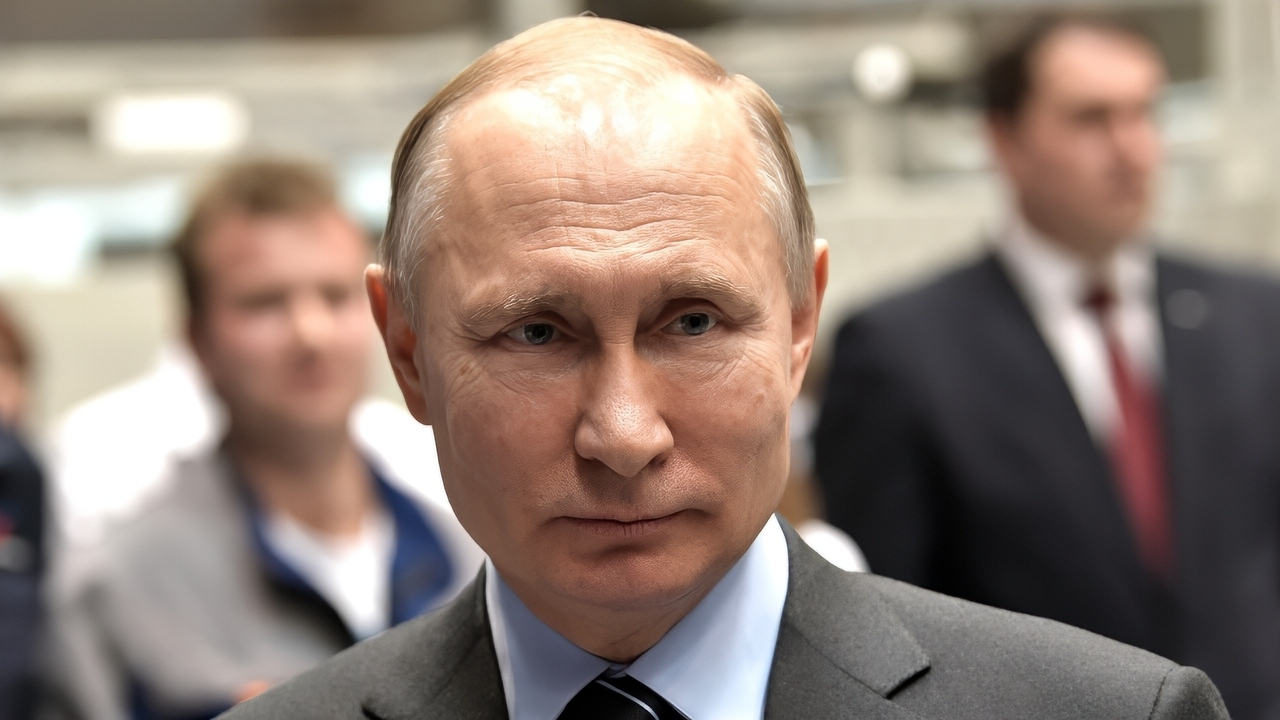
Key Points and Summary – War deaths, mass emigration, and a collapsing birth rate are converging into a historic Russian demographic shock.
-Casualties concentrated among 30–39-year-old men, plus the flight of nearly a million educated professionals, have produced labor shortages, idled industry, and shrinking family formation.
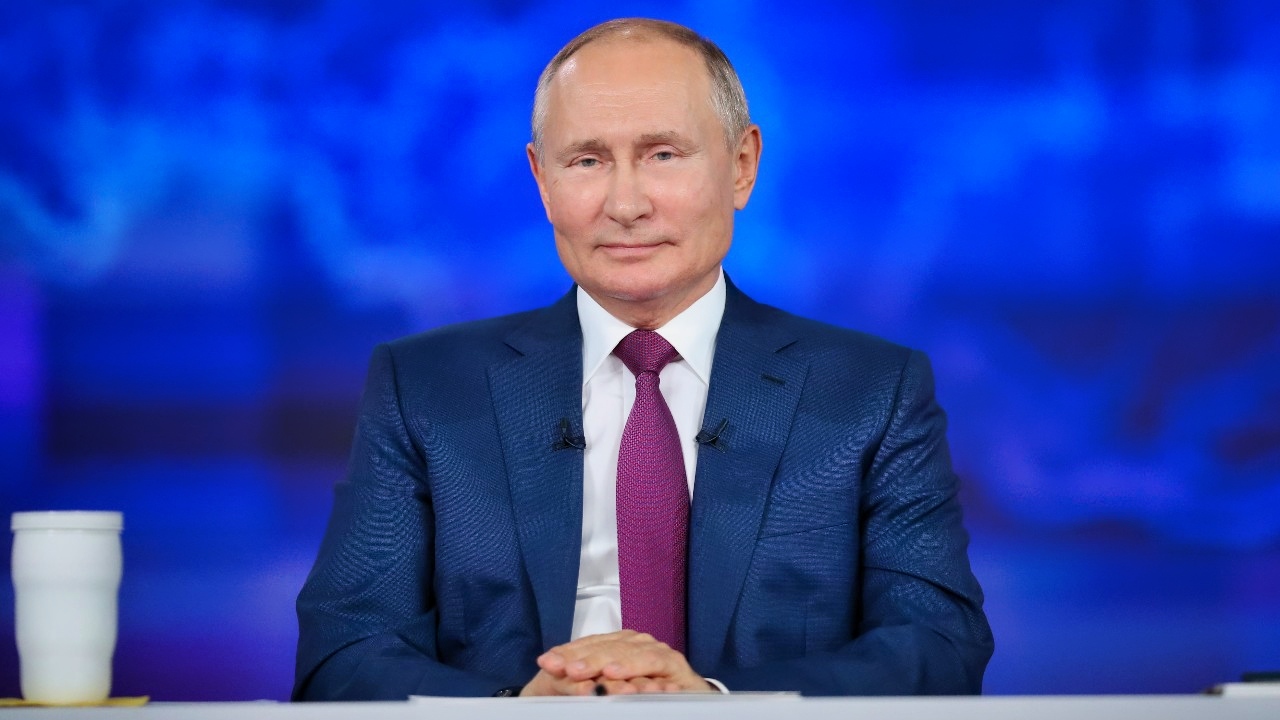
Vladimir Putin of Russia. Image Credit: Creative Commons.

Putin in May 2025. Image Credit: Russian Federation Government.
-Aging accelerates as pensions and healthcare face growing load even while defense spending soars and family support remains meager.
-With population down to ~144M and UN projections pointing toward a possible halving by 2100, the Kremlin’s bid for restored greatness is yielding the opposite: a smaller, older, poorer Russia—harder to govern, harder to finance, and strategically weaker over time.
Russia’s Population Could More than Halve by 2100
Russian demographics are in crisis, as an official government document confirms.
This week, Forbes Magazine reported that a leaked file from Russia’s Ministry of Defense evidences that Russia has suffered 219,000 to 280,000 casualties this year alone.
This marks a significant blow on top of the one million-plus total losses since the full-scale invasion was launched in February 2022.
Ukrainian sources and independent estimates from the BBC’s Russian-language branch and Meduza have verified the claims.
According to research cited by The Guardian and confirmed by Western defense ministries, Russia’s wartime deaths now outnumber the combined fatalities of all Soviet and Russian conflicts since 1945.
The demographic most affected, men aged 30 to 39, represents the backbone of Russia’s workforce and family formation.
Many military recruits are drawn in by government incentives, such as sign-on bonuses totalling $5,000, and monthly pay of some $2,500 (two times the national average).
Families of deceased soldiers can also receive compensation packages worth the equivalent of approximately $158,000.
Russia’s Big Mistake
The strategy has bolstered recruitment but hollowed out the civilian economy. Forbes reported in August that Russia’s industrial factories now operate at only 81% capacity amid widespread labour shortages. Skilled and semi-skilled workers are vanishing to the battlefield or abroad.
Indeed, the exodus of many middle class Russians may prove even more damaging than the battlefield losses. A Stanford University study found that almost one million Russians—overwhelmingly educated professionals under age 40—have already fled their home country, often to Georgia, Kazakhstan, and Europe, as well as Latin America and Asia. This hemorrhaging of human capital, combined with wartime deaths, has accelerated a population decline that was already underway before the invasion.
Russia’s birth rate has also plummeted, with the male mortality rate rising, and citizens over 65 now make up 18% of the population, a record high. The Carnegie Endowment warns that Russia’s aging population could soon overwhelm its pension and healthcare systems. The Kremlin now devotes just 1% of GDP to family support, while defense spending has soared to 7.2%.
The United Nations’ Population Fund estimates that the total Russian population has sunk from 147 million in 2021 to 144 million in October 2025. The UN even suggests that this number could more than halve to 57 million by the end of this century.
It is said that Putin’s gamble in Ukraine was meant to restore imperial glory. Instead, it may ensure a future where Russia is more elderly and poor than it was before it launched its invasion.
About the Author: Georgia Gilholy
Georgia Gilholy is a journalist based in the United Kingdom who has been published in Newsweek, The Times of Israel, and the Spectator. Gilholy writes about international politics, culture, and education. You can follow her on X: @llggeorgia.
More Military
Canada Is ‘Full Steam Ahead’ on F-35 Stealth Fighter
Why Does Turkey Have So Many Main Battle Tanks?
‘Cracked Barrels’: The U.S. Navy’s Big Railgun Failure Explained in Just 2 Sad Words
‘Had No Chance’: The Montana-Class Was the 71,000-Ton Battleship Destined to Fail
‘Captain, We Smacked It Another Submarine’: British and French Nuclear Missile Subs Collided


