

Key Points and Summary – Russia’s economy is “close to stagnation,” but still capable of funding the war in Ukraine for years, according to former Russian central bank deputy Sergey Aleksashenko.
-With GDP growth forecast to plunge from 4.3% in 2024 to just 0.9%, Moscow faces mounting deficits and borrowing—yet enough money remains to sustain the conflict for two to three years, if not longer.
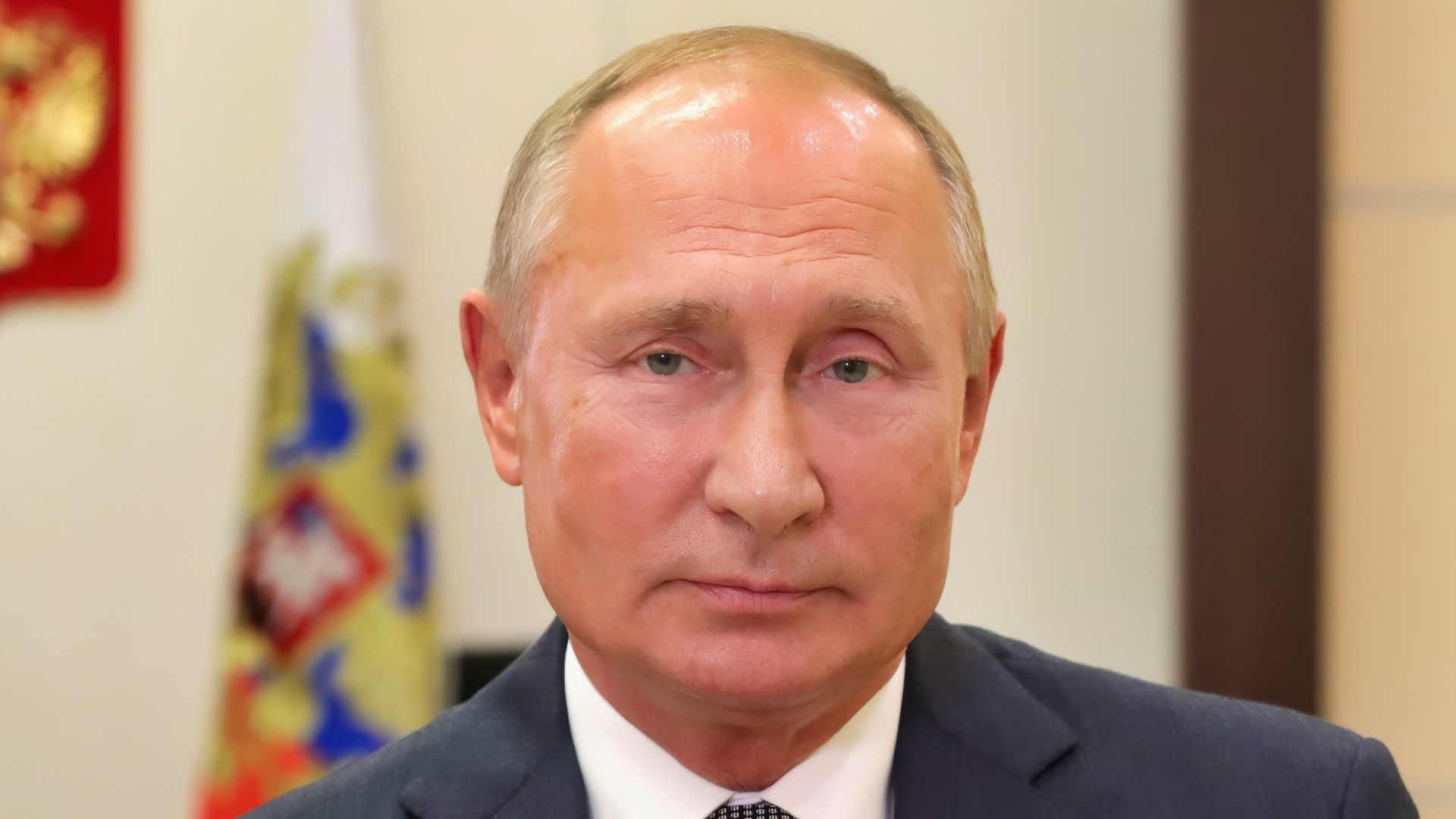
Putin Back in 2020. Image Credit: Creative Commons.
-The fundamental constraint, analysts suggest, is manpower amid staggering casualty estimates.
-NATO leaders now warn of broader risks to European security as Russia shifts to a hardened war economy and clashes intensify over frozen Russian assets in Europe.
Russia’s Stalled Economy: Still Rich Enough to Keep the Ukraine War Going?
Russia has enough money to continue its war in Ukraine for several more years, according to a former senior Russian central bank official. The more pressing question, however, may be whether it has enough men.
Sergey Aleksashenko, a former deputy chairman of Russia’s central bank, said Moscow’s economy is slowing sharply but remains capable of sustaining the conflict. Speaking to CNBC, he described the Russian economy as “close to stagnation,” with official forecasts predicting GDP growth of just 0.9% this year, a veritable nosedive from 4.3% in 2024.
Despite the grim outlook, Aleksashenko said President Vladimir Putin still has sufficient financial room to keep the war going. “Despite the growing budget deficit and increased borrowing, he has enough money to finance the war,” he said, estimating Russia could sustain the effort for another two to three years, and potentially longer.
The conflict, however, continues to exact a heavy toll on the battlefield. U.S. President Donald Trump recently referred to alleged Ukrainian casualty figures of some 400,000 since Russia launched its 2022 invasion. Russian estimates are much higher, at around one million killed or wounded. The UK’s Ministry of Defence recently claimed its analysis found Russia could lose up to two million additional troops before any chance of military victory in Ukraine.
Even so, NATO leaders remain concerned that Russia’s war economy poses risks well beyond Ukraine’s borders.
NATO Secretary General Mark Rutte prompted panic this week when he claimed that the alliance could well face a direct war with Moscow within the next five years.
Meanwhile, the U.S. creative diplomacy attempts, including an informal meeting in Miami, are not working.
Trump continues to push for a negotiated settlement but has become “extremely frustrated” by what the White House has bemoaned at a string of unproductive meetings. As a result, Washington is now hesitant to fly across the Atlantic for any more summits.
Tensions have also escalated over frozen Russian assets held in Europe. EU leaders are considering proposals to channel tens of billions of dollars toward Ukraine’s reconstruction and defense.
Today, Aleksashenko’s former employer, the Bank of Russia, said it had filed a lawsuit against Euroclear, a Brussels-based financial depository, accusing it of causing it “illegal” losses by freezing Russian assets, with the proceeds redistributed to Ukraine’s war effort in mind.
Meanwhile, the war continues to grind on along the eastern frontline, and with exchanges of missiles and drones.
As long as Moscow continues to demand secession of land, which Ukraine’s constituent parts explicitly prohibit, peace, increasingly, seems like a gift this season is unlikely to deliver.
About the Author:
Georgia Gilholy is a journalist based in the United Kingdom who has been published in Newsweek, The Times of Israel, and The Spectator. Gilholy writes about international politics, culture, and education.


