

Key Points and Summary – Russia’s slow advance in Zaporizhzhia is tightening around the town of Huliaipole, where infantry assaults, glide bombs and drones are eroding Ukraine’s defenses on the open steppe.
-Civilians in nearby Zaporizhzhia live under constant threat as artillery and drones edge closer. Yet Moscow’s gains remain fragile.

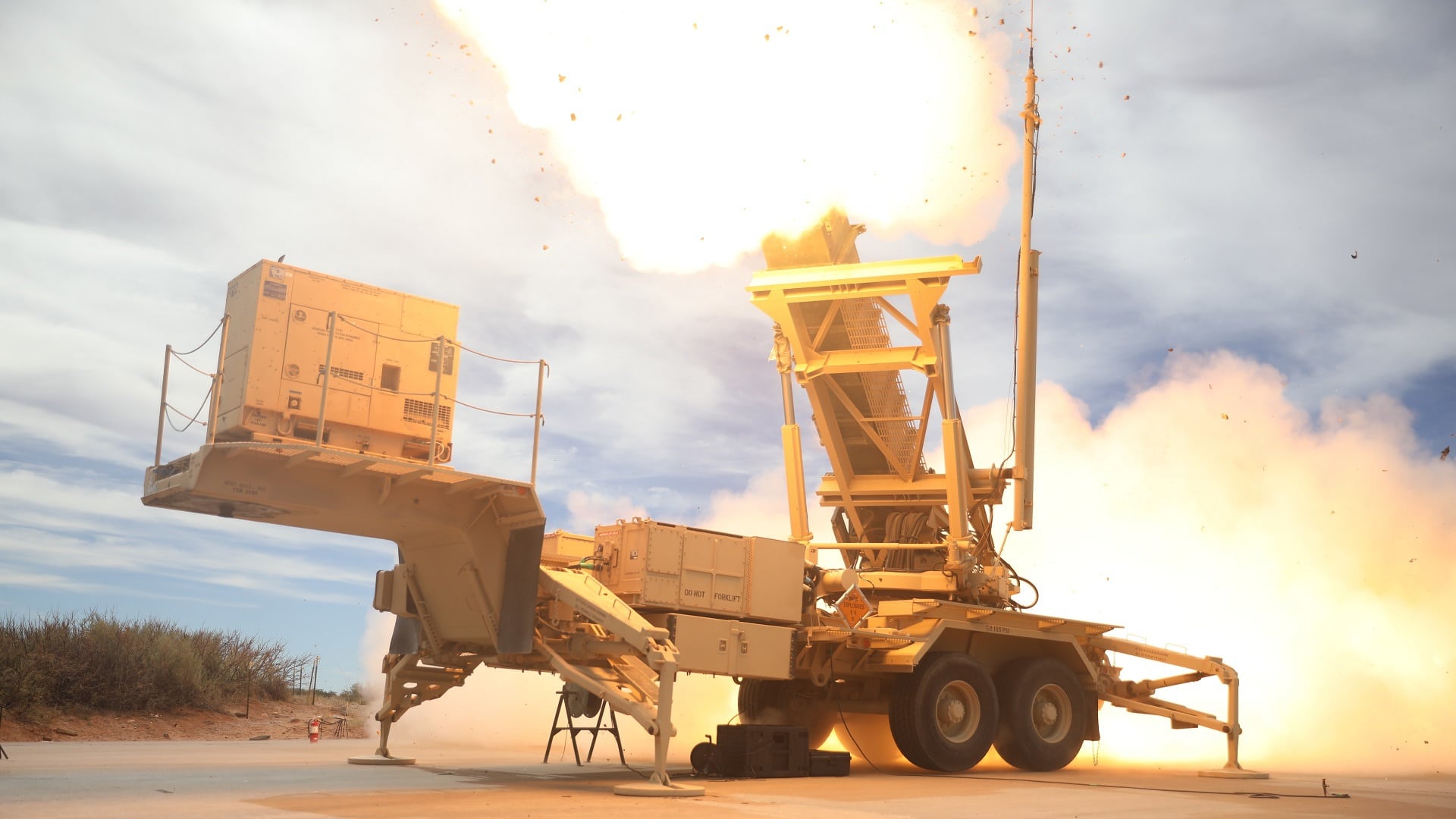
Msta-S Russian Army. Image Credit: Creative Commons.
-Ukrainian partisans such as the Atesh movement are sabotaging key rail links behind the lines, delaying weapons and fuel and exposing Russian trains to strikes.
-Their shadow war aims to blunt Russia’s firepower and buy time — but it also raises hard questions about whether disruption alone can shape a better peace.
Ukraine War Update: Russia Closes In On Zaporizhzhia
Russia is advancing in Ukraine’s Zaporizhzhia region, albeit slowly. Reports suggest that Moscow is reportedly moving in on the strategically located town of Huliaipole, while pro-Ukrainian partisans try to choke the Kremlin’s logistics from within occupied territory.
On the front line, Russian forces have pushed closer to Huliaipole from the northeast, claiming the capture of villages including Rivnopillia and Mala Tokmachka.
The pro-Ukraine “Deep State” analysis site claims Russian units are now as close as several kilometres outside of the town.
This is well within mortar firing distance, heightening the risk of a partial encirclement as winter looms.
Like much of the Dnieper delta region, the steppe surrounding Zaporizhzhia is mainly flat, open countryside that can prove challenging to defend compared to, for example, the urban sprawl of industrial Donetsk.
Russia’s combined infantry assaults, glide bombs, and drones have also worked to weaken Ukraine’s air defenses in the area.
It is not just soldiers feeling the impact of this grinding conflict, but the civilians behind the frontlines.
In Zaporizhzhia proper, around 40 kilometers from the Dnieper’s eastern bank, residents are now accustomed to the racket of artillery, drones and bombs, not to mention the risk of bloodshed on their own streets. While this context may be grim, Russia is far from victory.
The city is over 70 percent ethnically Ukrainian, and resistance networks remain at play alongside direct support from Kyiv and its allies.
Last Sunday, November 16th, the Ukrainian and Crimean Tatar nationalist movement Atesh said they had set fire to a relay cabinet on an important section of railway near Novobohdanivka, some 50 kilometres from the front.
Russian military trains were consequently delayed, and thus Ukrainian forces were able to target them with missiles and artillery attacks, along with disrupting their ammunition and fuel supplies.
The National Security Journal is unable to verify these claims independently, but they align with the broader strategy Kyiv has publicly admitted to: tactical attacks on transport and energy infrastructure.
These attacks undermine Russia’s efforts to translate piecemeal gains into significant military breakthroughs.
Atesh and other pro-Ukraine groups have routinely sabotaged rail and other infrastructure in occupied regions and within Russia’s border in an attempt to put Moscow on the back foot.
Kyiv knows that this shadow campaign can help it offset Russia’s larger arsenal of troops and weaponry.
Still, it is not unrivaled by Russia’s own attempts at sabotage across Europe, including an alleged attack on a Polish railway line on Tuesday.
The question is not only whether Ukraine’s tactics will be enough to hold Zaporizhzhia, but also if it can contribute to a more palatable peace.
About the Author: Georgia Gilholy
Georgia Gilholy is a journalist based in the United Kingdom who has been published in Newsweek, The Times of Israel, and the Spectator. Gilholy writes about international politics, culture, and education. You can follow her on X: @llggeorgia.
More Military
The U.S. Navy’s Constellation-Class Frigate Crisis Keeps Getting Worse
China’s New H-20 Stealth Bomber Might Have a 10,000 km Range
Even Mach 3 Speeds Could Not Save the Titanium SR-71 Blackbird
The U.S. Navy’s New DDG(X) Destroyer Is Sailing Into Stormy Waters


Swamplaw Yankee
November 19, 2025 at 12:45 am
The op-ed might never run out of daily event in the Kremlin’s 1000 year old Genocide of Ukrainians. Millions of victims on the meat grinder front trench Genocide line all have their “personal” story.
All roads originate in the 2008 POTUS Obama Democrat Cabal. The window from 2008 to 14 featured a POTUS that ignored the warnings that the Putin NAZI-like FSB had massive funding to pre-prepare a network inside Ukraine ready to ignite when the POTUS Obama was ready.
Ad rem: In 2014 the POTUS Obama Democrat Cabal covertly, unilaterally green lit the geopolitical loss to NATO, the WEST, of Ukraine’s Crimean soil, Families, Black + Azov Sea vast jurisdictional zones to the prime vile COLD War enemy of the WEST, Kremlin Putin.
The daily events in the meat grinder line run by Putin are endless, after 12 years of Genocide of Ukrainians. The comprehension inside the WEST of the 2014 scam by POTUS Obama of toothless sanction cons, seems a very long (12 years) a coming.
Yes, the funding of this Genocide of Ukrainians by the PRC CCP Xi regime and its “Axis of Evil” is not tangible. The daily tragedies arising from the 2014 POTUS Obama Democrat Cabal green light can fill the tablet of every op-ed writer. Very few, if any, link the world class Genocide business of the ethic Muscovy in 2025 to the USA POTUS Obama of 2014. -30-