


Yemen’s Houthis Say They Hit 2 Saudi Tankers as the Iran War Reaches the Red Sea: Yemen’s Houthi movement says it attacked two Saudi oil tankers in the Red Sea, marking the first claimed enforcement action since the group announced a blockade of shipping connected to Saudi ports. A Reuters report on the July 23 escalation said the Houthis identified the vessels as Encelia and Layla and claimed they used missiles and drones.
The available evidence is stronger for Encelia. A maritime security source said the tanker transmitted a distress call after being struck near the Saudi port of Jizan, and Saudi authorities reported a fire at its bow. The crew was not hurt, according to an Associated Press account. The separate Houthi claim involving Layla had not been independently confirmed.
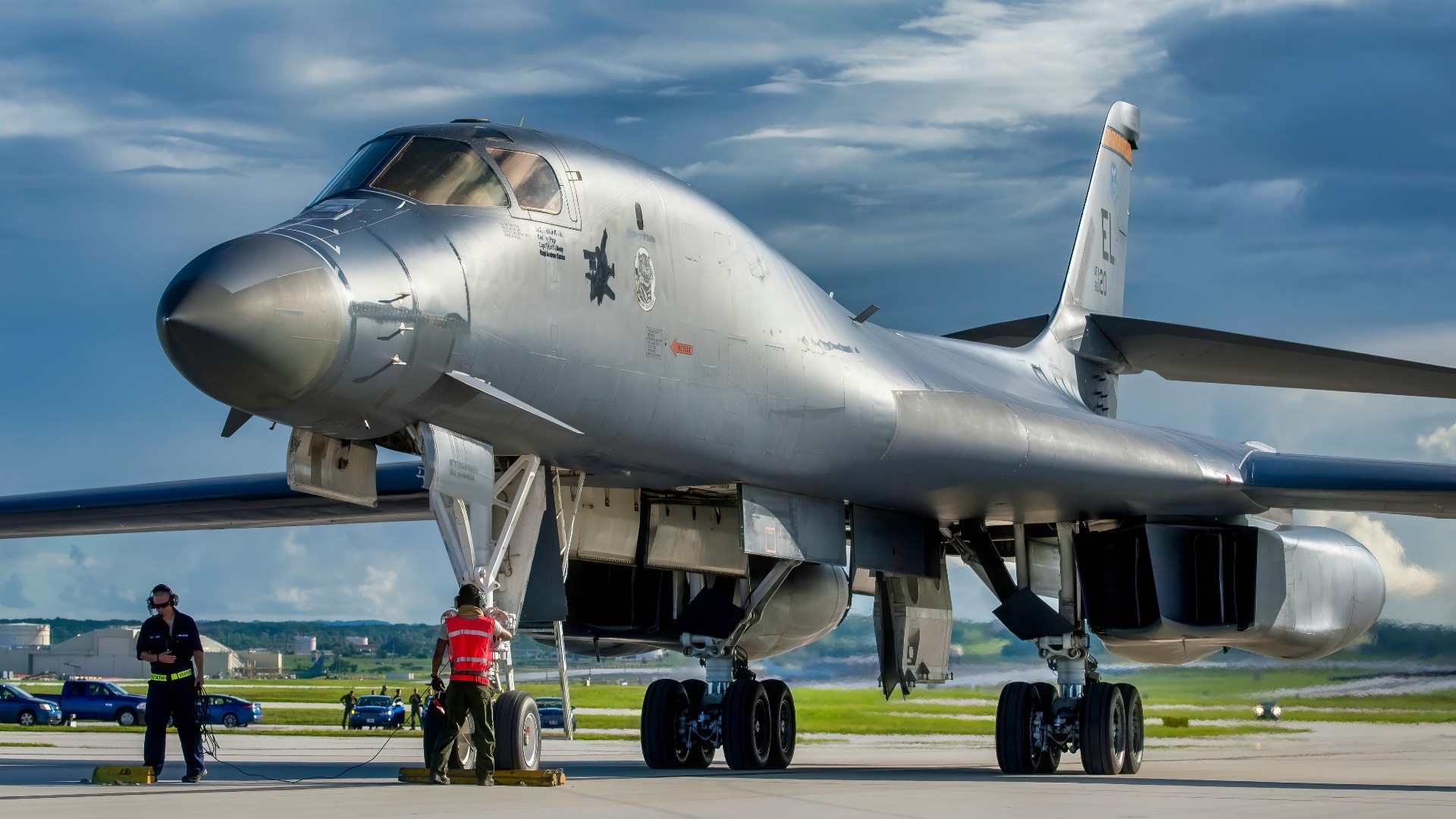
A U.S. Air Force B-1B Lancer assigned to the 37th Expeditionary Bomb Squadron, deployed from Ellsworth Air Force Base (AFB), S.D., arrives at Andersen AFB, Guam July 26, 2017. These aircraft, and the men and women who fly and support them, provide a significant capability that enables our readiness and commitment to deterrence, provides assurances to our allies, and strengthens regional security and stability in the Indo-Asia-Pacific region. (U.S. Air Force photo/Airman 1st Class Christopher Quail)
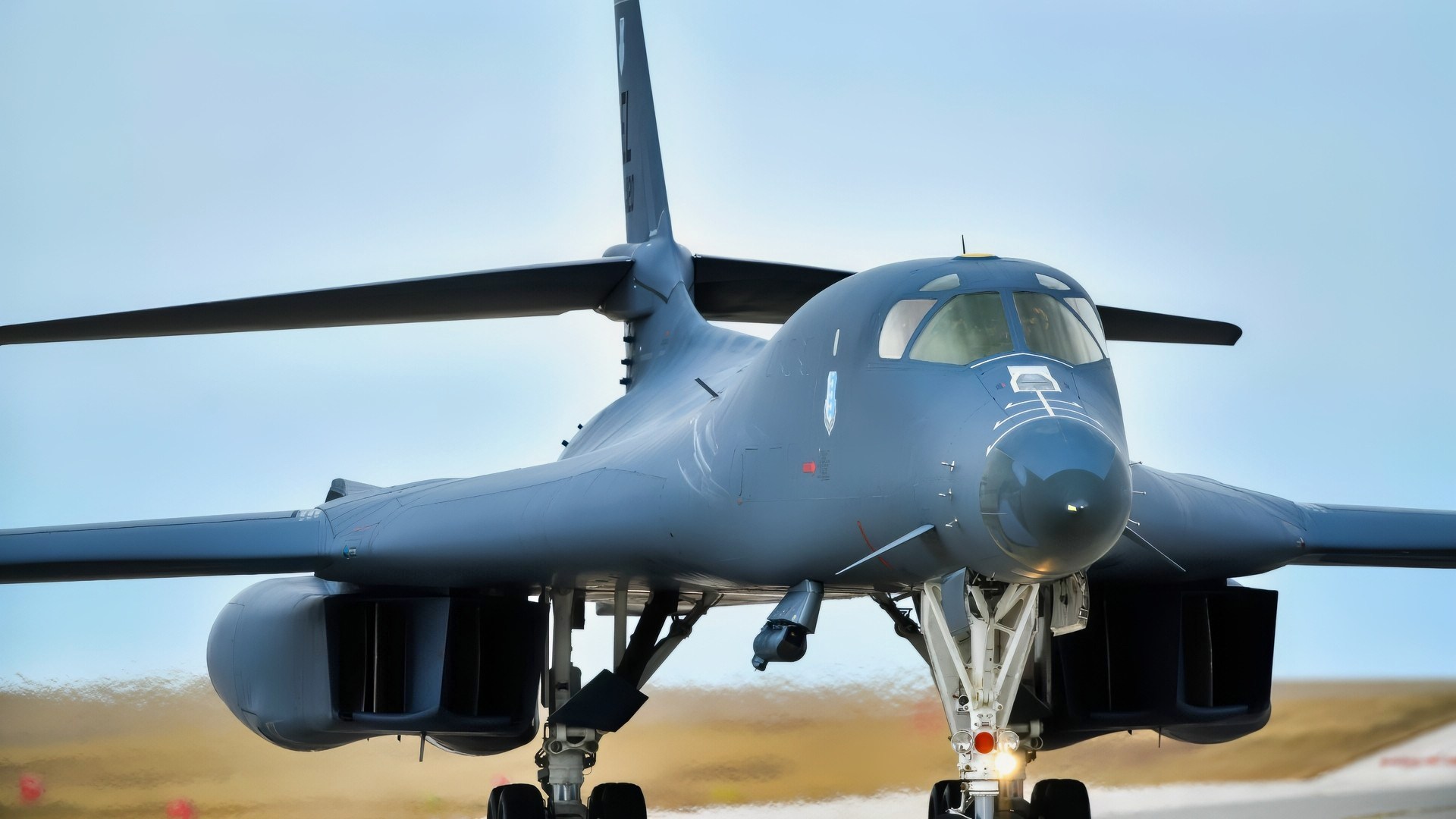
A U.S. Air Force B-1B Lancer assigned to the 37th Bomb Squadron taxis off the runway at Ellsworth Air Force Base, S.D., after completing a CONUS-to-CONUS mission, Nov. 03, 2024. All missions are closely planned with the appropriate Geographic Combatant Commands, Allies, and partners to ensure maximum training and integration opportunities as well as compliance with all national and international requirements and protocols. (U.S. Air Force photo by Airman Alec Carlberg)
The attacks add the Red Sea to a conflict already disrupting the Strait of Hormuz. Brent crude rose sharply toward $100 per barrel after the Houthi announcement, while Iran and the United States continued exchanging strikes. The Houthis said the Saudi vessels had violated the blockade they declared earlier in the week.
Commercial behavior had begun changing before the first confirmed hit. Five tankers altered course in the Red Sea on July 22, and two signaled the Suez Canal as their new destination. Two Chinese supertankers carrying a combined four million barrels of Saudi crude were still attempting to pass Bab el-Mandeb on July 23, according to shipping data reviewed by Reuters.
Saudi Arabia’s Red Sea Bypass Is Now Under Attack
Saudi Arabia increased use of its East-West Pipeline and Yanbu terminal to reduce dependence on Hormuz. The U.S. Energy Information Administration says the pipeline can move five million barrels per day and can be expanded temporarily to seven million. Riyadh had already shifted millions of barrels toward its Red Sea outlet before the tanker attacks.
That strategy still depends on ships moving south past Yemen before reaching the Indian Ocean. A missile strike near Jizan therefore attacks the route Saudi Arabia uses to avoid Iran’s pressure in the Persian Gulf. The kingdom can load oil at Yanbu, but it cannot guarantee that every tanker will accept the voyage toward Bab el-Mandeb.
The Houthis Do Not Need to Close Bab el-Mandeb
The Houthis can disrupt shipping without controlling the entire strait. Warnings alone had already caused Saudi-linked tankers to reverse course. After the blockade announcement, rerouting an Asian-bound cargo through Suez and around Africa could add about 10,000 nautical miles, 34 days, and more than $5 million in freight costs, excluding fuel and insurance, according to a separate Reuters review.
The shipping industry has seen this pattern before. Houthi attacks helped reduce oil flows through Bab el-Mandeb by more than half during the first eight months of 2024, according to EIA tanker data. The International Maritime Organization continues to treat attacks in the Red Sea as a direct threat to seafarers and cargoes.
Iran Gains Leverage
Iran has supplied the Houthis with weapons, training, and technical assistance for years, according to a Council on Foreign Relations review. The Houthi decision also reflects Yemen’s unresolved conflict with Saudi Arabia, so every attack should not be treated as proof of direct Iranian control.
The strategic benefit for Tehran is still clear. Iran can pressure Hormuz while an allied force threatens the opposite side of the Arabian Peninsula. The possibility that Iran would use Bab el-Mandeb to widen the shipping crisis has now moved from a warning to a claimed operation. The result places two major oil routes under simultaneous pressure.
Saudi Arabia and the United States Face a Wider Mission
Saudi Arabia says it will protect commercial navigation, but a sustained escort and air-defense operation would require ships, aircraft, radars, interceptors, and intelligence coverage. The United States already has more than 20 warships and hundreds of aircraft supporting operations against Iran, and another Red Sea campaign would compete for the same forces and munitions.
Washington has faced this tradeoff before. A simultaneous crisis at Hormuz and Bab el-Mandeb would create a much larger protection requirement across both waterways. As of July 23, Encelia had suffered a confirmed fire near Jizan, the Layla claim remained unverified, and two Chinese supertankers carrying Saudi crude were still approaching Bab el-Mandeb.
About the Author: Harry J. Kazianis
Harry J. Kazianis (@Grecianformula) was the former Senior Director of National Security Affairs at the Center for the National Interest (CFTNI), a foreign policy think tank founded by Richard Nixon based in Washington, DC. Harry has over a decade of experience in think tanks and national security publishing. His ideas have been published in the NY Times, The Washington Post, The Wall Street Journal, CNN, and many other outlets worldwide. He has held positions at CSIS, the Heritage Foundation, the University of Nottingham, and several other institutions related to national security research and studies. He is the former Executive Editor of the National Interest and the Diplomat. He holds a Master’s degree focusing on international affairs from Harvard University.


