
US Secretary of State Marco Rubio declared that Iran has “lost complete control” of the Strait of Hormuz, as he touted what he believes to be the return to normalcy of the world’s oil supply routes, particularly to the US, where the ongoing conflict has seen pump prices rise sharply over the last couple of months.
Nuclear Capabilities are Unacceptable

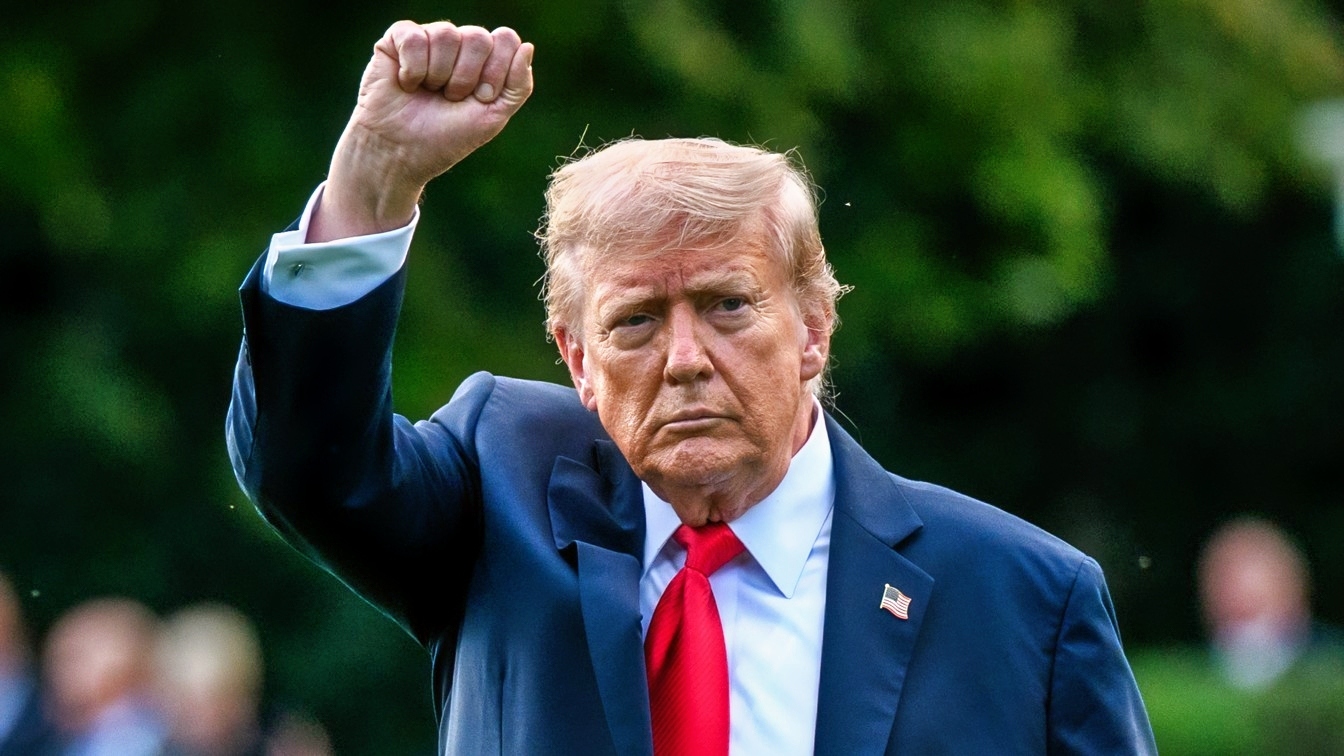
Donald Trump. Image Credit: Creative Commons.

Donald Trump in 2023. Image Credit: Gage Skidmore.
Speaking during a visit to Greece, Rubio reiterated the US’ stance that under no circumstances can Iran be allowed to own or produce its own nuclear weapons.
The US and other Western allies have long expressed concern over Iran’s supposed nuclear capabilities, over worries that the Muslim country would utilize them against Western countries – the US chiefly among them – should it manage to gain a nuclear arsenal.
Rubio claimed that given that every dollar “radical Shia clerics” in Iran receive is allotted to radical Islamic terrorist organizations like Palestine’s Hamas and Lebanon’s Hezbollah, a nuclear weapon would eventually target the US.
“Iran cannot have a nuclear weapon, simple, period, end of story,” the US secretary of state said in his remarks, adding that any acceptable deal with the US would have to include stipulations to that effect.
An Iran Concession on Nuclear Issues Could Spark the End of the War
Earlier this week, US Vice President JD Vance said that the US would be willing to resume talks with Iran if the latter commits to making “meaningful” measures in its nuclear enrichment program.
While Iran has consistently denied any intentions of owning or building a nuclear arsenal, it has also denied nuclear inspectors access to its facilities in the past.
Vance also questioned why the country allowed its nuclear program to reach 60% uranium enrichment if it does not intend to produce nuclear weapons.
Guaranteeing that Iran will never have access to nuclear weapons and the throttling of its nuclear program is a “basic threshold issue” that needs to be addressed, the vice president added.
Close to Weapons Grade
US intelligence reports indicate that Iran only has the potential to produce nuclear weapons.
However, it continues “to increase its stockpiles of 20-percent and 60-percent enriched uranium”, as well as publicly discuss the usefulness of having nuclear weapons, especially in terms of its ongoing conflict with Israel.
Analysts monitoring Iran’s nuclear capabilities say that the country has only been able to enrich uranium up to 60%, which is way above the 3% to 5% needed for civilian reactor use.
The push to 60% enrichment is also considered the most difficult process in uranium enrichment, with the progression to the more than 90% enrichment needed for weapons seen as relatively faster and easier.
US May Ramp Up Strikes Ahead of November Midterms
The United States is also reportedly considering its options in terms of resuming intense military action against Iran in an attempt at a show of strength ahead of the country’s midterm elections on November 3.
President Donald Trump reportedly met with senior advisers at Camp David, where they presented him with multiple options for how the US will proceed.
However, on October 8, the president announced on Truth Social that those plans have been canceled.
Oil Exports from the Middle East Close to Pre-War Levels
Rubio’s remarks come as exports of crude oil from the Middle East come close to consistently reaching pre-war levels, despite tankers also experiencing an increase in the frequency of attacks.
Reports put Middle East crude exports at 19.5 million to 22.5 million barrels a day for the period covering September 24 to September 29 this year.
This puts exports above the 18 million barrels per day recorded from February to March this year, before the US began more direct involvement in attacks against Iran.
Iran to Shut Down “Illegal” Passages
Much of the oil that passes through Iran’s net over the Strait of Hormuz does so with the support of armed US Navy escorts, ship-to-ship transfers, and other passages through the Gulf—passages Iranian officials said they would soon shut down.
Contradicting Rubio’s remarks, Islamic Revolutionary Guard Corps (IRGC) adviser Mohammad Reza Naqdi said Iran still had full control over the Strait of Hormuz, and threatened dire consequences to vessels that attempt to defy or circumvent Iran’s chokehold on the critical waterway.
“The Strait of Hormuz is closed, and the armed forces have full control over it, and this situation will continue until Iran’s legitimate demands are met,” Naqdi insisted.
About the Author: Tim Ramos
Tim Ramos has written for various publications, corporations, and organizations, covering finance, politics, travel, entertainment, and sports in Asia and the U.S. for more than 10 years.