
International Energy Agency (IEA) Executive Director Fatih Birol has warned that confidence in the Strait of Hormuz as a reliable export route has been “crushed” by the war with Iran.
In an article published Wednesday, November 18, in The Economist, Birol said he was skeptical of a future return to “normalization.”
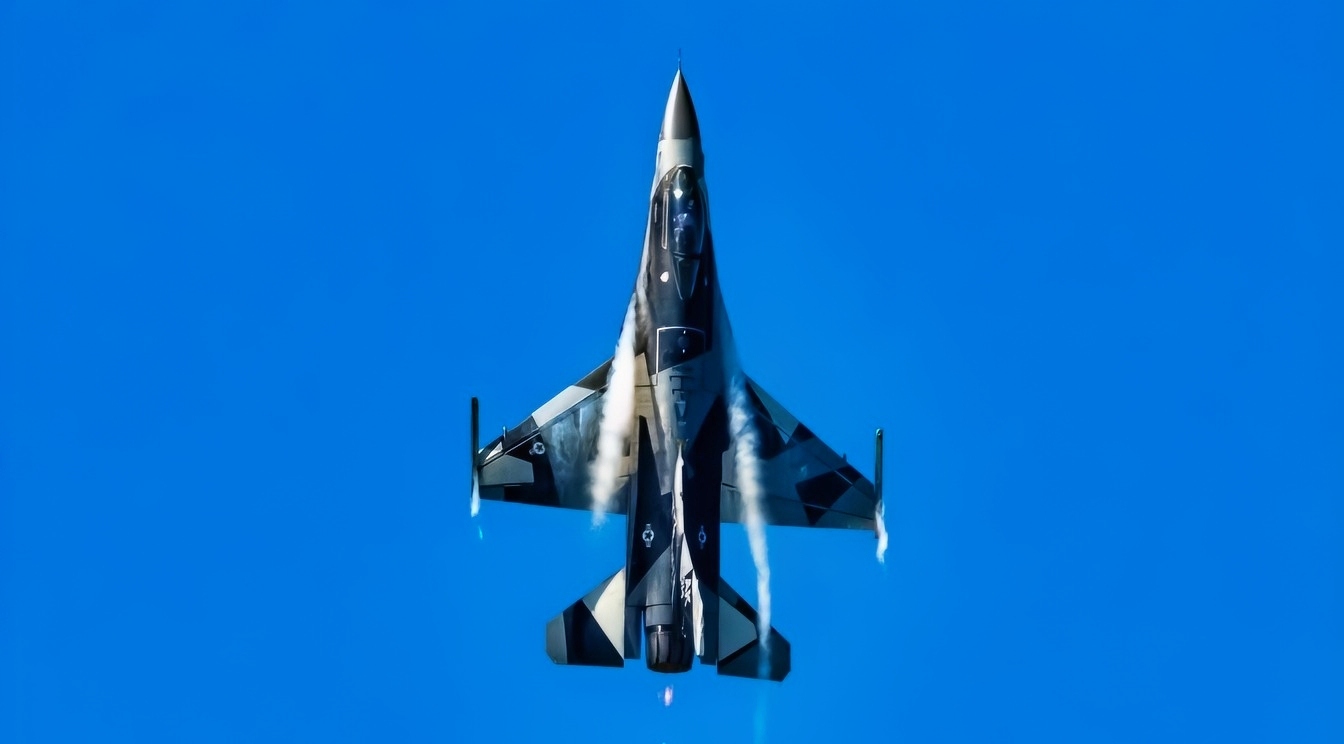
U.S. Air Force Capt. Ethan Smith, Pacific Air Forces F-16 Demonstration Team commander, performs aerial demonstrations during the Arctic Thunder Open House airshow July 21, 2024, at Joint Base Elmendorf-Richardson, Alaska. The demonstration team primarily travels across the Pacific Air Forces area of responsibility, inspiring goodwill and promoting positive relations between the U.S. and partner nations throughout the U.S. Indo-Pacific region. (U.S. Air Force photo by Staff Sgt. Peter Reft)
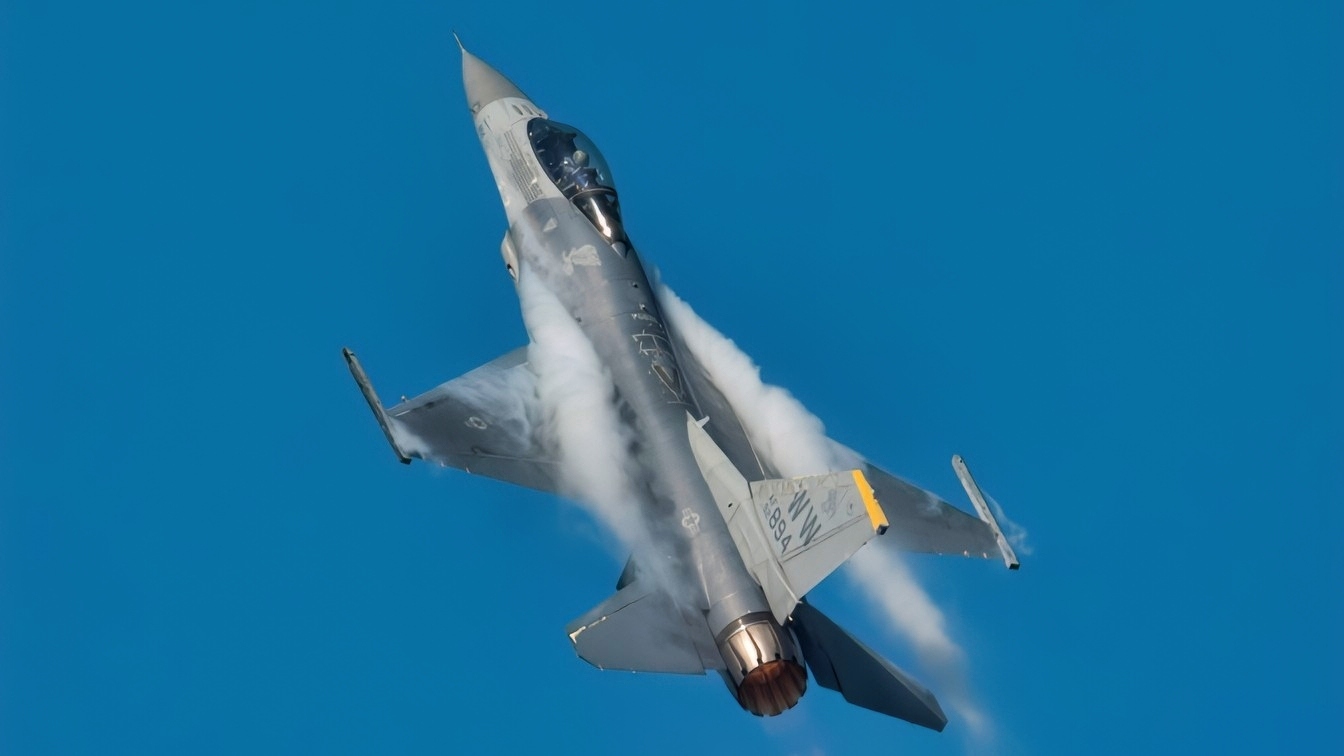
F-16 Fighting Falcon Demo Team pilot, Capt. Jacob “Primo” Impellizzeri, the Pacific Air Forces F-16 Fighting Falcon Demonstration Team performs at Komatsu Air Base, Japan, Sept. 16, 2019.
His remarks come as the strait’s Iranian-imposed closure approaches its 10th month.
“No Credible Pathway” for Shipping Flows
In the guest essay in The Economist’s ‘The World Ahead 2027’ published this morning (Wednesday, November 18), Birol offered a glum outlook on the strait’s future. Before the war, the Strait of Hormuz accounted for around 20% of the world’s oil exports.
“I don’t see any credible pathway back to the situation that existed in February 2026,” Birol wrote. “Shipping flows through the Strait of Hormuz have been blocked once, with a hugely disruptive effect on oil and gas markets. It can happen again. Confidence in the Strait as a safe and reliable corridor for energy and other goods has been crushed.”
Gulf crude exports reached 15 million barrels a day in October, equivalent to 82% of pre-war levels, according to the IEA’s November Oil Market Report. The broader recovery was less complete. Total Gulf oil exports, excluding Oman, stood at 18.4 million barrels daily, still 26% below pre-war levels.
Exporters Explore New Avenues to Bypass Strait of Hormuz
Birol added that “perceptions of risk” around the Strait of Hormuz have “changed for good,” pointing to new routes such as pipelines used by Saudi Arabia and the United Arab Emirates.
Both countries have oil pipelines that allow their exports to bypass the Strait of Hormuz.
The UAE’s pipeline stretches from Habshan to Fujairah, a port beyond the strait that leads into the Indian Ocean, while the Saudi East-West pipeline extends to the port of Yanbu on the Kingdom’s west coast.
Riyadh, in particular, increased its reliance on the pipeline during the Iran war.
Saudi authorities increased the capacity of the 745-mile pipeline to move up to 5 million barrels per day shortly after the conflict began, accounting for 4% of the world’s oil supply.

Generic Oil Tanker Image. Image Credit: Creative Commons.
Similarly, the UAE has ramped up efforts for an alternate route to the Strait of Hormuz, with a second pipeline expected to be completed next year.
At least directly, Iran cannot attack alternate pipelines in Saudi Arabia and the UAE without the risk of effectively declaring war.
It can, however, strike commercial shipping it claims breaches the regulations of a strait under its jurisdiction.
Strait Closed Until Conditions are Met, Iran Says
Iran, which closed the strait when the conflict with the U.S. and Israel began at the end of February, maintains that the international waterway is closed, and that Iran’s Islamic Revolutionary Guard Corps will target any vessel that attempts to transit through.
Tehran intensified attacks on shipping in the Strait of Hormuz last month after an increase in traffic saw Gulf oil exports return to pre-war levels at the end of September for the first time since the war began.
Heightened traffic levels are partly due to financial incentives offered to crew members who risk their lives to transit the strait.
Captains are reportedly being offered $100,000 per month to complete shuttle runs, with an additional bonus of $50,000 per trip.
Sailors also earn six times their salaries, with a month’s pay netting $9,000 compared to the usual $1,500.
Tehran has offered to reopen the Strait of Hormuz subject to Washington meeting its demands to end the conflict, which include an end to the fighting on all fronts, a lifting of economic sanctions, and a removal of the ongoing U.S. naval blockade.
A Worldwide Effect on Strait Confidence
Emergency oil stocks, according to Birol, were used after the war began to soften economic shocks. As a result, countries in Southeast Asia such as the Philippines and Thailand are looking to “build up similar buffers” to prevent a repeat of the economic disruption seen at the start of the Iran war.
The IEA executive director predicted that the disruption in the Strait of Hormuz would accelerate the shift toward domestic energy sources, particularly cost-effective solar and wind power.
Renewed interest in nuclear power could also be on the horizon, but it would require stronger grids and battery storage.
“Uncertainty is now the rule, not the exception, so energy decision-makers need to be wary of creating new dependencies, even as they seek to address old ones,” Birol added.
About the Author: Shay Bottomley
Shay Bottomley is a British journalist. He has written for the Western Standard, Business Insider, Maidenhead Advertiser, Slough Express, Windsor Express, Berkshire Live and Southend Echo.