

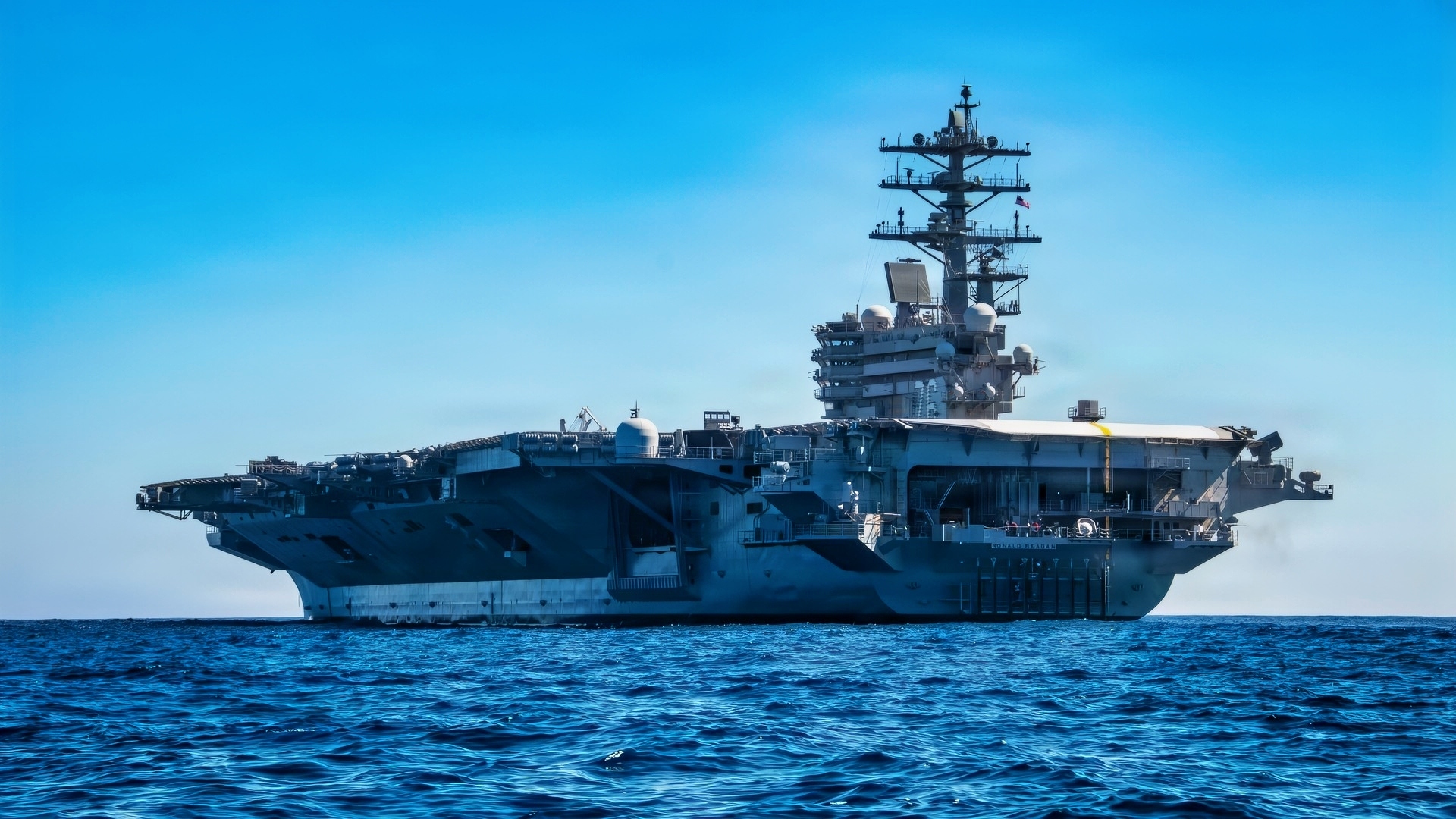
Gulf Exports Recover from Attack on Tankers – Gulf oil exporters have approached peacetime levels after a period of restrictions that sharply reduced shipping in the Strait of Hormuz for seven months.
Meanwhile, the American blockade still limits Iran’s outward traffic.
A-10 Warthog. National Security Journal Photo Taken on 9/26/2026.
In addition, the situation is complicated by the fact that six commercial ships were attacked on Sunday, October 11, as Iran seeks to undermine other routes.
Poten & Partners maritime consultancy research found that while the balance of power had shifted significantly from where it was at the beginning of the campaign, neither warring faction could completely blockade the waterway.
Iran Clamped Down on Traffic
Iran’s decision to close the strategic strait, through which around 20 percent of seaborne oil flows, came after the U.S. and Israel began joint strikes against Iran on February 28. Traffic through the Strait of Hormuz dropped by more than 95 percent after war broke out, according to Poten & Partners consultant Erik Broekhuizen.
Broekhuizen said he expected the situation to continue until either Washington or Tehran estimated it had extracted enough strategic benefit to return to talks.
He also suggested talks are unlikely to restart before November’s congressional elections in the United States.
Gulf oil exporters have rebounded significantly.
According to the Kpler data published by Reuters, Middle East oil exports averaged more than 18 million barrels per day (bpd) for the week ending October 3, close to pre-war levels.
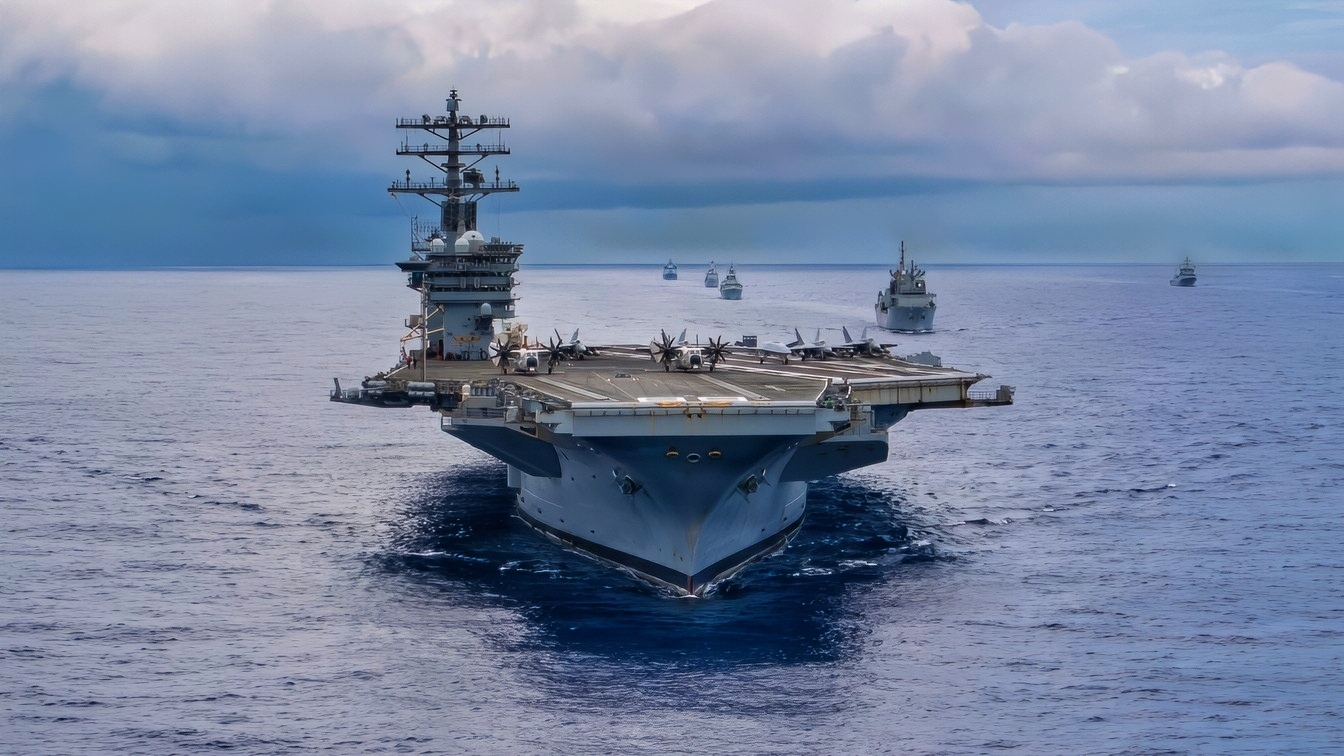
Twenty-six ships from 13 partner and allied nations steam in formation with Nimitz-class aircraft carrier USS Nimitz (CVN 68) during a multinational maritime exercise as part of Fleet Exercise (FLEETEX) 250 in the Atlantic Ocean, June 25, 2026. Nimitz is underway taking part in FLEETEX 250, a series of structured multilateral training events at-sea, aimed at building cohesiveness, validating tactical procedures, and strengthening the interoperability of participating units—which include warships, aircraft, and crews from the U.S. and 13 partner and ally nations. (U.S. Navy photo by Mass Communication Specialist Seaman Julian Jaime)
At the same time, Iran’s exports were significantly curtailed by the American blockade.
Gulf Exporters Find Alternative Routes
Initially, Saudi Arabia began diverting its East-West crude oil via its pipeline to Red Sea port Yanbu. The United Arab Emirates (UAE) used a pipeline to Fujairah to bypass the Strait of Hormuz.
Still, exports from Saudi Arabia were once again disrupted as a result of the attempted blockade by the Yemen-based Houthi terror group. The Iran-backed proxy attacked vessels carrying oil belonging to the Saudi kingdom as they transited through the Bab el-Mandeb Strait, the southern entrance of the Red Sea.
Now the Saudis and Emiratis have an alternative route via the Gulf of Oman, which is open for tankers under the U.S.-sponsored shuttle service. According to Kpler data published on October 12, Saudi crude oil exports amounted to 6.67 million barrels per day in September.
Product flows are significantly lower than before the attack.
Iran’s Continued Attacks Complicate the Situation for Gulf Exporters
Iran seems to be doing everything to ensure that Gulf exporters do not benefit from the diversion of traffic.
UK Maritime Trade Operations registered six attacks, including on one container ship in the waterway on Sunday, October 11.
Two Indian sailors went missing after the product tanker Petro Dolphin was fired at off the coast of Oman, while the Joint Maritime Information Center (JMIC), the U.S. Navy’s information center, reported numerous other incidents.
Attacks continue to impact the global economy. In September, in the wake of 80 attacks and 22 fatalities, International Maritime Organization Secretary-General Arsenio Dominguez called on states to cease attacking “innocent seafarers”.
The U.S.-Iran Standoff Is Fueling Oil Prices
On October 7, an adviser to Iran’s Revolutionary Guard Corps (IRGC), which is listed as a foreign terrorist organization by Washington, said that the Strait of Hormuz was closed and that Iran had complete control over it. The official in question, Mohammad Reza Naghdi, also said restrictions on traffic through the strait would be imposed soon. On October 9, President Trump said that America had achieved “TOTAL CONTROL” of the Strait of Hormuz.
Deputy Foreign Minister Kazem Gharibabadi also stressed that the Islamic Republic’s plan of action, should any fresh military action occur, would differ from previous strategies.
The ongoing conflict is undoubtedly harming the global economy.
While Gulf oil exports have substantially recovered, they are being transported at a high cost. In an October 12 ministerial meeting, the Organization of the Petroleum Exporting Countries (OPEC) and allied ministers said shipping and insurance costs were now more than one-third of the value of the cargo.
Reuters reported Tuesday that Brent crude oil costs were exceeding $104 per barrel.
About the Author: Georgia Gilholy
Georgia Gilholy is a journalist based in the United Kingdom who has been published in Newsweek, The Times of Israel, and the Spectator. Gilholy writes about international politics, culture, and education.


