

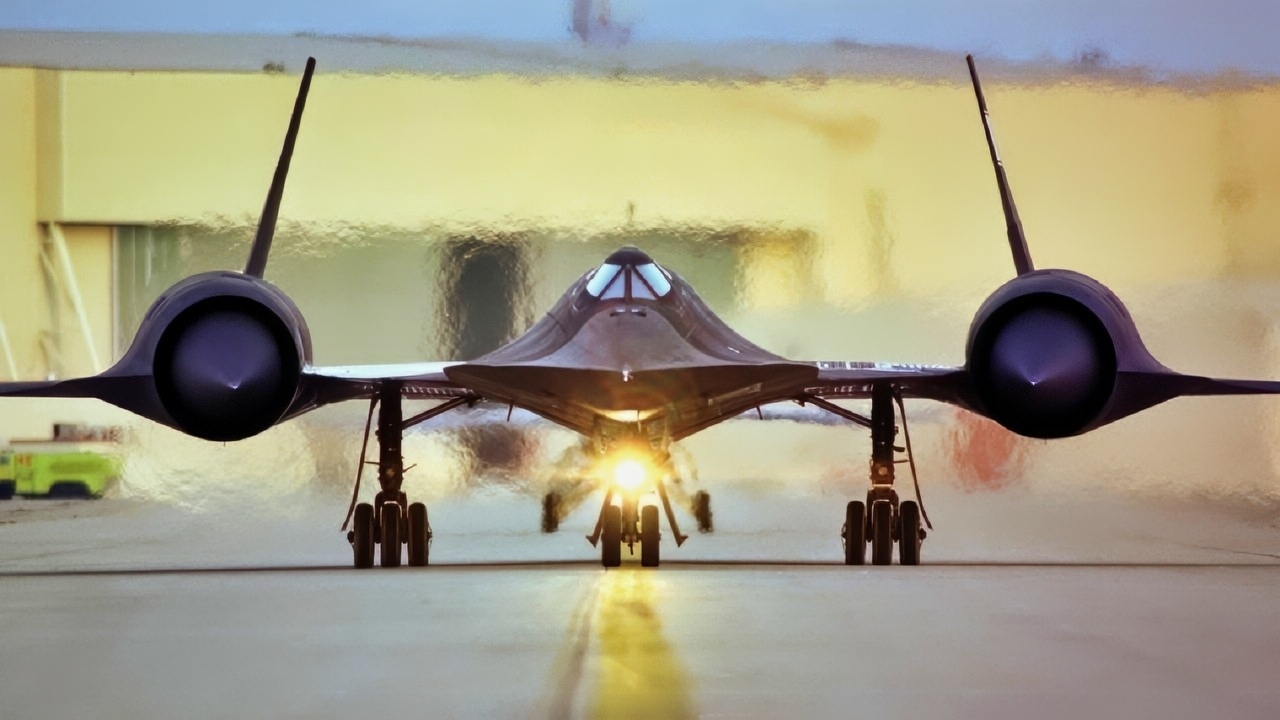
Key Points and Summary – The SR-71 Blackbird delivered unmatched Mach-3 recon, but its costs proved fatal.
-Each flight hour ran $200,000–$300,000, driven by extreme maintenance, heat-damaged coatings, stressed engines, and a bespoke logistics chain—most notably scarce JP-7 fuel ignited with triethylborane.
-The program’s “black” budgets couldn’t hide rising sustainment bills as satellites and unmanned systems like Global Hawk took over strategic ISR at lower risk and price. With the Cold War over, missions shifted and the manned, specialized jet looked redundant.
-Congress and DoD retired the fleet in 1998, redirecting money to stealth platforms such as the B-2 and emerging drone-centric surveillance.
Why Was the SR-71 Blackbird So Expensive?
Even the most successful airplane programs eventually run into cost issues.
In the United States, the Congressional Research Service and the Government Accountability Office conduct studies to determine when and how aircraft programs eclipse their budgets – and their purpose.
It is difficult to cancel fighter jet and bomber programs once they have created economies of scale and have been deployed in the numbers needed to consistently accomplish their missions. But even valuable airplanes such as the A-10 Warthog eventually end up at the Boneyard at Davis-Monthan Air Force Base in Arizona.
The SR-71 Blackbird is a case in point. The plane was ultra-fast and highly respected, but it was just too expensive to fly regularly.
By some generals’ estimates, cutting the SR-71 program could have allowed for the funding of two additional tactical fighter wings.
This Airplane Was a Money Pit
Flying the SR-71 cost $200,000 to $300,000 per hour.
There were 32 SR-71s at one time, and they demanded ample maintenance and an endless supply of parts. The SR-71 was a “secret black” program and usually had a different budget line item and paragraph for expenses. But this was just too pricey, even during President Ronald Reagan’s Cold War military build-up.
The Blackbird had a unique design that made it difficult to fly regularly. The heat its high speeds generated damaged the airplane’s coatings. Engines were pushed beyond their abilities. Structural problems kept technicians busy.
Specialized Fuel Was a Pain in the Neck
The SR-71’s JP-7 fuel was difficult to ignite due to its low volatility. The process required a triethylborane-based chemical ignition system – a complex and costly apparatus.
The Difficult Logistical Reality Of Flying the ‘Bird’
Logistics were also a problem. The SR-71 required a unique supply trail, with many different subcontractors and vendors that charged the program high amounts of money. The specialized JP-7 fuel had to be refined substantially, and vendors found high demand for the coatings ruined by excessive heat during flight.
This Made Congress Think Twice
Congressional watchdogs determined that the SR-71 was too expensive. Other types of reconnaissance systems such as overhead satellites made the SR-71 redundant, and given the expenses associated with the aircraft, it was hard for Blackbird supporters to argue it should keep flying.
The Advent of Recon Drones
Moreover, early drones were stepping into the picture around the time calls were made to retire the Blackbird. While there were upfront costs associated with unmanned flight, operational expenses were lower.
The stealthy RQ-3 Darkstar and the RQ-170 Sentinel were early attempts at unmanned aerial reconnaissance platforms. The RQ-4 Global Hawk proved to be more successful. I happened to analyze the acquisition history of the Global Hawk during my time at the RAND Corporation, and I can attest that it was a successful, dollar-saving program that navigated the procurement maze at the Pentagon with aplomb.
SR-71 Big Question: Was It Retired Too Soon?
Was it the right decision to retire the SR-71 in 1998? It was getting long in the tooth and was eclipsed by satellites and drones. Manned flight at the Blackbird’s high speeds was dangerous, and the jet’s maintenance problems and flight-hour costs were significant.
I’m inclined to believe that it was time to move on from the SR-71. Its speed of over Mach 3 was a big selling point, and Lockheed did an exceptionally good job designing the airplane. It definitely captured the imagination of the public.
However, the Cold War was over. There was less sense in spying on the Russians, and there were fewer nuclear sites to target. The U.S. military turned its attention to wars in the former Yugoslavia, and to Iraqi dictator Saddam Hussein’s weapons programs. Intelligence was needed about the activities of terrorist groups.
Did the Blackbird have a role in this new threat environment? Most of these spying contingencies were complex – satellite data and reconnaissance from drones was believed to be more cost-effective. The SR-71 was considered a luxury.
It’s too bad the SR-71 was so expensive. Its speed and performance made it an exciting airplane. But the DoD and Congress determined it cost too much, and it was complicated to keep the Blackbird in the air.
Stealth airplanes such as the B-2 Spirit were coming online, and the money saved by retiring the SR-71 retirement could help that bomber come to fruition.
The end of the Cold War created new enemies and contingencies, and the SR-71 could not keep up with the changes to international security needs.
About the Author: Brent M. Eastwood
Brent M. Eastwood, PhD is the author of Don’t Turn Your Back On the World: a Conservative Foreign Policy and Humans, Machines, and Data: Future Trends in Warfare plus two other books. Brent was the founder and CEO of a tech firm that predicted world events using artificial intelligence. He served as a legislative fellow for US Senator Tim Scott and advised the senator on defense and foreign policy issues. He has taught at American University, George Washington University, and George Mason University. Brent is a former US Army Infantry officer. He can be followed on X @BMEastwood.
More Military
SR-72 Darkstar: Why Won’t the Air Force Show Us This Mach 6 Plane?
Canada Has a Clear Message for the F-35 Fighter
Russia’s Oscar-Class Submarine Summed Up in 4 Words


