

The November 3 midterm elections have reportedly delivered major Democratic gains, potentially placing both chambers of Congress under Democratic control.
The outcome would represent a substantial reversal from Trump’s 2024 victory and Republican control of Washington. But Democrats are set to inherit an unusual political arrangement, where congressional majorities face a Republican president with two years remaining in office.
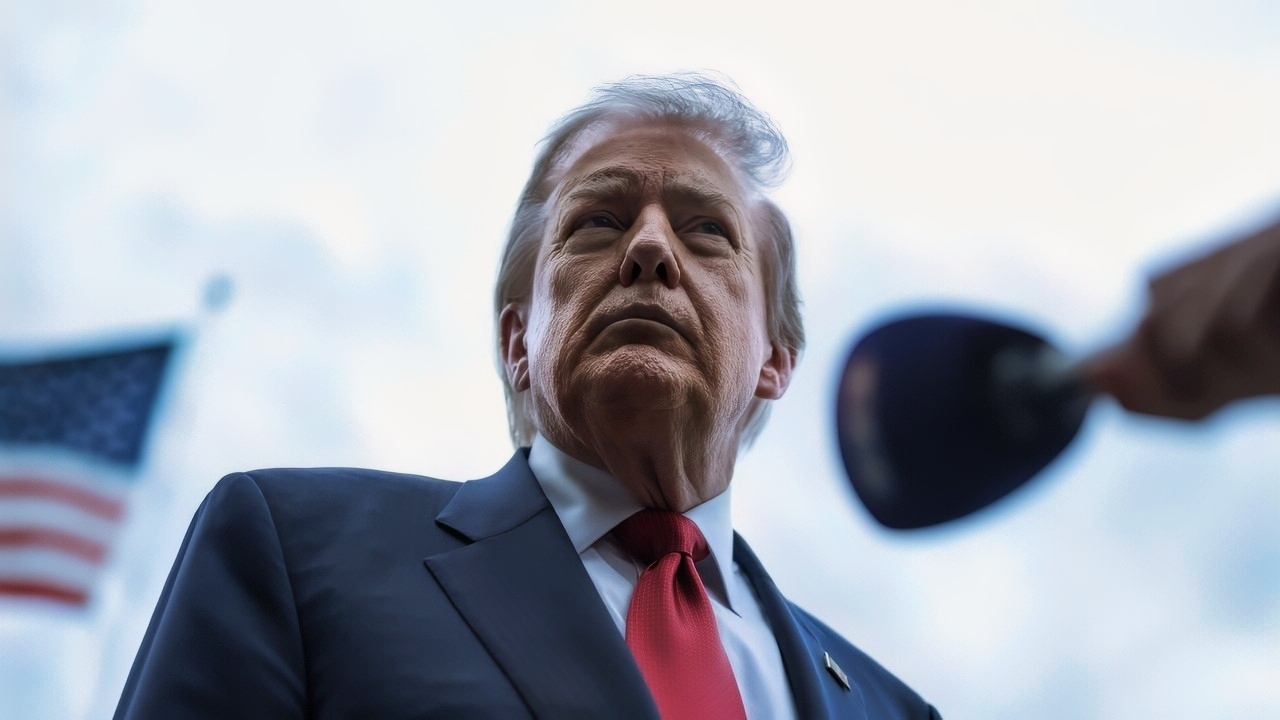
President Donald J. Trump boards Marine One on the South Lawn of the White House, Friday, May 8, 2026, en route Trump National Golf Club Washington D.C. in Sterling, Virginia. (Official White House Photo by Patrick B. Ruddy).

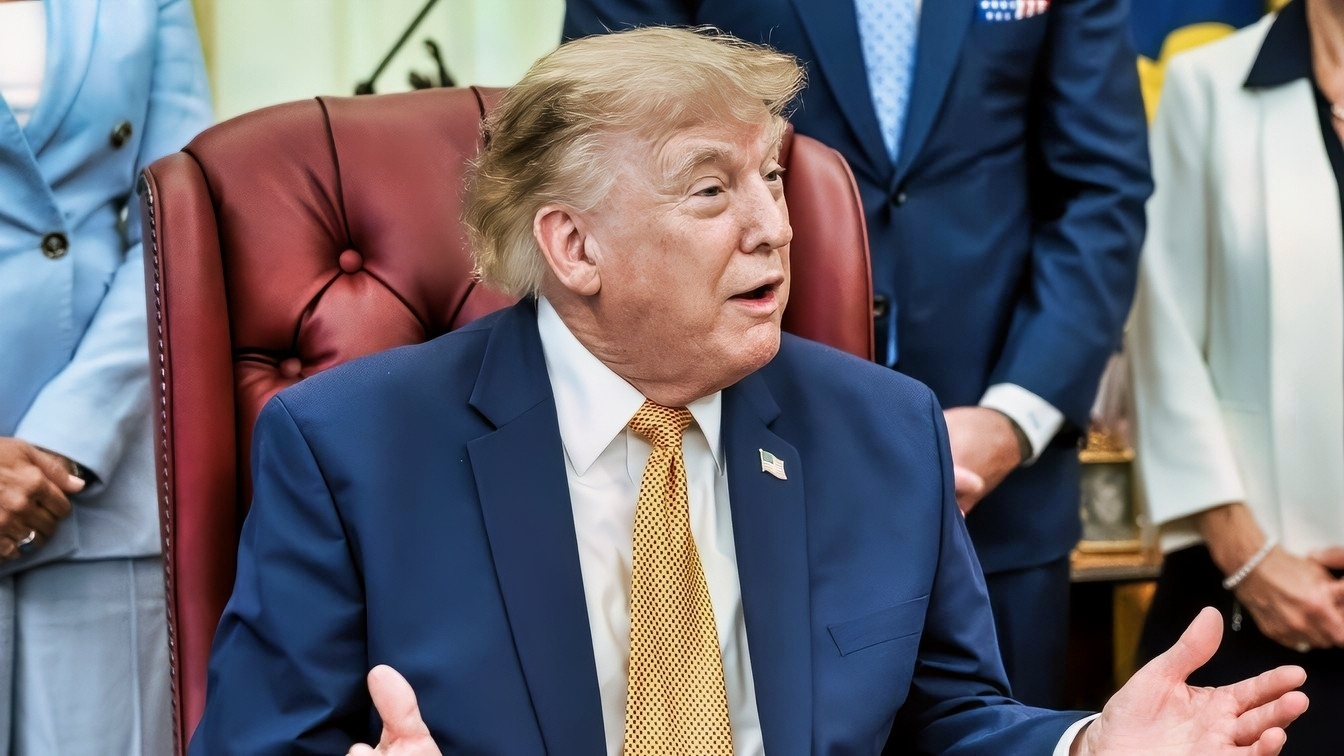
President Donald J. Trump make an announcement on steel, Monday, September 28, 2026, in the Oval Office at the White House. (Official White House Photo by Molly Riley)
Democrats will have choices to make: they can choose to investigate the Trump administration, challenge Trump’s policies, and pursue legislation.
The Democratic majority’s ability to enact a new agenda, however, will remain constrained by Trump’s veto power and Senate procedures.
So the question moving forward is whether Dems will emphasize confrontation with the Trump administration, legislation, or some combination of the two.
Congressional Power
What can the Democrats actually do? Control of the House and Senate would give Democrats important institutional advantages.
For example, they could determine committee leadership, schedule hearings, and influence which legislation reaches the floor. Meanwhile, congressional committees can investigate administration officials, federal contracts, executive actions, and potential conflicts of interest.
The House controls the initiation of impeachment proceedings, although removal requires a two-thirds Senate vote—and we’ve seen that play before.
Congress also has significant authority over federal appropriations.
However, any new legislation would need Trump’s approval, or sufficient congressional support to override a veto (a veto override requires two-thirds support in both chambers).
In effect, Democratic control of Congress should provide considerable oversight of the administration and bargaining power, but does not guarantee any legislative victories.
Oversight and Investigations
A possible Democratic priority would be investigating the Trump administration.
That has been a priority in the past and arguably has backfired politically.
This time around, if the Democrats are so inclined, potential subjects for investigation include executive conflicts of interest, immigration enforcement, foreign policy decisions, and the administration’s handling of the Iran war.
Congressional committees can subpoena documents, summon witnesses, and hold public hearings. Some Democrats argue that aggressive oversight is a congressional responsibility, that executive scrutiny is part of why Congress exists.
Critics, however, could argue that extensive investigations just perpetuate the cycle of partisan retaliation. From a more practical angle, investigations into Trump just haven’t worked in the past, often backfiring to help Trump claim, more credibly, that he is the victim of a witch-hunt.
Dems will need to weigh the benefits of confrontation with Trump against the downsides, including the diversion of attention away from legislative priorities.
The Economy
Far and away, cost-of-living concerns appear likely to remain central to political debate.
Democrats could introduce legislation addressing housing affordability, healthcare expenses, energy prices, or consumer costs.
Democrats could also revisit tariffs and other economic policies associated with the Trump administration.
Some proposals could attract bipartisan support but face opposition from Republicans or the White House.
Congressional majorities could use hearings to examine inflation, corporate pricing practices, and federal economic policy.
But Congress can’t just legislate gasoline prices downwards or reverse inflation.
Economic outcomes are complicated and interconnected and won’t be fixed overnight.
The Iran War
The Iran war could become one of the more consequential areas of conflict between Congress and the White House.
Democrats have the option of holding hearings that examine the administration’s justification for the war, its cost, and strategic objectives.
Democrats could pursue legislation requiring additional reporting on the war, enforcing congressional authorization requirements, or introducing a war powers resolution directing the termination of unauthorized hostilities.
Congress could also attempt to restrict funding for specified military operations.
These options could interfere with the administration’s business-as-usual approach.
Each approach is fraught with downsides and complications, of course, and will likely be a source of contention and debate within the Democratic Party.
2028
Democrats will, of course, also be mindful of the approaching 2028 presidential election. Again, Dems have strategic options here.
One approach would emphasize visible legislative proposals and efforts to be productive in a cooperative, bipartisan way.
Another approach could be to prioritize investigations and keep pressure on the administration high. Maybe some combination of both.
We’ll see.
But the results of how Dems approach their new majorities will partially dictate the outcomes of the 2028 presidential election.
About the Author: Harrison Kass
Harrison Kass is a writer and attorney focused on national security, technology, and political culture. His work has appeared in Tablet, City Journal, The Hill, The Spectator, and The Cipher Brief. He holds a JD from the University of Oregon and a master’s in Global & Joint Program Studies from NYU—more at harrisonkass.com.


