

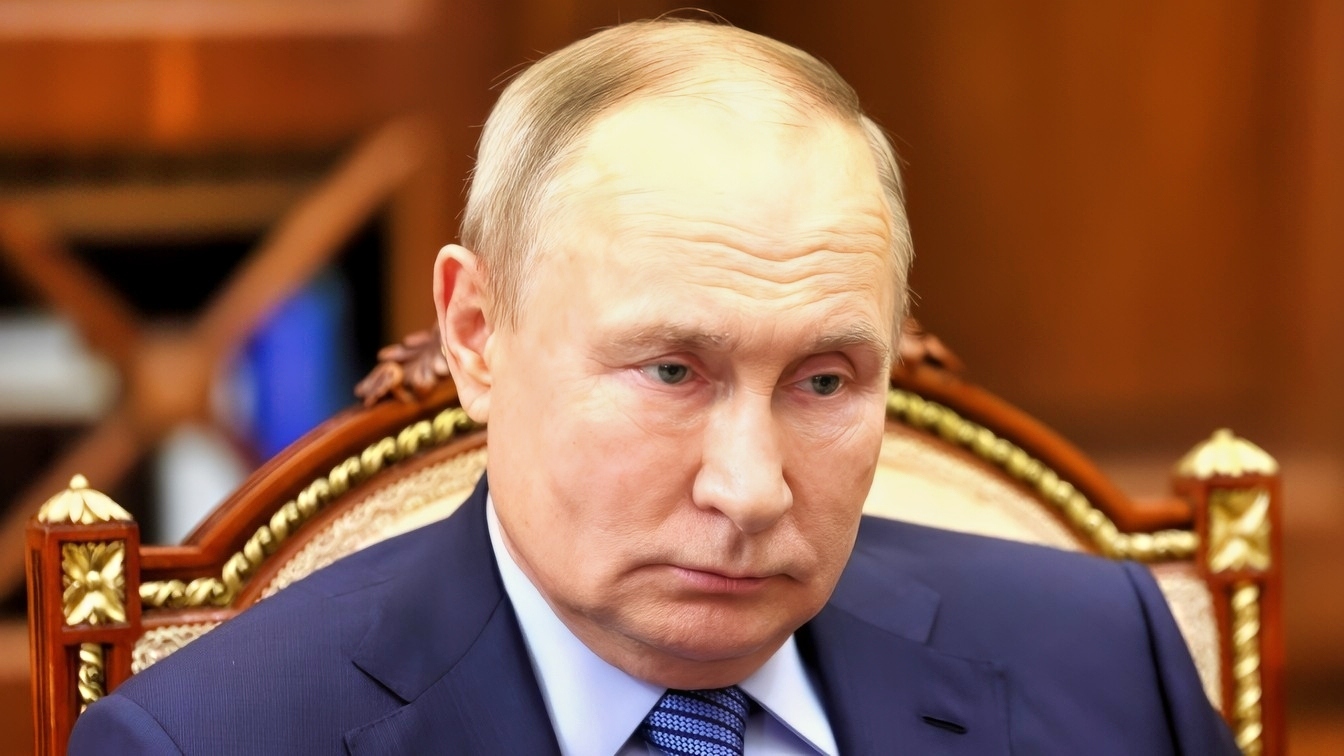
Russia’s Public Anger Is Testing Putin’s Grip: Russia’s public mood is becoming harder for Russian President Vladimir Putin to manage as the war reaches daily life through higher prices, internet shutdowns, fuel disruption and Ukrainian drone attacks. In fact, many experts are even predicting a coup could challenge Putin’s power in the months and years ahead.
Putin: In Trouble? A Look At What We Know

Putin Meeting with Indian Leaders Creative Commons Photo 2021
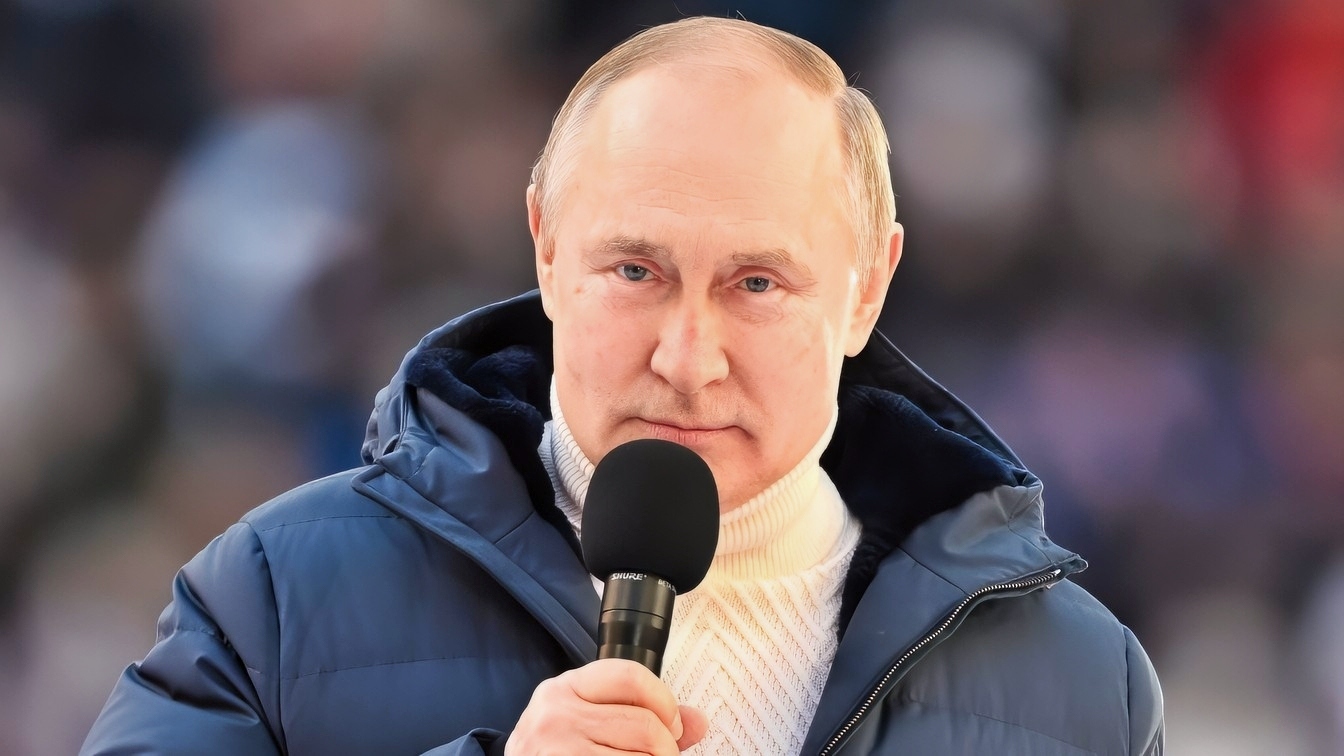
Putin in March 2022. Creative Commons Image.
An NBC News examination of the growing dissatisfaction describes a system that remains firmly controlled by the Kremlin while losing some of the confidence created by years of political stability.
Putin still records high approval. The independent Levada Center measured him at 74 percent in June, down 13 points from August 2025. A state pollster placed him at 65.6 percent in April, its lowest result since before the full-scale invasion, according to Reuters. Different methods produce different figures, but both show erosion from earlier wartime highs.
Economic sentiment is moving more sharply. Gallup found that 60 percent of Russians believed conditions in their local area were getting worse, the most pessimistic result in at least two decades, according to Reuters. Levada separately found that 35 percent expected the next year to be bad for the economy, while 29 percent expected a good year.
The Bank of Russia cut its 2026 growth forecast to between zero and 1 percent and raised its inflation projection to between 6 and 7 percent. Petrol prices have risen 16 percent since January. The central bank still lowered its key rate to 14 percent on July 24, balancing weak growth against price pressure, according to its latest policy decision.
Putin Still Controls Russia’s Political System
Growing frustration has not produced an organized challenge.
Russia’s security services, controlled media, courts and election system leave opponents with few ways to convert anger into political power. Recent complaints have come mainly from loyalists, business figures and online personalities criticizing specific failures.
The scale of that criticism is still unusual. The Associated Press documented viral appeals from prominent Russian figures over internet restrictions, emergency responses and economic strain. The complaints fit a wider pattern in which drone attacks and commercial disruption are reaching households once insulated from the war.
The Ukraine War Is Reaching Russian Daily Life
Putin defended mobile internet shutdowns as a security requirement against drone attacks, but the restrictions have interrupted payments, navigation, deliveries and small businesses. He acknowledged the frustration in April while insisting safety came first, according to Reuters. The Kremlin now has to explain why a war presented as distant requires recurring communication blackouts in major cities.
Ukrainian strikes have damaged refineries and warehouses, contributing to fuel lines and consumer disruption. Russia’s effort to sustain a wartime economy without destabilizing an eventual peace has created groups dependent on military spending while civilian sectors absorb higher borrowing and labor costs. The government is also expanding civil-defense and reserve procedures as concern grows over another mobilization.
More Russians Want Negotiations
Levada’s June survey found that 64 percent favored peace negotiations, up four points in one month, while 29 percent wanted military operations to continue. Support for negotiations reached 78 percent among respondents younger than 25 and 70 percent among those who could barely afford food. The same poll still recorded broad support for the armed forces.
Putin has shown little interest in changing course. He continues demanding Ukrainian territorial concessions and has rejected proposals to stop long-range attacks. That position leaves the Kremlin committed to escalation as support for negotiations rises.
Putin’s Stability Argument Is Getting Weaker
Putin’s authority has rested heavily on order, security and improving living standards. Ukrainian drones now reach Moscow, refineries and distribution centers. Internet restrictions interrupt ordinary life, fuel prices are rising and the economy may record no growth this year. These developments weaken the record he uses to justify remaining in power.
The danger for the Kremlin is cumulative. Repeated disruptions make the war harder to separate from household finances and personal security. The sense that Russia is paying more without securing Putin’s stated objectives can spread without producing a public opposition movement.
Putin remains protected by a powerful state apparatus and the absence of a credible national rival. His June approval was still 74 percent. The same month, nearly two-thirds of Russians said negotiations should begin, while economic pessimism reached levels unseen in decades.
About the Author: Harry J. Kazianis
Harry J. Kazianis (@Grecianformula) was the former Senior Director of National Security Affairs at the Center for the National Interest (CFTNI), a foreign policy think tank founded by Richard Nixon based in Washington, DC. Harry has over a decade of experience in think tanks and national security publishing. His ideas have been published in the NY Times, The Washington Post, The Wall Street Journal, CNN, and many other outlets worldwide. He has held positions at CSIS, the Heritage Foundation, the University of Nottingham, and several other institutions related to national security research and studies. He is the former Executive Editor of the National Interest and the Diplomat. He holds a Master’s degree focusing on international affairs from Harvard University.


