


Trump’s Iran War Is Moving From the Gas Pump to Mortgage Rates: President Donald Trump’s Iran war is now increasing borrowing costs inside the United States as oil prices, inflation expectations and Treasury yields move higher together. A CNN examination of the market reaction described a bond selloff that pushed long-term yields toward levels capable of raising the cost of mortgages, business debt and other credit.
Brent crude briefly crossed $100 per barrel after Houthi attacks on Saudi tankers widened the shipping threat from the Strait of Hormuz to the Red Sea. A Reuters review of the inflation risk said the energy increase had revived concern about stagflation, where higher prices arrive alongside weak economic growth.
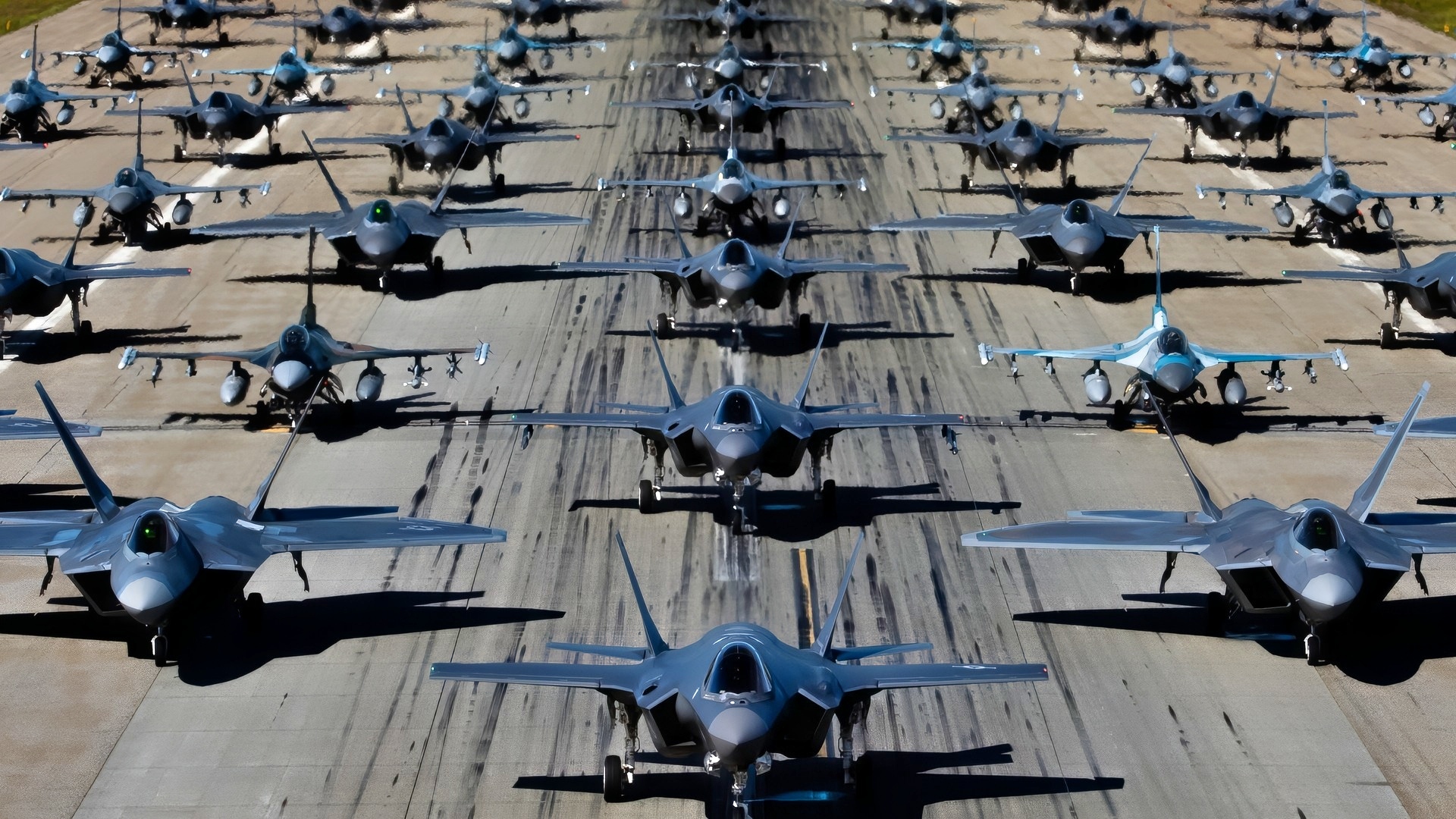
The 354th Fighter Wing conducts a 75-fighter jet formation at Eielson Air Force Base, Alaska, Aug. 12, 2022, in honor of the U.S. Air Force’s 75th Anniversary. This capabilities demonstration included F-35A Lightning II, F-16 Fighting Falcon and F-22 Raptor aircraft from across Pacific Air Forces. (U.S. Air Force photo by Senior Airman Gary Hilton)

F-22 Raptor Firing Missile. Image Credit: Creative Commons.
The inflation backdrop was already difficult before the latest oil increase. The Bureau of Labor Statistics reported that consumer prices were 3.5 percent higher in June than a year earlier. Energy prices rose 15.7 percent, while gasoline increased 26.7 percent. A temporary June decline in energy costs reflected the earlier pause in fighting, leaving the renewed oil increase likely to appear in later reports.
Housing has responded quickly. Freddie Mac said the average 30-year fixed mortgage reached 6.58 percent on July 23, up from 6.43 percent at the beginning of the month. Mortgage rates do not move in exact alignment with the 10-year Treasury, but both respond to inflation expectations, economic conditions and anticipated Federal Reserve policy.
The Iran War Is Changing the Federal Reserve’s Options
The Federal Reserve enters its July 28-29 meeting with less room to support economic growth. Its July monetary policy report said one-year inflation expectations in the University of Michigan survey rose from 3.4 percent in February to 4.6 percent in June. The conflict is already entering household budgets through energy costs, and another sustained oil increase would strengthen the case for keeping rates elevated. That possibility has made Federal Reserve policy part of the war’s domestic political effect.
Energy shocks can fade when production and shipping recover. A Dallas Fed scenario analysis found that the inflation outcome depends heavily on the size and duration of the oil increase. A prolonged disruption can spread through transportation, production costs, wages and consumer expectations, making inflation harder to contain.
Higher Treasury Yields Reach American Borrowers Quickly
The bond market distributes that uncertainty throughout the economy. Treasury yields influence mortgage pricing, corporate bonds, municipal debt and many consumer loans. Families already carrying large credit-card, auto-loan and household-debt balances face higher costs when borrowing rates remain elevated.
The 10-year Treasury yield reached 4.71 percent, while the 30-year yield moved near 5.20 percent before easing slightly on July 24. A Reuters analysis of the bond selloff said investors were reassessing inflation, Federal Reserve policy and government financing needs. Higher yields also increase the interest cost when federal debt matures and must be refinanced.
Oil Near $100 Affects More Than Gasoline
Oil prices reach consumers through diesel, jet fuel, freight, farming, chemicals and manufacturing. A recent eight-week stretch of falling pump prices ended before the latest surge in crude, with the Iran conflict again driving fuel costs higher. Transportation expenses eventually enter the price of food and other goods moved by truck, ship or aircraft.
The United States produces more crude oil than any other country, giving it greater protection than energy-importing economies in Europe and Asia. American buyers still pay prices shaped by world markets. The Energy Information Administration’s chokepoint data shows why disruption around Hormuz can affect global supply, while threats near Bab el-Mandeb add another source of shipping and insurance costs. Emergency releases can cushion the shock, but continued withdrawals reduce the reserve available for a longer crisis.
Trump Needs an Iran Exit Before High Rates Become Entrenched
Trump’s political exposure grows when voters connect the war to monthly payments rather than distant military operations. Public opposition to the campaign has increased as Americans question whether its costs are justified. Mortgage rates, gasoline prices and borrowing costs give households a direct way to measure those costs.
A ceasefire that restores tanker traffic could lower the oil premium and relieve part of the pressure on bonds. Continued attacks would keep investors preparing for another inflation increase, reinforcing the political danger created by higher consumer prices. The next Federal Reserve decision is scheduled for July 29. Officials will meet with Brent near $100, the 10-year Treasury close to 4.7 percent and the average 30-year mortgage at 6.58 percent.
About the Author: Harry J. Kazianis
Harry J. Kazianis (@Grecianformula) was the former Senior Director of National Security Affairs at the Center for the National Interest (CFTNI), a foreign policy think tank founded by Richard Nixon based in Washington, DC. Harry has over a decade of experience in think tanks and national security publishing. His ideas have been published in the NY Times, The Washington Post, The Wall Street Journal, CNN, and many other outlets worldwide. He has held positions at CSIS, the Heritage Foundation, the University of Nottingham, and several other institutions related to national security research and studies. He is the former Executive Editor of the National Interest and the Diplomat. He holds a Master’s degree focusing on international affairs from Harvard University.


