
Summary and Key Points: The Air Force is accelerating the B-21 Raider program by boosting annual production capacity by 25 percent, backed by $4.5 billion in supplemental funding, to start fielding operational bombers in 2027 at Ellsworth.
-Yet officials still hold to the public baseline of “at least 100” aircraft, even as the production line speeds up and some reporting suggests rates could reach about eight per year.

A second B-21 Raider test aircraft takes off, Sept. 11, from Palmdale, Calif., to join the Air Force’s flight test campaign at Edwards Air Force Base, Calif. The addition of the second test aircraft expands mission systems and weapons integration testing, advancing the program toward operational readiness. (Courtesy photo)
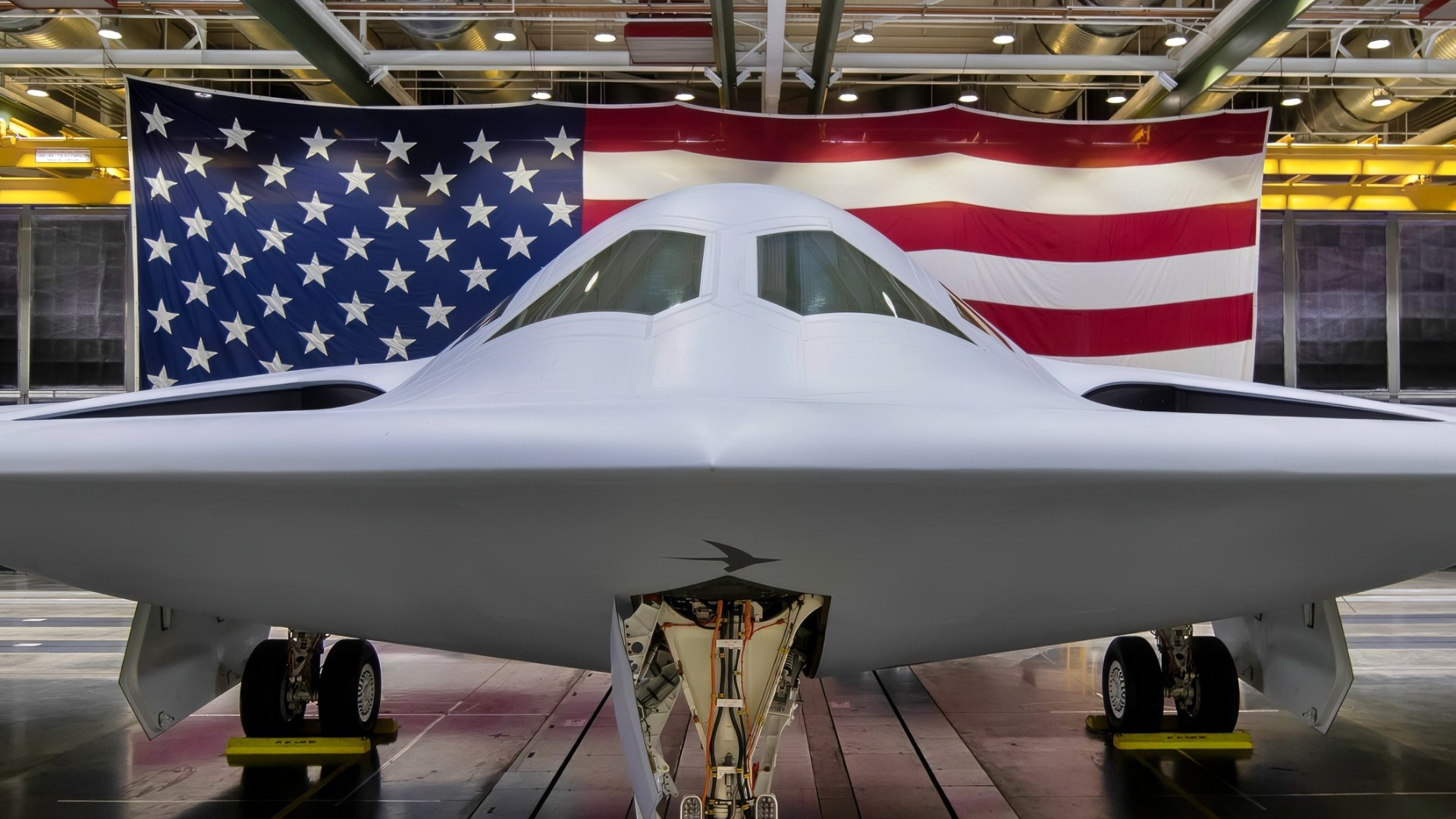
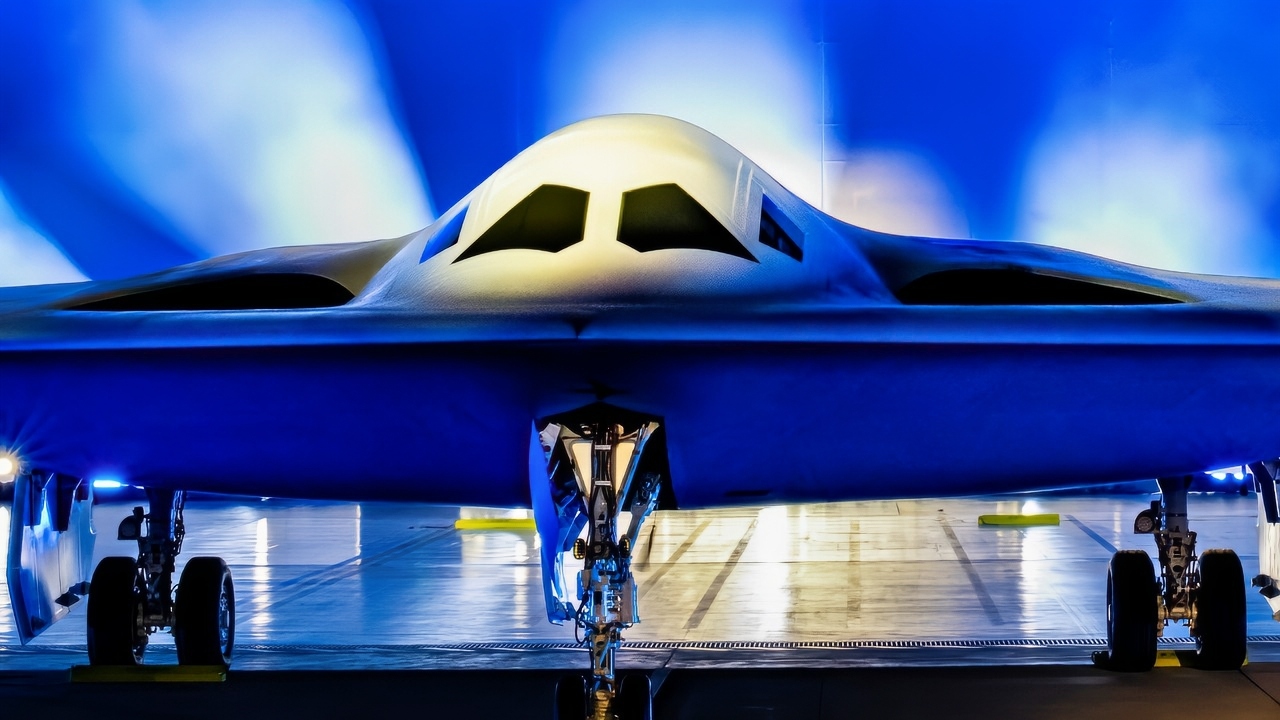
The B-21 Raider was unveiled to the public at a ceremony December 2, 2022 in Palmdale, Calif. Designed to operate in tomorrow’s high-end threat environment, the B-21 will play a critical role in ensuring America’s enduring airpower capability. (U.S. Air Force photo)
-The core argument: a 100-jet fleet won’t translate into 100 ready aircraft once training, deep maintenance, upgrades, and deployments are factored in—driving calls for a 200-bomber buy.
-Expanded capacity also keeps a larger order possible later, even if totals stay classified.
The B-21 Raider Bomber Math Question: How Many Will Be Built?
The U.S. Air Force still expects the B-21 Raider fleet size to remain at the official figure of at least 100 aircraft, according to a U.S. Air Force official who spoke to The War Zone, as reported on February 24, 2026.
That confirmation arrived almost immediately after the Air Force and Northrop Grumman finalized an agreement to expand annual B-21 production capacity by 25 percent – a move funded by $4.5 billion in supplemental money tied to last year’s reconciliation package and intended to get the first operational Raiders fielded beginning in 2027.
The admission is curious: the Air Force is moving faster, but the 100 figure doesn’t appear to be changing for now – despite enormous pressure from military officials, observers, and analysts who all note that China’s military growth and Russia’s nuclear posture all suggest the U.S. should go all-in on the next-generation bomber platform.
What the 25% Production Acceleration Really Changes
The Air Force’s announcement is strictly about production capacity, and not a new buy. It means the government and Northrop Grumman have agreed to increase the program’s ability to build B-21s each year by roughly a quarter, while compressing delivery timelines without (in theory) losing control of cost or performance.
The specific output rates are classified, but Aviation Week reported that the production rate is understood to be up to eight aircraft per year, which provides at least a rough sense of the pre-acceleration baseline.
Northrop Grumman CEO Kathy Warden described the efforts as “game-changing” in a statement.
“The strong performance of the B-21 program has our Northrop Grumman and Air Force team ready to accelerate production of this game-changing capability for our nation,” Warden said. “Northrop Grumman has invested more than $5 billion in digital engineering and manufacturing infrastructure, and we are ready to produce B-21 faster.”
The near-term objective is to get operational B-21s into service beginning in 2027, with Ellsworth Air Force Base, South Dakota still the initial location for the first operational aircraft and the formal training unit.
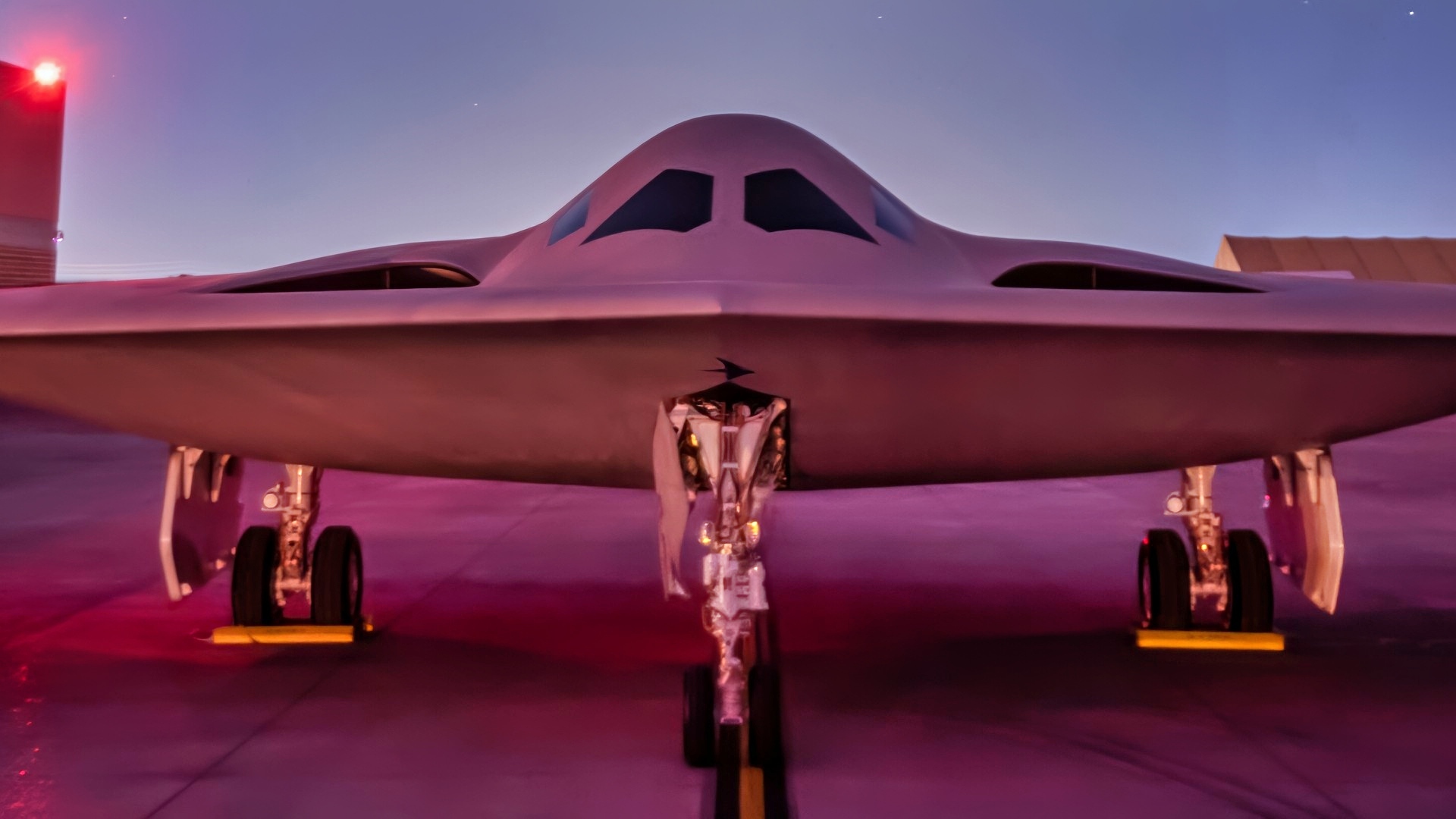
The B-21 Raider was unveiled to the public at a ceremony December 2, 2022 in Palmdale, Calif. Designed to operate in tomorrow’s high-end threat environment, the B-21 will play a critical role in ensuring America’s enduring airpower capability. (U.S. Air Force photo)
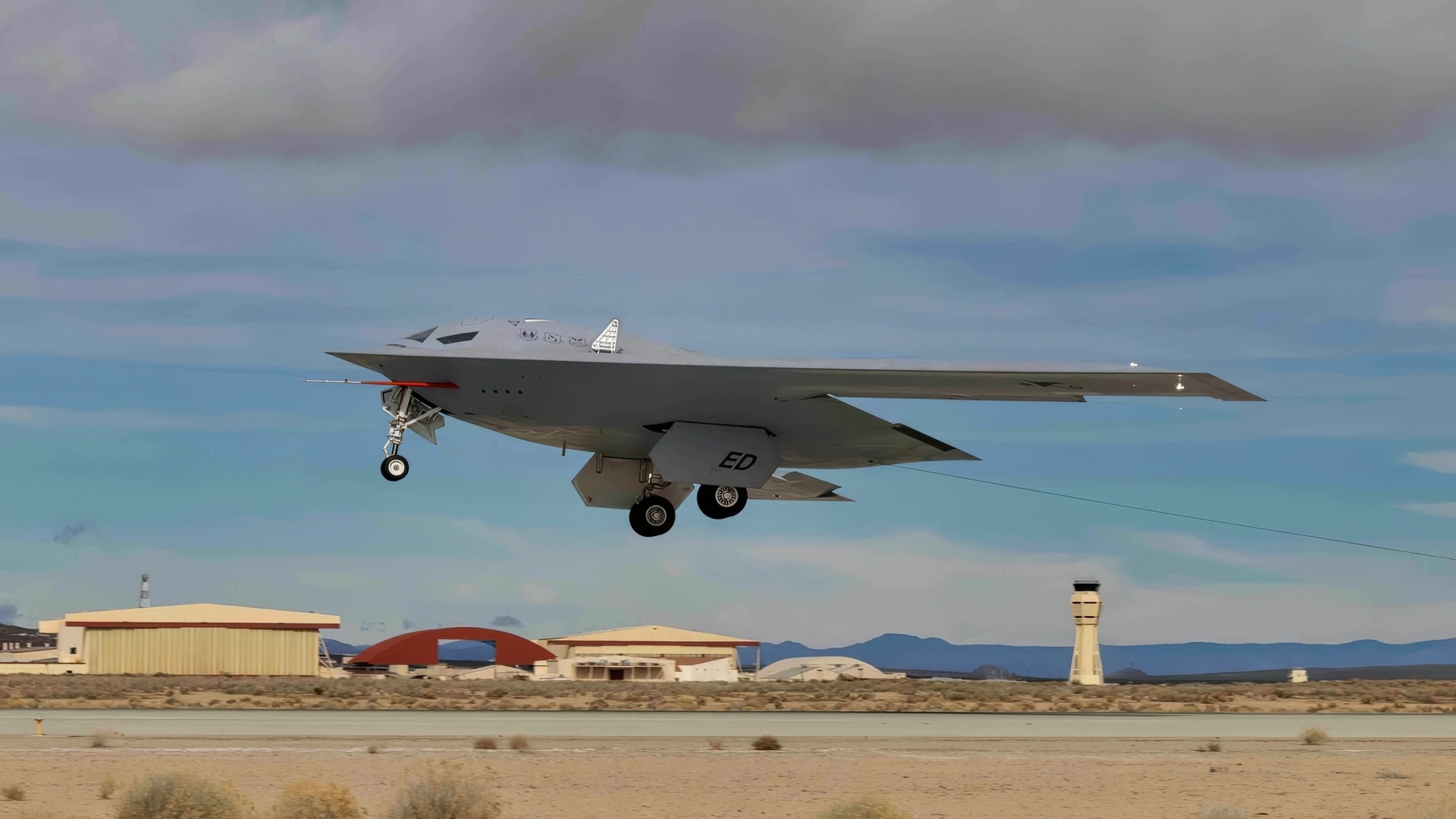
A B-21 Raider conducts flight tests, which includes ground testing, taxiing, and flying operations, at Edwards Air Force Base, California, where it continues to make progress toward becoming the backbone of the U.S. Air Force bomber fleet. The B-21 will possess the range, access, and payload to penetrate the most highly-contested threat environments and hold any target around the globe at risk. The B-21 program is on track to deliver aircraft in the mid-2020s to Ellsworth Air Force Base, South Dakota, which will be the first B-21 main operating base and location for the B-21 formal training unit. (Courtesy photo)
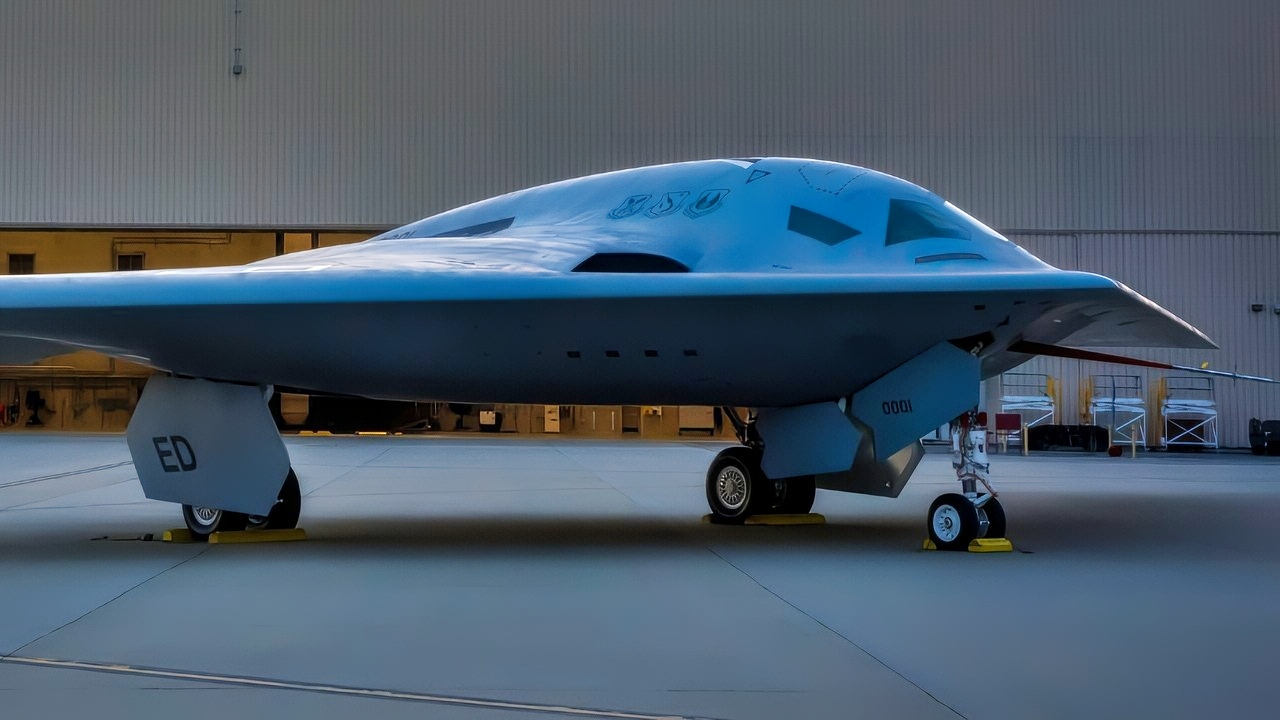
The B-21 Raider is designed with an open systems architecture, enabling rapid insertion of mature technologies and allowing the aircraft to be effective as threats evolve. The bomber was designed up front for supportability and maintainability-based upon decades of lessons learned and best practices from prior aircraft programs-to improve long-term affordability and outcomes in operations and sustainment. The B-21 first flight is anticipated to take place in calendar year 2023. (U.S. Air Force photo)
The B-21 is now in low-rate initial production (LRIP) – a phase where the Pentagon orders early “lots” of aircraft as manufacturing processes mature and the first few aircraft are tested.
Why 100 Matters
A force of 100 stealth bombers sounds enormous, especially given that the U.S. only operates 19 B-2 Spirit stealth bombers. That figure sounds less substantial, however, when one considers how many are actually usable on a given day.
Any fleet will always be split across aircraft in deep maintenance, training, testing, upgrades, forward-deployed, or ready to deploy.
The B-21 is a penetrating bomber: a stealth aircraft designed to survive inside heavily defended airspace where non-stealth aircraft risk being detected and engaged by modern radars and surface-to-air missiles. It is a hugely valuable asset, but a single aircraft cannot quickly be where it needs to be at any given time, and nor can it be guaranteed that the aircraft is actually ready to fly.
With so few B-2 Spirits to fall back on, the U.S. bomber enterprise is aging and scattered. The Air Force Global Strike Command still fields B-1 and B-52 bombers across its bomb wings, revealing just how much of today’s long-range strike capacity rests on aircraft designed decades ago.
Now consider the Indo-Pacific: distances are vast, and basing is politically and militarily difficult. China has also spent years building layered air defenses and long-range strike capabilities designed to hold U.S. forces at risk. In that environment, having “enough” bombers isn’t really sufficient. The U.S. needs more than “enough” if it is going to be prepared for a high-end conflict contingency.
Why Analysts Say 200 Bombers Are Necessary
Analysts and military officials are increasingly arguing that a much larger B-21 fleet, potentially double the 100 aircraft currently anticipated, is necessary to ensure American bombers can operate with relative safety and deny China operational “sanctuaries” where it may be able to launch attacks while staying out of reach.
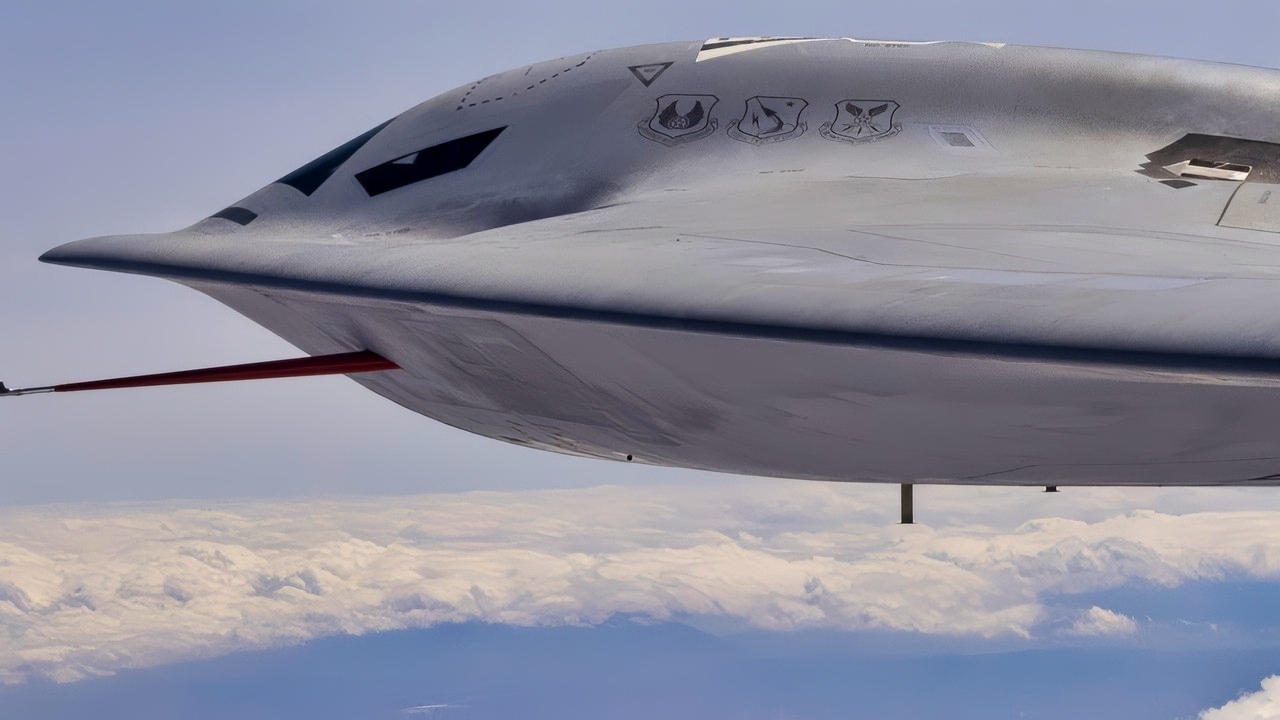
B-21 Raider. Image Credit: U.S. Air Force.
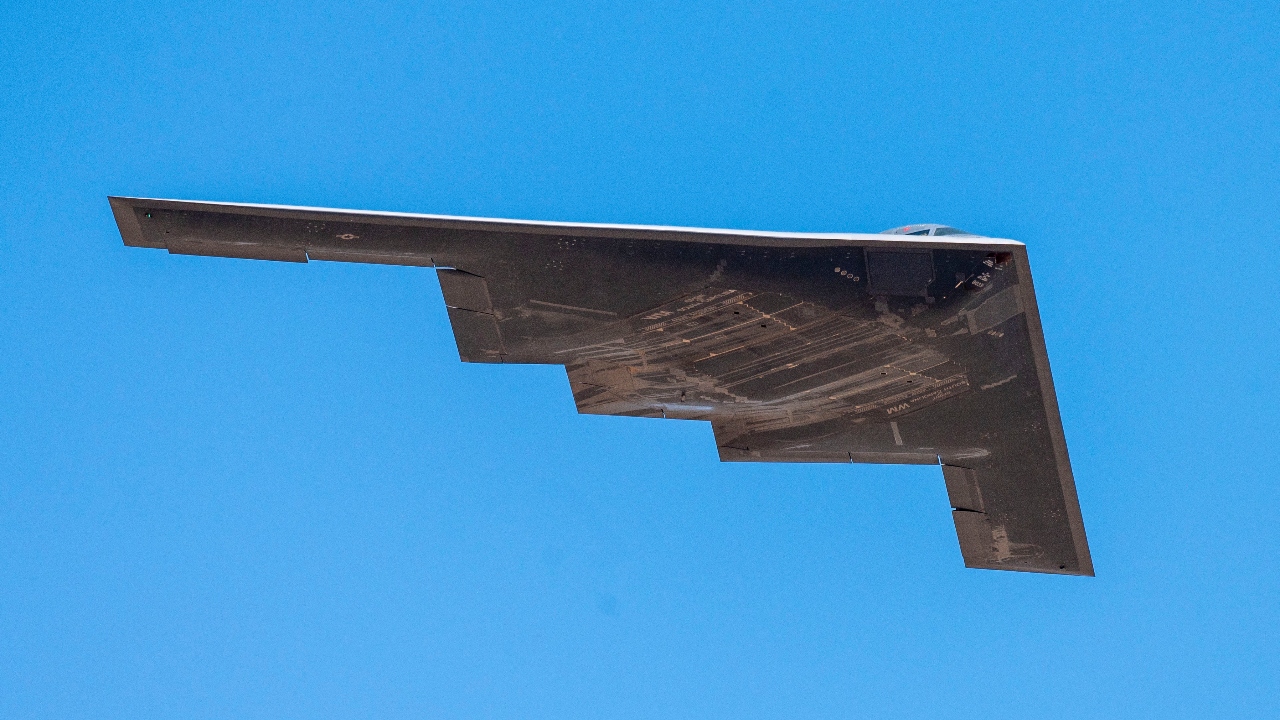
A B-2 Spirit makes a low pass flyover as part of the Warriors over the Wasatch airshow at Hill Air Force Base June 29, 2024. The 2024 Warriors over the Wasatch airshow was centered around the “Breaking Barriers Together” theme, celebrating one community. The B-2 Spirit, the predecessor to the new B-21 Raider, has been the U.S. Air Force’s premiere stealth bomber for more than 20 years. (U.S. Air Force photo by Senior Airman Jack Rodgers)
In plain English: the argument is that in a potential conflict in Taiwan or the Western Pacific, the U.S. cannot afford to let China fire missiles or sortie aircraft from protected zones without a credible strike option that can reach deep targets. A larger B-21 force would mean more stealth aircraft are available at any one time to carry heavy payloads across long distances – and sustain that activity for extended periods if necessary.
No Changes – For Now
For now, the Air Force is sticking to the original plan – but things are still changing. Production capacity is growing, and a mature production line means that adding extra aircraft to the order in the future is perfectly plausible – as long as it doesn’t come too late. The final B-21 fleet size figure is also expected to be classified, and that expanded capacity means that a larger buy is still possible.
That means the Air Force may never really admit how many aircraft are built, and the 200 figure may actually be met in time.
About the Author: Jack Buckby
Jack Buckby is a British researcher and analyst specialising in defence and national security, based in New York. His work focuses on military capability, procurement, and strategic competition, producing and editing analysis for policy and defence audiences. He brings extensive editorial experience, with a career output spanning over 1,000 articles at 19FortyFive and National Security Journal, and has previously authored books and papers on extremism and deradicalisation.


Steven F
March 1, 2026 at 10:11 am
The reason the terminology is holding around “at least 100” bombers is because they won’t know the ultimate total until production is well underway and any delays or overruns have made themselves apparent. This is also one of the reasons why they are speeding up production: when production drags on and delays happen, costs spiral and skyrocket. The fiscal hawks on the Hill will only allow the Pentagon to invest so much in any one program, regardless of how important said program is to our national security and global power. So, until they know whether or not production will continue on track and the associated costs will remain in check as a response, they cannot say with any certainty whether they’ll increase orders. This also serves as an incentive for the defense base to keep production on time, because doing so directly equates to more airframes being ordered, thus resulting in more profits. Delays and overruns eat into their profits, so keeping the number of platforms on a sliding scale in regard to this incentivises them to keep timelines tight and production efficient. If delays in manufacturing and supply line issues emerge, then the cost of each bomber will skyrocket, much like previously canceled DoD programs, like the Constellation and Zumwalt programs. And the scaling back of the B-2 Spirit orders. Only time will tell just how many we’ll actually be able to order. Gotta save some money for our “fearless leaders” to give their benefactors and scam artists. National Security needs be darned. Nevermind if we don’t have security, then that saved money won’t matter because we won’t be around to otherwise waste it.