

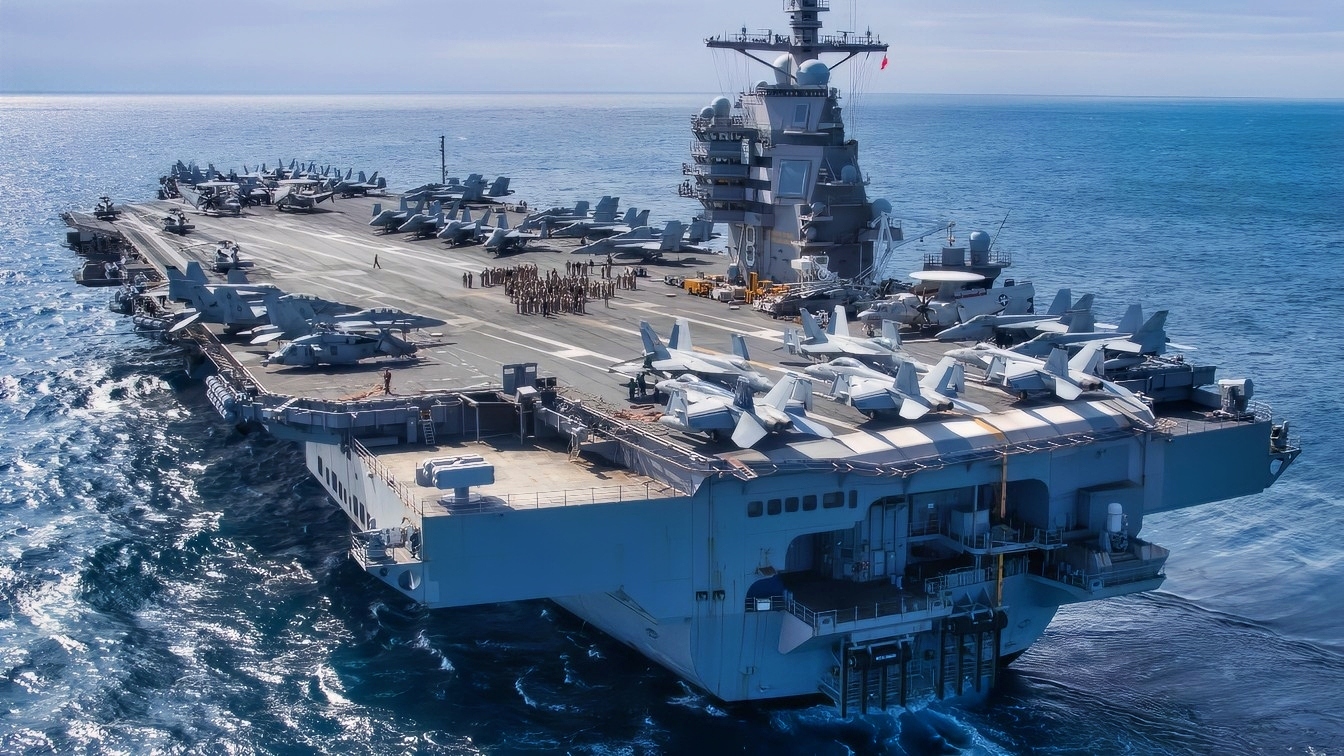
In the last week, there have been increased reports of diminished U.S. stockpiles of weapons, including Patriot anti-missile interceptors.
The New York Times reported over the weekend that such concerns were a factor in the United States pausing strikes on Iran in recent days.
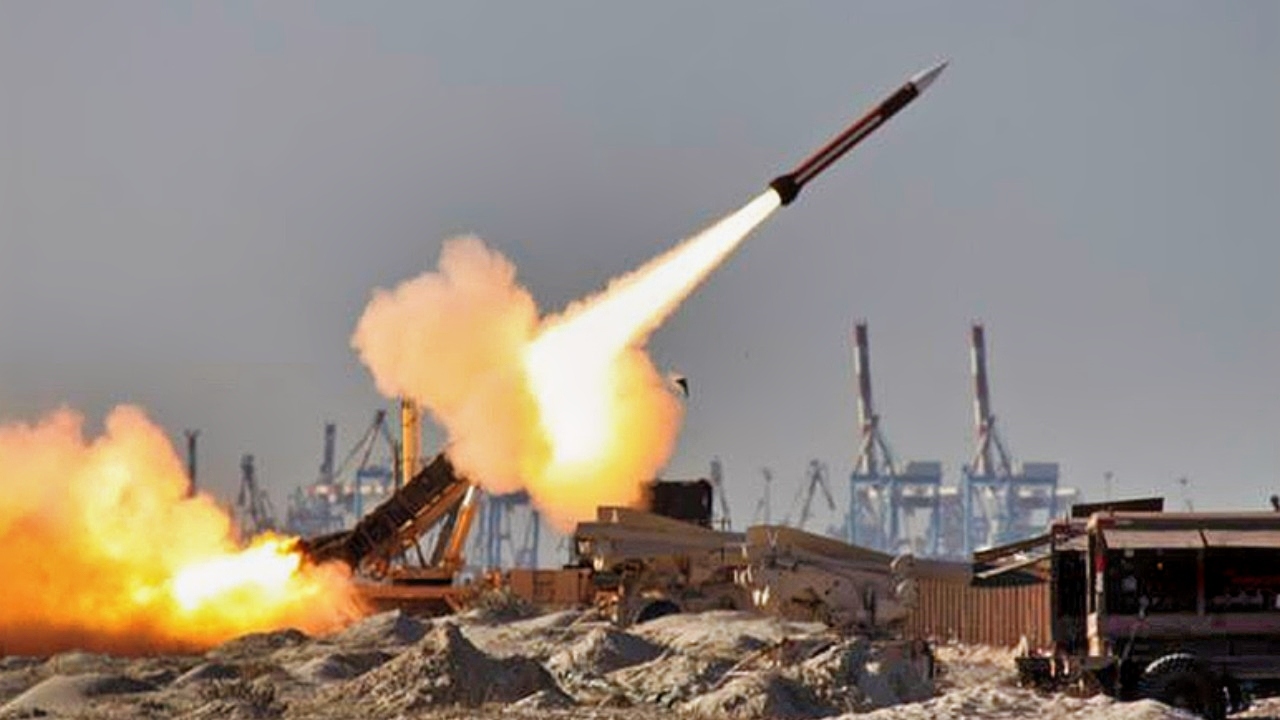
Patriot Missile Interceptor Test. Image Credit: Creative Commons.
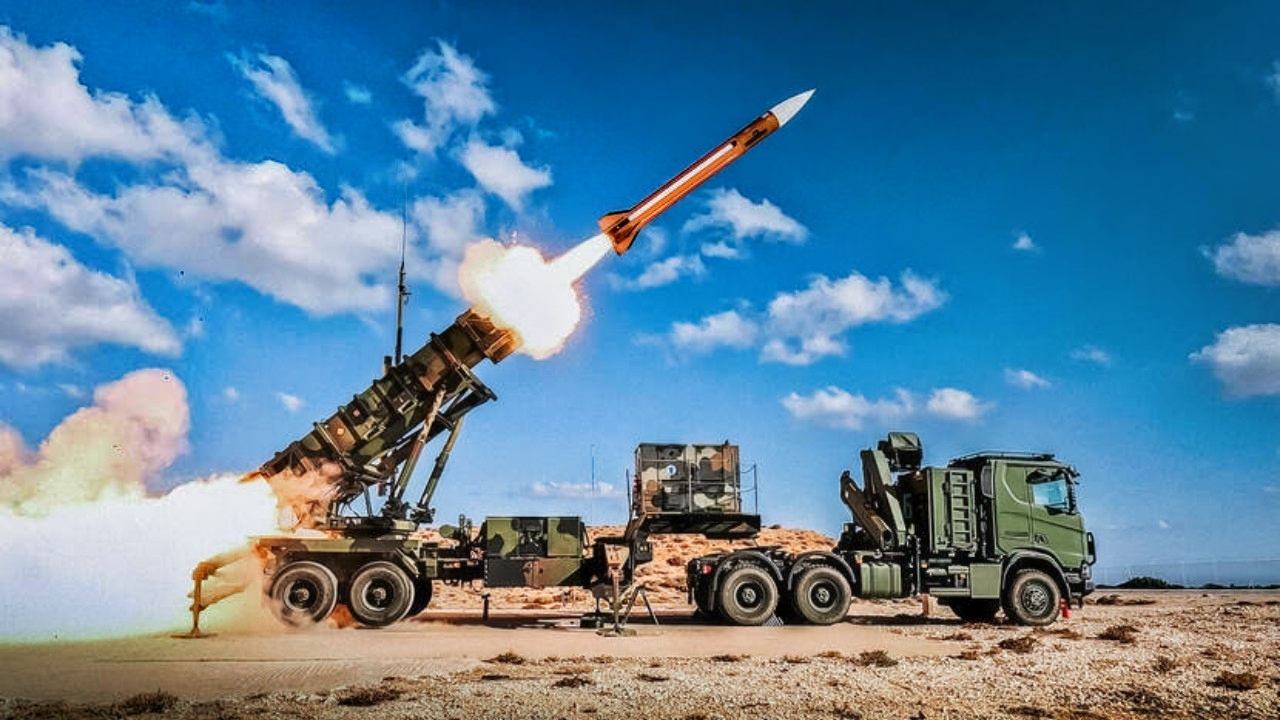
Patriot Missile Launch. Image Credit: Creative Commons.
“The private deliberations have focused on the Pentagon’s shrinking inventory of Patriot interceptors and other air defenses, the officials said, discussing operational matters on the condition of anonymity,” the Times reported.
The newspaper added that Gen. Dan Caine, the chairman of the Joint Chiefs of Staff, has privately warned that “resuming major combat operations against Iran was doable but that it would dangerously deplete interceptors available to the military’s Central Command.”
Some in the Administration have soft-pedaled such concerns and, in some cases, blamed them on the former Biden Administration. U.S. Ambassador to the United Nations Mike Waltz made that point in an appearance on NBC’s “Meet the Press” on Sunday.
“I want to be crystal clear: The U.S. military, and I’ve verified this every which way, has everything that it needs to conduct this campaign as effectively as it needs to be,” Waltz said on the Sunday show. “And I have to tell you, the people that are leaking this nonsense deserve to be in jail.”
What’s the truth of this? That was discussed this week on PBS’ “NewsHour.”
A Presidential Denial
As noted in the PBS report, the president has directly denied that the pause was caused by any concerns about a weapons shortage, but he didn’t seem to deny the weapons shortage itself. He did state, however, that “we’re in very good shape. But for some of the more sophisticated stuff, we’d certainly like to have more.”
The White House Communications Director, Steven Cheung, also weighed in.
“The United States military has enough weapons and munitions to serve all of the Commander-in-Chief’s strategic goals. It would be wise for Iran to work toward a negotiated deal. Otherwise, they know what will happen,” Cheung said, per the PBS report.
An Expert Speaks
The PBS report also spoke to Jerry McGinn of the Center for Strategic and International Studies about the weapons question, which CSIS has studied.
It even publishes counts of how many Patriot interceptors remain in the U.S. arsenal, which its site currently lists at 759–827, compared to 2,330 before the war and just over 1,000 at the time of the ceasefire.
“Well, we have done analysis on Operation Epic Fury in Iran and other recent areas,” McGinn said of the current military campaign. “And there has been — we have used a lot of munitions, as you have seen over the past several months, particularly interceptors like Patriot and theater air missile defense.”
Another concern will be what will happen if there’s another situation elsewhere in the world that requires use of such weapons.
They’re also, he said, not easy to build.
“They are exquisite weapons. However, they were not built and designed to be built like Ford trucks. They are essentially handmade in a lot of ways,” McGinn told NewsHour. “And it takes 24 months to create a — from contract award to delivery to create a Patriot missile. Likewise, Tomahawks take about three years. So you can’t stamp them — crank them out in a really quick manner.”
“Multiple Options”
So what’s next in the war?
“The U.S. pause isn’t only about diplomacy.
It’s also about the inventory of American air defense and Arab warnings,” PBS correspondent Nick Schifrin said as part of the report. “Two U.S. officials tell me that, late last week, the military presented the president with multiple options.”
“The military argued, if the president decided to escalate, that would erode Iran’s capability to attack ships and U.S. bases and would therefore save precious American air defense interceptors.
But the U.S.’ Gulf allies were warning the president against escalation, fearing Iranian attacks on Arab capitals, desalination plants, and commercial centers that the U.S. could not prevent,” the PBS report said.
The president was also warned that Iran’s attacks could continue, and that “could challenge the U.S. ability to defend its own bases from Iranian attacks.”
About the Author: Stephen Silver
Stephen Silver is an award-winning journalist, essayist, and film critic, and contributor to the Philadelphia Inquirer, the Jewish Telegraphic Agency, Broad Street Review, and Splice Today. The co-founder of the Philadelphia Film Critics Circle, Stephen lives in suburban Philadelphia with his wife and two sons. For over a decade, Stephen has authored thousands of articles that focus on politics, national security, technology, and the economy. Follow him on X (formerly Twitter) at @StephenSilver, and subscribe to his Substack newsletter.


