
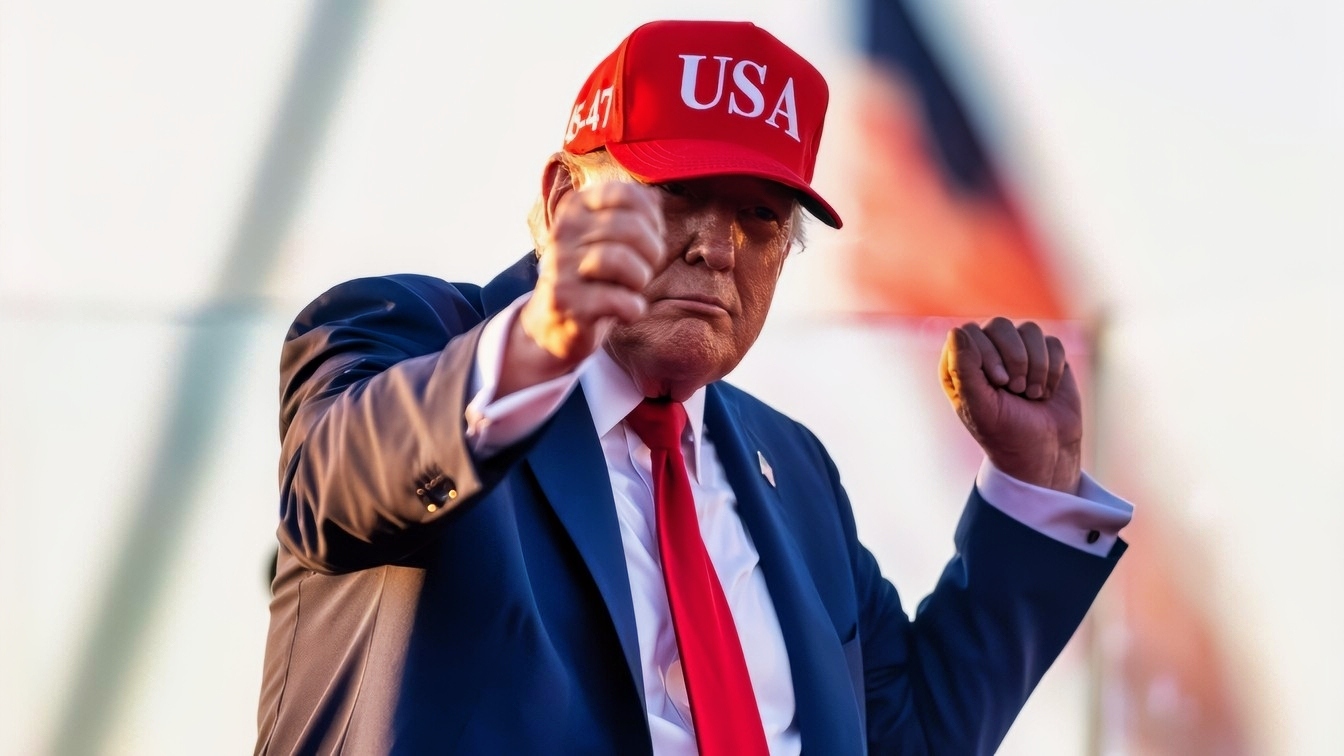
Republicans are divided over President Donald Trump and the role he should — or shouldn’t — play in the 2028 presidential election following the devastating, sweeping losses in the November midterms.
Some party leaders are publicly calling for the president to step aside and allow a new generation of Republicans to take over.
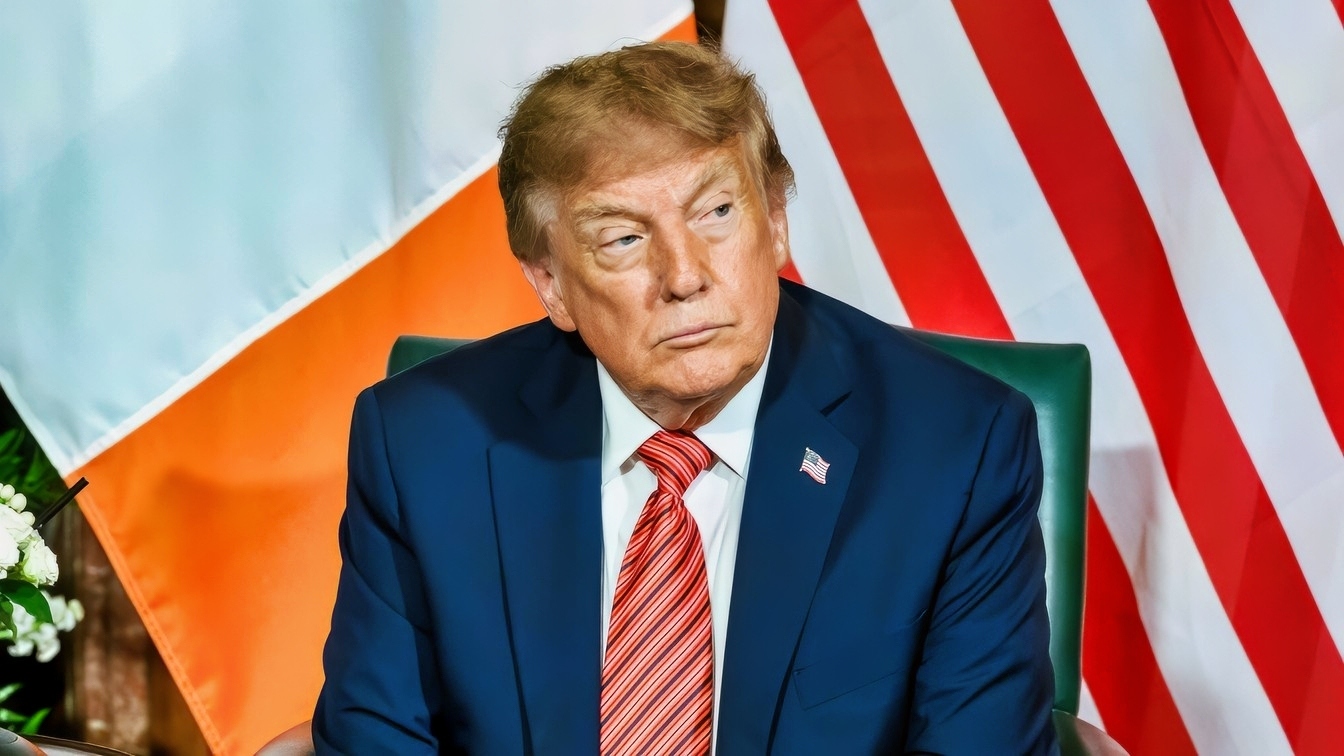
President Donald J. Trump participates in a courtesy call with Taoiseach Michael Martin at Farmleigh House, the official Irish state guest house, Saturday, September 12, 2026, in Dublin. (Official White House Photo by Daniel Torok)
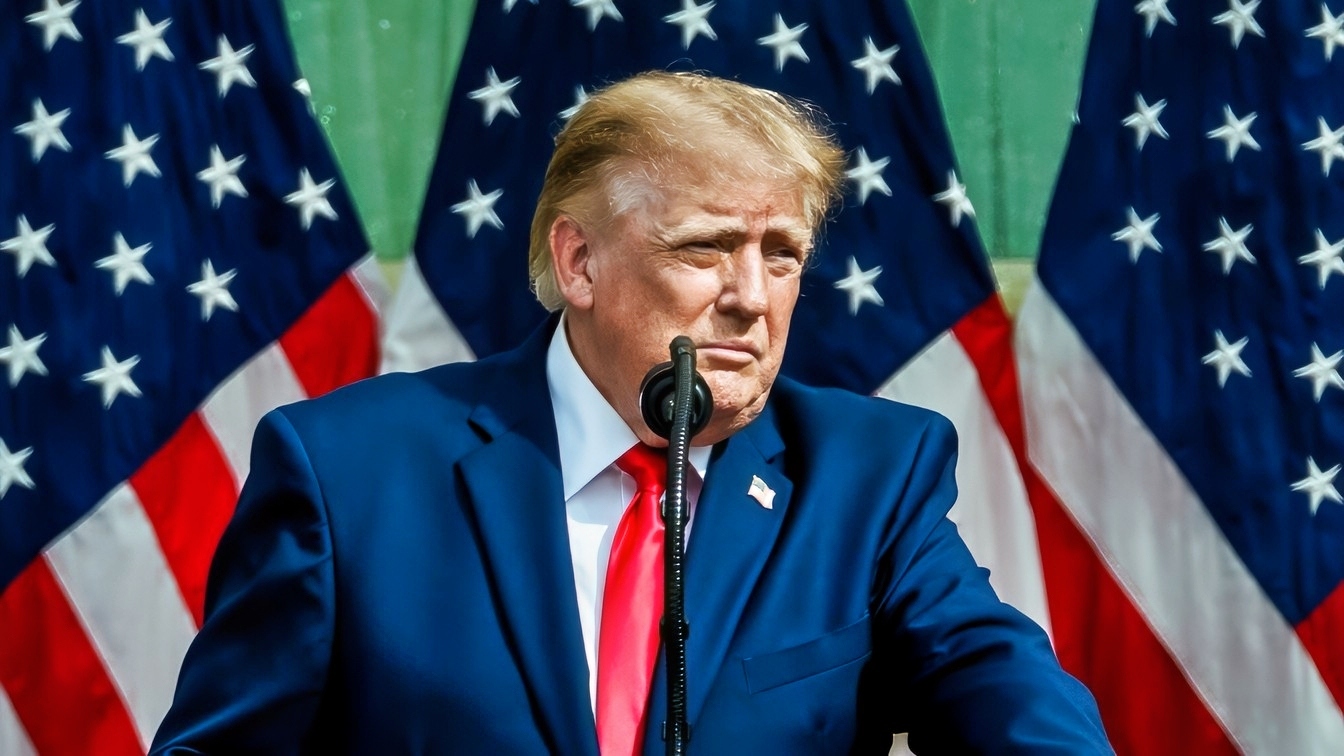
President Donald J. Trump and First Lady Melania Trump attend a ceremony at the Pentagon in observance of the 25th anniversary of the 9/11 terror attacks, Friday, September 11, 2026. (Official White House Photo by Molly Riley)
Others, however, insist that President Trump should remain involved, even as his approval ratings slip and the party prepares to hand over control of Congress to the Democrats.
On Saturday, November 21, POLITICO published excerpts of interviews with more than two dozen Republican state and county officials, and the comments reveal the extent of the disagreements over Trump’s future in the party.
While some want the president to withdraw from party politics entirely, others acknowledge that he’ll likely stick around and influence the nomination regardless of their wishes.
The developments come as polling suggests that Secretary of State Marco Rubio is gaining significant support among Republican primary voters.
As President Trump refuses to endorse Vice President JD Vance publicly and Vance continues to distance himself from the war with Iran publicly, it’s hard to predict how the next two years could unfold.
Republicans Want Trump to Step Aside
The POLITICO report revealed the extent of the anger with President Trump and the decisions that led to the November losses among grassroots Republican leaders.
Those who spoke to the outlet suggested that the party needs to establish a political identity beyond the current president, particularly after voters rejected candidates across the country, including in strongly Republican states.
Vermont Republican Party Chairman Paul Dame questioned whether the president could realistically contribute much to the party’s recovery.
“I don’t know how much he really has to offer,” Dame said. “I think most people are ready to move on in a new direction.”
Kansas Republican Party Chair Danedri Herbert suggested that President Trump should instead focus on developing the party’s next generation of leaders.
“I hope he becomes kind of the mentor grandfather, and not the godfather,” Herbert said. “In America, we hope and expect our presidents not to keep a tight grip on the party, to recognize that now it’s time for me to mentor the next generation.”
Some Still Support Trump
Criticism of President Trump is becoming more widespread. However, some still support him and believe that distancing the party from the president would risk alienating the voters who helped elect him in 2016 and 2024.
Arkansas GOP Chairman Joseph Wood is among those who believe the president still has a role to play, telling POLITICO that he believes Trump is an important figure regardless of what individual party officials may prefer.
“President Trump is going to be part of it, whether we want that or not,” Wood said. “His voters are still going to be Republicans that we need to have come out in this election in two years.”
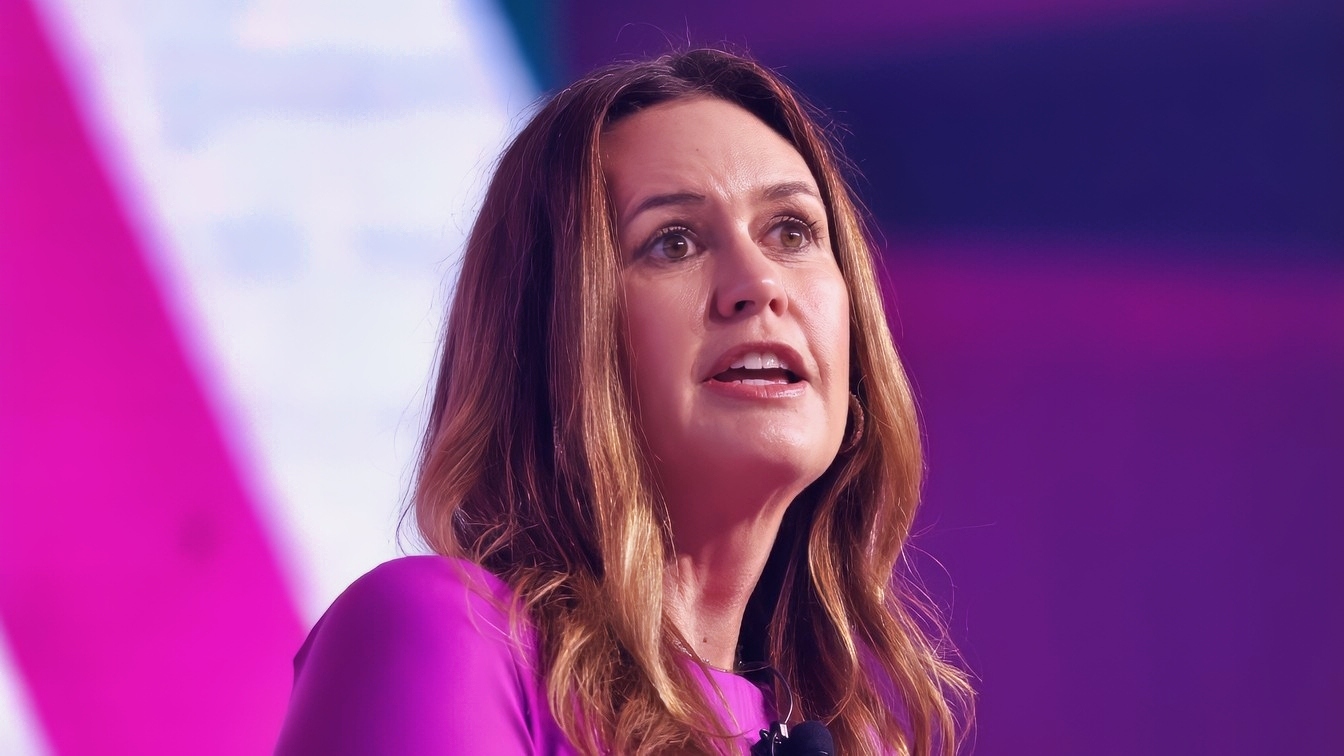
Sarah Huckabee Sanders Creative Commons Photo
Natalie Baldassare, Republican National Committee spokesperson, also defended President Trump and told POLITICO that he remains the “unequivocal leader of our party.”
The disagreements within the Republican Party are already having an effect, long before the 2028 race, with President Trump endorsing RNC chairman Joe Gruters for another term.
RNC Co-Chair KC Crosbie, however, is challenging him following the midterm defeats.
Crossbie is calling for a review of the party’s midterm performance, but Trump allies see the candidate as a threat to the president’s control over the organization.
Trump’s Republican Support Declines
The only time President Trump faced the kind of waning of support among Republicans he sees today was during the 2024 primary campaign, after his 2020 election loss.
Back then, though, the president was able to win over the Republican Party because of the strength of his support among the Republican base, and because he could still run for election.
In 2026, the president is in his lame duck period and will not be able to run in 2028.
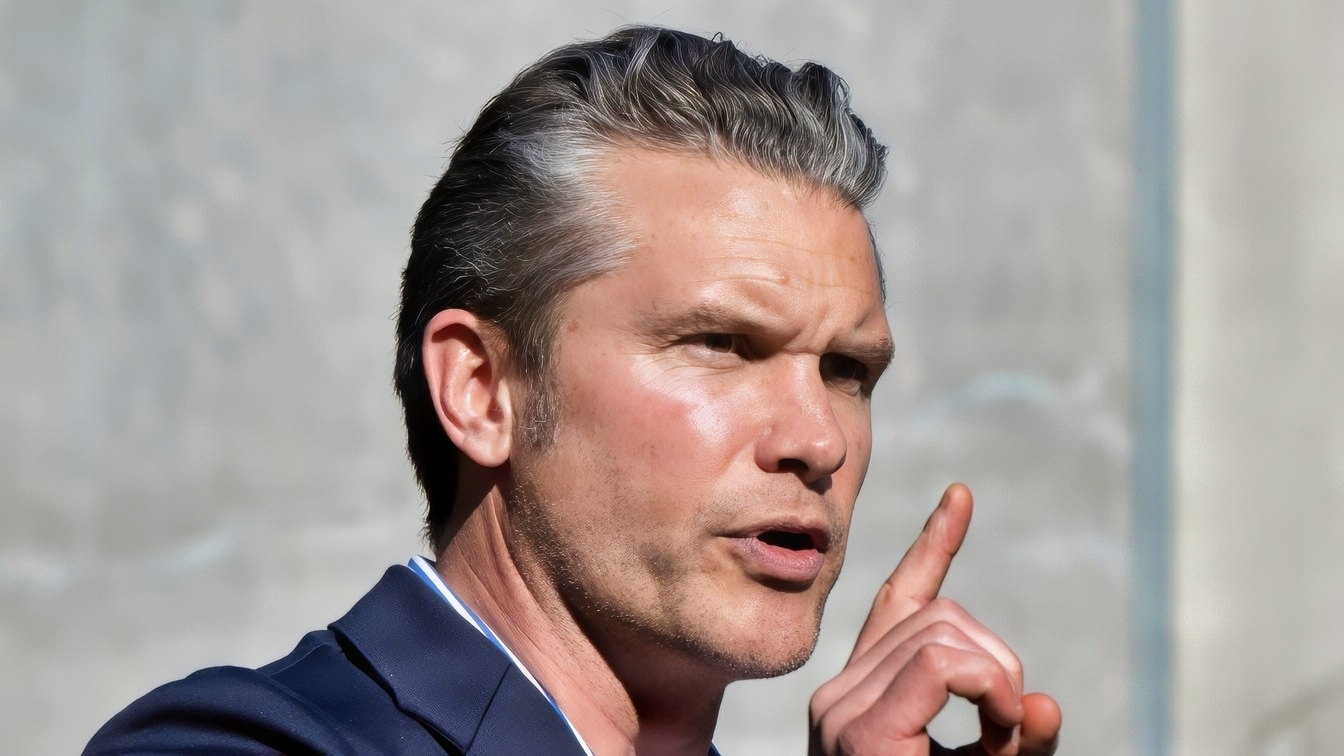
Secretary of War Pete Hegseth tours several defense innovation companies in Costa Mesa, Calif., Dec. 5, 2025. (DoW photo by U.S. Air Force Staff Sgt. Madelyn Keech)
That, combined with the fact that his war with Iran effectively cost the party the midterms, could see the president facing even more backlash in the coming years as the party prepares to nominate a presidential candidate to turn its fortunes around.
The polling shows that the backlash has already begun, too.
A recent Reuters/Ipsos survey found that 52% of Republicans and Republican-leaning independents would like to see a different approach to governing than Trump’s.
In comparison, 46% said they would prefer something similar.
Among Republican-leaning independents, 65% said that they favored a different approach from Trump.
Other polling data also show that many voters still prefer Trump’s policies, but would like to see a different leadership style.
With two years until the election, Republicans must decide whether to embrace President Trump’s influence or begin taking steps to move beyond him—if he’ll let them.
About the Author: Jack Buckby
Jack Buckby is a British researcher and analyst specializing in defense and national security, based in New York. His work focuses on military capability, procurement, and strategic competition, and he produces and edits analysis for policy and defense audiences. He brings extensive editorial experience, with a career output spanning over 1,000 articles at National Security Journal, and has previously authored books and papers on extremism and deradicalization.


