

Tanker Jam Pushes Gulf Oil Transfers Toward India – Persian Gulf exporters are shifting crude transfers farther along the Arabian Sea as the wartime system that helped exports recover through the Strait of Hormuz begins to jam.
Bloomberg reported Thursday that the Gulf of Kutch off western India is emerging as a new transfer point. Two supertankers recently transferred Gulf crude there to other, larger VLCCs (Very Large Crude Oil Carriers) now bound for East Asia, and two others are conducting a transfer in that area, with Bloomberg claiming these were the first eastbound Gulf crude transfers observed since the Iran war began.
Tankers Still in Danger

Generic Oil Tanker Image. Image Credit: Creative Commons.
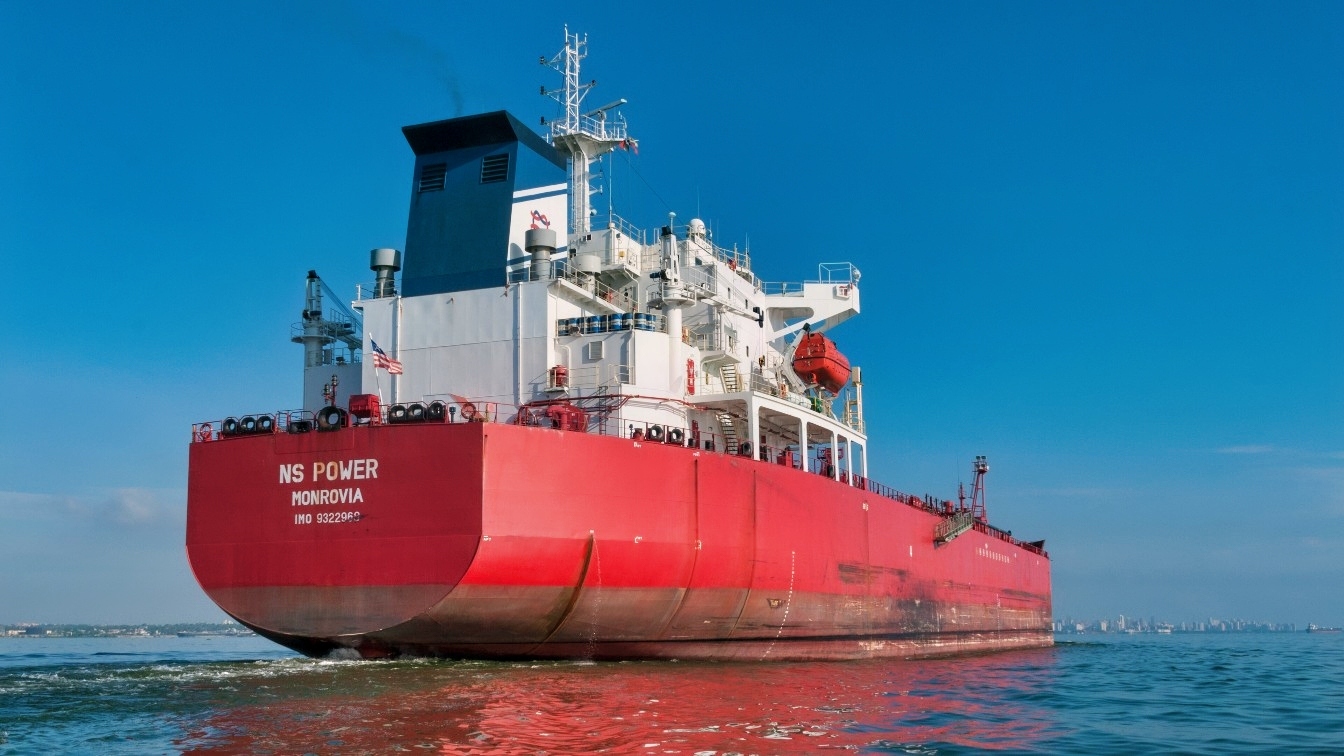
Oil Tanker. Image Credit: Creative Commons.
The shift also reflects congestion in the Gulf of Oman, where shuttle tankers have been moving crude through the waterway and delivering it to larger vessels waiting outside the highest-risk waters.
Kpler tanker freight analyst Panagiotis Krontiras told Al-Monitor the region is “gradually meeting its current operational limits,” and Kpler’s data show Gulf of Oman ship-to-ship liquids activity averaged 3.7 million barrels per day since the war began, compared with 160,000 bpd in 2025.
Reuters reported last week that Saudi crude exports through the strait rose from about 900,000 bpd in August to 3.6 million bpd in September. An attack on the kingdom’s East-West Pipeline previously shut down exports from its Red Sea port of Yanbu. Anoop Singh, the Global Head of Shipping Research at Oil Brokerage, said the increases would produce demand for “15 VLCCs for shuttle runs alone”.
The additional ships are not enough to fix these vast issues, with Vortexa analysts stating that “VLCC STS operations have struggled to keep pace,” with analyst Emma Li saying: “Congestion is getting worse near the Strait of Hormuz, due to the long STS queues. An STS operation is taking nearly 10 days, up from five to seven previously.
The Pivot to the East
Kpler had already identified western India and Malaysia as potential alternatives. Its September analysis said that “operations must pivot to longer-distance hubs like West Coast India or Malaysia” if Gulf of Oman capacity tightens. Moving the transfer point from the Gulf of Oman to western India adds more than four days to a round trip. Using Malaysia stretches the journey to 38.5 days.
Lloyd’s List Intelligence identified 13 former shuttle VLCCs that delivered Saudi crude to India directly or conducted transfers off India’s west coast in September. Richard Meade, Editor-in-Chief of Lloyd’s List, noted that while the oil market is not becoming more secure, it is becoming more efficient at operating under sustained insecurity.
The Issue of Inefficiency
Last week Reuters said the daily time charter for a VLCC delivering Middle Eastern crude oil to China surged to a record high of $1.27 million. Earlier last month, Bloomberg said Baltic Exchange’s benchmark Gulf-to-China rate had surpassed $1 million per day for the first time.
“Every time I think this market can’t get crazier, I look at the daily index number, and it’s gotten even crazier,” said Lloyd’s List Senior Reporter Greg Miller during a US Naval Institute webinar.
Congestion Remains
Congestion persisted despite generally healthy headline crude export figures. Goldman Sachs estimates Gulf oil exports, including “dark exports” from tankers without position-locating transponders, averaged 23.3 million barrels per day (bpd) last week, compared with the 2025 average.
Kpler says crude oil flows in the Strait of Hormuz were almost at 12.5 million barrels per day in the week ending September 27. Before the war, weekly flows were at around 13.5 million.
Windward CEO Ami Daniel told The Washington Post: “This is not trivial… The U.S. military has done a fantastic job facilitating consistent shipments.”
“The market realizes that. We have dug ourselves into a deep deficit over the last several months, and this only reduces it,” said Bob McNally, founder of Rapidan Energy Group. “It does not get us back to where we were.”
This Wednesday, a barrel of Brent crude oil was priced at over $100 USD.
“If this is winning, what would losing look like?” Bloomberg columnist Javier Blas quipped.
About the Author: Georgia Gilholy
Georgia Gilholy is a journalist based in the United Kingdom who has been published in Newsweek, The Times of Israel, and the Spectator. Gilholy writes about international politics, culture, and education.


