
U.S. President Donald Trump has said he will decide “very soon” whether to “blow up” Iran after rejecting an Iranian proposal to end the war.
Trump made the comments to reporters at the White House on Wednesday, 30th September.

President Donald J. Trump attends Superbowl LIX between the Philadelphia Eagles and the Kansas City Chiefs, Sunday, February 9, 2025, at Caesars Superdome in New Orleans, Louisiana. (Official White House Photo by Daniel Torok)

Donald Trump. Image Credit: The White House.
It follows almost a week of negotiations between U.S. and Iranian officials in New York that ended without agreement.
Forthcoming Decision
At an Oval Office press briefing on Wednesday, Trump was asked how a deal could be made with an enemy he previously described as “crazy.”
“Maybe you blow them up,” Trump replied. “Maybe you blow them up. We have to make that decision. We blow them up or make a deal. But the time is coming.”
The President added that the war will end “very soon, one way or the other.”
Tensions Rising
Despite a lull in active fighting, tensions have risen in recent weeks with little prospect of an end to the war anytime soon.
Shortly before the Republican National Convention, Trump told reporters that he expected Iran to make a deal shortly after November’s midterm elections.
The war has been a controversial subject for many Americans, raising living costs through a rise in energy prices due to Iran’s closure of the Strait of Hormuz – a key shipping lane for oil exporters in the Middle East.
“I think the war will end immediately after the election because they can’t hold out any longer,” the President said. “They’re desperate to try and affect the election so that we can get a nice, weak group of people in [Congress] and leave them alone and have their nuclear weapon.”
“All they want is a nuclear weapon,” Trump continued. “If they had a nuclear weapon, the whole world is in deep trouble.”
Threats of “Annihilation”
With the election looming, the President has ramped up the rhetoric.
From previously stating he was “not in a hurry” to end the conflict, Trump has on more than one occasion referred to a “big decision” on how to end the war, including at last month’s United Nations General Assembly.
“I do not believe in letting problems fester. They only become harder to solve. So, while others have talked, I have acted,” Trump told the U.N. in a 35-minute speech.
“Will a deal be made with Iran that lets them rebuild and create a far greater country than it ever was before, maybe one of the greatest in the Middle East or even the world?” Trump asked. “Or do I annihilate the Islamic Republic and do it quickly, never giving them a chance to kill and destroy people and countries again? Do I drive them into hell with no chance of survival and no hope of future greatness or generations?”
Iranian Deal Rejected
Despite Trump’s threats, there had been hope for a diplomatic end to the war, which passed its seven-month anniversary earlier this week.
Shortly after the President’s U.N. speech, he told reporters that U.S. and Iranian officials had met for three hours in New York to discuss a deal he said went “very well.”
Tehran has been pushing for a diplomatic solution, presenting a proposal to end the war that largely resembled the previously signed memorandum of understanding.
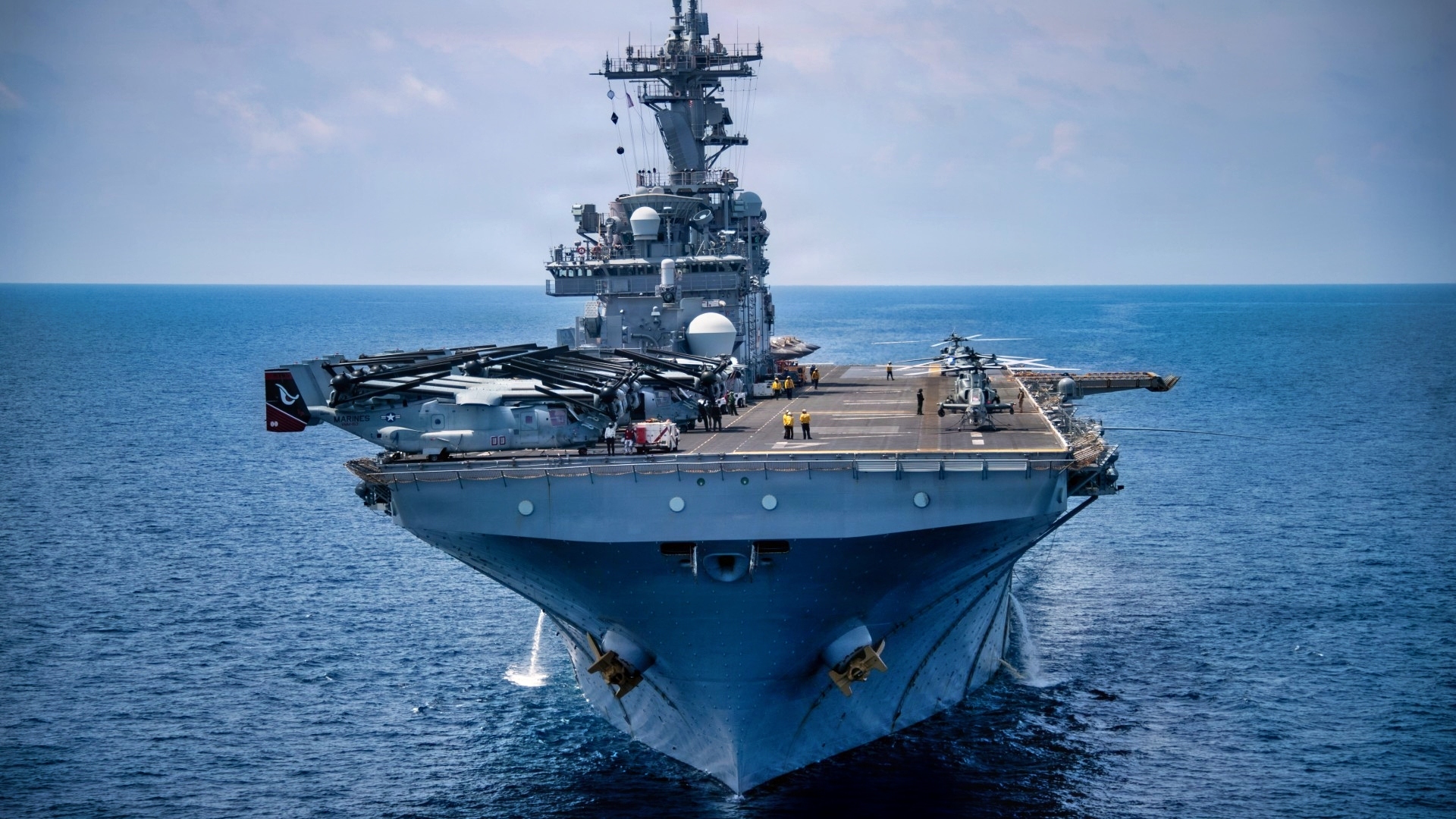
Tehran’s demands include “an end to the war on all fronts” as well as the release of frozen funds and an end to the ongoing U.S. naval blockade of Iranian ports.
If agreed, the Strait of Hormuz would reopen after seven days, with discussions over the country’s nuclear program beginning immediately afterward.
Last Friday, Trump told reporters he had rejected the proposal, hours before sharing a Truth Social post in which he renamed the Strait of Hormuz, “Trump Strait.”
“I rejected their deal. They want to make a deal where they open the strait immediately because they’re losing so badly,” Trump added.
Iranian Foreign Minister Abbas Araghchi has since presented the official U.S. response to President Masoud Pezeshkian, although state media has not confirmed any details.
“We will make every effort to bring the agreement to fruition and will firmly stand up for the rights of the Iranian people,” Pezeshkian said on Wednesday. “The agreement must now be based on a win-win strategy.”
Araghchi presented the U.S. response after leaving New York on Tuesday morning.
He had reportedly intended to stay until Wednesday to continue negotiations through mediators, but Secretary of State Marco Rubio ordered him out of the U.S.
About the Author: Shay Bottomley
Shay Bottomley is a British journalist. He has written for the Western Standard, Business Insider, Maidenhead Advertiser, Slough Express, Windsor Express, Berkshire Live and Southend Echo.