

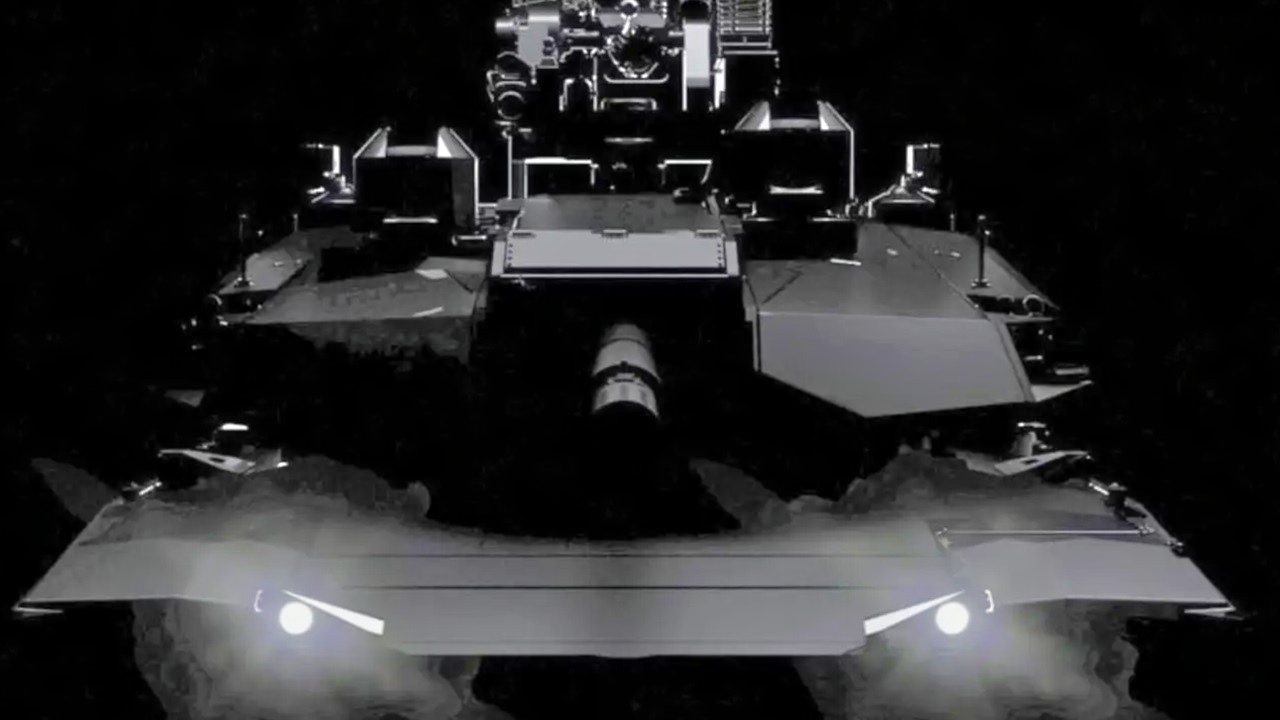
Summary and Key Points: National security columnist Steve Balestrieri examines the U.S. Army’s decision to bypass the AbramsX technology demonstrator in favor of the M1E3 Abrams upgrade.
-While General Dynamics Land Systems (GDLS) designed the AbramsX with a hybrid electric diesel engine, AI-driven targeting, and an unmanned turret, the Army prioritized logistical agility over high-tech complexity.
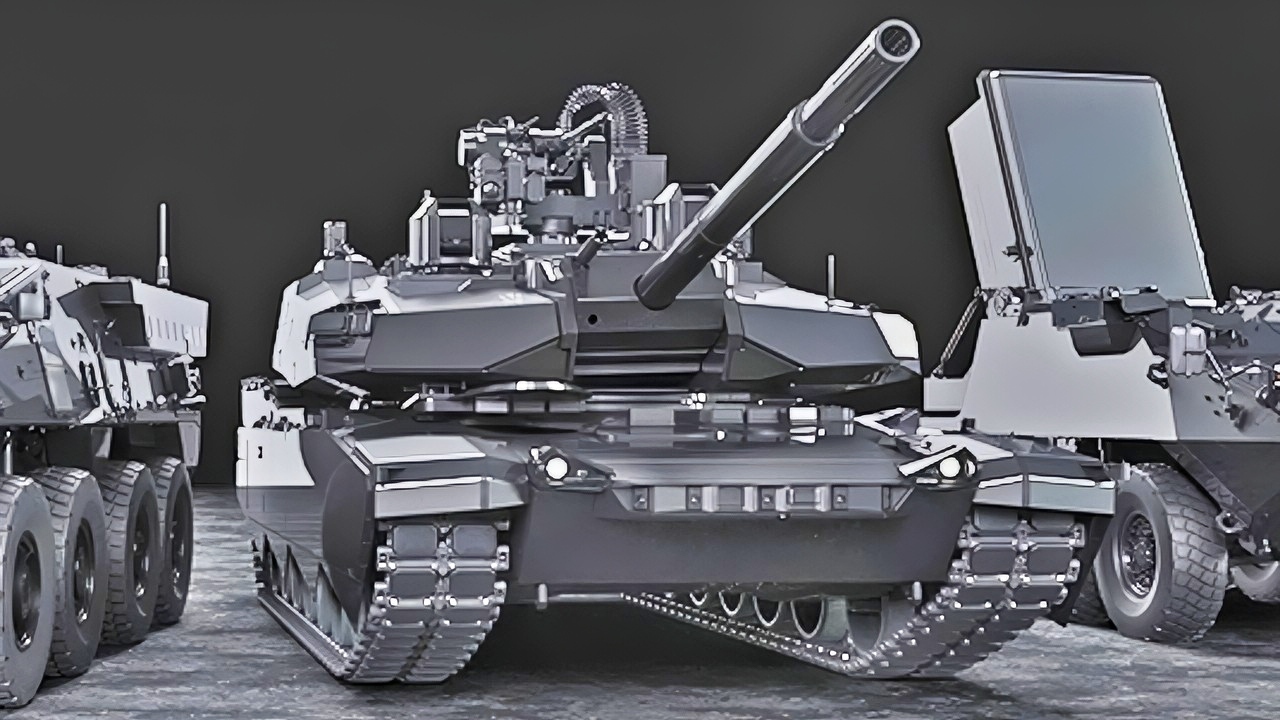
AbramsX Tank U.S. Army Image.
-Facing an 80-ton weight limit and the proliferation of ATGMs and FPV drones in Ukraine, the military shifted toward the M1E3 to ensure survivability against T-14 Armata and Chinese 4th Gen threats while maintaining a sustainable footprint for Pacific and European theaters.
Why The AbramsX Was Not Adopted By The US Army
The US Army needed a new main battle tank and has relied on the M1 Abrams tank for 46 years. The Abrams has been the undisputed King of the Battlefield through two wars in tank country.
The Abrams had much better range, effectiveness, and superior thermal imaging systems that allowed US crews to engage and destroy Iraqi T-72 Russian-built tanks at ranges before the Iraqis could even see the Abrams tanks. The Soviet-built tanks were simply outclassed.
But the tech demo, the AbramsX, was not adopted; instead, the army opted for the M1A2 SEPv3.

Soldiers with the Ohio National Guard’s 1st Combined Arms Battalion – 145th Armor Regiment conduct live fire training with the M1A2 SEPv3 Abrams Main Battle Tank at the Camp Ripley Training Center near Little Falls, Minnesota, on July 28th, 2025 (Minnesota National Guard Photo by Mr. Tony Housey).
The current M1A2 SEPv3, which is in production until 2027, features several upgrades, including improved lethality, survivability, reliability, and fuel efficiency. However, with each upgrade, it means adding more and more weight. It is nearing 80 tons. It is time to replace the iconic warhorse.
Meet The AbramsX:
The AbramsX, a next-generation main battle tank (MBT) developed by General Dynamics Land Systems (GDLS), promises a significant leap forward in American armored warfare technology. The AbramsX is not just a new tank; it is a platform for integrating cutting-edge technologies into armored warfare. This model is less armored and weighs 59 tons.
It features advanced capabilities, including a hybrid electric diesel engine, artificial intelligence-driven targeting, and enhanced protection systems. General Dynamics has made several changes to the Abrams, including reducing the crew to three people seated shoulder to shoulder in the front of the tank. The turret is unmanned, and an autoloader loads the main gun.
With the three-person crew in the hull, the turret has the 120mm main gun and a 30mm gun that replaces the .50 caliber machine gun. But perhaps it should still incorporate a machine gun.
This system uses the “silent watch,” meaning the vehicles can operate at a forward location without emitting any thermal or acoustic signature that could compromise their position. “Silent watch” allows the sensors and electronics to operate without turning on the tank’s engine.
However, the AbramsX is still a tech demo by GDLS.
Why The AbramsX Was Important:
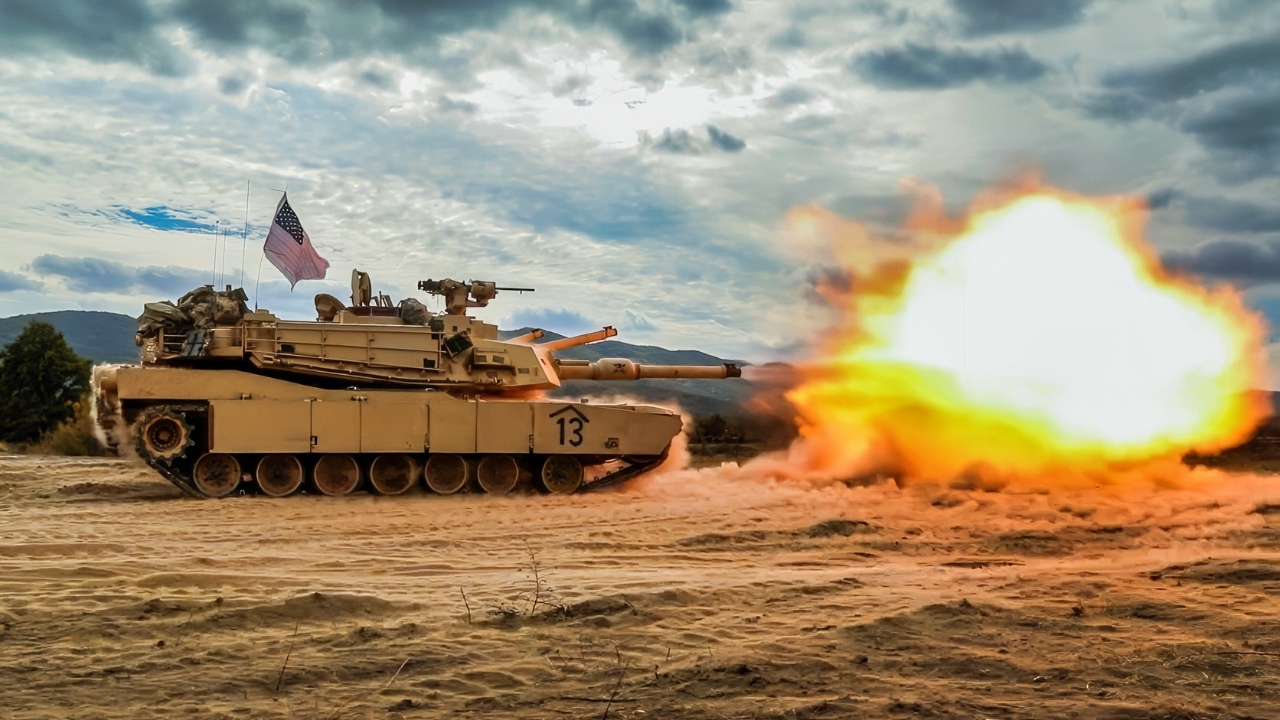
An M1A2 Abrams main battle tank with 1-16th Infantry, 1st Armored Brigade Combat Team, 1st Infantry Division, conducts a Live Fire Accuracy Screening Test Sept. 28, 2025, on Novo Selo Training Area, Bulgaria. The LFAST is used to assess and confirm the accuracy of its firing system before live fire gunnery, ensuring the tank is ready for combat and its firing control systems are functioning correctly. Abrams live fire exercises increase the lethality of crews on collective tables while generating warfighting readiness and combat credible forces along NATO’s Eastern Flank. (U.S. Army photo by Sgt. 1st Class Richard Perez)
Its cancellation would set back the development and deployment of these new technologies.
For instance, the hybrid electric diesel engine promised greater fuel efficiency and reduced logistical burdens, while the AI-driven targeting system aimed to enhance battlefield awareness and decision-making. Cancellation could also have implications for the broader Next-Generation Combat Vehicle (NGCV) program and the Army’s modernization effort
The loss of the AbramsX could delay the integration of these advancements into the U.S. military, potentially allowing adversaries to close the technological gap.
Adversaries such as Russia and China, which are actively developing their own advanced tanks, including Russia’s T-14 Armata and China’s newest 4th Gen Tank, might view this as an opportunity to assert their dominance in armored warfare.
Why Was The AbramsX Not Adopted?
The AbramsX was not formally adopted because it is a technology demonstrator, not a finalized production tank, and was designed to showcase future tech rather than serve as an immediate replacement.
Its development coincided with the Army’s pivot toward the lighter, more cost-effective M1E3 Abrams upgrade, which better addresses logistical weight, fuel consumption, and urban operation challenges.

An M1A2 Abrams tanks, assigned to 1st Battalion, 16th Infantry Regiment, 1st Armored Brigade Combat Team, 1st Infantry Division, maneuver into fighting position during a battalion live-fire range during Agile Spirit 19 at Orpholo Training Area, Georgia, August 9, 2019. AgS19 is a joint, multinational exercise co-led by the Georgian Defense Forces and U.S. Army Europe which incorporates a command post exercise, field training and joint multinational live fires. (U.S. Army photo by Staff Sgt. True Thao)
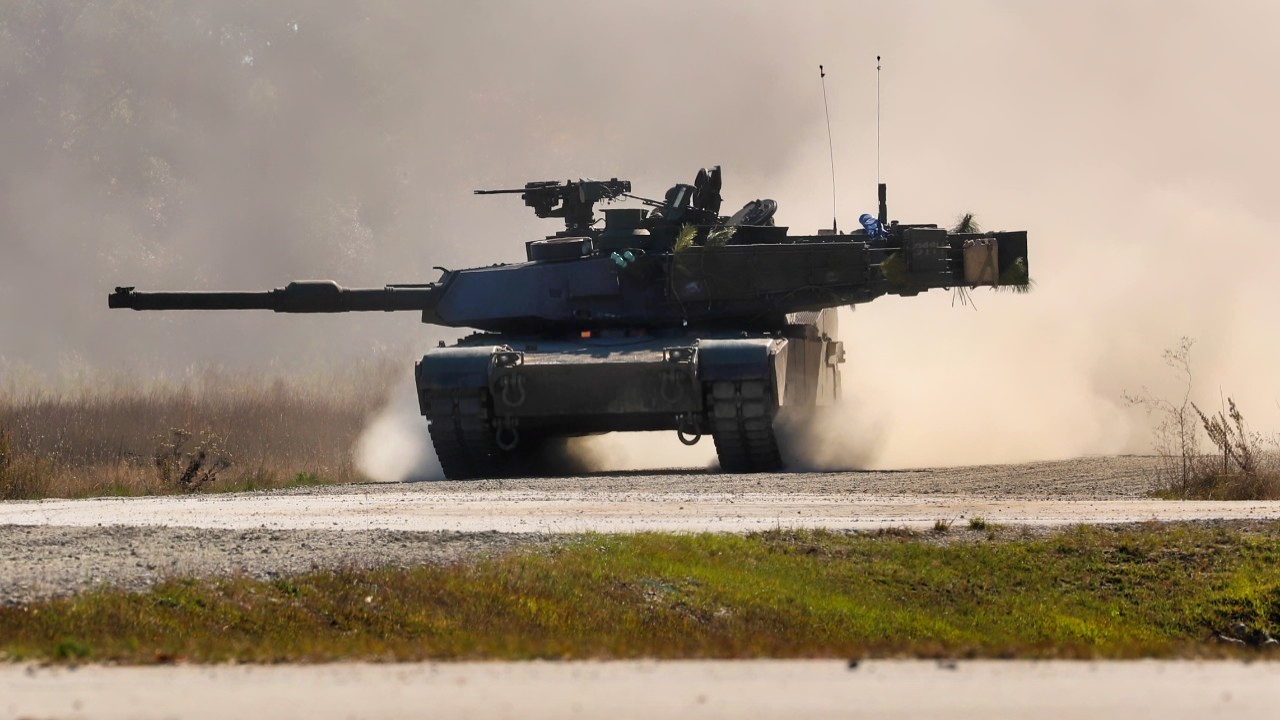
A M1A2 Abrams SEPv3 Main Battle Tank navigates a range during a Combined Arms Live Fire Exercise (CALFEX) at Fort Stewart, Georgia, Nov. 8th 2023. Tank crews honed their skills to ensure proficiency of eliminating targets while coordinating with other tank crews. (U.S. Army photo by Pfc. Luciano Alcala)
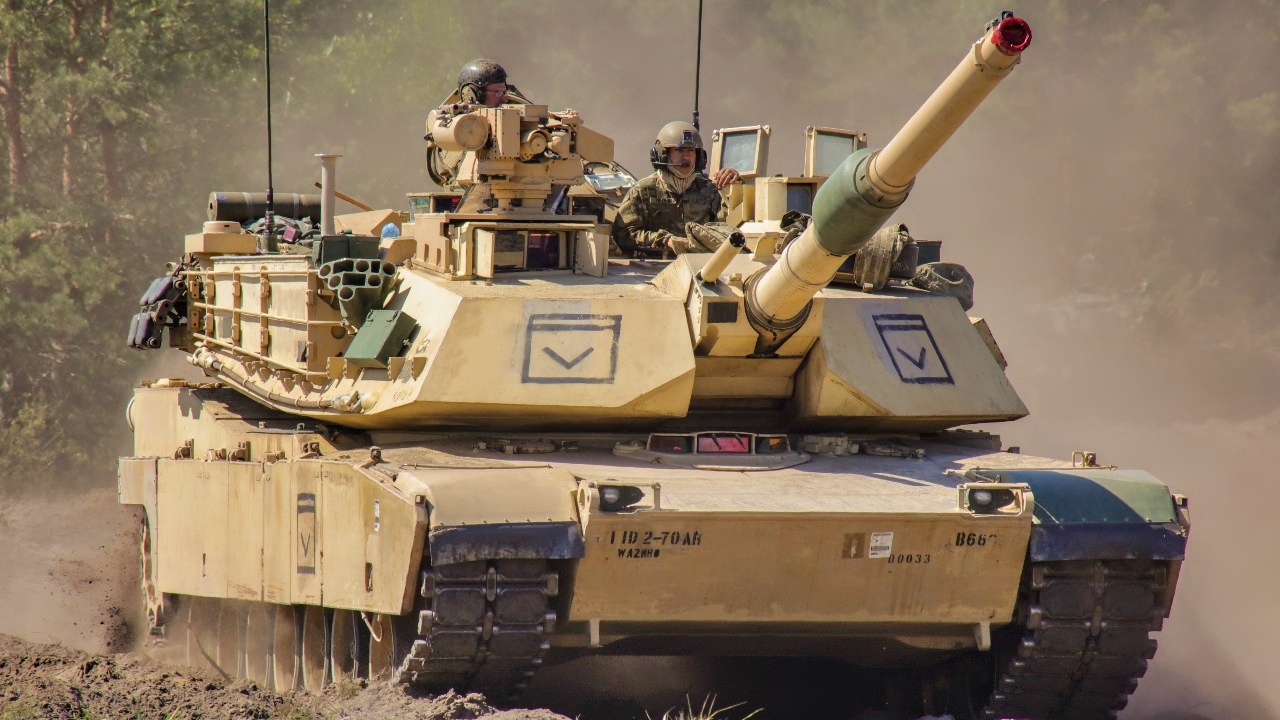
U.S. Soldiers assigned to 2nd Battalion, 70th Armor Regiment, 2nd Armored Brigade Combat Team, 1st Infantry Division supporting the 4th Infantry Division, maneuver an M1A2 Abrams tank while participating in a combined arms rehearsal during Anakonda23 at Nowa Deba, Poland, May 14, 2023. Anakonda23 is Poland’s premier national exercise that strives to train, integrate and maintain tactical readiness and increase interoperability in a joint multinational environment, complimenting the 4th Inf. Div.’s mission in Europe, which is to participate in multinational training and exercises across the continent while collaborating with NATO allies and regional security partners to provide combat-credible forces to V Corps, America’s Forward deployed corps in Europe. (U.S. Army National Guard photo by Sgt. 1st Class Theresa Gualdarama)
The Army Decided To Focus On The M1E3 Upgrade:
The U.S. Army shifted focus to the M1E3, aiming to make the tank more adaptable and cheaper than the proposed high-tech, potentially over-engineered AbramsX.
Logistical challenges still faced the program. The AbramsX, while lighter than the heavily armored SEPv4 variant, still faces logistics, maintenance, and strategic deployment challenges inherent to the 80-ton-class, 40-year-old platform.
The future role of the tank in modern warfare has been the subject of ongoing debates within the War Department about the use of heavy tanks against emerging threats, with a growing emphasis on drones and long-range tech instead.
Shaped by the plethora of drones and anti-tank guided missiles (ATGMs) in Ukraine, many believe that the age of the tank is over. And others believe that tanks will be of limited use in the event of war with China.
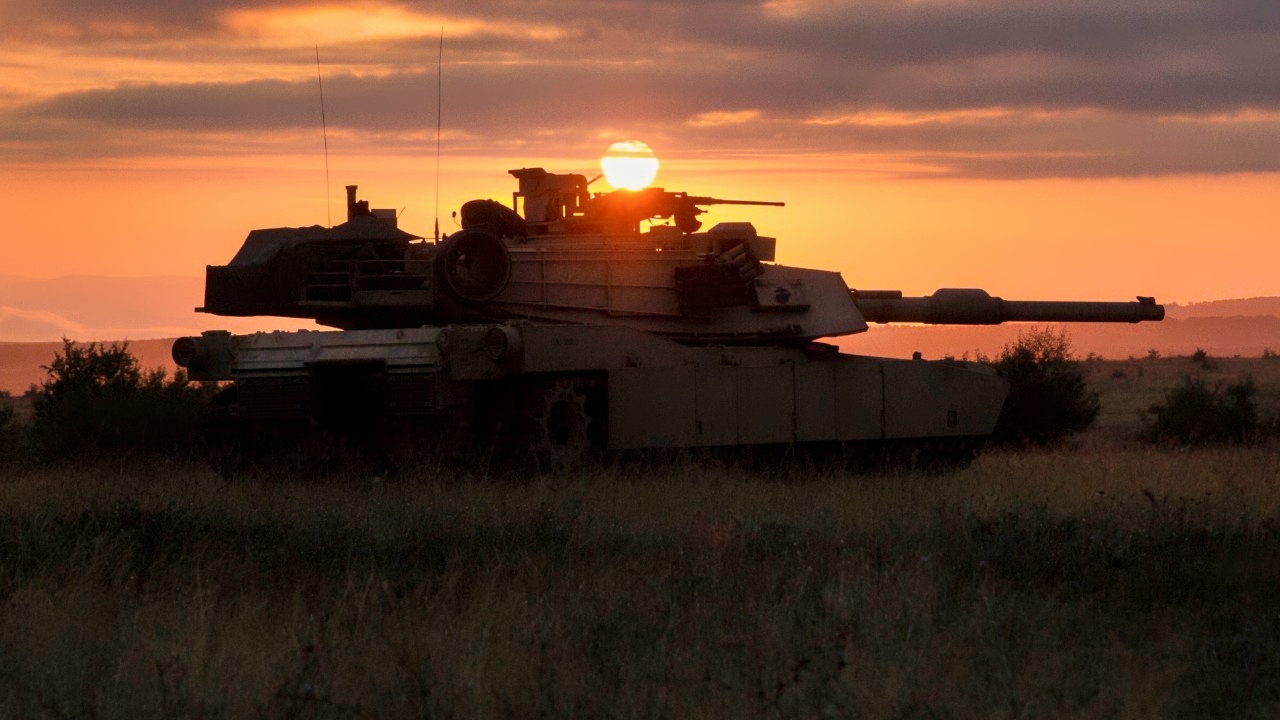
An M1 Abrams main battle tank provides security during the Combined Arms Company field exercise at Novo Selo Training Area, Bulgaria, Sept. 16, 2015. The CAC is a newly formed armor element supporting the Black Sea Rotational Force, which reassures our NATO allies and partners of our commitments and will enhance training exercises and operations with partners in the region. (U.S. Marine Corps photo by Cpl. Justin T. Updegraff/Released)

The 1st Battalion, 194th Armor Regiment,1st Brigade Combat Team, 34th Infantry Division, test fire their M1 Abrams Tank at Udairi Range, Kuwait, May 3, 2021. The main cannon of the M1 Abrams Tank shoots a 105mm round. (U.S. Army Photo by Spc. Juan Carlos Izquierdo, U.S. Army Central Public Affairs)
The cost and complexity of the AbramsX are very high. Developing the advanced hybrid engine and autonomous technologies in the AbramsX is expensive, raising fears it could become a costly failure.
Instead of replacing the current tank with the AbramsX, the Army is incorporating lessons from the AbramsX into the new M1E3 program, intended to make the battle-proven Abrams more sustainable and capable against future threats.
About the Author: Steve Balestrieri
Steve Balestrieri is a National Security Columnist. He served as a US Army Special Forces NCO and Warrant Officer. In addition to writing on defense, he covers the NFL for PatsFans.com and is a member of the Pro Football Writers of America (PFWA). His work was regularly featured in many military publications.


