

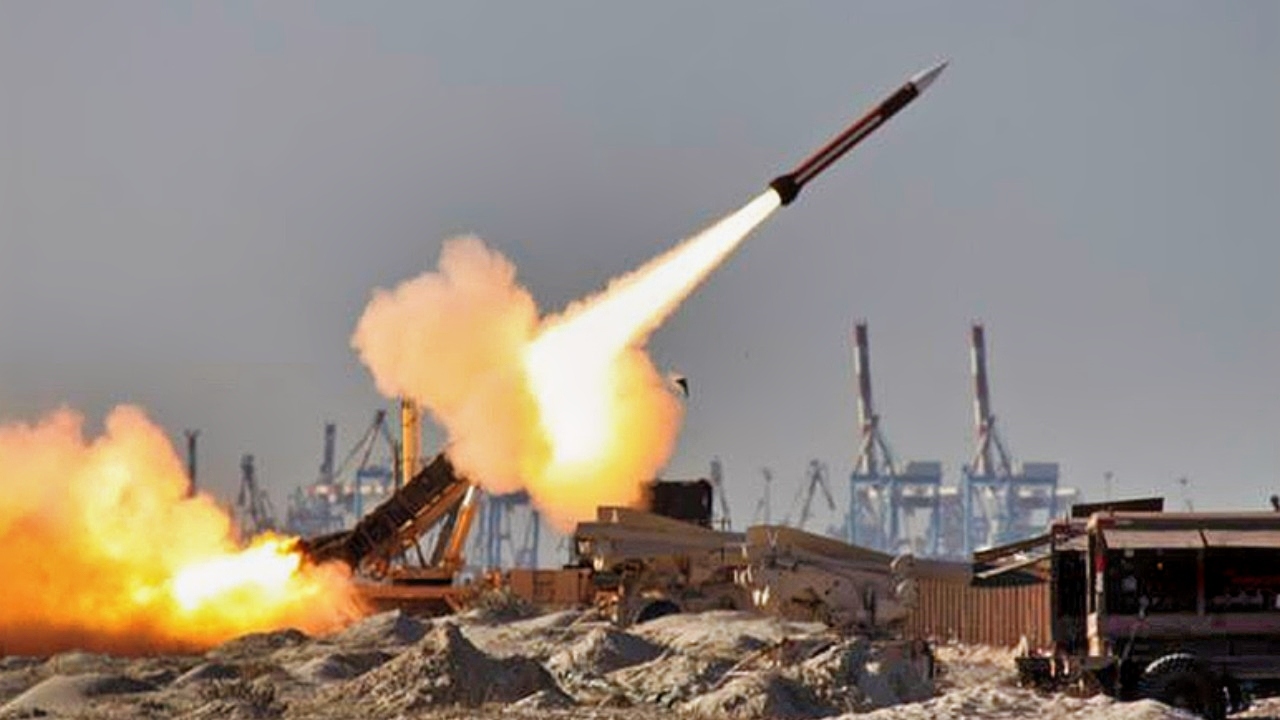
Ukraine and Russia Have Turned a 30-Kilometer Strip Into a Drone Kill Zone: Ukraine and Russia have transformed a broad band around their 1,200-kilometer front into a zone where persistent drone observation makes ordinary movement highly dangerous. A Reuters reconstruction published July 23 describes a contested strip that can extend roughly 15 kilometers behind each side’s forward positions, although terrain, weather, and the quality of local drone units change its depth.
The result is a battlefield built around concealment rather than concentration. Soldiers operate in very small groups, armored vehicles remain hidden, and supply runs are made quickly by pickups, motorcycles, quad bikes, or unmanned ground vehicles. Large formations that would once have assembled for an assault can be detected before they begin moving.
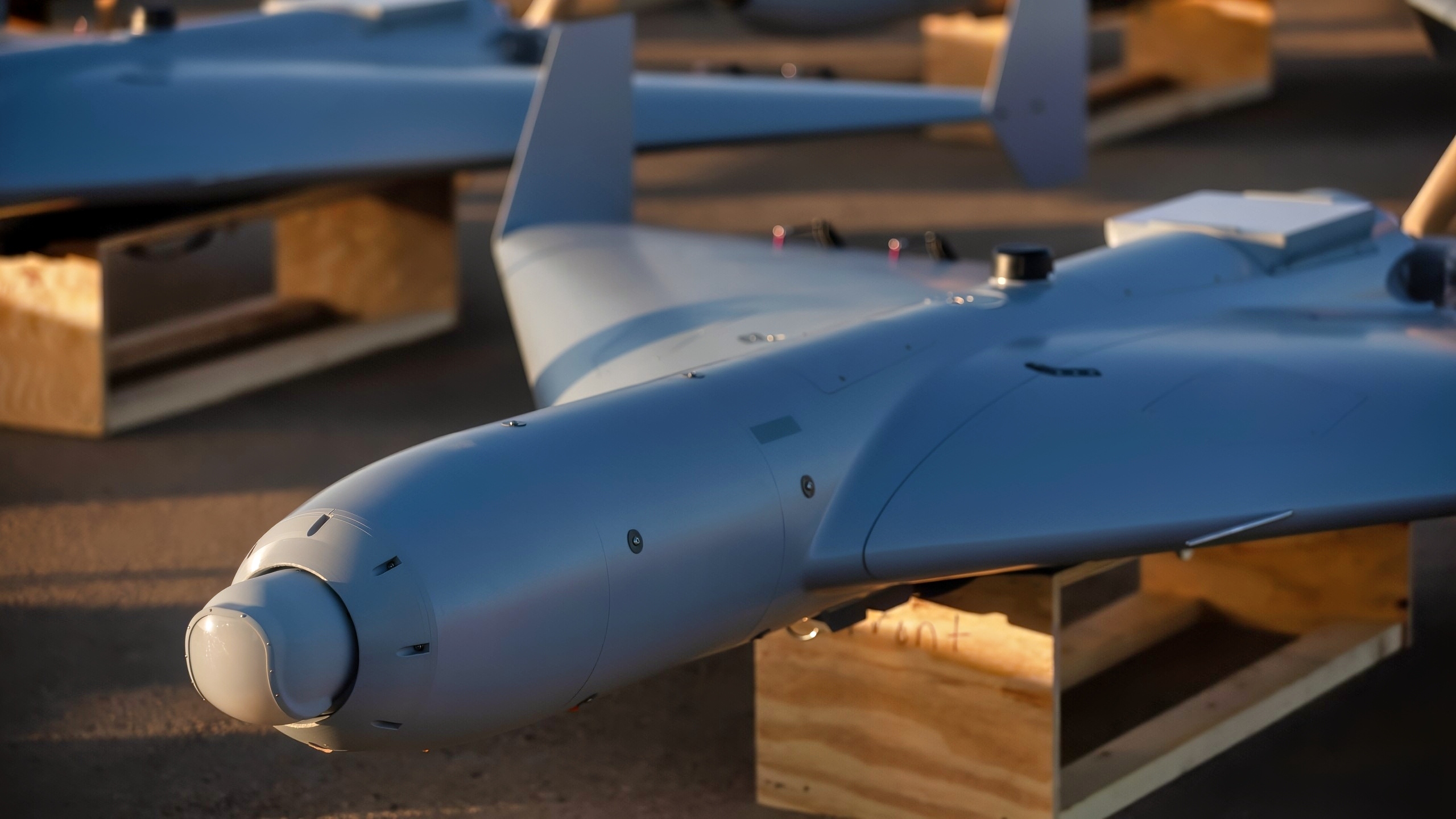
U.S. CENTRAL COMMAND AREA OF RESPONSIBILITY (Nov. 23, 2025) Low-cost Unmanned Combat Attack System (LUCAS) drones are positioned on the tarmac at a base in the U.S. Central Command operating area, Nov. 23. Costing approximately $35,000 per platform, LUCAS drones are providing U.S. forces in the Middle East low-cost, scalable capabilities to strengthen regional security and deterrence. (Courtesy Photo)
The scale of drone use has changed the casualty and equipment-loss picture. A U.S. Army University Press study estimated that unmanned aircraft were responsible for 70 to 80 percent of battlefield casualties by mid-2025 and 60 to 70 percent of damaged vehicles. Its review of Russia’s drone-driven force also noted that large trucks and armored vehicles face serious risk far beyond the immediate contact line.
The United States is already treating that experience as a warning. A U.S. Army Reserve analysis concluded that drone technology and battlefield-awareness systems had created kill zones that sharply reduced the effectiveness of conventional equipment. Other armies now have to determine whether their formations can move, resupply, and evacuate casualties while being watched almost continuously.
Ukraine’s Front Line Has Become a Wide Grey Zone
The front is no longer a clean line separating two dense armies. Russia often advances with teams of one to three soldiers who move through gaps, occupy an abandoned structure, and wait for reinforcements. That slow method helps explain why Russian territorial gains have continued at a limited pace despite Moscow’s larger manpower and artillery resources.
Electronic warfare does not fully solve the problem. Both sides use fiber-optic drones connected to operators by thin cables, allowing them to fly through radio-frequency jamming. Russia has also adapted inexpensive Molniya aircraft with simple navigation fixes, including a basic magnetic compass intended to keep them moving without satellite guidance. The rapid cycle of modification makes static defenses temporary.

Secretary of the Army, Hon. Dan Driscoll, fires a round from a M1A2 Abrams Tank while visiting Fort Stewart, GA., June 23, 2025. Secretary Driscoll met with Soldiers and leaders from the 3rd Infantry Division implementing transformation in contact initiatives, and had candid conversations with Soldiers about quality of life concerns to help find solutions to scale across the Army. (U.S. Army photo by Sgt. David Resnick)
Logistics Is Now a Front-Line Combat Mission
Food, ammunition, batteries, medical supplies, and replacement personnel still have to reach isolated positions. Roads are covered with anti-drone netting, vehicles carry jammers, and drivers move at speed. Drones can find openings in the netting, place mines along routes, or wait beside roads until a vehicle appears.
Medical evacuation has become especially difficult. A wounded soldier may remain concealed for hours or days before an unmanned ground vehicle can move close enough to begin the trip rearward. The same surveillance that threatens combat units also delays ambulances and repair teams. Near the front, civilians have also described ordinary travel and outdoor work as increasingly dangerous.
Tanks Still Matter, but Massed Armor Does Not
Tanks remain useful in Ukraine, but they cannot operate as they did before cheap aerial surveillance became persistent. Vehicles now need camouflage, electronic warfare, active protection, nearby air defense, decoys, and access to rapid repair. The U.S. Army’s M1E3 Abrams program reflects that pressure through a smaller crew, lower profile, hybrid propulsion, and integrated protection.
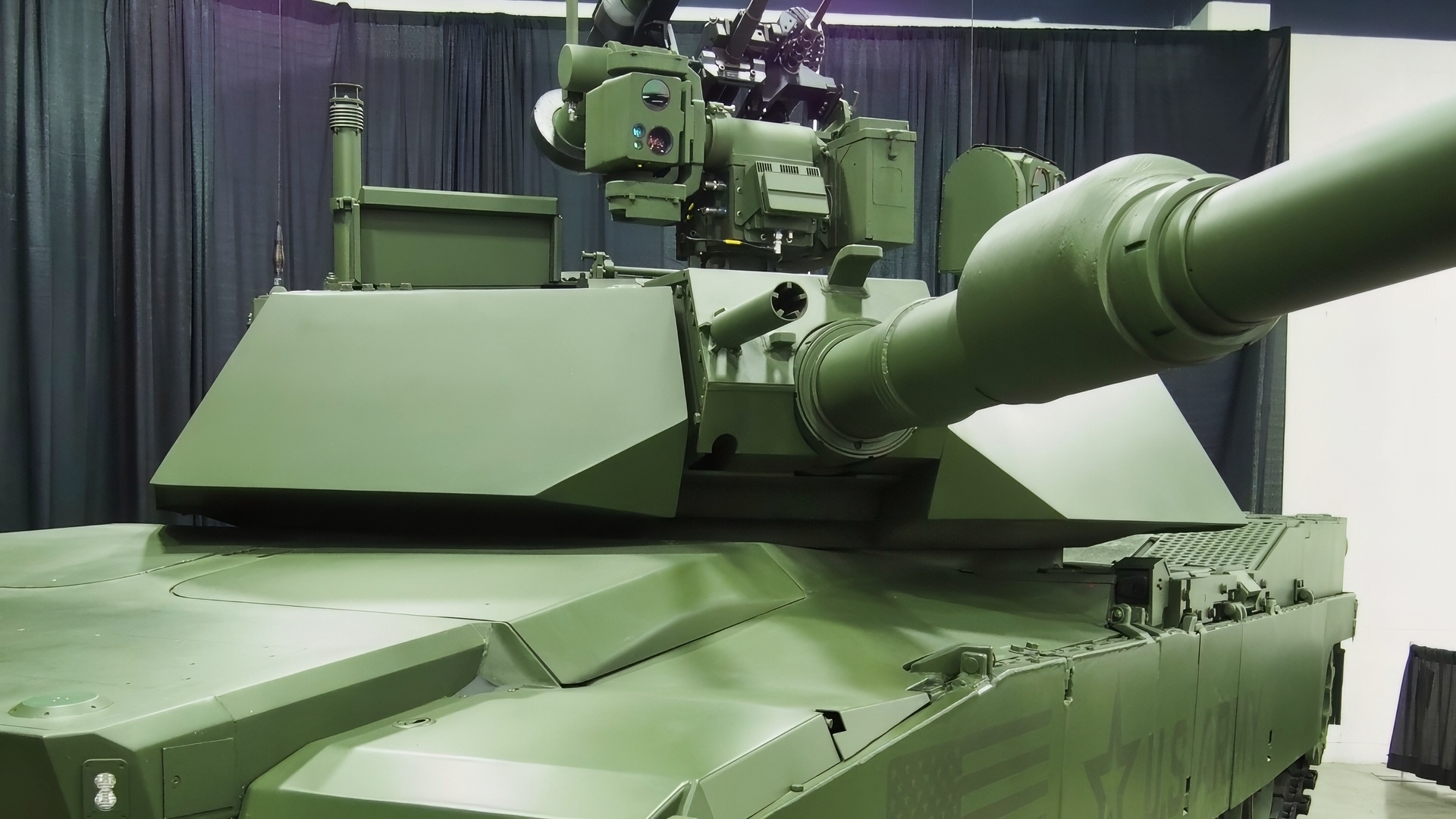
M1E3 Abrams. National Security Journal Photo.
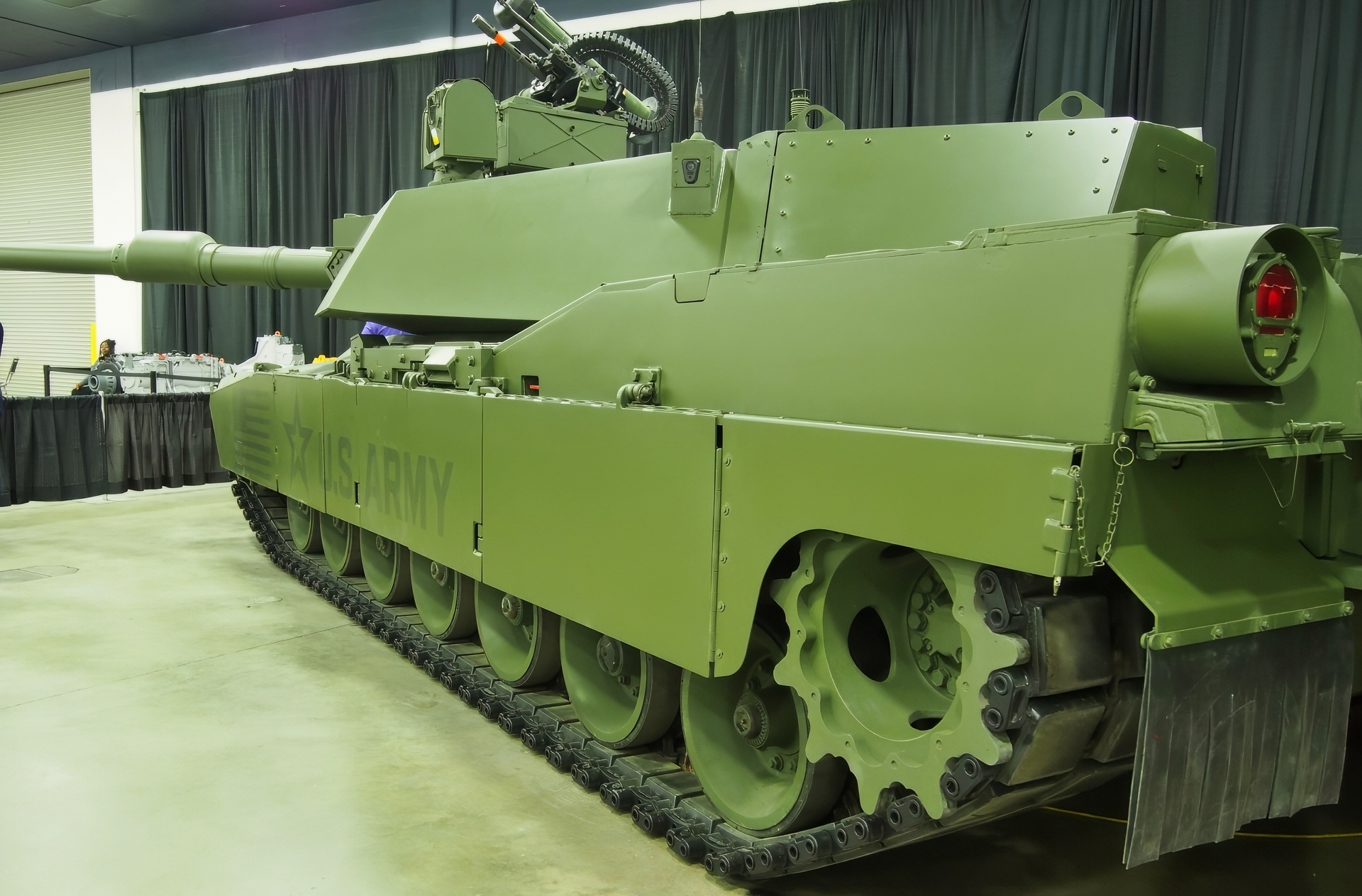
M1E3 Abrams from Detroit Auto Show. National Security Journal Photo.
Drone pilots and launch teams have therefore become high-value targets. Ukraine has increasingly focused on finding and striking Russian operators because removing a skilled crew can create a temporary opening in the surveillance network. Restoring maneuver may depend as much on suppressing drone units as on destroying artillery or armor.
The Kill Zone Is a Warning for NATO
The U.S. Army is testing low-cost counter-drone methods rather than relying only on expensive interceptors. A May 2026 Army exercise evaluated standard weapons, drone-on-drone interceptors, electronic attack, and specialized ammunition against small aircraft.
Future brigades will need counter-drone sensors and weapons at several levels, dispersed logistics, more engineers, rapid camouflage, redundant communications, and large numbers of their own unmanned systems. That requirement reaches far beyond infantry and armored units. U.S. acquisition plans will have to extend that protection to fuel, maintenance, medical evacuation, and repair units rather than concentrating it only around front-line formations.
About the Author: Harry J. Kazianis
Harry J. Kazianis (@Grecianformula) was the former Senior Director of National Security Affairs at the Center for the National Interest (CFTNI), a foreign policy think tank founded by Richard Nixon based in Washington, DC. Harry has over a decade of experience in think tanks and national security publishing. His ideas have been published in the NY Times, The Washington Post, The Wall Street Journal, CNN, and many other outlets worldwide. He has held positions at CSIS, the Heritage Foundation, the University of Nottingham, and several other institutions related to national security research and studies. He is the former Executive Editor of the National Interest and the Diplomat. He holds a Master’s degree focusing on international affairs from Harvard University.


