

Russia’s Missile and Drone Campaign Drove Ukraine’s Civilian Casualties Up 37%: Russia’s expanding missile and drone campaign pushed civilian casualties in Ukraine sharply higher during the first half of 2026. A France24 report published July 21 highlighted new United Nations data showing that the increase has accelerated as Moscow sends more long-range weapons toward cities far from the front.
The UN Human Rights Monitoring Mission in Ukraine verified 1,396 civilians killed and 7,978 injured from January through June. That combined total was 37 percent higher than during the same period in 2025 and 114 percent above the first half of 2024. The figures are minimum verified totals and are likely lower than the full number.
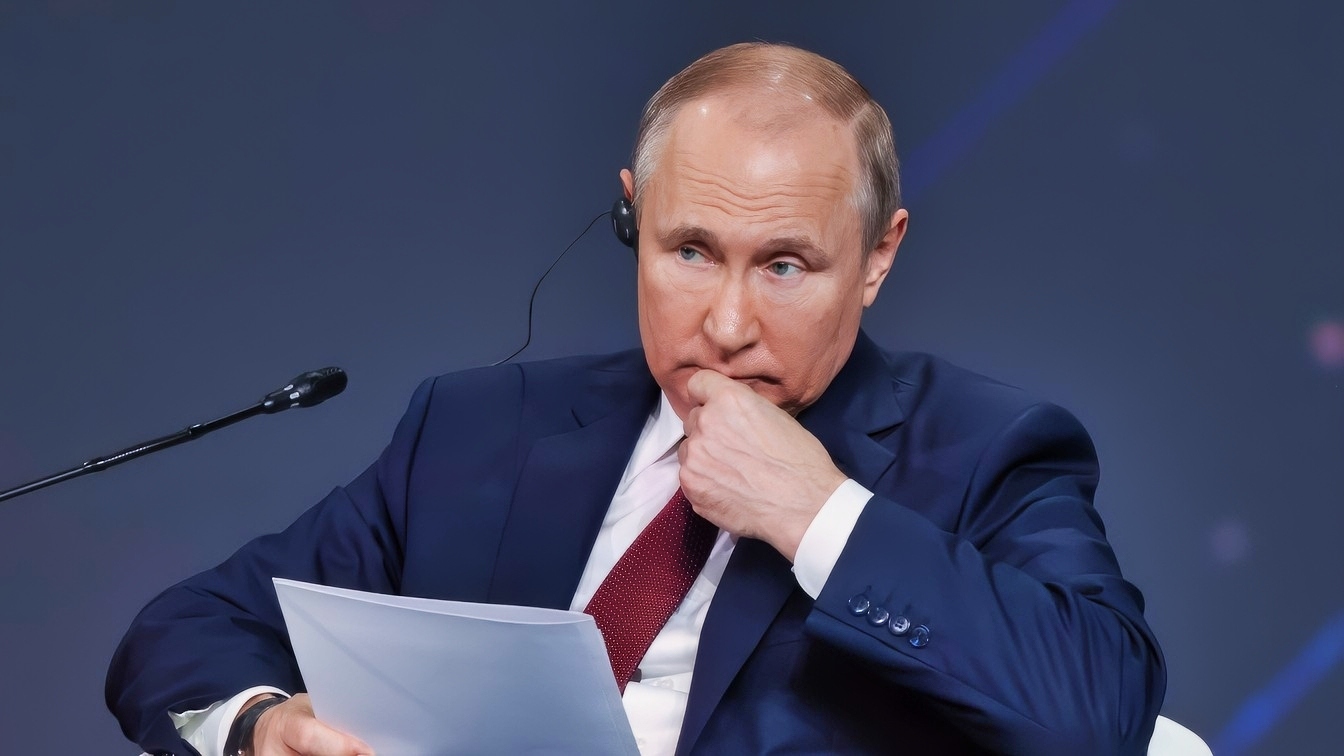
Putin in June 2021 Russian State Media Photo
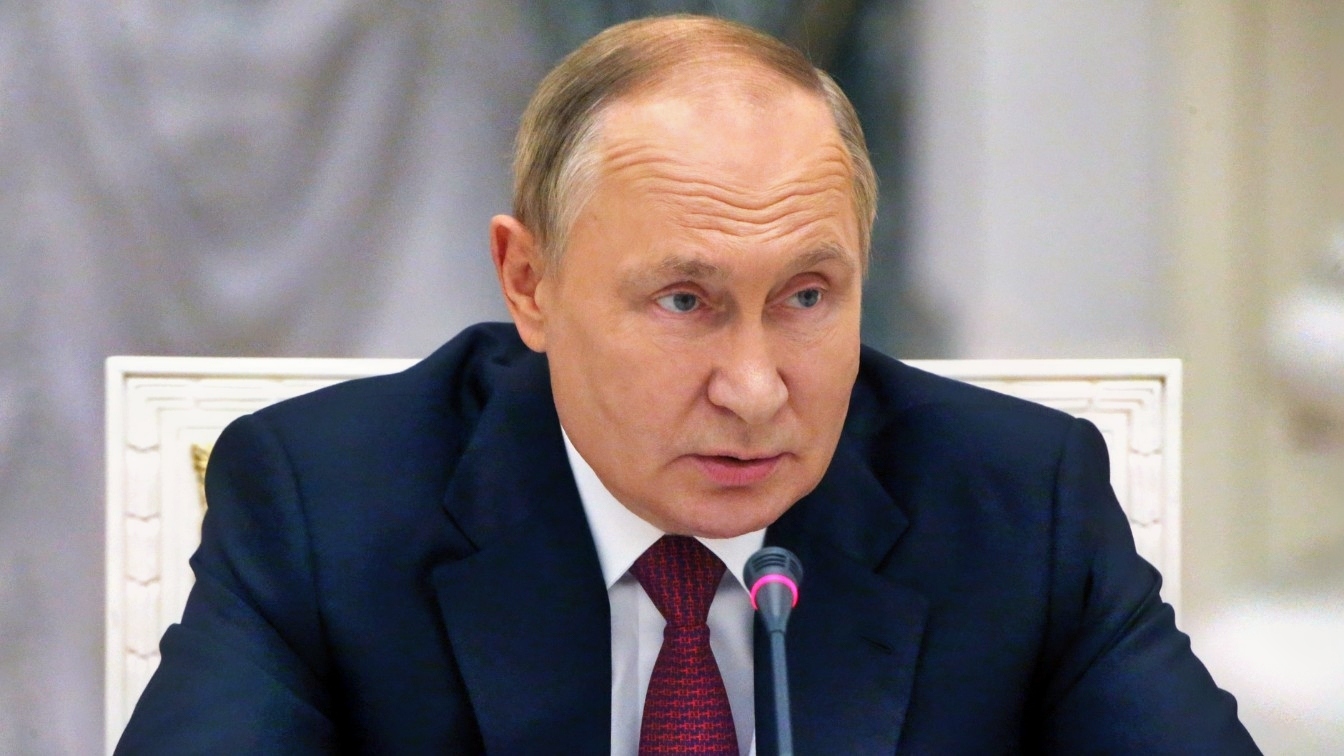
Putin in September 2022 Russian State Media Photo
June produced the highest monthly combined toll since April 2022. The UN recorded at least 293 civilians killed and 1,990 injured, 10 percent more than in May and 37 percent more than in June 2025. Kyiv, Dnipro, Zaporizhzhia, and Kherson were among the areas with the largest totals.
The pattern has continued into July. Russia launched 41 missiles and 125 drones across Ukraine on July 19, killing at least six people and wounding dozens in Kyiv, Kharkiv, Kherson, and Sumy. The attack included ballistic missiles, guided bombs, and drones aimed at several urban and industrial areas.
Russia’s Long-Range Weapons Are Driving the Increase
The UN said civilian casualties from long-range missiles and drones rose 60 percent from the first half of 2025. These weapons increasingly reach cities well beyond the front, where apartment buildings, offices, transport facilities, and commercial sites sit close together. One major July attack sent 52,500 people into Kyiv’s metro while air defenses tried to sort drones, cruise missiles, and ballistic weapons arriving from several directions.
In June alone, long-range weapons killed 126 civilians and injured 907, accounting for 45 percent of the monthly total. Russia has also continued striking energy, railway, and port infrastructure. Those attacks can cause casualties at the point of impact while interrupting electricity, transportation, emergency response, and the movement of essential supplies across a much wider area.
Ballistic missiles create the hardest defensive problem because warning time can be measured in minutes. Russia has placed greater emphasis on those weapons as Ukraine’s Patriot stocks remain limited. The defensive challenge is also changing as some Russian missiles use terminal maneuvers intended to complicate interception. Ukraine is developing and stockpiling domestic interceptors, but production and testing will take time.
Short-Range Drones Are Making Frontline Life More Dangerous
Near the front, smaller drones caused most civilian deaths and injuries. The UN recorded 89 civilians killed and 588 injured by short-range drones in June, the highest monthly total since the full-scale invasion began. Displaced residents described feeling hunted while shopping, walking dogs, cycling, working outside, or trying to leave exposed communities.
These drones can remain over roads and neighborhoods, identify individuals or vehicles, and delay rescue work. Reuters reported on July 16 that attacks around Zaporizhzhia, Kharkiv, Kupiansk, and Kramatorsk killed civilians in several separate incidents. The repeated threat also restricts evacuations and humanitarian access in communities close to Russian positions.
Emergency crews can be forced to suspend work when drones remain overhead, increasing the time needed to reach damaged buildings or transport wounded residents. That occurred again after a July 21 strike on a shopping center in Sumy. The effect extends beyond casualties recorded on a single day as families leave homes, businesses close, and older residents become more isolated.
Most Verified Casualties Are in Ukrainian-Controlled Territory
The vast majority of casualties verified by the UN occurred in territory controlled by Ukraine. In June, 2,226 civilians were killed or injured in government-controlled areas, compared with 57 in Russian-occupied territory. Access restrictions and verification delays mean the occupied-territory figure should not be treated as a complete count.
Russian authorities separately reported 250 civilians killed and 1,596 injured inside Russia during the first half of 2026, a 121 percent increase from the same period in 2025. The UN said it could not independently verify those figures, according to a July Security Council briefing. Civilian harm on either side remains subject to differing definitions, limited access, and claims made during an active war.
Ukraine’s Air-Defense Shortage Is Now a Civilian Protection Problem
Ukraine needs layered systems to handle cheap drones, cruise missiles, guided bombs, and ballistic weapons without spending its most capable interceptors on every target. Crews are already operating under severe interceptor pressure, while large mixed attacks are designed to exhaust magazines and create openings for the hardest missiles.
Additional Patriot missiles can reduce the ballistic threat, while cheaper interceptor drones and gun systems can handle lower-cost aircraft. Domestic production may improve the balance later, but current cities still depend on allied inventories and existing production lines. The next UN update will show whether July surpassed June; the July 19 barrage suggests the upward trend has not yet broken.
About the Author: Harry J. Kazianis
Harry J. Kazianis (@Grecianformula) was the former Senior Director of National Security Affairs at the Center for the National Interest (CFTNI), a foreign policy think tank founded by Richard Nixon based in Washington, DC. Harry has over a decade of experience in think tanks and national security publishing. His ideas have been published in the NY Times, The Washington Post, The Wall Street Journal, CNN, and many other outlets worldwide. He has held positions at CSIS, the Heritage Foundation, the University of Nottingham, and several other institutions related to national security research and studies. He is the former Executive Editor of the National Interest and the Diplomat. He holds a Master’s degree focusing on international affairs from Harvard University.


