

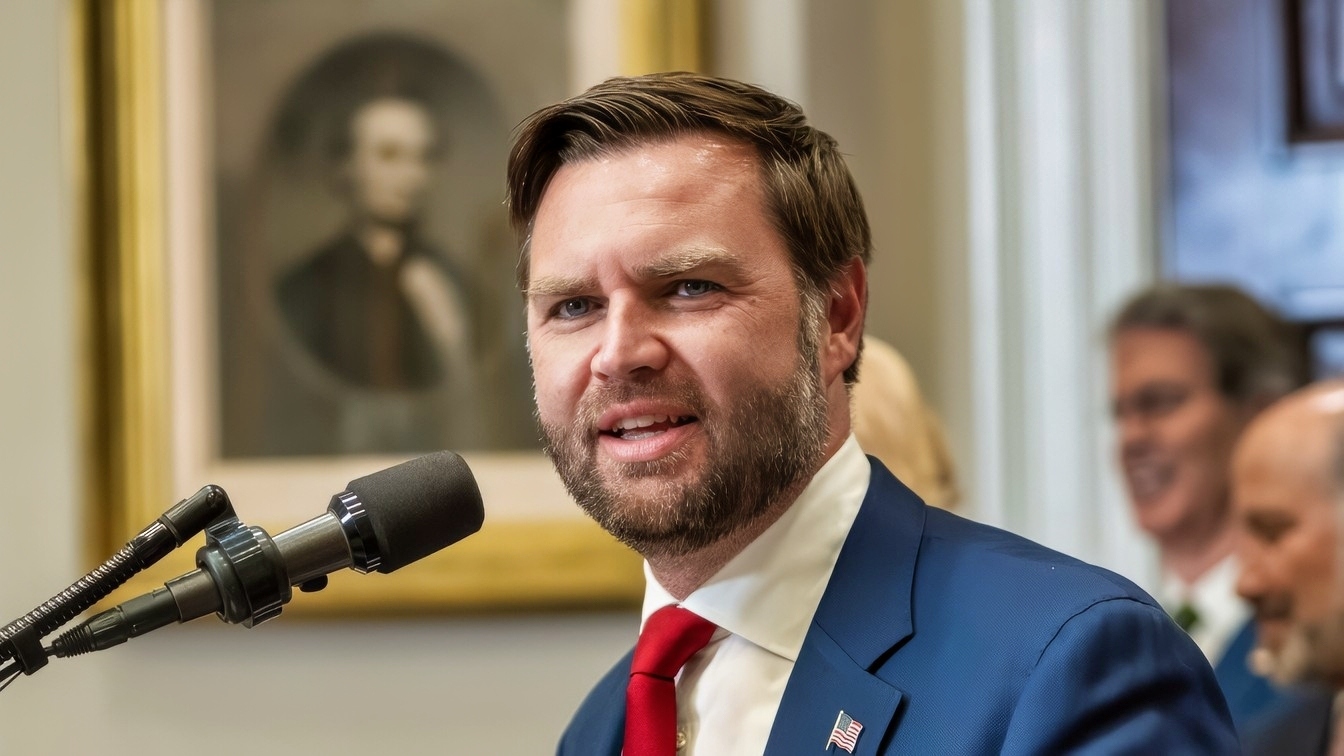
Vice President JD Vance entered the Trump administration with a clear foreign-policy identity. He was skeptical of prolonged military commitments and closely associated with Republican voters who wanted Donald Trump to avoid another open-ended Middle Eastern war. Full disclosure: I liked a lot of what he had to say, and I was a fan.
However, Iran has placed that identity under sustained pressure.
JD Vance Has a Problem
Trump acknowledged the difference early in the conflict. In March, he said Vance had been less enthusiastic about attacking Iran and was philosophically different at the outset, while insisting the two men remained aligned. The president’s description of Vance’s position confirmed that the vice president had reservations before becoming one of the administration’s main public defenders.
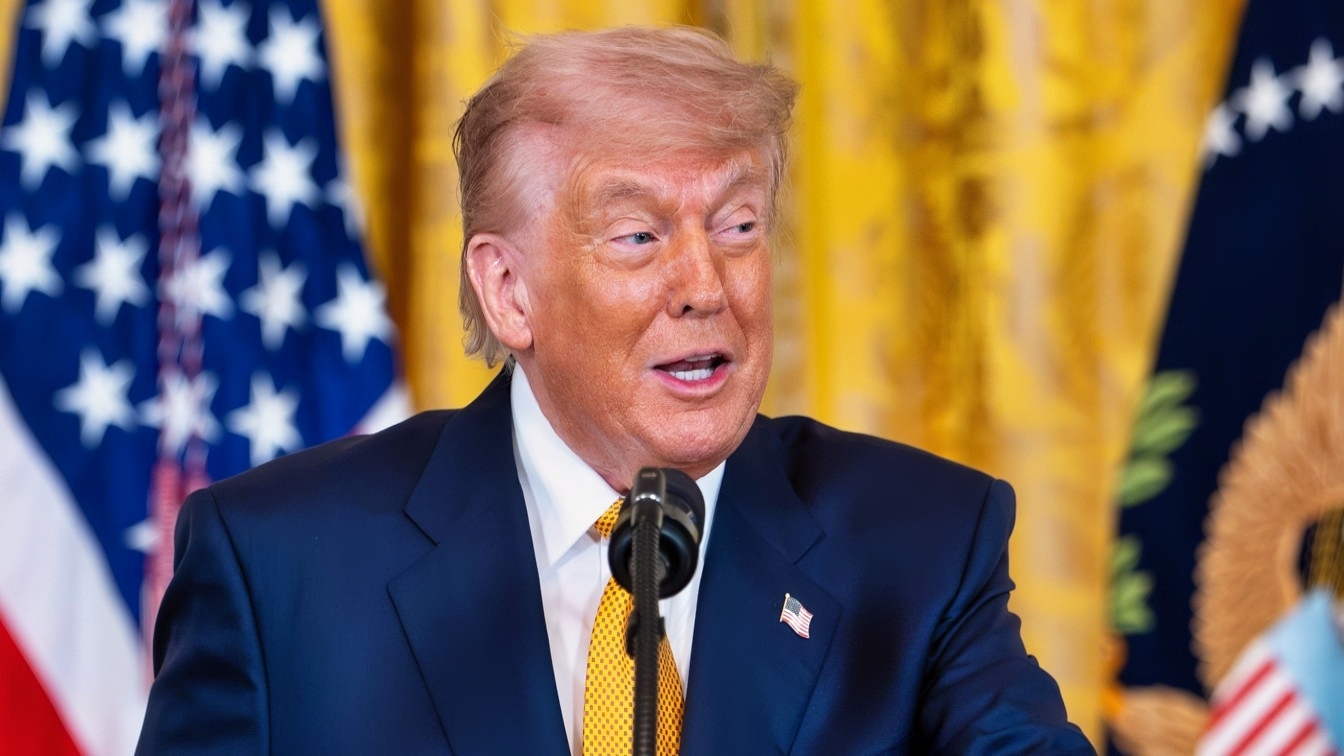
President Donald J. Trump delivers remarks at a Military Mothers’ Day event, Wednesday, May 6, 2026, in the East Room of the White House. (Official White House Photo by Andrea Hanks)
By June, Trump had placed Vance in charge of implementing a provisional agreement with Tehran. Vance defended the arrangement, led negotiations, and argued that diplomacy could secure nuclear inspections and restore traffic through the Strait of Hormuz. Reuters described the assignment as a potentially defining moment in his political rise.
The agreement then faltered, U.S. strikes resumed, and American casualties increased. A July Reuters/Ipsos poll found that 79 percent of Americans expected prolonged involvement, 37 percent supported the strikes, and 60 percent expected gasoline prices to worsen.
Vance now has to preserve his restraint credentials while defending a war many voters expect to continue. Good luck on that.
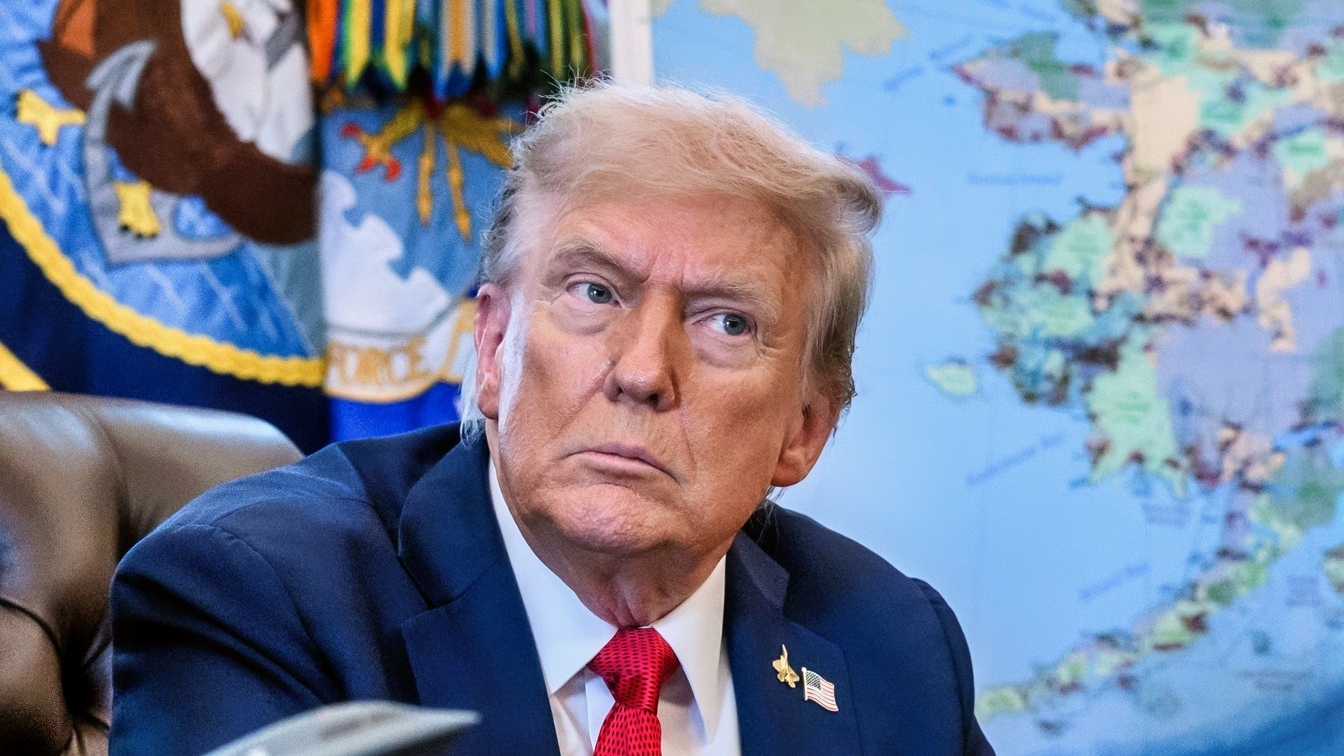
President Donald Trump, flanked by Secretary of Energy Chris Wright and Secretary of the Interior Doug Burgum, signs an Executive Order approving the Ambler Road Project in Alaska, Monday, October 6, 2025, in the Oval Office. (Official White House Photo by Joyce N. Boghosian)
JD Vance’s Restraint Brand Is Under Pressure
Vance argued that military action needed limited objectives, a plausible exit, and a direct connection to American interests. The Iran campaign has expanded from attacks on nuclear and missile facilities into maritime escorts, blockades, regional air defense, retaliation for attacks on U.S. personnel, and repeated negotiations over Hormuz.
Republican voters remain more supportive of the war than the wider public, but that partisan gap creates a difficult general-election position. Vance can defend the policy to Republican primary voters and still lose credibility with independents who associated him with restraint. He also has to explain why the campaign has lasted for months after the administration presented force as a route to a rapid settlement.
The nuclear agreement added another problem. Vance promoted inspections as evidence of progress, while critics questioned whether the provisions covered undeclared Iranian sites. The later breakdown made the agreement’s disputed terms part of his political record.
Trump Made JD Vance the Face of the Iran Endgame
Vance’s exposure increased when he became the administration’s chief defender of the June agreement. The Associated Press reported that he called the deal a win for Americans and cited lower fuel prices and renewed shipping. Trump publicly joked that he would blame Vance if the agreement failed, placing the vice president at the center of the argument over its success.
The collapse weakened Vance’s case. Trump said Iran accepted a favorable agreement and then attacked a ship shortly afterward, highlighting how quickly the supposed breakthrough unraveled. Washington and Tehran continued describing different obligations on navigation fees, sanctions relief, inspections, and enforcement.
Vance has tried to protect his position by criticizing actors he believes are undermining diplomacy. On July 16, he said some Israeli officials had attempted to influence American opinion against the agreement and suggested the United States might not have entered the war without Israeli pressure. Those remarks separated Vance from the campaign’s most hawkish supporters while keeping him aligned with Trump.
Marco Rubio Has Closed the 2028 Republican Gap
The war has sharpened the contrast between Vance and Secretary of State Marco Rubio. Vance has emphasized negotiations and warned against widening the conflict. Rubio has defended Israel’s freedom of action and represented a more traditional Republican national-security position. Their different approaches give Republican voters two versions of Trump-era foreign policy.
An Emerson College survey in February put Vance at 52 percent among likely Republican primary voters and Rubio at 20 percent. By late May, Vance led by only 36 percent to 35 percent. The survey does not establish that Iran caused the change. Rubio’s visibility, Vance’s broader performance, and normal early-primary volatility also matter.
The timing still raises concern for Vance. Iran elevated Rubio’s experience while forcing Vance to defend a policy that complicates his original appeal. The conflict also makes the administration’s wider polling problems relevant to the succession fight. A nominee tied to an unpopular war will have to defend its beginning, its costs, and its ending.
The Iran War Could Follow JD Vance Into a General Election
Vance’s strongest support remains inside the MAGA coalition. The wider electorate is less favorable toward the conflict. Polling has found that voters increasingly doubt the war was worth its costs, while independents have moved against the administration’s strategy. Higher gasoline prices and shipping disruptions connect the war to household finances.
That economic effect could remain after the fighting slows. The conflict has already influenced fuel, freight, and inflation expectations, creating a domestic cost voters can measure directly. Vance would have difficulty running as Trump’s heir while separating himself from one of the administration’s largest decisions.
A full defense of the war could weaken his restraint message. Repudiating it would place him against Trump and other administration officials. The available exits, including withdrawal, expanded attacks, a ground campaign, or a prolonged escort mission, all impose substantial costs.
JD Vance Can Still Benefit if Diplomacy Works
Vance still has a route to political gain. A durable agreement could support his claim that limited force created leverage and that diplomacy prevented an indefinite conflict. He could present himself as the official who restrained escalation and restored traffic through Hormuz.
As of July 20, mediators were proposing a 10-day ceasefire to revive the interim agreement, according to Reuters. Vance’s standing will depend in part on whether those talks produce sustained shipping, verifiable nuclear arrangements, and an end to attacks on American forces before Republican voters begin making their 2028 choice.
About the Author: Harry J. Kazianis
Harry J. Kazianis (@Grecianformula) was the former Senior Director of National Security Affairs at the Center for the National Interest (CFTNI), a foreign policy think tank founded by Richard Nixon based in Washington, DC. Harry has over a decade of experience in think tanks and national security publishing. His ideas have been published in the NY Times, The Washington Post, The Wall Street Journal, CNN, and many other outlets worldwide. He has held positions at CSIS, the Heritage Foundation, the University of Nottingham, and several other institutions related to national security research and studies. He is the former Executive Editor of the National Interest and the Diplomat. He holds a Master’s degree focusing on international affairs from Harvard University.


