

Polls Show Americans Don’t Want Trump’s Iran War: A new Financial Times poll has added to a growing body of evidence that Americans don’t want President Donald Trump’s war in Iran. The survey, conducted between June 26 and June 30 among 1,795 registered voters, found that 58% believed the conflict was not worth the cost. The same study found that 44% believe the war has strengthened America’s position against Iran and put Trump’s approval rating at just 36%.
The data also showed that independents were most likely to withdraw their support for the president over the war.
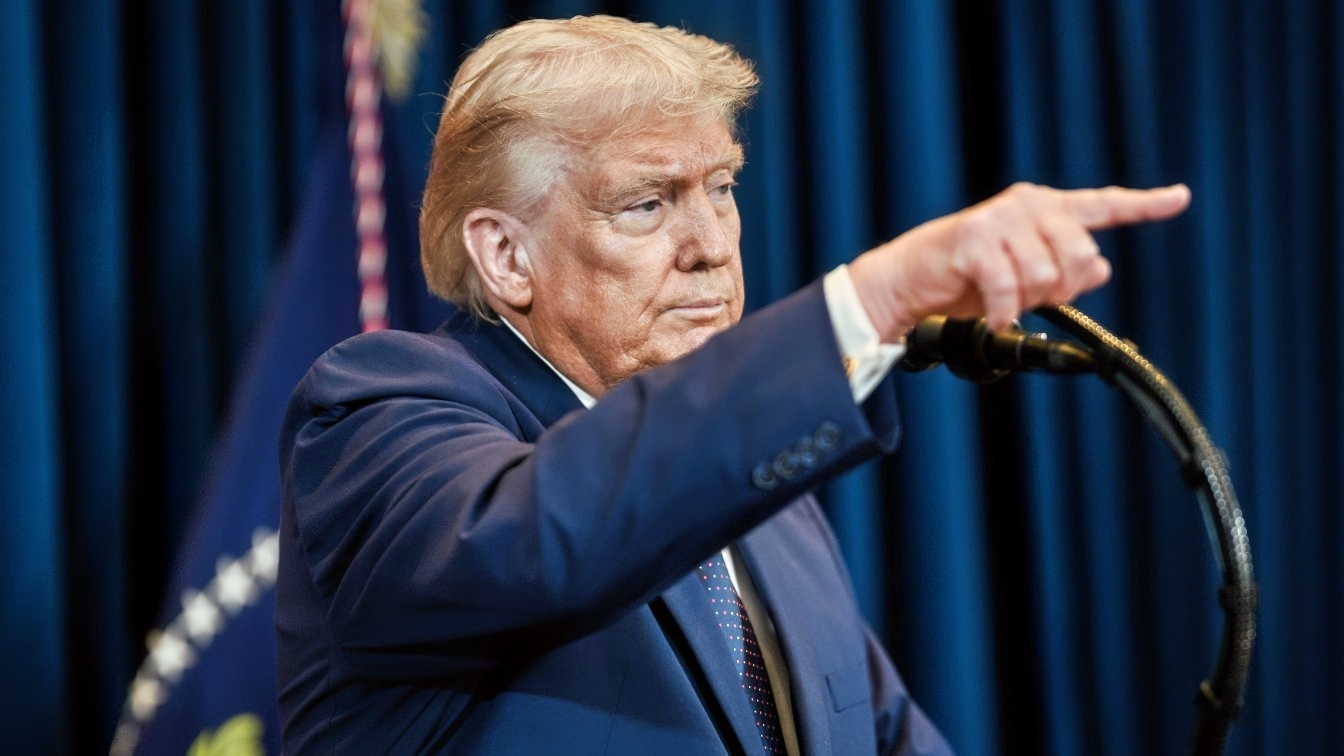
President Donald J. Trump visits the El Arepazo Doral restaurant, Monday, March 9, 2026, in Miami, Florida. (Official White House Photo by Daniel Torok)
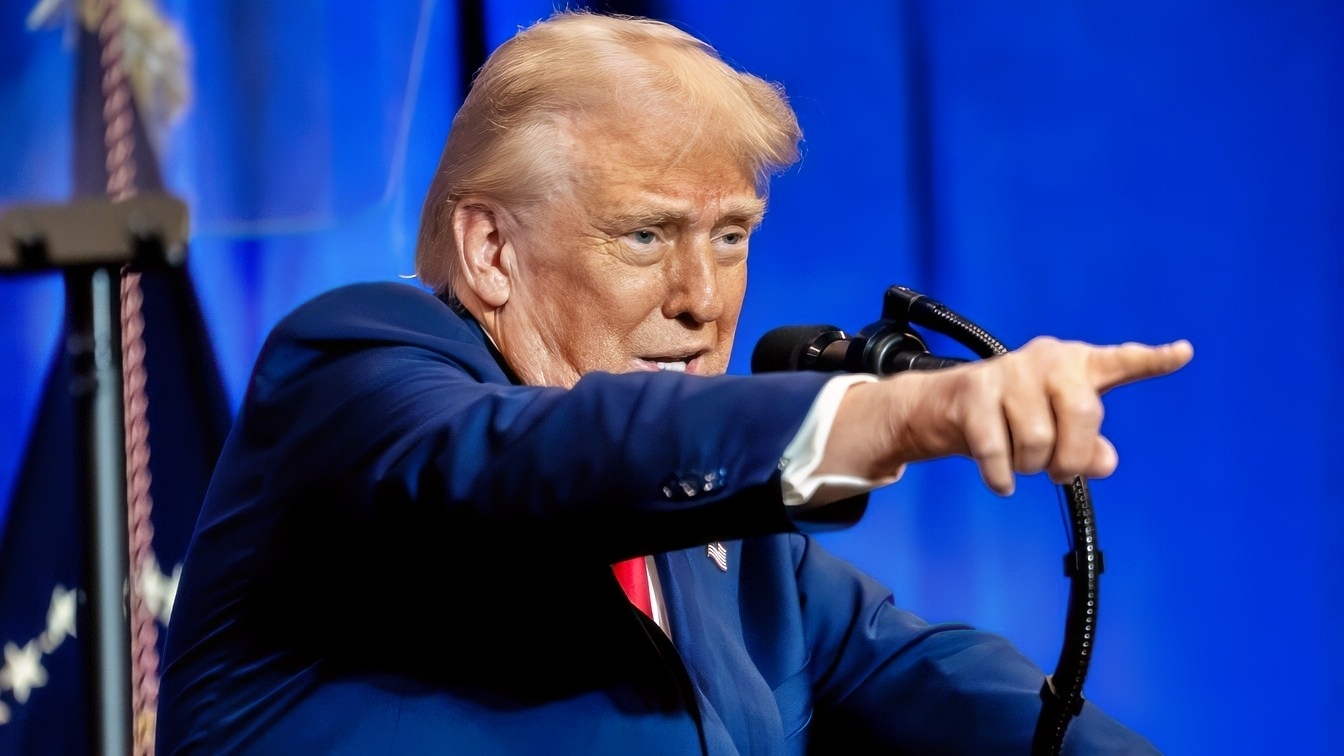
President Donald Trump delivers remarks at the Department of Justice in Washington, D.C., Friday, March 14, 2025. (Official White House Photo by Joyce N. Boghosian)
Quinnipiac Found the Same Thing
The new Financial Times poll comes after a June 24 Quinnipiac University national poll found that 60% of registered voters believe U.S. military action against Iran was not worth it, while 34% say it was.
The divide was clearly political, too, with 93% of Democrats opposing the war and 66% of independents saying the same, while 75% of Republicans said that the war was a good decision.
Quinnipiac also found that 45% of voters believe the United States is now in a weaker global position because of the conflict, with 33% arguing it is stronger. And on Trump’s handling of the war specifically, just 34% approved while 62% disapproved.
CBS and YouGov Also Show Deep Skepticism
A CBS News/YouGov poll conducted between June 17 and June 19 among 2,519 adults also found that 69% of Americans do not believe that the war was worth its costs. 31% said that it was. CBS also found that 57% believe the war caused more problems than it solved, and just 22% said they believe the U.S.-Iran Memorandum of Understanding (MOU) was better for the United States than for Iran.
An Economist/YouGov poll conducted between June 19 and June 22 also found that only 26% of Americans believe going to war with Iran was the right decision, and 54% said it was wrong. Just 25% said the United States was winning the war so far, while 22% said Iran was. 44% said neither side has won.
Republicans Take A Harder Line
Despite the broad national skepticism over Trump’s war in Iran, Republican voters are still far more supportive of military action than Democrats or independents – despite the president’s repeated promise during his campaigns to refrain from engaging in yet more wars in the Middle East. A June 1-June 15 survey by Gallup, which polled 1,001 adults, found that 79% of Republicans approved of U.S. military action against Iran, while 26% of independents backed the war, and 8% of Democrats did the same.
Republican support even extended to regime change. According to the Reagan Institute Summer Survey, which was conducted between May 26 and June 3 and surveyed 1,555 respondents, some 50% of Republicans were supportive of replacing Iran’s government with one that was favorable to the United States. 25% favored a negotiated settlement, according to the poll. It also found that among MAGA Republicans, 51% favored regime change and 25% preferred a deal. Democrats, however, held the opposite opinions: 52% supported diplomacy while 25% backed regime change.
Trump’s Approval Has Fallen
Growing public skepticism over the war is beginning to impact President Donald Trump politically – and risks his party’s hopes of maintaining control of the House and Senate in the upcoming midterm elections.
While the president entered the conflict arguing that military action was necessary to eliminate Iran’s nuclear program, the latest polling suggests that voters are unconvinced by his objectives.
A Reuters/Ipsos poll released on June 23 found that the president’s approval rating had fallen to 34%. The survey also found that just one in four Americans believe the war in Iran was worth its costs, while half said it was not. Similarly, 63% of respondents said they did not believe the truce with Tehran would produce lasting peace.
The findings are bad news for the president and suggest that his promise to keep the United States out of costly foreign wars is now becoming harder to defend as the conflict drags on.
With the midterm elections approaching, continued public dissatisfaction over Iran – and the risk of an oil crisis in the event the Strait of Hormuz is once again blocked – could spell disaster for the Republicans and leave the Republican president without very much power for the consequential final two years of his presidency.
Americans Still Distrust Iran
While the polling suggests that Americans are frustrated with the war, it does not indicate that Americans support or trust Iran.
A Marist poll conducted in March found that more than eight in ten Americans consider Iran a threat to U.S. national security, with 44% describing it as a major threat.
So while more recent surveys show that Americans are unhappy with the war, the data seem to suggest that Americans distrust Tehran but do not believe a prolonged military conflict is the best way to confront it.
About the Author: Jack Buckby
Jack Buckby is a British researcher and analyst specializing in defense and national security, based in New York. His work focuses on military capability, procurement, and strategic competition, producing and editing analysis for policy and defense audiences. He brings extensive editorial experience, with a career output spanning over 1,000 articles at 19FortyFive and National Security Journal, and has previously authored books and papers on extremism and deradicalization.


