
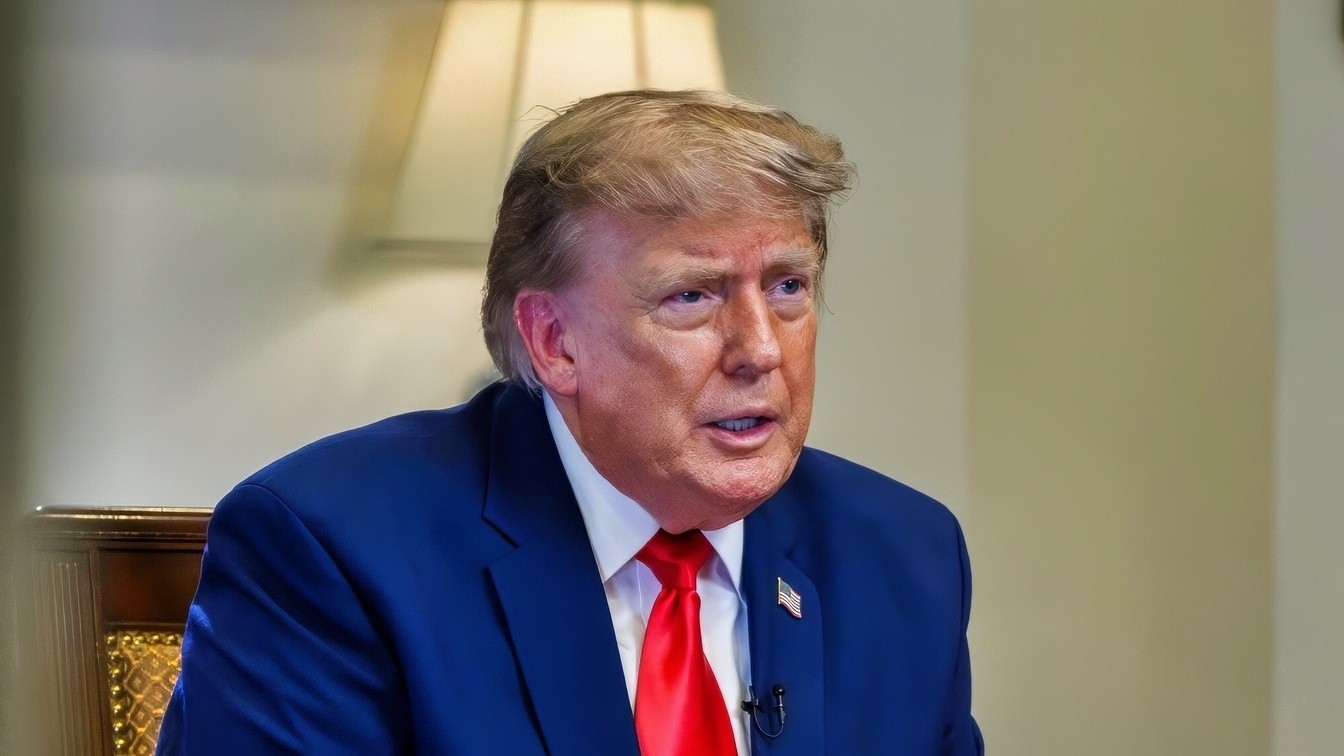
How Do U.S. Military Vets Feel About the Iran War? – Seven months after the United States and Israel launched strikes on Iran, American veterans, and indeed supporters of the president, are still divided over the war – and whether the costs, which have extended well beyond the battlefield, have been worth it. Some support the campaign against Iran’s nuclear program and the regional threat it poses, while others question its duration and the burden it places on those serving, and the damage done to American bases in the Middle East.
Interviews conducted with veterans in Virginia and Michigan, along with statements from lawmakers who have served in uniform, show that the concern doesn’t fall along party lines, either. Some veterans are so dismayed they won’t vote in the November midterms, and others see echoes of Iraq and Afghanistan.
The War Is Being Felt at the Pump
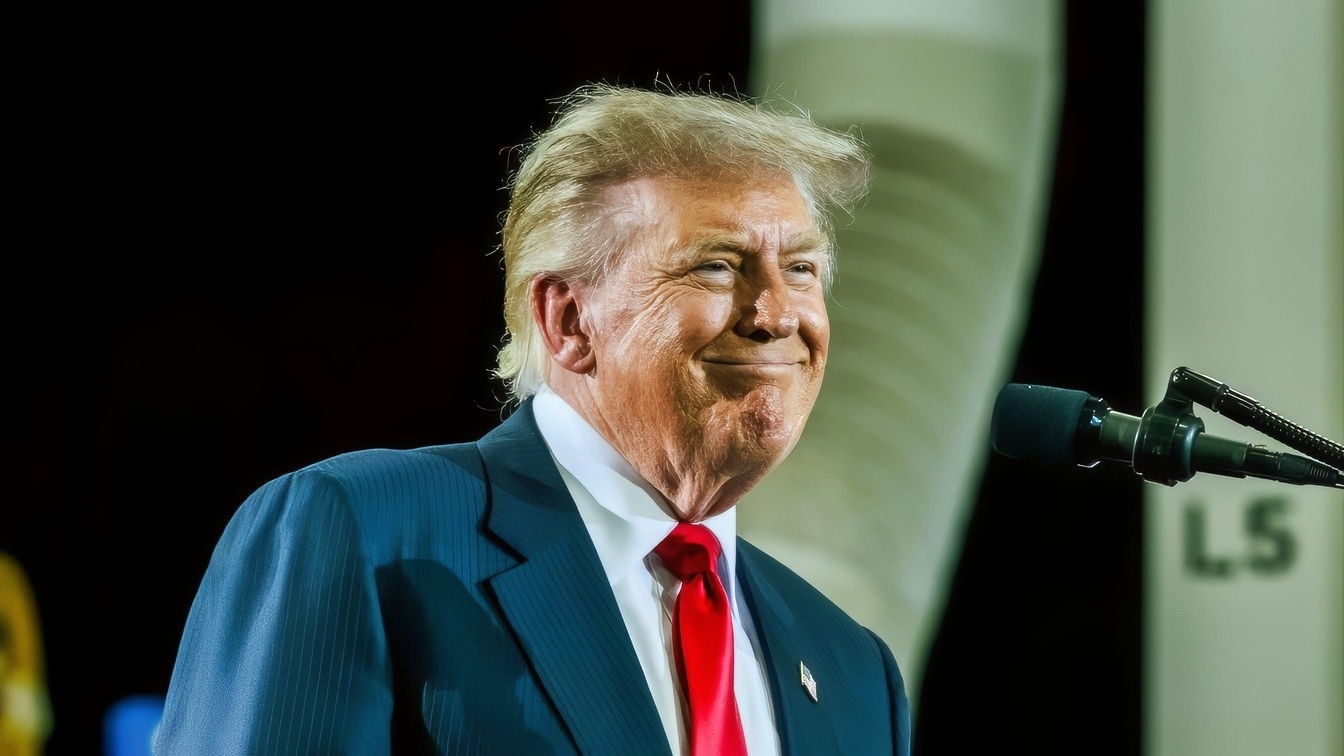
President Donald J. Trump delivers remarks at the General Motors Proving Ground in Milford, Michigan, Monday, July 27, 2026. (Official White House Photo by Daniel Torok)
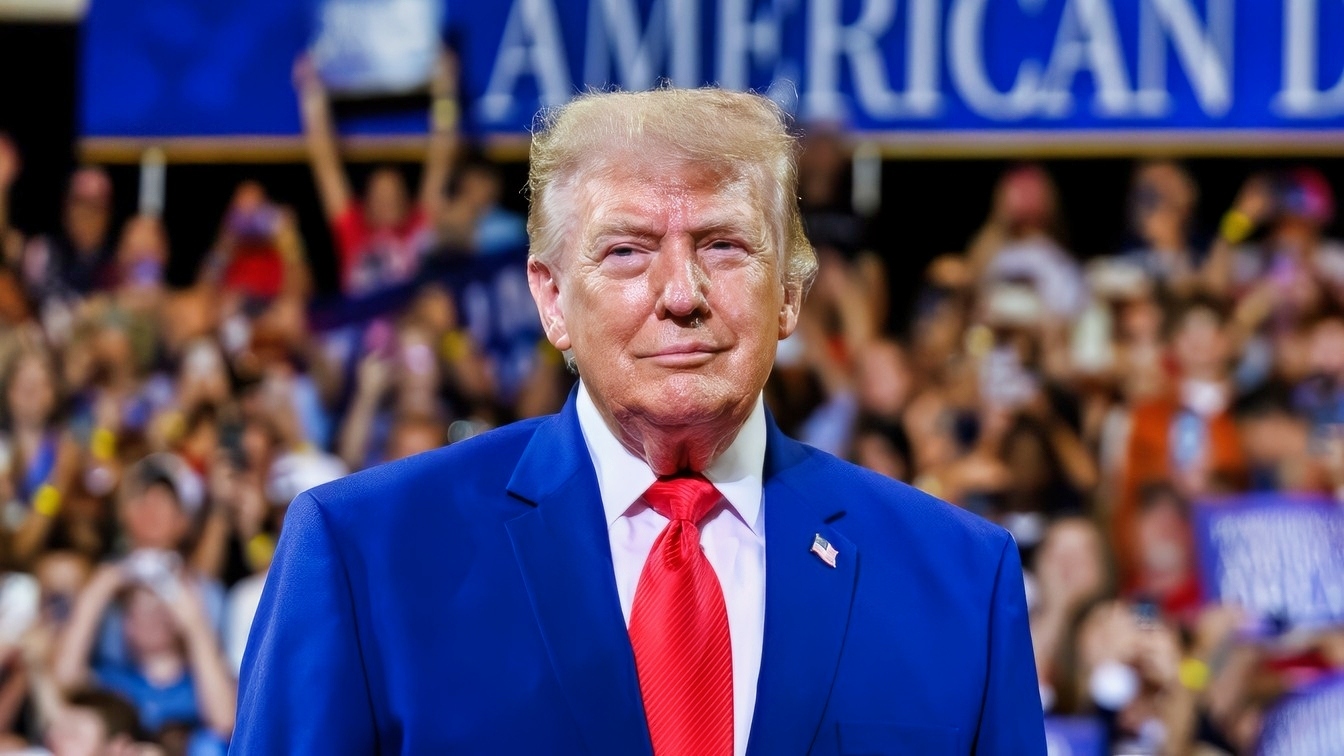
President Donald J. Trump delivers remarks on Trump Accounts, Wednesday, July 22, 2026, at Wheeler High School in Marietta, Georgia. (Official White House Photo by Molly Riley)
The war in Iran, by way of the regime’s ability to disrupt traffic through the Strait of Hormuz, is being felt at the pump – and energy prices are rising rapidly worldwide.
The Congressional Budget Office assessed in September that military operations against Iran have also cost the Department of Defense around $38 billion through August 1, and the same assessment projected that the resulting energy shock will add 0.5 percentage points to U.S. inflation in the first quarter of 2027, compared to its pre-war forecast.
Those costs matter not just because they affect civilian life in the United States, but also because President Donald Trump’s performance will be polled on election day in November, when many voters consider the president’s party when casting their votes for legislators.
They matter in places such as Virginia’s 2nd Congressional District, which includes military communities around Virginia Beach and Norfolk. Republican Rep. Jen Kiggans, a former Navy helicopter pilot and supporter of the war in Iran, is facing off against former Democratic Rep. Elaine Luria, also a Navy veteran.
The race is one setting for a series of interviews conducted by The Telegraph, reported on September 28, with veterans who have different views of the conflict.
Doubts Among Trump Voters
One veteran who spoke to The Telegraph is Kris Kunkel, a Navy veteran in Virginia Beach who voted for Trump in the last three presidential elections. He told the newspaper that the war had contributed to his decision not to vote in the midterms.
“I’m just done. I’m tired of thinking you can vote people in and things will change. When you do think you’ve got someone in, they change direction,” Kunkel told the outlet. “For me, it’s the war. I don’t think our government understands the thinking of the Islamic [regime]. As far as us and how they get out of this, I don’t know. I don’t know because they don’t stop.”
Derrick Johnson, a Navy veteran who served during Desert Shield/Desert Storm, and who has also spent time in the Strait of Hormuz, expressed frustration over the difference between Trump’s campaign promises and the current war.
“Me personally, and these are my personal feelings, you promise a thing when you’re going up for election. You promise not to pull us into any wars. You promise to do certain things, and if I vote for you, that’s what I expect to happen,” he said.
“And I feel like that hasn’t happened, and it’s putting a strain on the community.”
Veterans Don’t All Agree
The Telegraph also met veterans who defended the campaign, including Keith Shanesy, who served in the Persian Gulf and supports Trump, arguing that striking Iran was long overdue.
Bruce Johnson, a retired Navy commander, told the outlet he opposed Iran obtaining a nuclear weapon and said that the war, in his mind, was coming to an end.
But other veterans saw some worrying parallels with earlier U.S. wars.
At a September 25 protest outside a Lansing, Michigan, gas station, Iraq War veteran Steve Monti questioned what his generation had accomplished and what the Iran war would demand of the next one. The event was attended by Democratic and antiwar organizations. Retired Army Command Sgt. Maj. Duane Kleinhardt also criticized a Republican lawmaker’s earlier votes against restricting the war.
And the split can be seen in Congress, too.
On September 15, Republican Reps. Zach Nunn, an Air Force colonel, and Mariannette Miller-Meeks, a 24-year Army veteran, voted for a measure to limit the president’s war powers in Iran after opposing earlier resolutions. Nunn said he would not support an open-ended war, while Miller-Meeks called on Trump to explain to Congress and the public how he believed the war could end.
The divide among veterans means that Trump’s war is not universally opposed — but it looks like it is unpopular enough to cost his party in the midterms, if the latest polling is to be believed.
About the Author: Jack Buckby
Jack Buckby is a British researcher and analyst specializing in defense and national security, based in New York. His work focuses on military capability, procurement, and strategic competition, and he produces and edits analysis for policy and defense audiences. He brings extensive editorial experience, with a career output spanning over 1,000 articles at National Security Journal, and has previously authored books and papers on extremism and deradicalization.


