

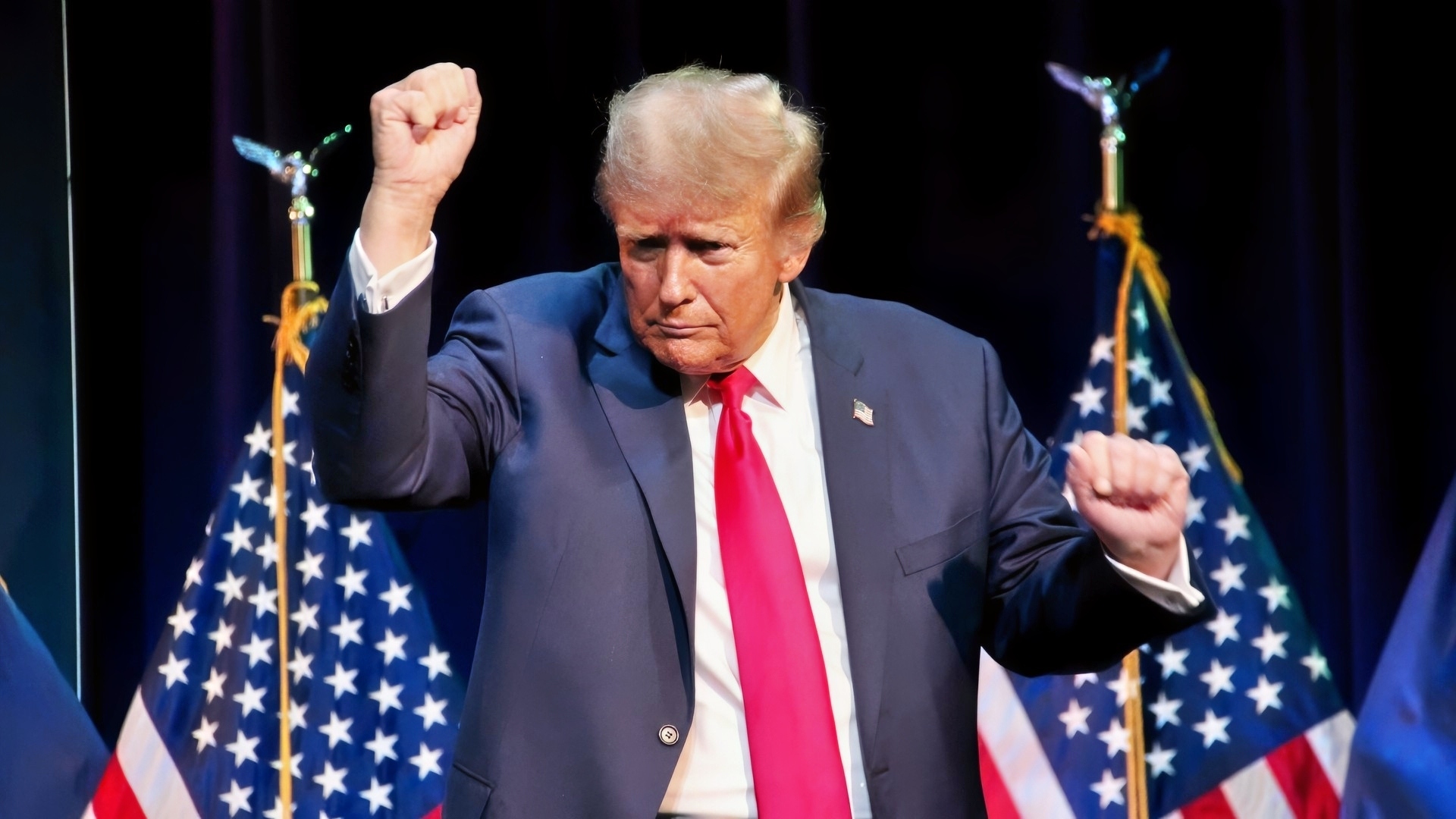
When Donald Trump returned to the White House, it soon became clear he was running a wide variety of schemes to enrich himself, and many, especially the president’s vocal opponents, felt despair.
After all, Trump had been impeached twice in his first term and had escaped major punishment from four separate criminal indictments during his time out of office, but he still returned to the presidency.
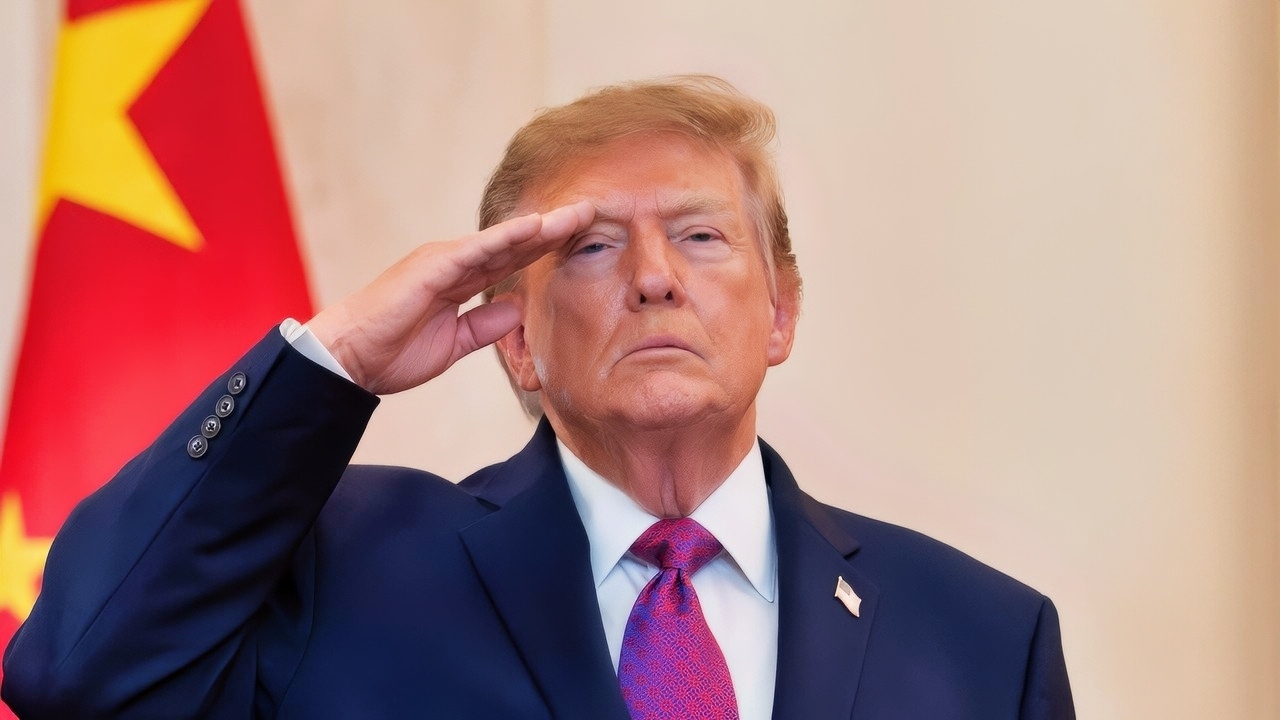
President Donald J. Trump and First Lady Melania Trump greet President Xi Jinping of China and First Lady Peng Liyuan at the South Portico during a State Arrival ceremony, Thursday, September 24, 2026. (Official White House Photo by Andrea Hanks)
Amid all that, the Supreme Court ruled in favor of broad presidential immunity, seemingly making it impossible for Trump to face consequences for anything he did in his second term.
However, nearly two years into Trump’s second presidency, signs suggest that the widespread perception of Trump’s corruption is finally beginning to have political consequences.
The Perception of Corruption
According to the Washington Post, which cited its Washington Post-ABC News-Ipsos poll, almost two-thirds of Americans believe the president is “using the presidency to enrich himself.” Most of the increase over the last year comes from Republican voters.
Now, 34 percent of Republicans and Republican-leaning independents agree that Trump is enriching himself, up from 22 percent in a September 2025 version of the survey.
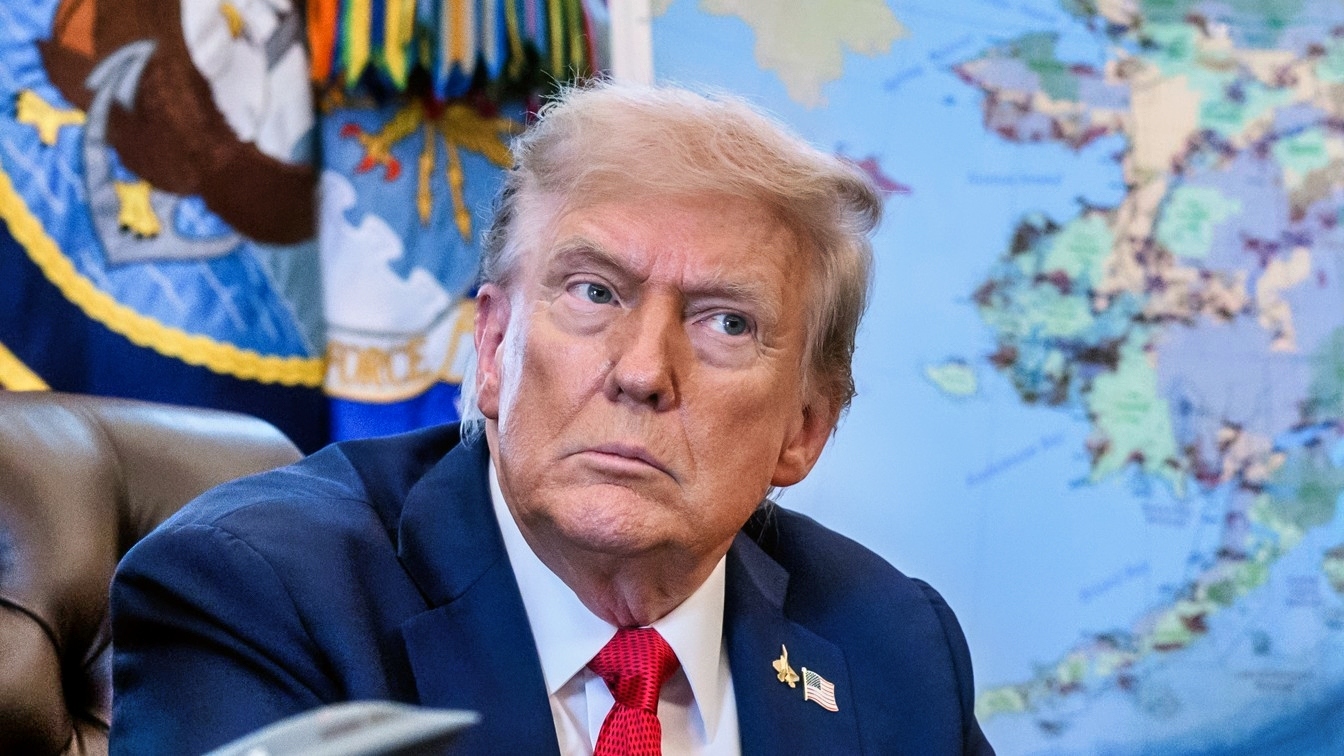
President Donald Trump, flanked by Secretary of Energy Chris Wright and Secretary of the Interior Doug Burgum, signs an Executive Order approving the Ambler Road Project in Alaska, Monday, October 6, 2025, in the Oval Office. (Official White House Photo by Joyce N. Boghosian)
The vast majority of Democrats and Democrat-leaning independents believed this about Trump before, and they still do.
The Nation’s Jeet Heer paints this phenomenon as Republican voters “waking up” to Trump’s corruption.
As The Post noted, highlighting Trump’s self-dealing and corruption in Washington more generally has been a key part of Democrats’ midterm campaign pitch, with those efforts focusing on “ties to the nation’s wealthiest individuals, the high net worth of his Cabinet, and his family’s cryptocurrency and foreign business deals.” Democrats have also tried to draw a straight line from the self-enrichment of Trump and his circle to the high cost of living and inflation.
Indeed, Trump’s wealth has grown by an unprecedented scale during his second presidency.
There have also been some high-profile stories, like the scandal this month in which Kimberly Guilfoyle, the former Fox News host and former fiancée of Trump’s son, was forced to resign as ambassador to Greece after texts surfaced of her asking a donor for money.
Vox reported, meanwhile, that concerns about Trump’s corruption are finally breaking through, with polling data from Fox and Gallup showing voters care.
The big question is what Democrats do if they win one or both houses of Congress.
An Anti-Corruption Agenda?
Rep. Hakeem Jeffries (D-NY), who would almost certainly become House Speaker if Democrats win back the House, recently said an incoming Democratic House majority would work to “hold the crooks accountable who’ve visited unprecedented corruption on the American people — beginning on day one.”
What will that look like?
Vox laid out scenarios for what could happen in 2027.
These include investigations into Trump, his cabinet, and other associates; they could range from probes into the Trump family’s crypto investments to whether cash was traded for pardons to the jet Trump accepted from Qatar.
That is just one of many potential issues Democrats could investigate if they gain the majority and the subpoena power that comes with it.
The Hill reported that congressional committees could investigate the Guilfoyle scandal, as well as other Trump associates with questionable financial ties.

Kimberly Guilfoyle. Creative Commons Image.
This includes Steve Witkoff and Jared Kushner, two Trump associates—one of whom is his son-in-law—who have led diplomacy with Russia, Ukraine, and Iran while also holding significant financial investments in the Middle East.
Also, per Vox, the Democrats could pursue other changes, including “proposing broader ethics or government reforms to the system as a whole.” That could be challenging, however, since Trump would still be president for two more years and likely wouldn’t sign any anti-corruption or campaign finance reform legislation.
The Supreme Court has also recently ruled against such limitations.
Another Option for a New Democratic Majority?
In 2027, the party could pursue “policies that seek to drive down voters’ healthcare costs, utility bills, and grocery prices by challenging malfeasance from corporations or special interests.” This, too, would be easier said than done, especially if it means pursuing the anti-monopoly agenda that was ascendant during the Biden presidency.
About the Author: Stephen Silver
Stephen Silver is an award-winning journalist, essayist, and film critic, and contributor to the Philadelphia Inquirer, the Jewish Telegraphic Agency, Broad Street Review, and Splice Today. The co-founder of the Philadelphia Film Critics Circle, Stephen lives in suburban Philadelphia with his wife and two sons. For over a decade, Stephen has written thousands of articles on politics, national security, technology, and the economy. Follow him on X (formerly Twitter) at @StephenSilver, and subscribe to his Substack newsletter.


