
US Envoys to Visit Russia and Ukraine This Weekend – United States envoys Steve Witkoff and Jared Kushner are traveling to Russia and Ukraine this weekend in a renewed effort to revive peace talks between the two warring nations.
Russian state news agency TASS reported the trip, which seeks to bring an end to the four-and-a-half-year war, but the Kremlin declined to comment when pressed.

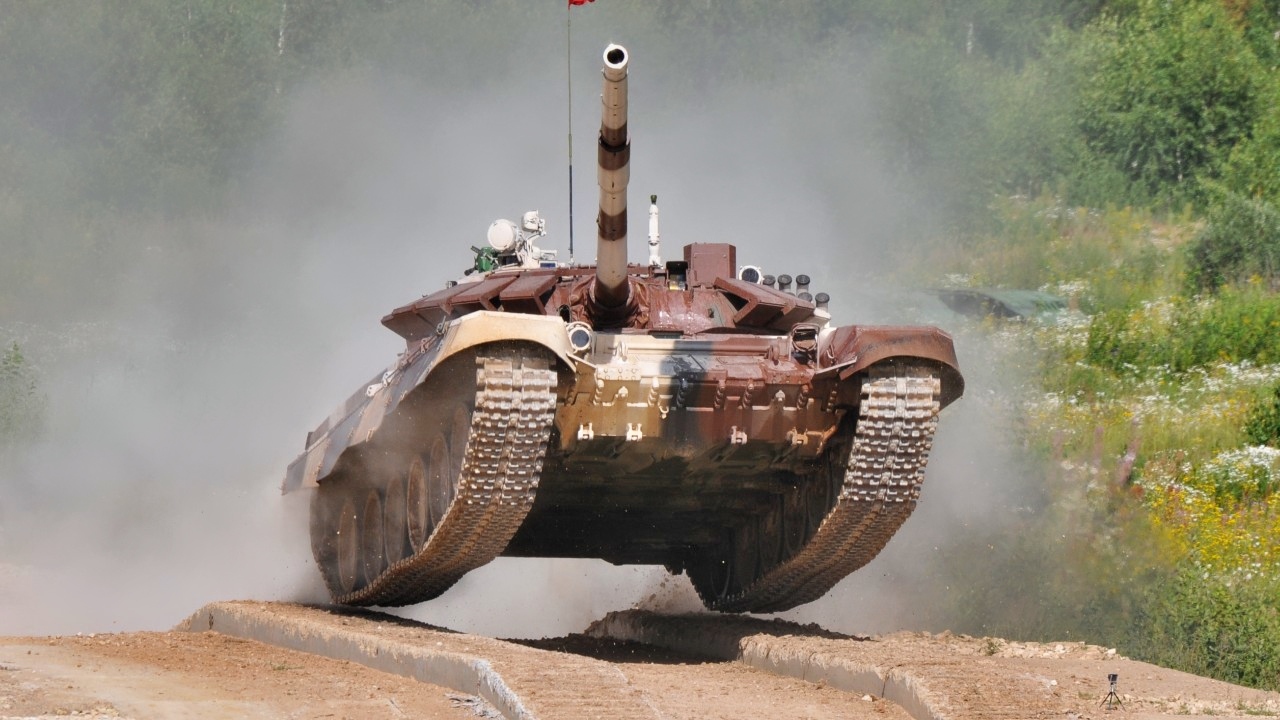
Tim Murry, a foreign threats compound contractor, drives a T-72 battle tank into position to serve as adversary targets for a joint service exercise, Emerald Flag, at Eglin Air Force Base, Fla., Nov. 30. Emerald Flag is a multi-service exercise aimed to unify information sharing across joint domain platforms. (U.S. Air Force photo/1st Lt Karissa Rodriguez)
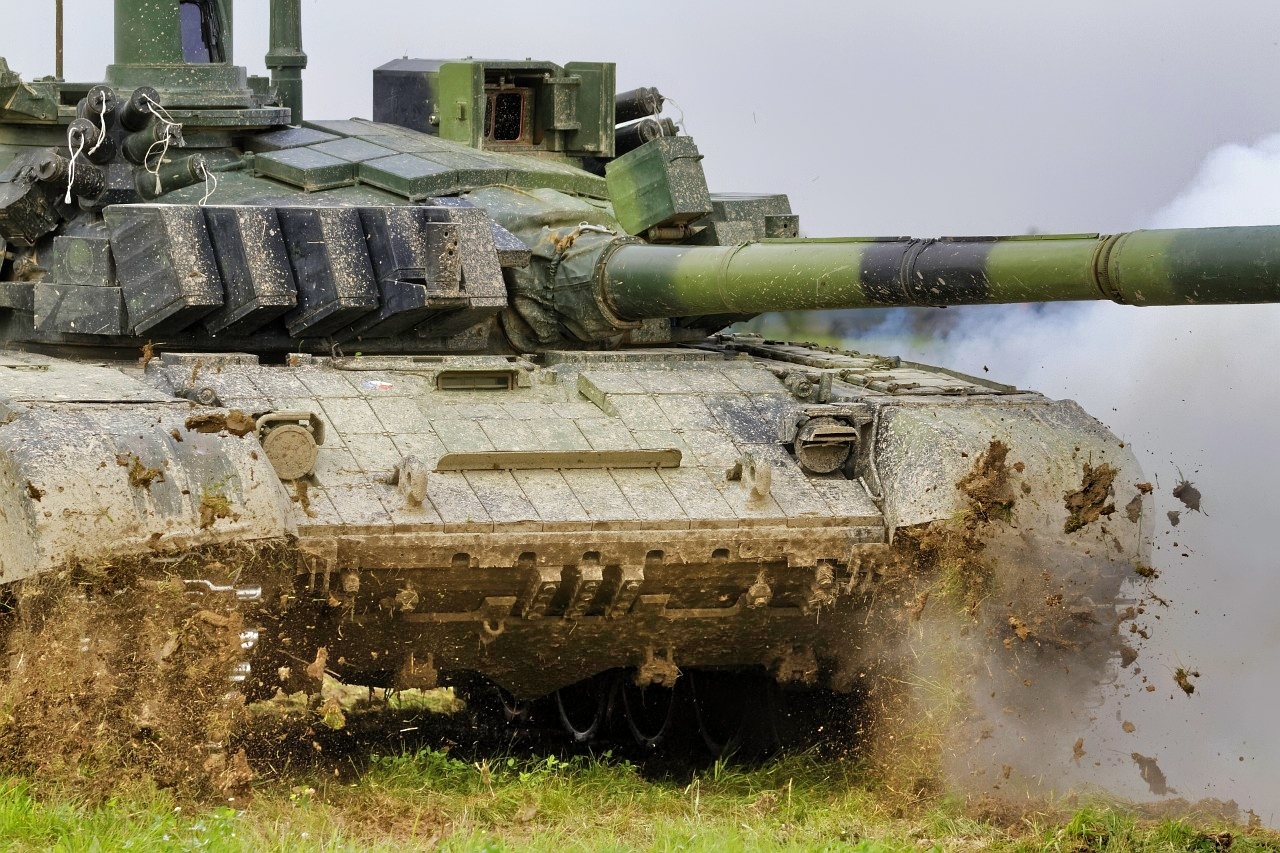
T-72 Tank. Image Credit: Creative Commons.
Despite renewed efforts to bring an end to the conflict following President Donald Trump’s return to office, talks have largely subsided in recent months with U.S. attention focused on the war with Iran.
Weekend Trip Expected
Speculation has mounted in the past few days over a possible trip to both Moscow and Kyiv by the U.S. envoys.
On Thursday, 3rd September, Ukrainian President Volodymyr Zelensky said U.S. officials were expected to visit both nations in the coming days. Witkoff and Kushner are expected to spend Saturday in Moscow, before visiting Kyiv on Sunday.
Kremlin spokesperson Dmitry Peskov declined to confirm a visit when pressed by journalists about the TASS report.
“I wouldn’t make any announcements right now, but we will inform you when these contacts take place,” Peskov said on Friday morning.
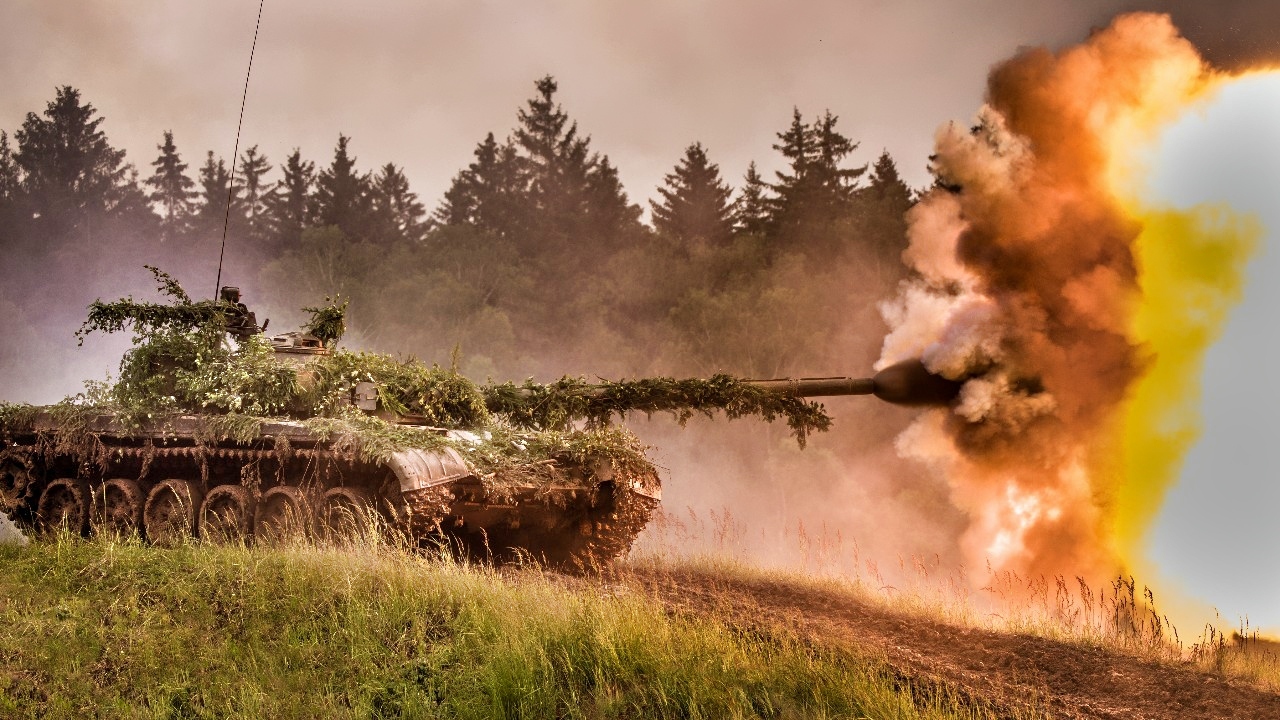
T-72 Like Those Fighting in Ukraine.
Discussions Ongoing
Witkoff and Kushner last visited Moscow in January, when they held four hours of talks with Russian President Vladimir Putin. The pair have not yet visited Ukraine since Trump took office in January last year, and the latter part of their expected trip is still under discussion.
“The Russians don’t want them to visit Kyiv and are trying to make them change the plan,” a source familiar with the matter told Reuters.
The last U.S.-mediated talks between the two warring nations happened in February, just weeks before the U.S.-Israeli conflict with Iran began.
A Long Process
Before his election two years ago this November, Trump made a political promise to end the war between Russia and Ukraine, repeatedly claiming that a peace agreement could be signed within 24 hours of his return to the White House. He remained sheepishly quiet about how this could be achieved, and it ultimately never came to fruition.
That said, talks between Russia and Ukraine have taken place more frequently during the Trump administration. Although talks took place in Istanbul during the initial weeks of Russia’s full-scale invasion in February 2022, negotiations halted thereafter, and the remainder of President Joe Biden’s term largely saw nations, including the two at war, present peace plans to no avail.
Trump’s approach to the conflict has been noticeably different to his predecessor. The President has held direct talks with his Russian counterpart – something Biden declined to do following the invasion – and welcomed him to Alaska last August to discuss a potential ceasefire. He has also been firmer with Zelensky, repeatedly calling for concessions to end the conflict.
This renewed approach has brought Russia and Ukraine face to face, with May 2025’s summit in Turkey being the first meeting in over three years. Follow-up trilateral meetings have extended into 2026, with two rounds of talks in Abu Dhabi followed by a third in Geneva, but no agreement was reached. Since then, U.S. attention has been diverted to the Middle East amid the ongoing conflict with Iran.
Polarized Perspectives
Much of the reasoning behind why the war carries on well into its fifth year is due to the two sides’ different viewpoints on occupied territory. Although Zelensky has expressed a willingness to make concessions, including the withdrawal of troops from parts of the Donetsk region, a firm red line divides the Ukrainian and Russian leaders: territory.
Putin has long maintained that a peace agreement can only be reached if Ukraine withdraws troops from Donetsk and Luhansk – two oblasts known as the Donbas that Russia recognizes as independent republics. Given the vast number of lives lost in the conflict, Zelensky has been reluctant to concede territory that hundreds of thousands paid the ultimate price to defend.
It’s these polarizing views that have long been a sticking point. Ukraine has grown to accept that it may never join NATO, and security guarantees may not last as long as the country would like, but it is understandably impossible for Zelensky to withdraw from a region internationally recognized as Ukraine’s own, which it continues to defend to this day.
Until a consensus is reached on territory, it’s hard to see a permanent peace solution emerging anytime soon.
About the Author: Shay Bottomley
Shay Bottomley is a British journalist. He has written for the Western Standard, Business Insider, Maidenhead Advertiser, Slough Express, Windsor Express, Berkshire Live and Southend Echo.