

Over the last two weeks, Americans have suffered a series of major inconveniences, from an outage that affected Microsoft Office last week to a national grounding of flights that lasted most of a day, to a banking outage that affected multiple financial institutions.
Even the National Security Agency was affected by an outage.
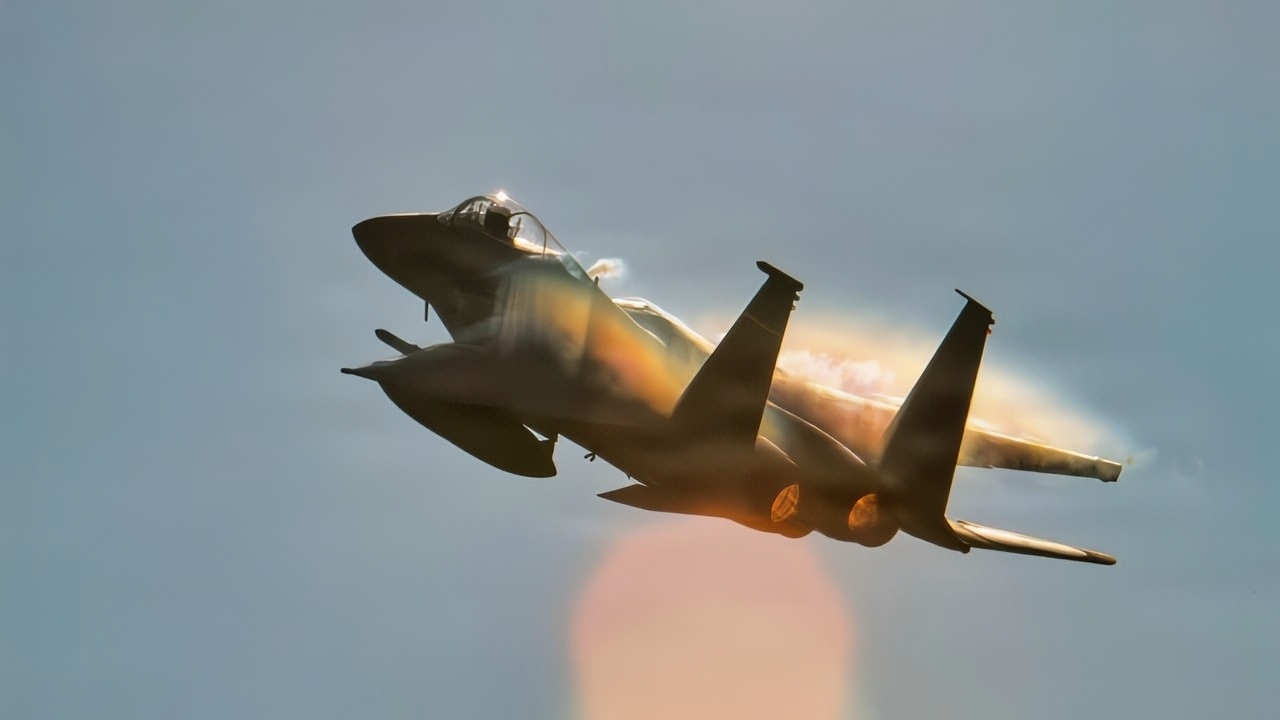
A U.S. Air National Guard F-15 Eagle from the 159th Fighter Wing, Louisiana Air National Guard, takes off during exercise Sentry Aloha 26-1 at Joint Base Pearl Harbor-Hickam, Hawaii, Jan. 27, 2026. The training demonstrates the 154th Wing’s capability to lead large-force employment exercises, reinforcing the Guard’s position as a vital component of the nation’s operational force. (U.S. Air National Guard photo by Senior Master Sgt. Mysti Bicoy)
What’s causing all of this, and is it all connected? This week, the Secretary of State said Americans shouldn’t worry that a “malign actor” caused all of the misfortune.
According to the Associated Press, Rubio spoke on Wednesday from the Philippines, where he is traveling with the president, and stated that the outages are not believed to be connected or the result of nefarious means.
“We have zero evidence or any reason to believe that any of these isolated or individual instances have anything to do with nefarious actors, with cyber hackers, with criminals, with another nation-state, with a malign actor of any kind,” the Secretary of State said from Manila.
The president had reacted less than sympathetically the day before when asked about the outages.
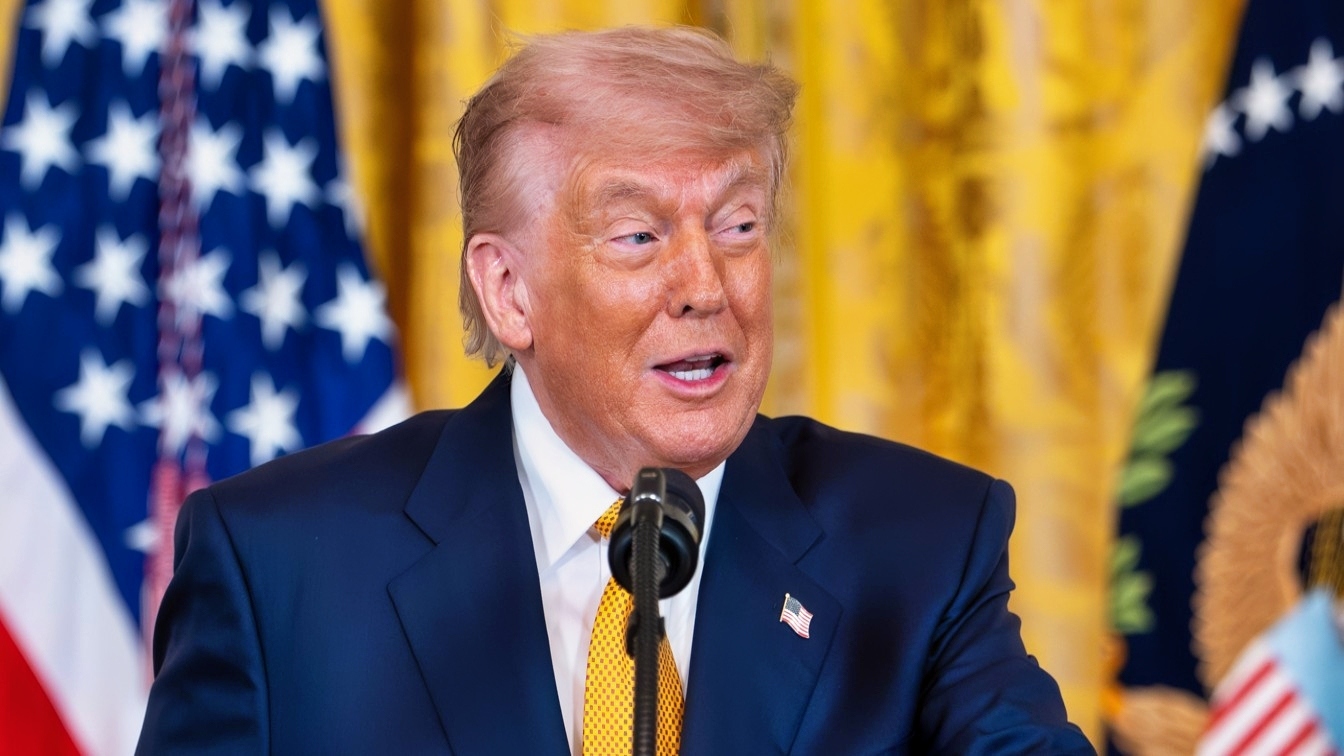
“It’s life. When you’re big and powerful, and you have all the money, things like that happen. It’s fine,” Trump said on Tuesday upon his arrival in the Philippines, adding that “Things like that happen.”
Nevertheless, according to the AP, the outages were a major inconvenience for Americans, making it harder to travel, work, or access their money. And it didn’t appear that such anger was limited to political opponents of the Trump Administration.
The Vance Shuffle
On Wednesday, Vice President JD Vance—who stayed behind in the country while Trump and Rubio traveled to Asia—abruptly canceled his scheduled appearance at the New York Times’ DealBook summit at the last minute, even though the Secret Service had been at the venue preparing for his appearance since the night before.
According to conference host Andrew Ross Sorkin, Vance had been told that he “needed in Washington to deal with a series of meetings that are taking place as we speak.”
What Actually Caused the Outages?
So if there was no “malign actor” behind the outages, what caused them? That remains somewhat mysterious.
According to an administration official who spoke to CNBC, “we have a great deal of confidence in our assessment that these incidents are the result of upgrades of the systems, systems being patched, hardware being applied,” and other “disparate” events.
Jay Clayton, the director of national intelligence, said in a briefing this week, later echoed in testimony before the House Homeland Security Committee, that the outages were not the result of a cyberattack, and “not a coordinated effort by a nation-state.”
Is It AI?
One theory put forward throughout the last week was that the outages were connected to the artificial intelligence buildout and therefore represent some type of AI safety failure.
This includes some lawmakers.
Sen. Mark Warner (D-VA), the vice chairman of the Senate Intelligence Committee, appeared on CNBC this week and called for “better coordination” on AI safety.
“I understand why people are freaked out,” Warner said in his CNBC appearance. “The one way we could lose this AI race and [see] all of these companies’ valuations plummet dramatically is if we have an AI tool run amok, or an AI-sponsored cyberattack that creates harm.”
Some reporting indicates that the outages likely weren’t caused by AI itself, but by software patches meant to address potential vulnerabilities caused by AI disruption.
According to Axios, various institutions, including governments, companies, and banks, are “racing to update software to solidify systems, given that AI models are capable of finding and exploiting vulnerabilities with shocking speed.” This has led to a massive amount of coding work, which can lead to outages.
Why is this?
“We’re cutting out the cross checks, we’re cutting out the tests, we’re cutting out the stress tests, we’re cutting out the safeguards,” David Woods, a professor emeritus of integrated systems engineering at Ohio State, told Axios in a story this week about the outages.
Liz Fong-Jones, a technical fellow at Honeycomb, told Axios that the outages actually have little in common with each other.
“No one notices when things go right.”
About the Author: Stephen Silver
Stephen Silver is an award-winning journalist, essayist, and film critic, and contributor to the Philadelphia Inquirer, the Jewish Telegraphic Agency, Broad Street Review, and Splice Today. The co-founder of the Philadelphia Film Critics Circle, Stephen lives in suburban Philadelphia with his wife and two sons. For over a decade, Stephen has authored thousands of articles that focus on politics, national security, technology, and the economy. Follow him on X (formerly Twitter) at @StephenSilver, and subscribe to his Substack newsletter.


