

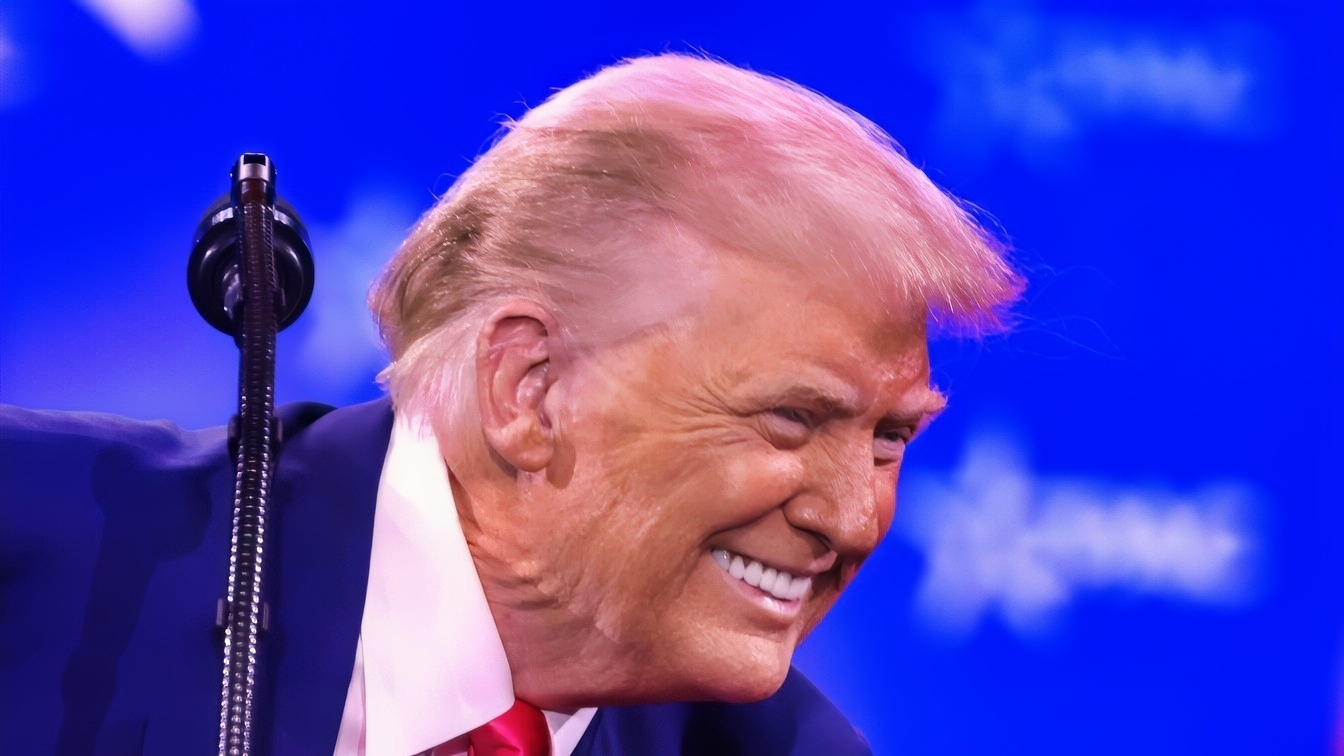
On November 18, Donald Trump and Vladimir Putin arrived in China ahead of a scheduled meeting with President Xi Jinping.
The three world leaders are set to hold trilateral discussions on Thursday on the sidelines of an economic summit in Shenzhen, China.
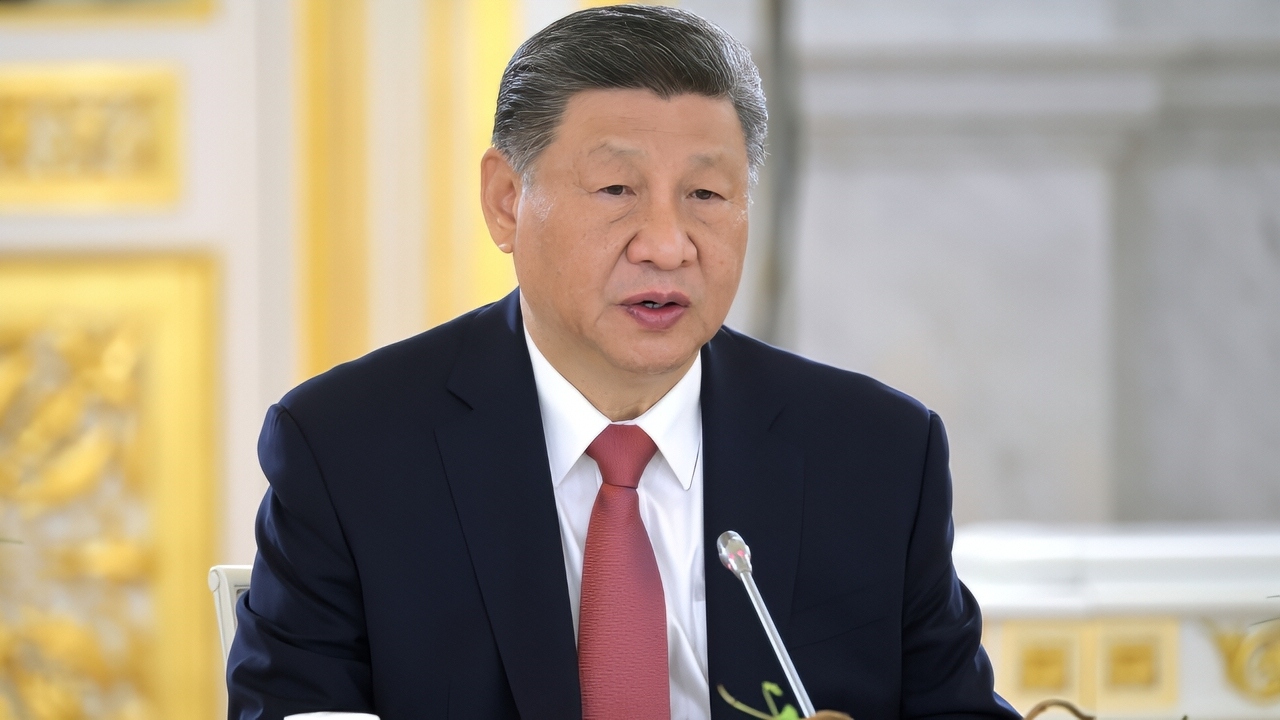
China’s Xi Jinping. Image Credit: Creative Commons.
The three will reportedly discuss a wide range of topics, including nuclear disarmament and, most importantly, the ongoing war in Ukraine.
However, as large-scale Russian drone and missile attacks against Ukraine continue, Russia appears uninterested in ending the war, which has been ongoing for almost five continuous years.
It remains to be seen whether Thursday’s trilateral discussions will produce any tangible results.
Trilateral Talks in China
At 6 a.m. local time, President Trump arrived in China, where Xi Jinping personally greeted him, reminiscent of how the Chinese president was greeted when he arrived in the U.S. in September. Four hours earlier, Vladimir Putin arrived in China.
The Russian head of state held bilateral talks with Xi Jinping on November 18, ahead of the trilateral discussions with Trump.
The two discussed several topics, including economic priorities such as energy, finance, and AI.
According to some sources, they also discussed possible settlements to the war in Ukraine, although no details have been shared yet.
On Monday, President Trump said he was hoping to discuss nuclear disarmament and the war in Ukraine with Putin and Xi Jinping. President Zelenskyy is notably absent from the meetings, as are any representatives or heads of state from the UK or the European Union.
China’s Xi Jinping. Image Credit: Creative Commons.
The meeting between the three leaders has been criticized as a “Yalta-2.0” meeting, wherein powerful heads of state decide the fate of smaller countries.
According to the Associated Press, Trump plans to hold a separate meeting with Putin on Thursday in addition to the trilateral discussions.
This would mark the first one-on-one meeting between Trump and Putin since the discussions in Anchorage, Alaska, last year, which likewise failed to produce any substantial results, much to Russia’s bitter disappointment.
Although previous meetings have failed to bring the war to an end, Trump told reporters he was confident that recent developments have created an opening to resolve the conflict. “I think it’s very close to getting it done,” he said. “We’re going to have a good meeting on that.”
Does Russia Really Want Peace?
Some cynical observers have blamed Ukraine, particularly Zelenskyy, for refusing to compromise on any of its ambitious war aims.
However, Russia is equally, if not more, responsible for prolonging the war for almost five years.
Moscow has remained firm in its ambitious war goals: the disarmament and neutrality of Ukraine, and the recognition of its annexed territories, even territories that it does not fully control.
So far, Russia has refused any proposal that falls short of these two demands.
Last week, as Trump’s envoys sought to mediate negotiations between Kyiv and Moscow, Russia reportedly submitted a list of demands to the U.S. The demands, according to The New York Times, include a call for NATO to pull its troops back to positions that it held in 1997, before the alliance expanded to Russia’s borders.
Russia submitted similar demands in 2022, right before it invaded Ukraine.
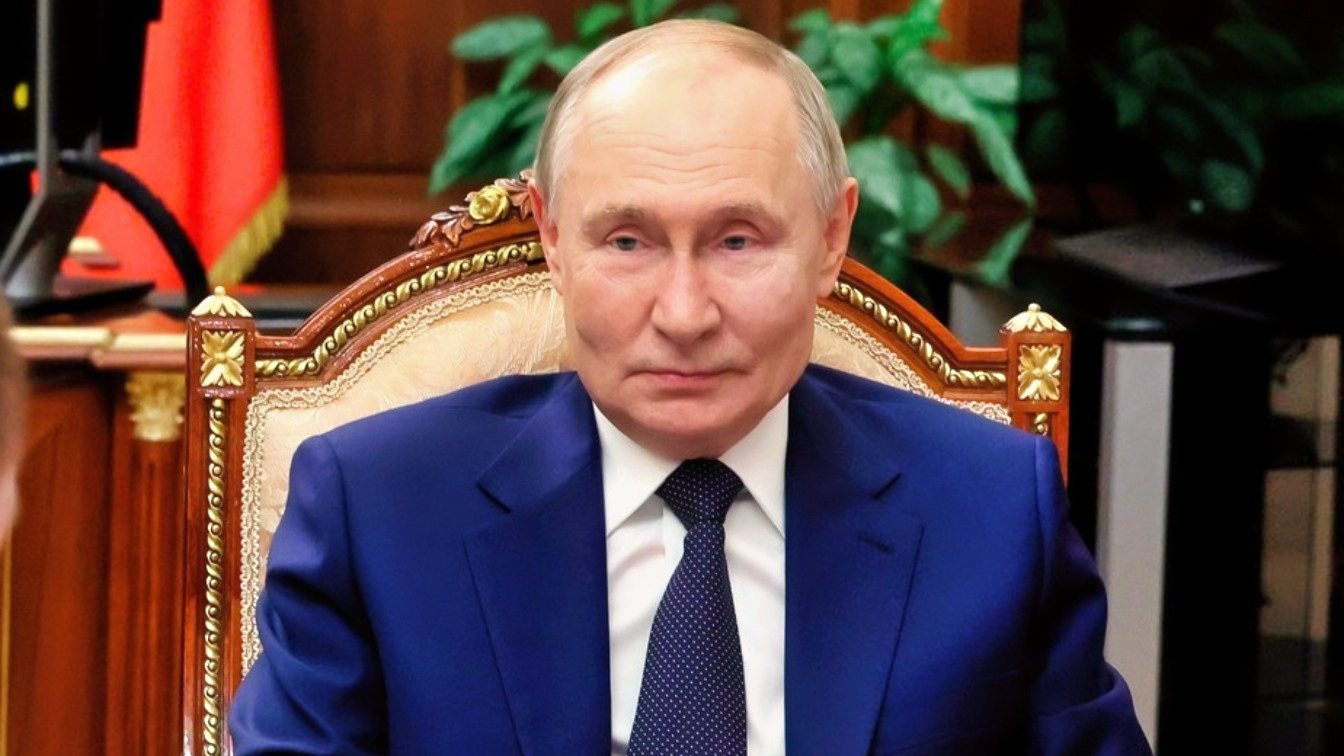
Putin in Important Meeting Russian Federation Photo
While Trump and Zelenskyy have been trying to broker a ceasefire, Russia has continuously rejected any proposal to freeze the front lines that does not also meet Moscow’s main demands.
The Kremlin believes any temporary pauses will only help Ukraine rebuild its defensive forces and ultimately prolong the war. “We have repeatedly said that we oppose a ceasefire that would give the Ukrainians a breathing space,” said Kremlin spokesperson Dmitry Peskov. Instead, the Kremlin demands a “comprehensive settlement” that addresses all of the underlying causes of the war, including NATO expansion and Ukrainian territorial disputes.
Europe Left Out of the Table
While Russia talks about a new “security architecture” in Europe, the EU and the UK have been largely left out, much to their chagrin.
During the U.S.-brokered talks between Russian and Ukrainian delegates in Abu Dhabi last week, European diplomats tried to join the discussions, but Russia promptly rejected them.
Russian officials have often stated that they have a low opinion of European officials.
In response to statements by Ursula von der Leyen and EU diplomat Kaja Kallas, Russian Foreign Minister Sergei Lavrov criticized the EU for its “dead-end way of thinking.” Lavrov added that “At least with the Americans, we are having substantive discussions based on real facts, including the situation on the ground and the root causes of this conflict.” European officials are hoping to deploy ground troops to Ukraine once a ceasefire is reached, a position that the Kremlin has repeatedly said is unacceptable.
European and Ukrainian officials are worried that Putin will convince Trump to lift further sanctions against Russia, providing a much-needed windfall for the Russian economy.
Last month, the American president signed an executive order exempting Russia from the sanctions Congress imposed earlier.
Washington also entered into a trade deal with Moscow to import Russian diesel fuel to lower gas prices in the U.S. Ukraine and Europe saw the deal as a stab in the back from Trump, who has often been criticized for trying to form a personal relationship with Putin.
It is currently unclear what Thursday’s discussions will bring. Based on previous talks, however, it is unlikely that any substantial deals will be reached.
About the Author: Isaac Seitz
Isaac Seitz, a Defense Columnist, graduated from Patrick Henry College’s Strategic Intelligence and National Security program. He has also studied Russian at Middlebury Language Schools and has worked as an intelligence Analyst in the private sector.


