

Key Points and Summary – Russia has dramatically escalated its aerial campaign, overwhelming Ukraine’s once-effective air defenses with massive swarms of cheap drones and missiles.
-This new phase has caused civilian casualties to spike to their highest level in three years. Ukraine’s shootdown rate is slipping as it faces an economically unsustainable battle, often using $4 million Patriot missiles to destroy $50,000 Russian drones.
-Fueled by a humming war economy and Chinese components, Russia’s onslaught is a critical threat, with analysts warning that this is a new offensive, not a stalemate, that could decide Ukraine’s fate.
Russia Escalates Drone Onslaught as Ukraine’s Air Defenses Strain
A new phase of Russia’s war against Ukraine is taking shape with swarms of drones and missiles. Over recent weeks, Moscow has intensified its aerial campaign, overwhelming Ukraine’s defenses with unprecedented volumes of Shahed drones, decoys, and ballistic missiles. The toll is mounting: June saw 232 civilians killed, the highest monthly death count in three years.
Russia Ramps Up Attack
The attacks are becoming more frequent and sophisticated. On one day alone, Russia launched 728 drones and 13 missiles, mostly targeting western Ukraine’s Lutsk region, home to critical airfields. With projections of 1,000-drone salvos becoming reality, some Western officials warn of strikes involving up to 2,000 drones at once.
Moscow’s latest aerial tactics rely heavily on the Shahed 136, an Iranian-designed kamikaze drone now produced in Russia as the Geran-2.
These are cheap, maneuverable, and increasingly used in swarms to overwhelm Ukrainian defenses before deadlier cruise or Iskander missiles strike. Flying in vertical “stacks” at varying altitudes, the drones outsmart conventional interceptors by diving steeply at the last moment.
Ukraine Struggles to Stop Drones (and Expensive)
Ukrainian shootdown rates are slipping. In March and April, roughly 95% of drones were intercepted; that number has now dropped to 80–85%. The air force simply cannot keep up with the volume or pace.
Behind the scenes, Russia’s war economy is humming. A major Shahed factory in Yelabuga reportedly employs teenagers from a local technical college.
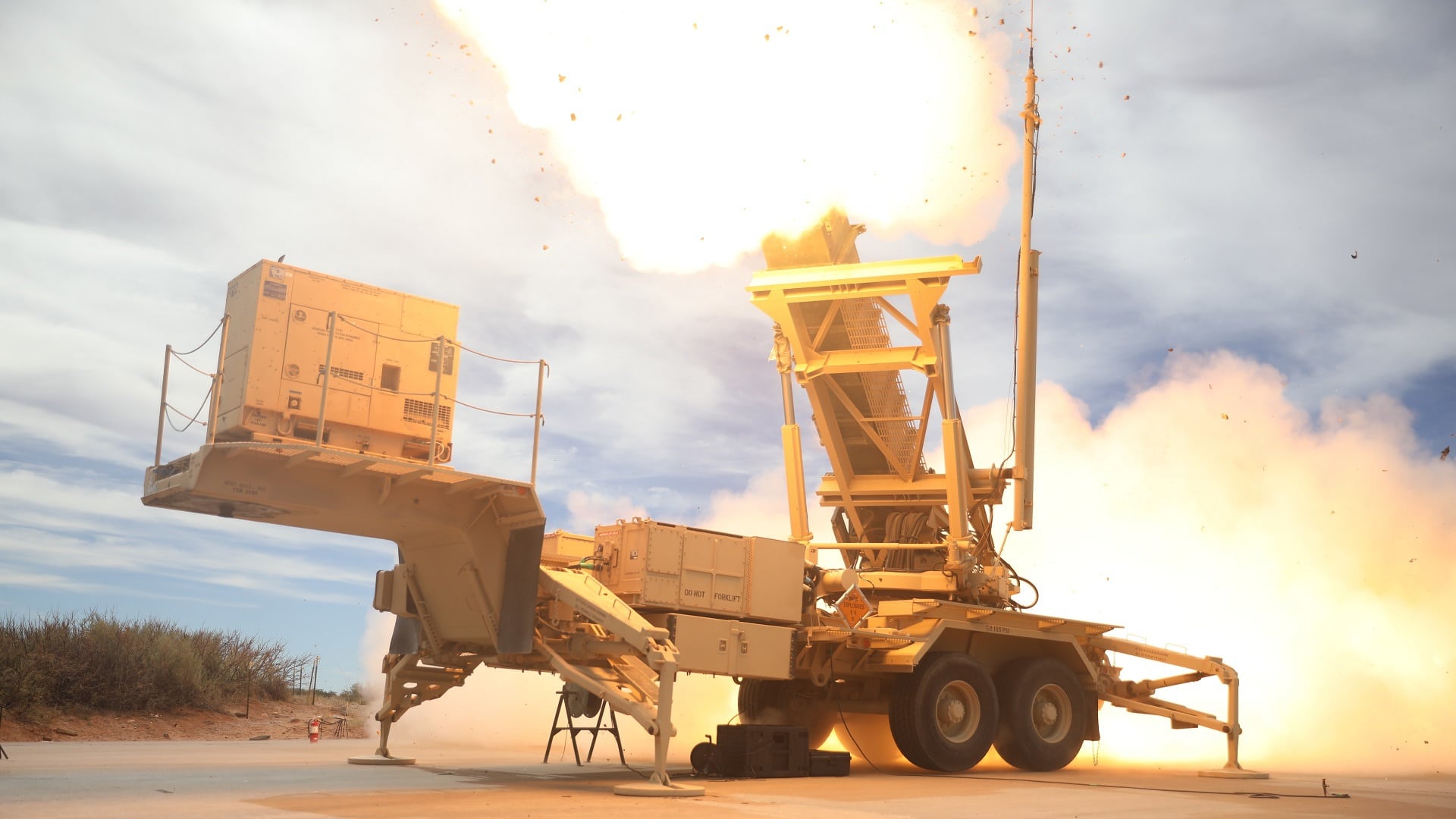
The drones cost as little as $50,000 each, a fraction of the $4 million price tag for each American PAC-3 interceptor missile needed to counter them.
Western sanctions have not stemmed the tide of components either; Chinese exports now appear to be propping up drone production directly via rail links into Russia.
Kyiv Wants More Western Aid
Ukraine is scrambling to respond. Fundraisers like Serhii Sternenko’s “Shahedoriz” project have helped shoot down over 100 drones. President Zelenskyy has publicly appealed for more Patriot missile batteries and partnered with ex-Google CEO Eric Schmidt to develop Ukrainian “interceptor drones.”
However, scaling production remains a significant challenge.
Meanwhile, Kyiv’s efforts to secure a Western-led air shield have floundered. A March proposal to station 120 NATO jets west of the Dnipro remains theoretical, contingent on a ceasefire Moscow won’t grant.
While NATO leaders once sent troops to far-flung conflicts like Afghanistan, few appear willing to police Ukraine’s skies today directly, despite the growing civilian cost.
Analysts warn that this summer’s bombardments may be a prelude. “This is no stalemate,” says Kateryna Stepanenko of the Institute for the Study of War. “Putin is still fighting to win.”
About the Author: Georgia Gilholy
Georgia Gilholy is a journalist based in the United Kingdom who has been published in Newsweek, The Times of Israel, and the Spectator. Gilholy writes about international politics, culture, and education.
Fighter Jet Fails
Russia’s Su-57 Felon Stealth Fighter Is a Waste of Rubles


