


The war in Ukraine continues. A recent two-day meeting in Abu Dhabi between representatives of the United States, the Russian Federation, and Ukraine ended inconclusively (save for a prisoner-of-war swap that was agreed to at the end of the conference).
Meanwhile, Russian forces fighting along the frontline in Eastern Ukraine continue to steadily encircle strategic areas of the Fortress Belt that Ukraine created to stunt a major Russian advance into Western Ukraine.
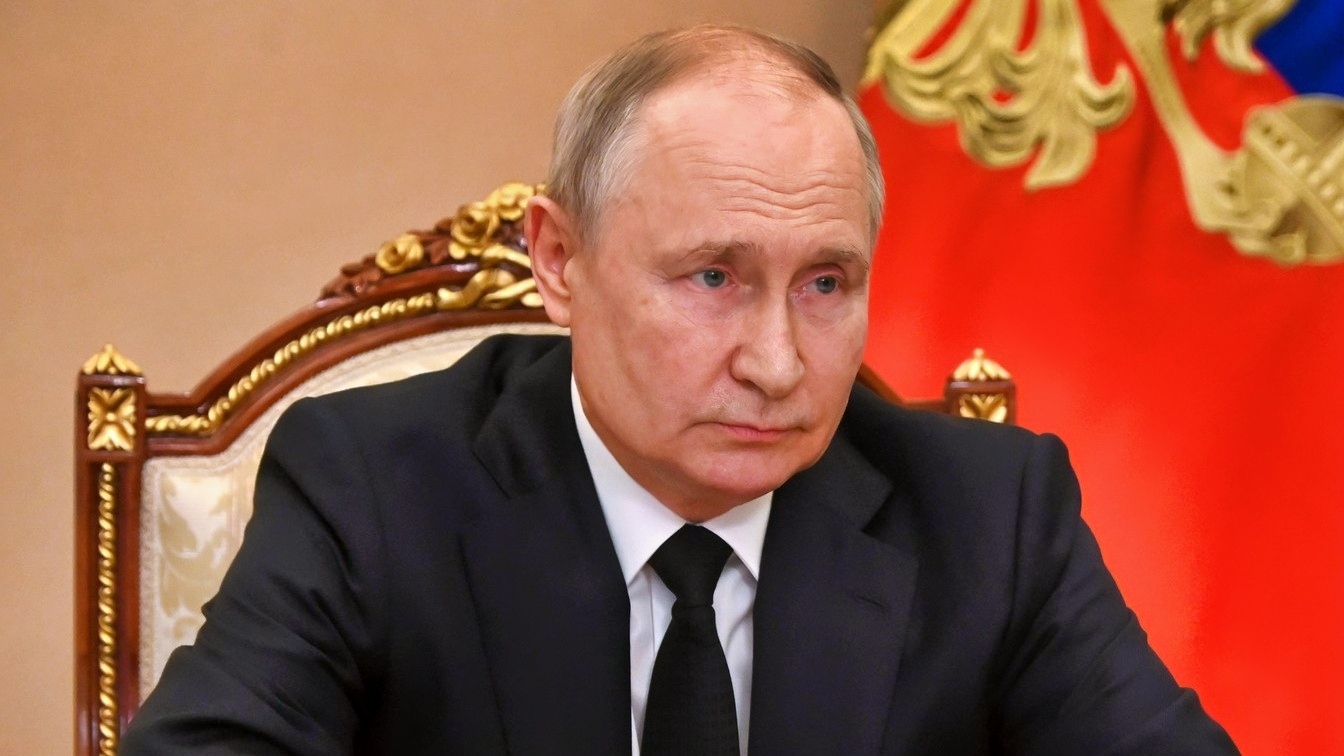
Putin Back in July of 2023. Creative Commons Image
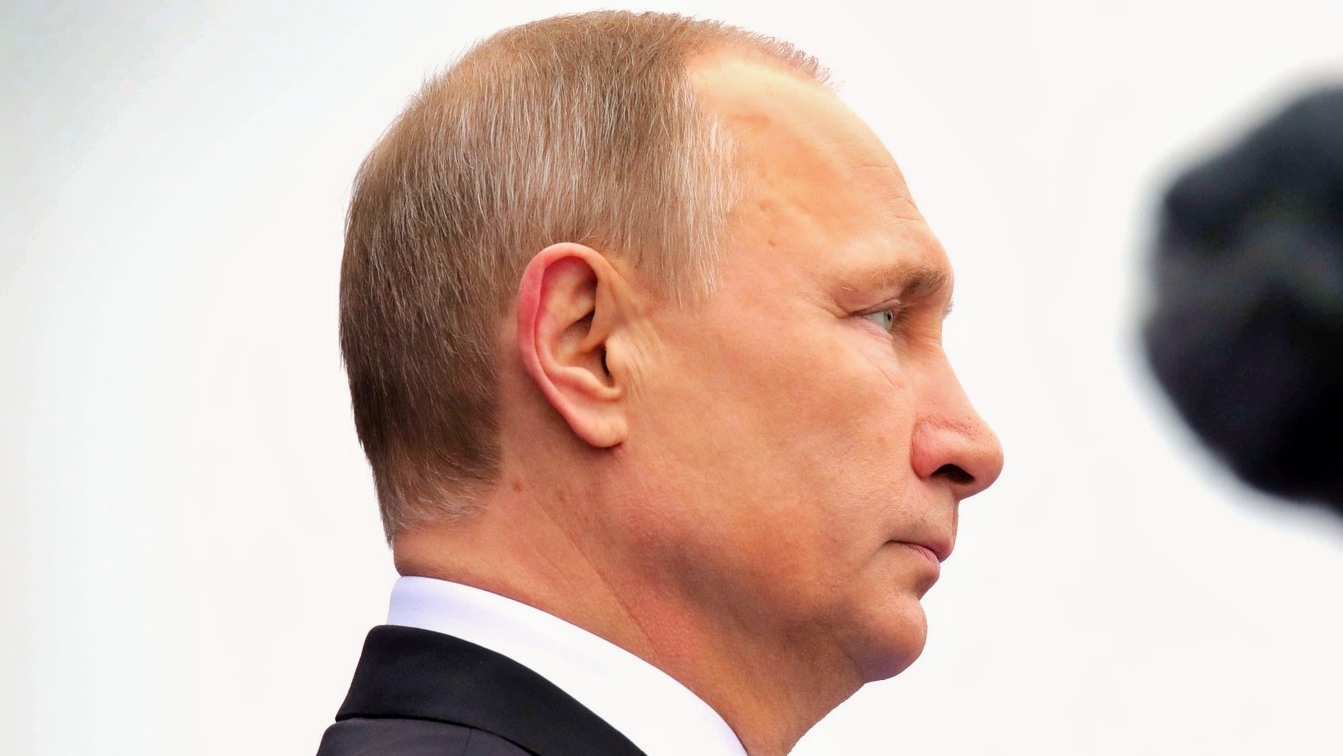
Putin in Red Square in 2017 Creative Commons Image.
Who’s Winning?
Ukrainians and their NATO allies debate the extent of Russia’s success there, but we do know that Konstantinovka, one of Ukraine’s four major Fortress Cities, is in serious trouble.
Russia claims that it captured Dobropillia, one of the strategic approaches to the contested Ukrainian city of Zaporhizia.
Russian forces claim that they are capturing critical parts of Kherson, though that is hotly debated. The Russians also insist they are encircling the two remaining major Fortress Cities of Kramatorsk and Slovyansk.
Russia has been pounding Ukraine–notably places like Kyiv itself–with seemingly endless drone swarms and missile attacks, targeting critical infrastructure in an effort to freeze out the Ukrainians at the onset of Winter effectively.
Ukraine’s Largest Drone Attack on Russia
Ukraine’s air force reported that Russia launched 158 drones, including 77 jet-powered drones.
Of those 158 launched by Russia at Ukraine, the Ukrainians assert that their air defenses downed 131 of them either with conventional interception techniques or electronic counter-drone systems. Impacts were reported at 19 locations.
It is believed that one person was killed and ten others were injured in Dnipro.
Infrastructure in the blockaded southern port city of Odesa was also damaged.
In this morass, Kyiv argues that its forces are conducting successful counterattacks on the front and decisively retaliating against Russia itself with sweeping drone strikes.
In fact, Ukraine launched its largest overnight drone attack against Russia since the start of the Ukraine War in February 2022.
The Russian Defense Ministry claimed its air defenses intercepted 1,336 Ukrainian drones across 16 regions.
That figure surpassed the previous record of 1,254 drones reported on October 29.
Moscow’s interception figures cannot be independently verified.
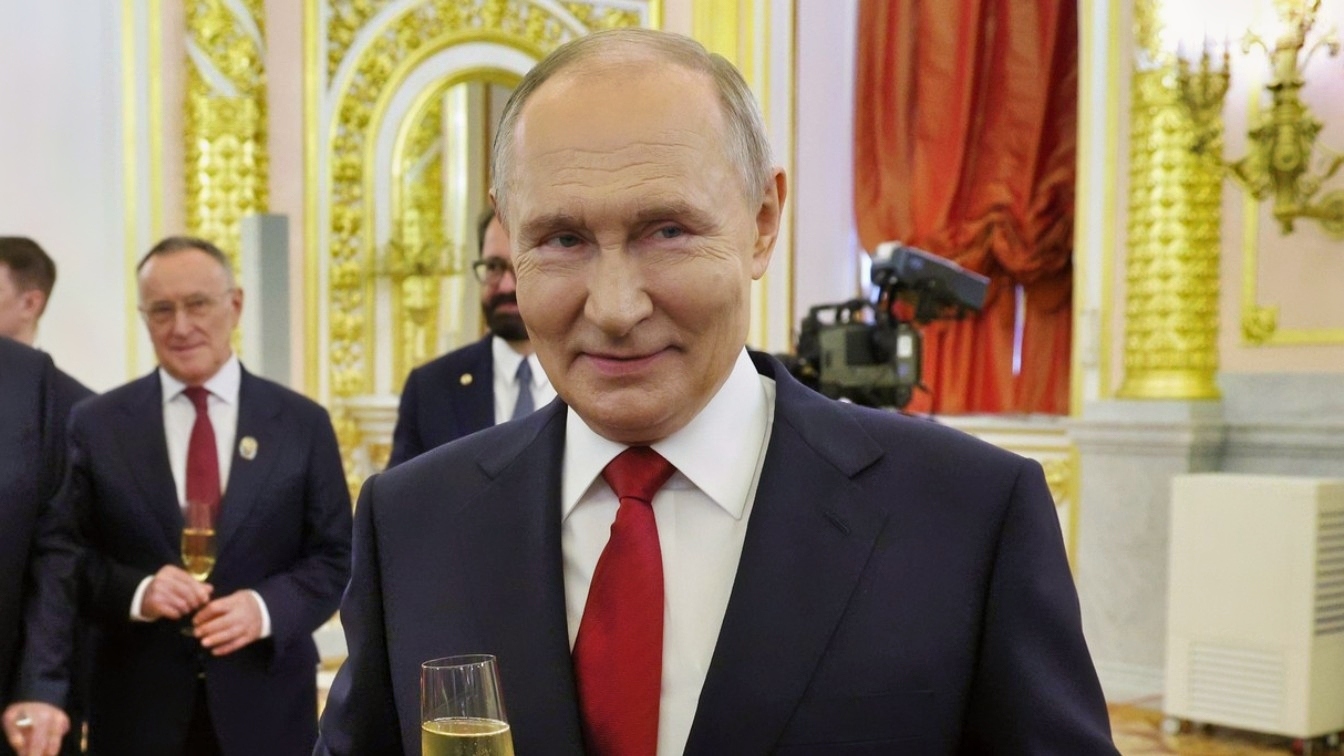
Putin On June 1 2026 Creative Commons Image
The Russian capital was among the principal targets of the Ukrainian drone attacks. NBC News reported that Sergei Sobyanin, the mayor of Moscow, claimed that 600 drones had been directed toward Russia’s capital region.
Russian defenses intercepted around 191 drones approaching the capital.
The attack disrupted civilian aviation throughout Western Russia.
Moscow imposed temporary flight restrictions at Sheremetyevo and Vnukovo international airports.
The drone swarm also affected other airports in nearby cities.
Ukraine has also affixed its gaze upon Russia’s vast energy infrastructure, recognizing the energy sector as being key to Russia’s economy (and, therefore, its war machine).
In southern Russia, authorities reported fires at four industrial facilities in the Rostov region.
Additional fires were reported in Ilsky, in the Krasnodar region, where a massive Russian oil refinery is located.
Falling drone debris reportedly injured six people in the region.
Ukraine targeted the Kerch Strait Bridge that connects Russia and Crimea in the recent drone strikes. Russian authorities said traffic was temporarily affected.
But the bridge has since been repaired.
Railway operations were unaffected.
Kerch Strait Bridge was opened in 2018 at the urging of President Vladimir Putin.
The bridge allows civilian goods, military personnel, equipment, and supplies to be transported more efficiently between Russia and Crimea.
Ukraine has attacked the bridge throughout the war, but Russia has strengthened its defenses around that structure.
Embattled Ukrainian President Volodymyr Zelenskyy asserted that Ukrainian drone attacks on Russia have turned off more than 55 percent of Russia’s oil-refining capacity.
That claim, like those of the Russian officials, has not yet been independently verified.
Reuters reports that Russia’s refining capacity has been reduced by around 30 percent. Unconfirmed claims also say fuel shortages are plaguing several Russian regions.
The Long-Term Implications
While the attacks occur, European NATO members fret over the prospects that the war could spread from Ukraine to the rest of Europe.
NATO generally fears that Ukraine might be unable to continue its four-year-long resistance against Russia, as the Americans are made to redeploy critical weapons from the European front to the Middle East, and as European industry cannot keep up with demand (without the significant inputs from the United States).
The Abu Dhabi meeting may have been inconclusive. Still, more hope is being placed on the impending trilateral summit between US President Donald J. Trump, China’s President Xi Jinping, and Russia’s President Vladimir Putin in Shenzhen, China, this week.
Some are likening it to the Big Three (Stalin, FDR, and Churchill) meeting at Yalta to divide the postwar world. Others are not as sanguine.
But if there is to be a diplomatic turn in the Ukraine War, it likely will result from this trilateral summit, as the leaders of the three most powerful countries in the world meet–in one of China’s most dynamic cities–to see where things shake out.
About the Author: Brandon J. Weichert
Brandon J. Weichert is the Senior National Security Editor. He also manages The Weichert Brief on Substack. Weichert is the co-host of The Mario Nawfal Show on Twitter/X. He is the author of four bestselling national security books, most recently A Disaster of Our Own Making: How the West Lost Ukraine (Encounter Books). His next book, Fortress Americas: A New Monroe Doctrine (Tucker Carlson Books), is due out December 8. Follow him via Twitter/X @WeTheBrandon.


