
PUBLISHED on August 6, 2025, 10:25 AM EST – Key Points and Summary: Two months after U.S. and Israeli strikes on Iran’s nuclear sites, the location of Tehran’s enriched uranium stockpile remains a dangerous mystery.
-With international inspectors locked out, Western intelligence believes the material is likely buried under the rubble at the heavily fortified Fordow facility.
-This uncertainty has given Iran “strategic ambiguity” and a powerful new bargaining chip.
-The situation leaves the Trump administration with the same difficult options that have previously failed—attack again, negotiate, or wait—as a critical end-of-August sanctions deadline approaches with no clear path to stopping Iran’s nuclear ambitions.
Where, Exactly, Is Iran’s Uranium – And What Does Trump Do Next?
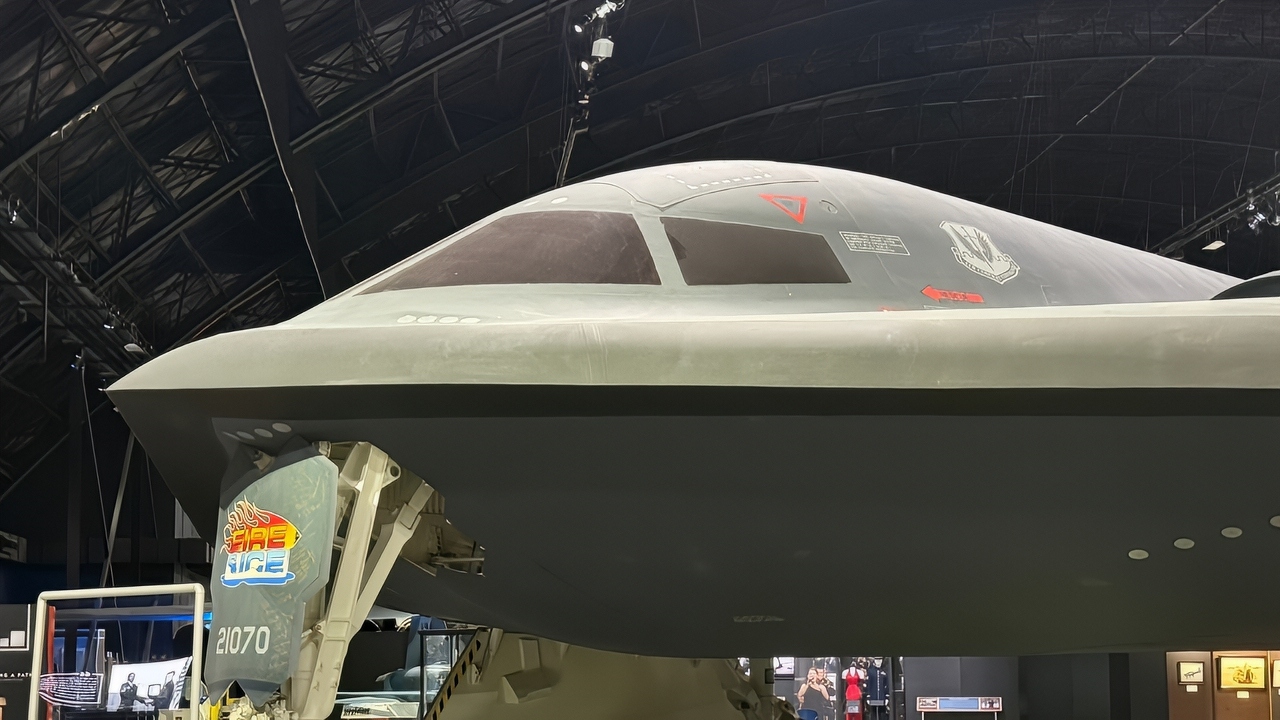
Nearly two months after Operation Midnight Hammer – the U.S. strikes targeting Iran’s nuclear facilities in June – the location of Tehran’s hard-fought-for stockpile remains uncertain.
Before the strikes, Iran was estimated to have stored some 409 kg of near-bomb-grade uranium, along with an additional 8,000 kg enriched to lower levels.
The entire supply of uranium was widely believed to have been stored at Fordow, Natanz, and the Isfahan conversion complex – a conclusion accepted by the U.S. military and supported by years of Israeli intelligence.
And while Iranian officials have publicly admitted that the strikes caused “serious damage” to its nuclear facilities, they have yet to confirm the location of its uranium stockpile – and likely have no plans to do so.
Here’s What We Know
Given that the International Atomic Energy Agency (IAEA), the United Nations watchdog, has been locked out of Iran’s nuclear sites since June, the fate of those enriched uranium supplies is effectively unknown – though intelligence suggests it is most likely buried underneath the rubble at Fordow.
While Tehran promised it would evacuate the material in advance of any escalation, intelligence revealed in the weeks following the B-2 strikes that no uranium was moved out of the sites. Intelligence also indicated that Tehran focused on fortifying the Fordow facility by sealing off entrance points with concrete.
The evidence suggests that the uranium, or at least some of the uranium, is now buried in Fordow. Olli Heinonen, who served as the top inspector at the IAEA between 2005 and 2010, said as much recently – and indicated that recovery efforts could be long, complex, and forthcoming.
“There could be materials which are inaccessible, distributed under the rubble or lost during the bombing,” he said.
The U.S. and its allies are counting on these assessments to be true – but Iranian officials have already confirmed that efforts are underway to recover the material and rebuild the nuclear program as a point of “national pride.” Foreign Minister Abbas Araghchi confirmed the plans in July during a rare interview with U.S. media.
Tough Choices for Trump on Iran
U.S. and Israeli bombing campaigns in Iran have not been sufficient to end Tehran’s well-documented nuclear ambitions, despite repeated denials from the country’s top officials that its nuclear program was ever designed to build a nuclear weapon.
In the wake of the strikes, U.S. and European officials have urged Tehran to come to the negotiating table and agree to a new nuclear deal before the end of August, or face the reimposition of pre-2015 sanctions.
With just three weeks to go, those efforts are already failing, too.
So, what now?
As noted by Jonathan Tirone in an August 5 piece for Bloomberg, the U.S., Israel, and United Nations nuclear authorities are now faced with the task of finding Iran’s hidden uranium. And there are three primary ways in which it might be achieved: “attack, negotiate, or wait.”
“By failing to account for or destroy the nuclear-fuel inventory, Israel and the US have provided Iran with ‘strategic ambiguity’ it didn’t have before the war began – a bargaining chip in any potential negotiations over what happens next,” he writes.
But beyond recovering the uranium we know to exist, Washington also faces the task of deciding how to prevent Iran from restarting its nuclear program more generally – whether or not its enriched uranium can be recovered.
Those options are much the same as those outlined by Tirone: Trump can attack again, attempt to negotiate, or simply wait to see what happens.
And so far, all three methods have failed to stop Iran. Perhaps the questions now are whether the damage inflicted was sufficient, if the negotiations have been tough enough, and whether time is on Trump’s side, or Iran’s.
About the Author:
Jack Buckby is a British author, counter-extremism researcher, and journalist based in New York. Reporting on the U.K., Europe, and the U.S., he works to analyze and understand left-wing and right-wing radicalization, and reports on Western governments’ approaches to the pressing issues of today. His books and research papers explore these themes and propose pragmatic solutions to our increasingly polarized society. His latest book is The Truth Teller: RFK Jr. and the Case for a Post-Partisan Presidency.
More Military
The F-117 Stealth Fighter Won’t Stay Retired


