

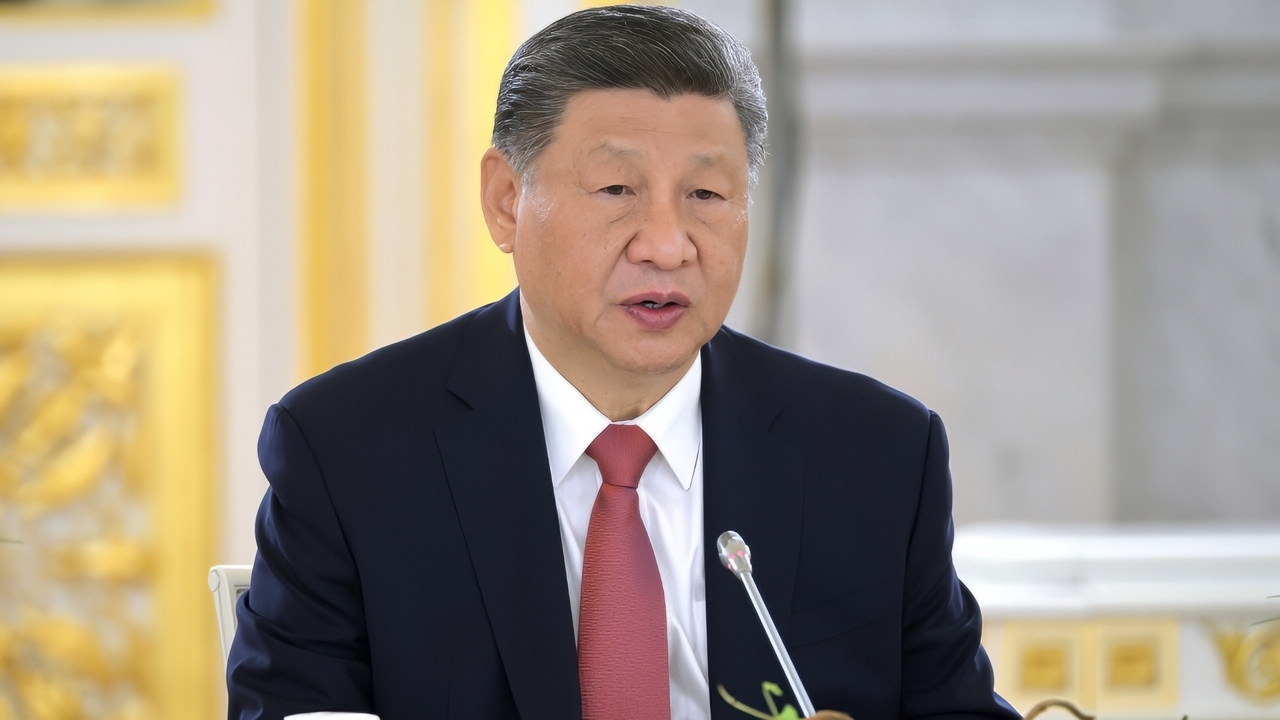
The two most powerful leaders in the world will meet later this week in Beijing, and it is unclear how much they can accomplish in the summit on Thursday and Friday. President Donald Trump and Xi Jinping will press the flesh, pose for photographs, and try to make diplomatic breakthroughs amid a fragile ceasefire in the U.S.-Iran war, as peace efforts have shown little success.
The war in Iran and China’s designs on Taiwan are expected to be discussed first. Trade issues are sure to come up. Trump, who considers Xi a friend, is excited about the possibility of broader agreements to address thorny issues.
Will This Summit Be ‘Great’ as Trump Claims?
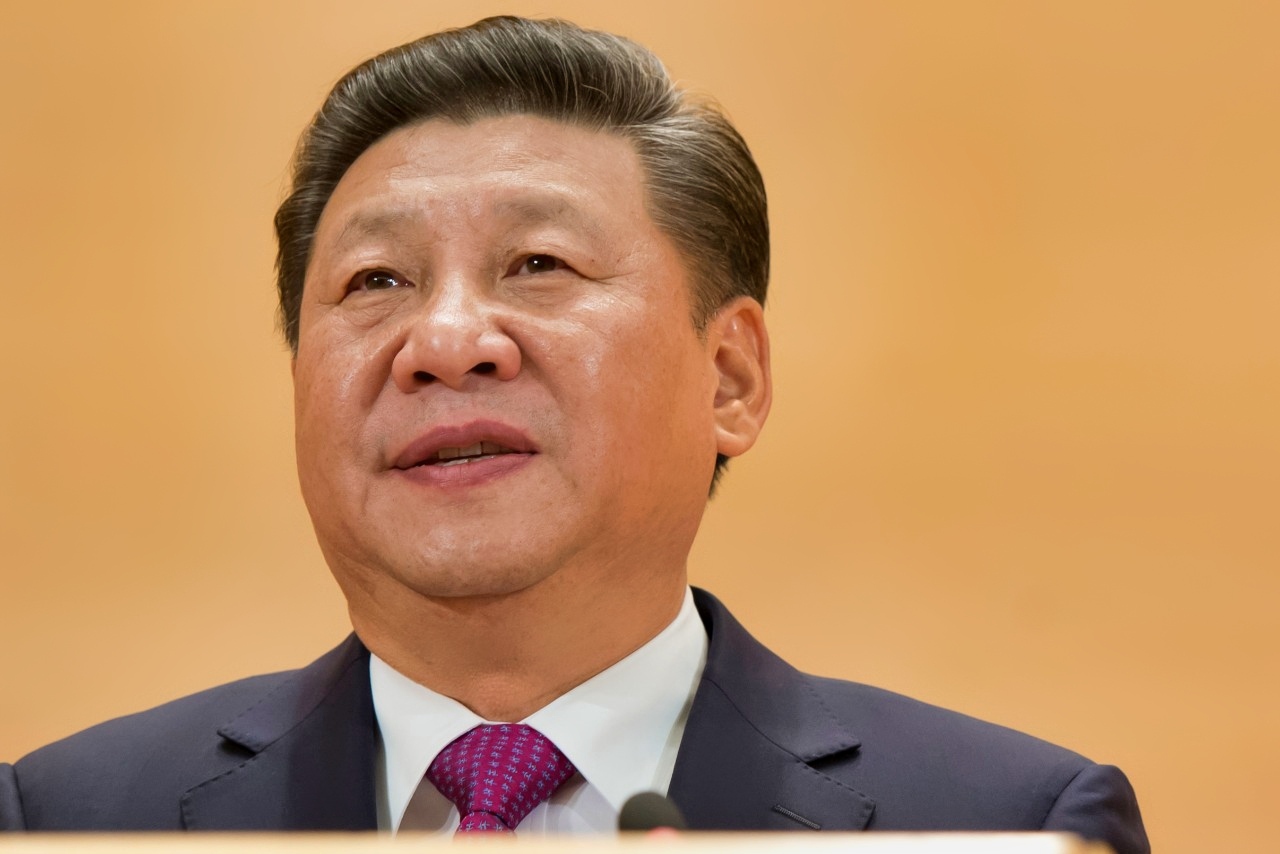
Xi Jinping President of the People’s Republic of China speak’s at a United Nations Office at Geneva. 18 January 2017. UN Photo / Jean-Marc Ferré
“Great things will happen for both countries!” Trump wrote in a Truth Social post on May 11. The American president loves to remind people that he is the world’s best negotiator and deal-maker, and he is certain that he can get Xi to bend to his will. The Chinese leader is also a tough customer when it comes to the so-called “wolf warrior” brand of diplomacy. This is an aggressive practice that Beijing favors to achieve foreign policy and grand-strategic successes, aiming to make China a global leader that must be reckoned with at all times.
It May Not Be 100 Percent Friendly
This “fighting spirit” will be front and center during the summit. Expect some smiles and backslapping early on, but the two leaders could get hung up on issues with no ready solutions, and they may resort to some uncomfortable body language out of frustration.
China Wants to Be a Leader on the World Stage
Diplomats in Beijing have been busy with allies lately. One Iranian political leader ventured to the Chinese capital last week, and Xi is slated to welcome Russia’s Vladimir Putin after Trump leaves. Xi could not be happier with his new focus on the world stage. He often alludes to a “century of humiliation” that China endured from 1839 to 1949, with the Opium Wars and a violent invasion and occupation by Japan.
Now, Xi is convinced that China is on a path to great wealth and power, making it the dominant force in both economics and military might.
This Will Be an Economic Showdown
Meanwhile, Trump’s objective is to strive for “rebalancing the relationship with China and prioritizing reciprocity and fairness to restore American economic independence,” White House spokeswoman Anna Kelly told reporters May 10.
Iran Will Be a Main Topic
The war in Iran will be front and center. China supports the leadership in Tehran, and while it has played little role in mediating between the United States and Iran, Xi would love to step into a peacemaking role to convince the world that China wields significant influence in foreign policy.
Taiwan Is a Non-starter
Some analysts have maintained that Taiwan will be an issue of discussion. This is no-go terrain for Xi. He has no intention of giving any ground on what he considers a wayward province that must be annexed by China, either peacefully or perhaps even violently. Trump will likely not venture too far into the weeds in the dispute, and if they do discuss it thoroughly, Xi will admonish Trump for selling arms to Taiwan.
In a media discussion noted by CNBC, when asked if the U.S. should keep sending weapons systems to Taiwan, Trump said, “President Xi would like us not to, and I’ll have that discussion. That’s one of the many things I’ll be talking about.”
Trade and Tariff Negotiations Will Have Only Fleeting Success
Next on the schedule will be trade and tariffs. Trump’s use of tariffs has been curtailed by the Supreme Court, and he is bringing a squad of major CEOs to the summit. Look for more pushback from Xi, who is frustrated that Washington seems to blame Beijing for its manufacturing woes. One point the two leaders could agree upon is a trade deal on U.S. soybeans in exchange for lifting some tariffs.
Xi and Trump Are Similar in Personality
Xi is a tough nut to crack. He is ambitious, vain-glorious, and undaunted by Trump and American world leadership. Political scientist Francis Fukuyama calls Xi “megalothymic.” This means that Xi “thrives on exceptionality: taking big risks, engaging in monumental struggles, seeking large effects, because all of these lead to recognition of oneself as superior to others.”
The irony of this concept is that it applies to Trump, too. With these personality traits exhibited by both leaders, it will be difficult to achieve many diplomatic breakthroughs.
Xi’s Sharp Elbows Deliver ‘Sharp Power’
Xi is also starting to use a stratagem called “sharp power.” This means that all concepts of warfare, aside from violent war, are on the table. Sharp power can mean cognitive or psychological warfare through espionage and cyberattacks. The spreading of disinformation and meddling in elections are also tactics under sharp power, according to author J. Michael Cole. This is everything under the sun but kinetic warfare, Cole explains.
Trump does not yet have a counter to China’s sharp power, giving Xi an advantage in negotiations. They are both confident, but it seems Xi has the mental and psychological stamina to outmaneuver Trump in direct talks.
This Could Result in Only Minor Successes
Look for little movement on the main issues. Xi will demand peace in Iran and no more arms sales to Taiwan. In fact, Xi doesn’t even like to discuss the subject of Taiwan because he feels it is an untouchable domestic issue that other countries shouldn’t interfere with. There will likely be little agreement on tariffs and perhaps only cosmetic attempts to improve trade. The CEOs from Tesla, Apple, and other companies who come to the summit could help articulate potential economic and investment deals with China, and that is a smart move by Trump to bring in some of the most important corporate leaders in the world.
But Xi is now so strong and confident in his own skin that wolf warrior diplomacy and his use of sharp power are too strong for the Americans. Trump will have his work cut out for him, so don’t look for huge breakthroughs on Iran and Taiwan, but perhaps some minor economic and investment deals are forthcoming.
About the Author: Brent M. Eastwood, PhD
Author of now over 3,500 articles on defense issues, Brent M. Eastwood, PhD, is the author of Don’t Turn Your Back On the World: A Conservative Foreign Policy and Humans, Machines, and Data: Future Trends in Warfare, plus two other books. Brent was the founder and CEO of a tech firm that predicted world events using artificial intelligence. He served as a legislative fellow for US Senator Tim Scott and advised the senator on defense and foreign policy issues. He has taught at American University, George Washington University, and George Mason University. Brent is a former US Army Infantry officer. He can be followed on X @BMEastwood.


