


Summary and Key Points: The USS Florida recently concluded a historic 727-day deployment, circumnavigating 60,000 nautical miles across the Middle East, Europe, and the Indo-Pacific. As one of only four Ohio-class SSGNs, the submarine provides an unparalleled conventional strike capacity of 154 Tomahawk missiles and serves as a critical hub for special operations.
-Despite its proven endurance and the strategic “message” sent to adversaries like China, the Florida is slated for decommissioning in 2026.

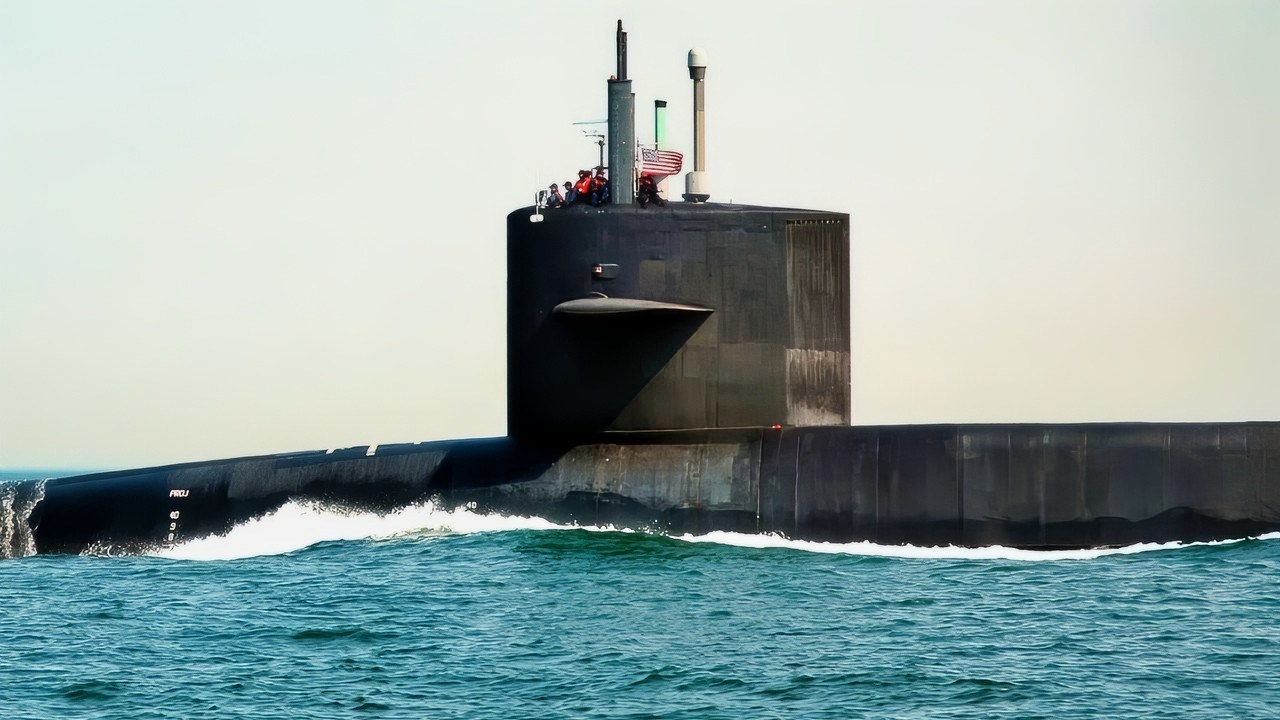
SILVERDALE, Wash. (Oct. 27, 2025) Ohio-class ballistic missile submarine USS Pennsylvania (SSBN 735) arrives at Naval Base Kitsap-Bangor following routine operations at sea, Oct. 27, 2025. Pennsylvania is assigned to Commander, Submarine Group (SUBGRU) 9, which exercises operational and administrative control authority for assigned submarine commands and units in the Pacific Northwest providing oversight for shipboard training, personnel, supply and material readiness of SSBNs and their crews. SUBGRU-9 is also responsible for nuclear submarines undergoing conversion or overhaul at Puget Sound Naval Shipyard in Bremerton. (U.S. Navy photo by Mass Communication Specialist 1st Class Ryan Riley).
-This move risks a massive “conventional strike gap,” as delays in the Virginia-class replacement program leave the Navy without a direct successor for this heavy-payload stealth asset.
154 Tomahawks and No Replacement: The U.S. Navy’s Looming Crisis of the Ohio-Class SSGN Retirement
The USS Florida completed a 727-day deployment, one of the longest submarine patrols in modern US Navy history.
The submarine operated across the Middle East, Europe, and the Indo-Pacific—circumnavigating the globe, sailing 60,000 nautical miles and swapping crews five times.
The whole time, USS Florida was armed with Tomahawk missiles, designed for real-world strike missions.

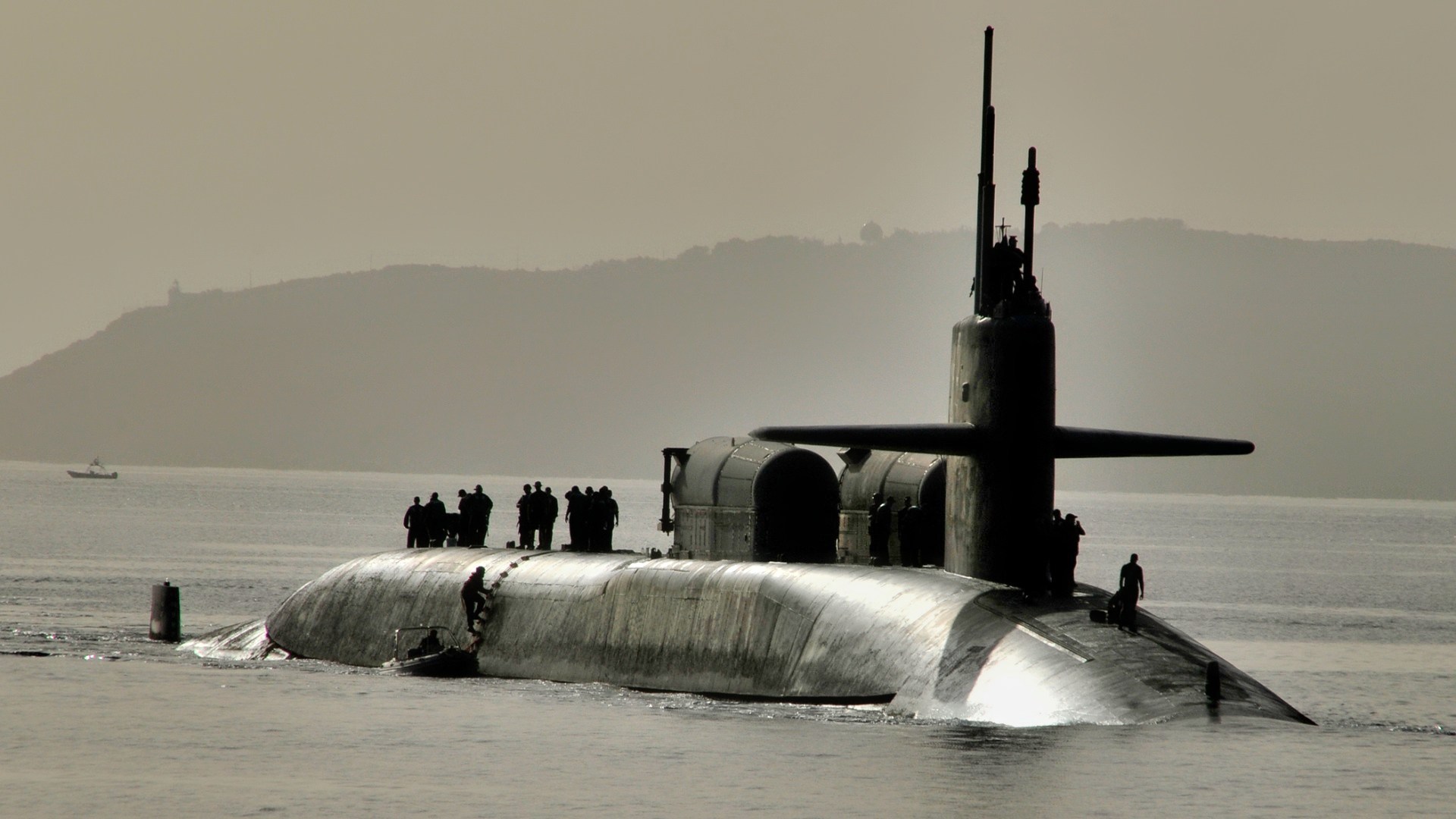
SOUDA BAY, Greece (March 27, 2022) The Ohio-class ballistic-missile submarine USS Georgia (SSGN 729) near Souda Bay, Greece, during training with U.S. Marines from Task Force 61/2 (TF-61/2), conducting launch and recovery training with their combat rubber raiding craft, March 27, 2022. TF-61/2 will temporarily provide command and control support to the commander of U.S. 6th Fleet, to synchronize Navy and Marine Corps units and capabilities already in theater, in support of regional Allies and Partners and U.S. national security interests. (U.S. Marine Corps photo by Sgt. Dylan Chagnon)
Yet, despite the world tour, Florida is slated for decommission, which raises a slate of questions: why retire a platform the Navy is still relying so heavily on?
Alternatively, if the Navy is not relying on the platform so heavily, why send her on a 60,000-mile jaunt?
Deep Dive: The USS Florida Ohio-Class SSGN U.S. Navy Submarine
Originally built as an Ohio-class ballistic missile submarine (SSBN), the USS Florida was converted in the mid-2000s into an SSGN (guided-missile submarine).
The key distinction in the transition: nuclear ballistic missiles were removed while conventional strike capacity was amplified. SSGNs function as stealthy strike platforms, serving as special operations support hubs, providing a persistent presence.
Each Ohio SSGN can carry up to 154 Tomahawk cruise missiles, meaning that few platforms in the world combine that degree of range, payload, survivability, and strategic ambiguity.
(March 31, 2006) – The guided missile submarine USS Florida (SSGN 728) conducts sea trials off the coast of Virginia. Florida will be delivered to the Fleet in April, and a Return To Service ceremony is scheduled for May 25 in Mayport, Fla. As the second of four SSBN submarines to be converted to SSGN, this nuclear-powered submarine will have the capability to: launch up to 154 Tomahawk cruise missiles; conduct sustained special warfare operations with up to 102 Special Operations Forces (SOF) personnel for short durations or 66 SOF personnel for sustained operations; and provide approximately 70 percent operational availability forward deployed in support of combatant mission requirements. U.S. Navy photo by Chief Journalist (SW/AW) Dave Fliesen.
The SSGN Conversion
The SSGN conversion reflected the realities of the post-Cold War era. After arms reduction treaties, the US had an excess of SSBNs, which were not only treaty-restricted but strategically overkill. The SSGN conversion was a cost-effective adaptation, not a luxury move.
It has the US Navy’s immediate deep-strike capability, enabling it to strike on Day One of a conflict. The concept was tested in Libya in 2011, when USS Florida alone fired over 90 Tomahawks.
Over time, the SSGN quietly became the Navy’s most reliable opening-move asset, a deterrent that didn’t require escalation to nuclear use.
727 Days at Sea
The Florida’s deployment began in August 2022 amid the war in Ukraine, rising China-Taiwan tensions, and nagging concern over Iran.
USS Florida was tasked with operating continuously across oceans, persistently. Limited only by crew endurance, the crew was swapped five times, allowing the Florida to persist and persist.
The long-term tour signaled that the US could surge firepower anywhere and had the endurance to sustain prolonged great-power competition.
The guided missile submarine USS Florida (SSGN 728) arrives in Souda Bay, Greece, May 21, 2013, for a scheduled port visit. The Florida was underway in the U.S. 6th Fleet area of responsibility conducting maritime security operations and theater security cooperation efforts. (U.S. Navy photo by Paul Farley/Released)

The Ohio-class ballistic-missile submarine USS Maine (SSBN 741) begins a dive into the Strait of Juan de Fuca off the Washington Coast, March 18, 2025, during routine operations. Special units within the Coast Guard are tasked with the protection of U.S. Naval submarines while surfaced and transiting U.S. territorial waters to and from their patrol stations. (U.S. Coast Guard photo by Petty Officer 1st Class Steve Strohmaier)
The deployment of an East Coast-based submarine into the Pacific was unusual, though intentional; the mission was less about combat and more about deterrence, presence, and readiness.
It was about sending a message to China, but it was not just symbolism; it was operational proof that SSGNs are still a conventional anchor platform.
Hard to Replace
The SSGN will be hard to replace—they offer stealth that no surface vessel can rival, and missile capacity that no other single platform can rival.
Unlike surface combatants, SSGNs are challenging to track and can be deployed without the political baggage or the risk of escalation. Unlike aircraft, SSGNs are persistent and not dependent on basing or carrier access.
In a crisis, an SSGN offshore complicates enemy planning—which is why SSGNs are so ideal for opening strikes, suppression of air defenses (SEAD), and holding high-value targets at risk.
Strategic Implications
Both the USS Florida and the USS Ohio are slated for retirement in 2026. No direct replacement exists. The Columbia-class submarine replaces SSBNs—not SSGNs—and is behind schedule and over budget.
Retiring SSGNs removes hundreds of Tomahawk launch cells from the fleet; that firepower does not automatically reappear elsewhere, meaning the Navy risks a conventional strike gap and reduced surge capacity in early conflict phases.
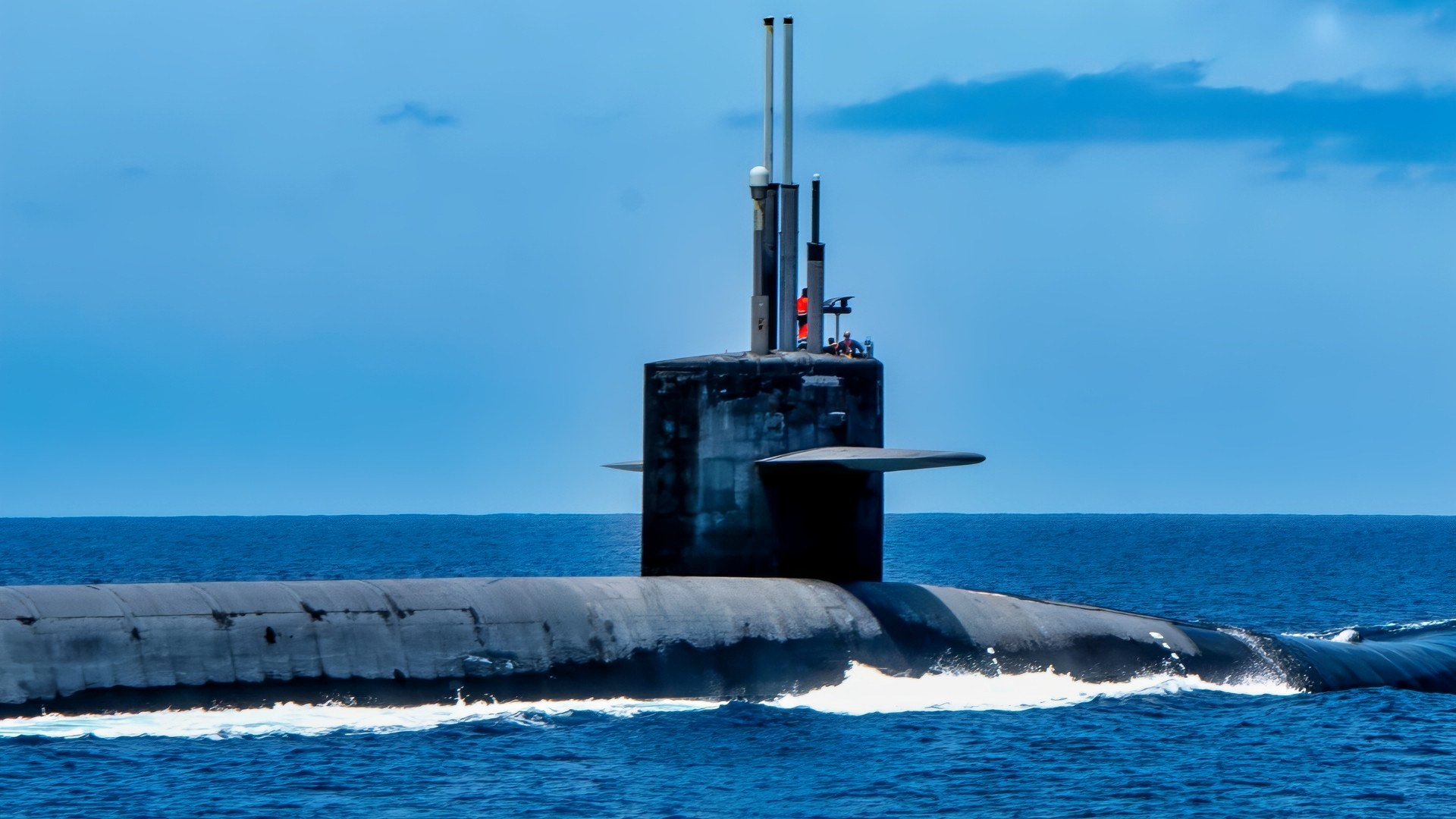
(July 29, 2025) – A U.S. Air Force A10C Thunderbolt II flies over the Ohio-class ballistic missile submarine USS Kentucky (SSBN 737) in the Pacific Ocean, July 29, 2025. The armed airborne escort exercise is designed to increase and demonstrate the Joint Force’s capability to protect strategic assets like Kentucky. Submarine Group (SUBGRU) 9, exercises administrative and operational control authority for assigned submarine commands and units in the Pacific Northwest providing oversight for shipboard training, personnel, supply and material readiness of submarines and their crews. SUBGRU-9 is also responsible for nuclear submarines undergoing conversion or overhaul at Puget Sound Naval Shipyard in Bremerton, Washington. (U.S. Navy Photo by Lt. Zachary Anderson)
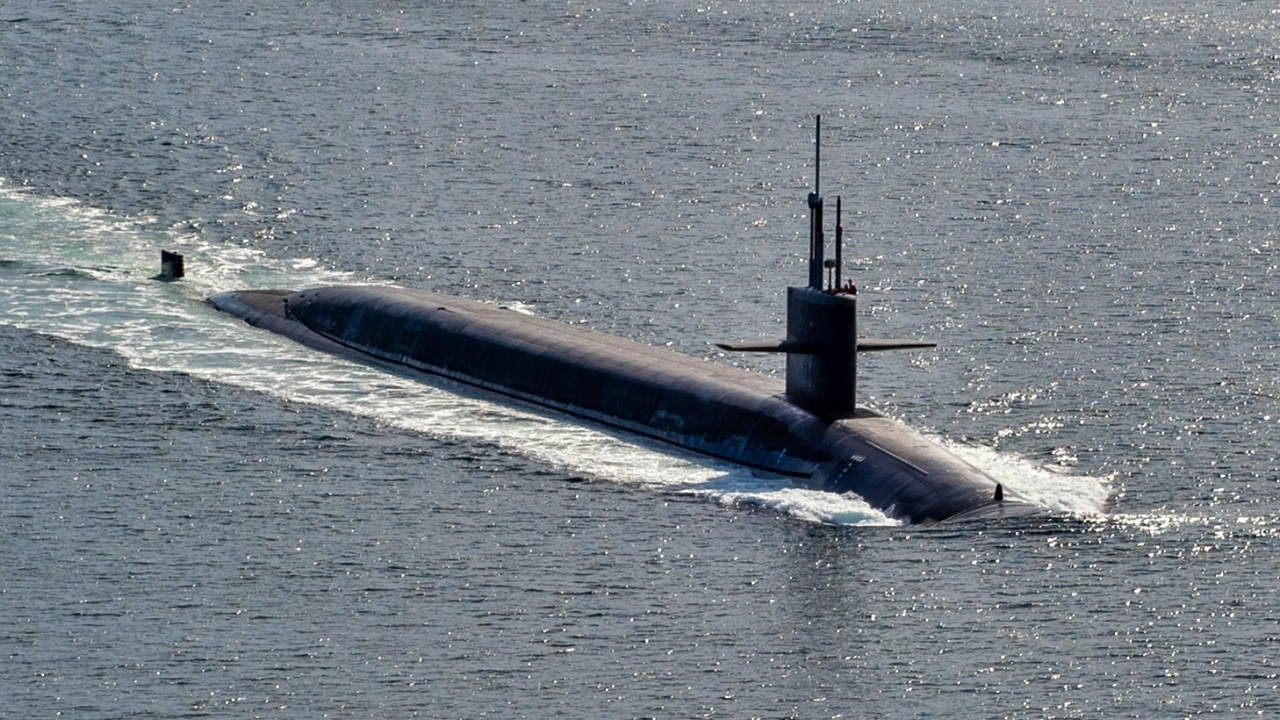
The Ohio-class ballistic-missile submarine USS Maine (SSBN 741) transits the Puget Sound during routine operations, March 18, 2025. Commander, Submarine Group (SUBGRU) 9, exercises administrative control authority for assigned submarine commands and units in the Pacific Northwest providing oversight for shipboard training, personnel, supply and material readiness of SSBNs and their crews. SUBGRU-9 is also responsible for nuclear submarines undergoing conversion or overhaul at Puget Sound Naval Shipyard in Bremerton. (U.S. Navy photo by Mass Communication Specialist 1st Class Ryan Riley)
In the Indo-Pacific, specifically, losing the SSGN means fewer stealthy options and more reliance on exposed surface forces.
Great-power competition, on the rise, favors persistence, ambiguity, and a forward presence. USS Florida’s deployment shows that the Navy still values all three. But retiring the platform anyway suggests that budget pressures are driving strategic decisions, rather than the more desirable inverse: strategy driving force structure.
The SSGN may be aging, but it is not yet entirely obsolete. The risk in retirement is offloading capabilities faster than replacements can arrive.
On the other hand, the US defense budget is pushing one trillion dollars—far and away the highest in human history.
Choices will need to be paid; concessions will need to be made.
Specific capabilities will need to be sacrificed.
About the Author: Harrison Kass
Harrison Kass is an attorney and journalist covering national security, technology, and politics. Previously, he was a political staffer and candidate, and a US Air Force pilot selectee. He holds a JD from the University of Oregon and a master’s in global journalism and international relations from NYU.


