


Summary and Key Points: The SR-71 Blackbird was built almost entirely of titanium to survive the heat of Mach 3 flight — but engineers hit a baffling problem: spot-welded parts made in summer failed early, while identical parts made in winter held up fine.
-The answer turned out to be chlorine that Burbank’s water treatment plant added in summer to stop algae blooms and removed in winter — and chlorine reacts with titanium, quietly ruining the parts until the team switched to distilled water.
-To provide more context on the SR-71 Blackbird, we have traveled all across the country to see this amazing spy plane. We provide the original video and photos of those SR-71 visits here.
Some Secrets Behind the SR-71 You May Not Be Aware Of
You love the SR-71 Blackbird. The MACH 3 speed, the success against enemy air defenses, and the ultra-high altitude created an airplane that has no equal. One aspect of the high-flying, ultra-speedy spy plane is the alloy it was made of. The SR-71 was constructed almost entirely of titanium and other space-age materials used today. This was considered a new departure in aviation during its heyday.
The Aviation Geek Club’s Linda Sheffield Martin has become an expert on all things having to do with the venerable spy bird. Martin recently reviewed an article by Lockheed Martin that clarified how the SR-71 was constructed.
Why Use Titanium?
Its MACH 3 velocity and 85,000-foot altitude during missions lasting over one hour generated immense heat, and titanium and other new alloys were used on nearly all components.
Problems Soon Cropped Up
However, there was a problem with the SR-71’s titanium that Martin discovered in her research. The titanium was corroding, according to Lockheed, and the problem was due to chlorine in the water.
This led to some titanium being discarded, as it was not suited to the high speed and altitude of the SR-71. Engineers and technicians were perplexed. They were not sure how the corrosion problem would crimp the performance. Fortunately, they kept good records, did their analysis, and surmised that the chlorine level in the water supply was making the titanium unusable.

SR-71 Blackbird National Security Journal Photo by Dr. Brent M. Eastwood.
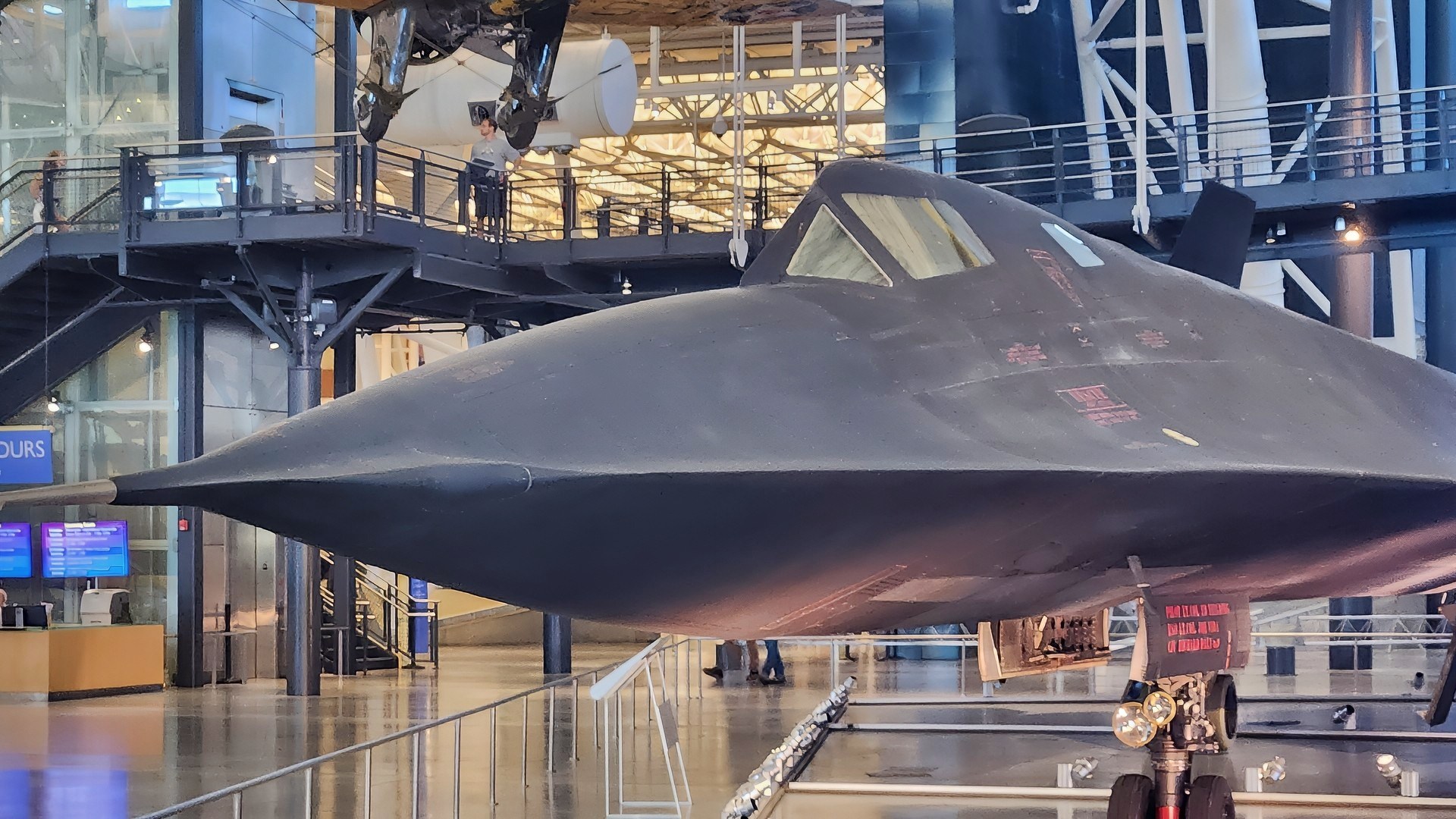
SR-71 Blackbird National Security Journal Photo Collection.
Welds Were Suffering
“They discovered that spot-welded parts made in the summer were failing very early in their life, but those welded in winter were fine. They eventually tracked the problem to the fact that the Burbank water treatment facility was adding chlorine to the water they used to clean the parts to prevent algae blooms in summer, but took it out in winter. Chlorine reacts with titanium, so they began using distilled water from this point on,” Martin wrote.
Time to Jettison Fault Tools
Another problem was the type of tools used on the SR-71 to fashion and shape components. The instruments were leaving cadmium on the bolts during assembly. This added to the corrosion problems, too.
These bolts could fail during flight, which would have been a disaster. The workers were forced to discard these faulty tools.
The SR-71 Program Was Blessed in Other Ways
In some ways, the SR-71 had other good luck during the acquisition process. The program was an outgrowth of the A-12 Oxcart. U.S. defense officials were not sure that manned reconnaissance flight was the best choice for intelligence gathering and wondered whether the Americans would be better served by using satellites for information about launches of enemy nuclear weapons and Soviet and Warsaw Pact troop movements.
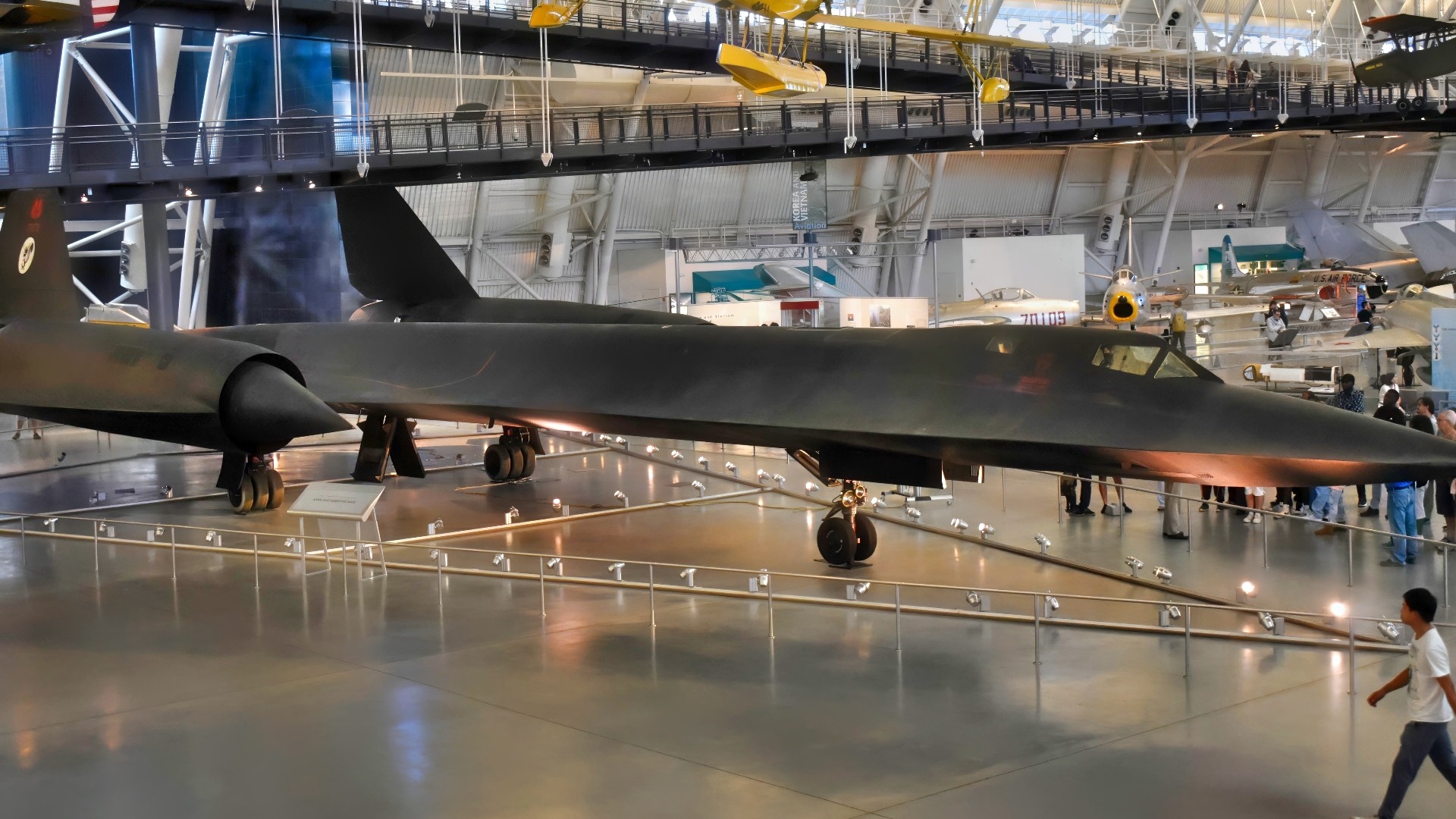
SR-71 Blackbird Smithsonian. Image Credit: National Security Journal.
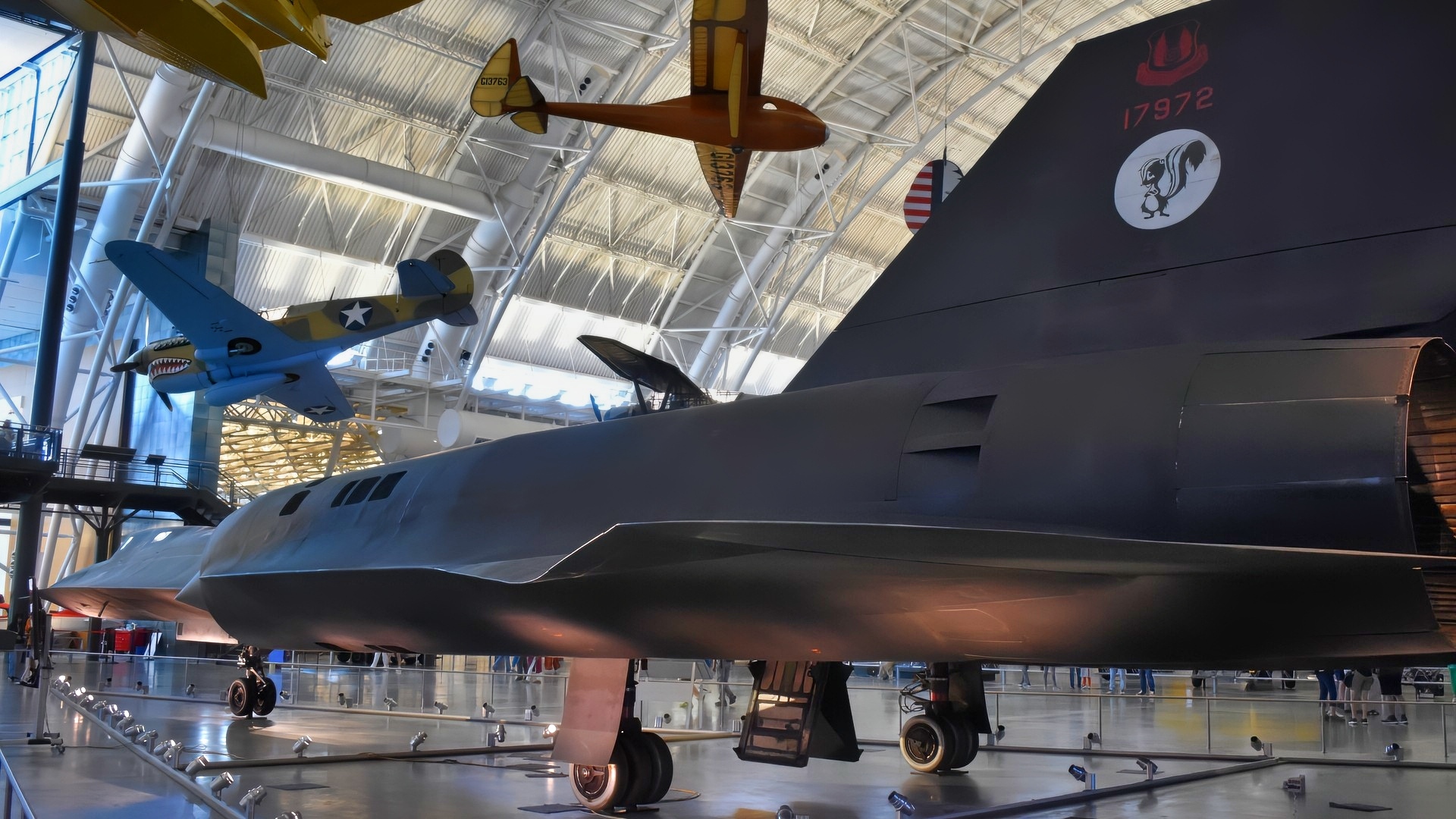
SR-71 Blackbird Full Side Shot. Image Credit: National Security Journal.

SR-71 Blackbird National Security Journal Image. Taken by Dr. Brent M. Eastwood on September 26, 2025.
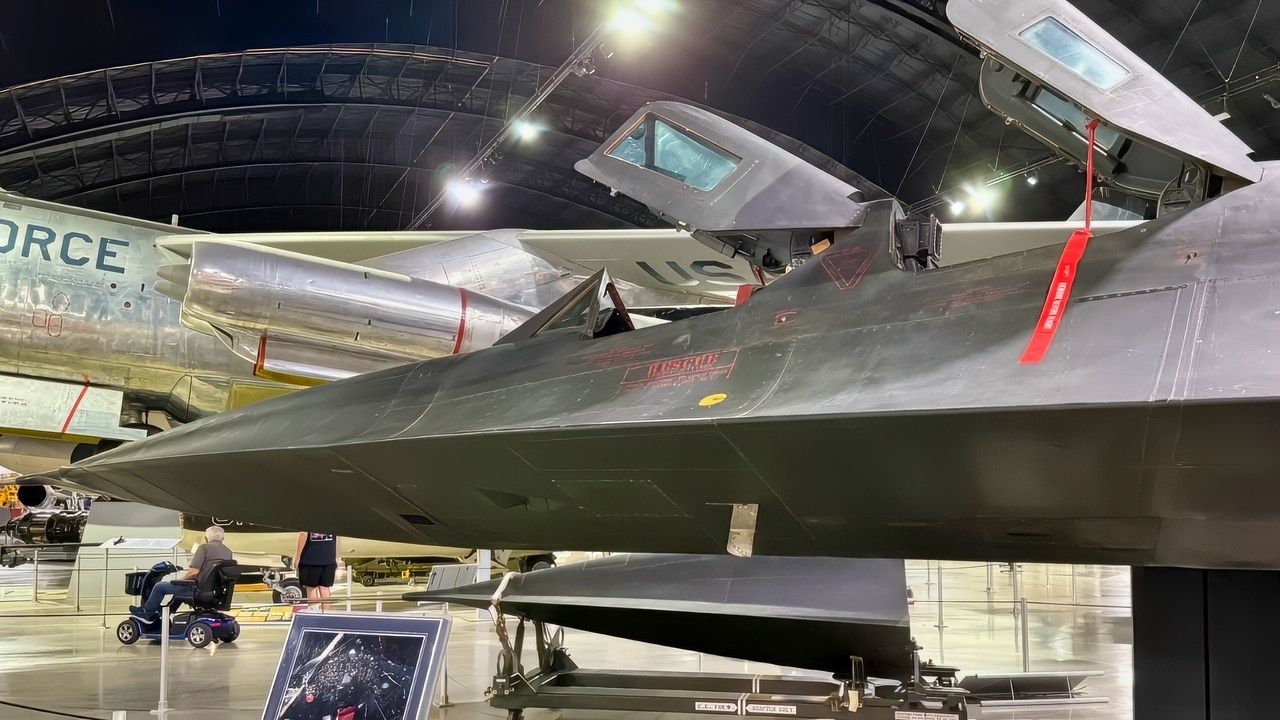
SR-71 Blackbird at USAF Museum July 2025. Image Credit: National Security Journal.
Was Manned Recon Flight Even Worth It?
One of these satellites was known as the CORONA in the early 1960s, and it had Air Force officers intrigued at the possibilities of unmanned reconnaissance. Plus, in 1960, a U-2 spy plane was shot down by the Soviets, and the pilot was captured. If the same fate had befallen the SR-71, the program would have been all for naught.
The early days also saw debate about the use of titanium – something that engineers and designers had little experience with, as noted above. Overheating at MACH 3 was a problem, and it took considerable ingenuity to fashion an airplane from this material.
“Everything had to be invented. Everything,” Lockheed Skunk Works legendary aircraft designer Kelly Johnson explained, as Martin noted in a previous article.
This Project Was Not Going to Be Easy or Cheap
It wasn’t clear whether the SR-71 would meet its milestones and remain under budget, given the need for a high level of engineering prowess.
Flight tests revealed that the airframe was expanding in flight due to extreme thermal stress. Its engines and inlet control were also problematic. Early testing showed that airflow disruptions, known as “unstarts,” could cause problems flying the airplane, requiring unique advances in automated control systems to stabilize performance.
Some Issues Were Especially Troubling
The SR-71 also suffered crashes during its time in service, with many models destroyed from its initial testing in the mid-1960s through its retirement. These were often tied to engine problems, piloting issues, or the gamble of creating a predictable flight environment at MACH 3.
Every time there was an SR-71 accident or a mishap associated with titanium components, the Department of Defense wondered whether it had made the correct decision on the SR-71, given the growing quality of satellite imagery.
The Skilled American Laborers Were Not About to Give Up
Thankfully, engineers and technicians overcame these obstacles, and the SR-71 program lived on. The brain power at Skunk Works was formidable, and these workers were not about to give up. They were great problem solvers, expertly trained, and excellent at performing their jobs on a high-risk airplane that had such a successful run of MACH 3 flight at 85,000 feet.
The SR-71 – and the manned recon mission itself – is still relevant today. Lately, the United States has investigated whether ultra-high-speed reconnaissance should be repeated in the modern era. Lockheed Martin’s proposed SR-72, often described as a hypersonic progeny of the Blackbird, also known as the “Son of Blackbird,” may someday grace the skies. And that will be exciting for those who have enjoyed the history of the SR-71.
About the Author: Dr. Brent M. Eastwood
Author of now over 3,500 articles on defense issues, Brent M. Eastwood, PhD, is the author of Don’t Turn Your Back On the World: A Conservative Foreign Policy and Humans, Machines, and Data: Future Trends in Warfare, plus two other books. Brent was the founder and CEO of a tech firm that predicted world events using artificial intelligence. He served as a legislative fellow for US Senator Tim Scott and advised the senator on defense and foreign policy issues. He has taught at American University, George Washington University, and George Mason University. Brent is a former US Army Infantry officer. He can be followed on X @BMEastwood.


