
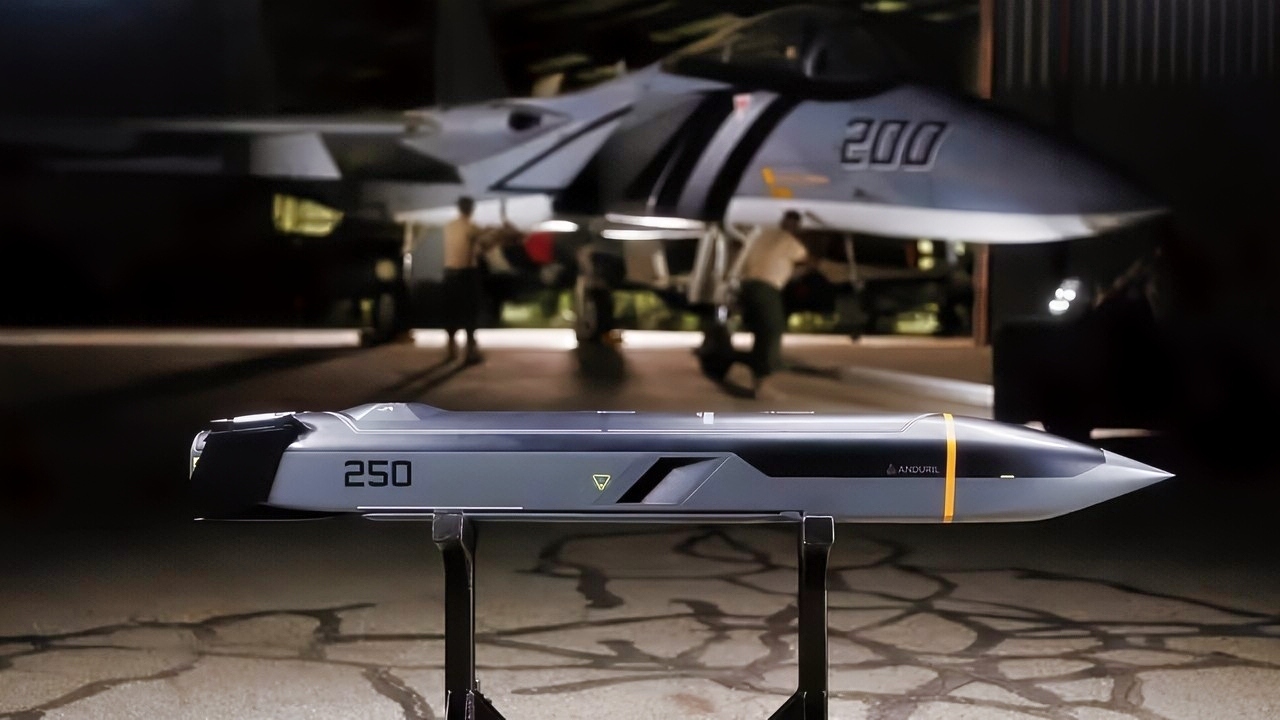
The Pentagon is dramatically expanding its missile procurement strategy as planners increasingly warn that future wars against countries like China could rapidly exhaust America’s existing stockpiles of precision weapons – a problem that was recently seen in the weeks-long operations against Iran as part of Operation Epic Fury. Under a new initiative announced this week, the Defense Department signed framework agreements with defense firms including Anduril Industries, Leidos, CoAspire, and Zone 5 Technologies to potentially procure more than 10,000 low-cost cruise missiles beginning in 2027. The agreements form part of the Pentagon’s new Low-Cost Containerized Munitions program, or LCCM, which is designed to rapidly expand America’s strike capacity by deploying cheaper, mass-produced weapons from mobile launch systems. The Pentagon announced the plans alongside an agreement with startup Castelion, which intends to scale production of its Blackbeard hypersonic strike missile.
The Big Cruise Missile Buy
The move reflects growing concern in the Pentagon about the enormous missile consumption not just seen during the Iran War but also in Ukraine.
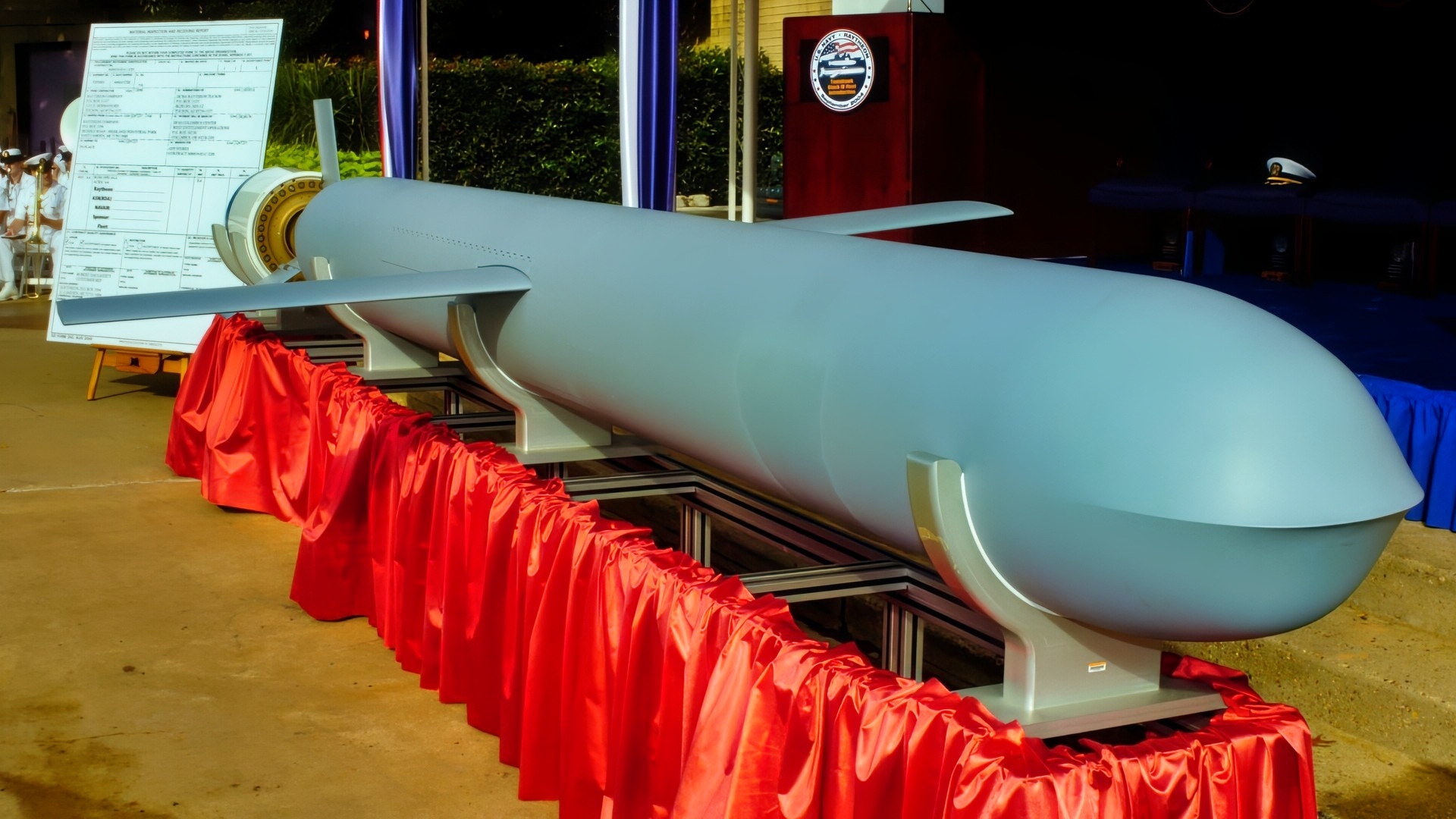
Tomahawk Block IV Missile. Image Credit: Creative Commons.

Tomahawk Launch. Image Credit: Creative Commons.
Planners and analysts are increasingly recognizing that future wars will require sustained industrial-scale missile production to maintain U.S. capability.
The Pentagon says the first test missile purchases from participating companies will begin next month, ahead of larger procurement contracts later this decade.
Pentagon Wants An Affordable Mass
The new agreements were announced on Wednesday by Under Secretary of Defense for Research and Engineering Emil Michael and Under Secretary of Defense for Acquisition and Sustainment Michael Duffey as part of the Pentagon’s effort to rapidly expand America’s missile manufacturing base.
Speaking about the Low-Cost Containerized Munitions program, Michael said it will “deliver affordable mass for our warfighters at unprecedented speed.”
“In concert with establishing a clear demand signal, these Framework Agreements commit American industry to on-time, on-cost delivery and investment in R&D and facilities. This commercial style of partnership is fully aligned with Secretary Hegseth’s Acquisition Transformation Strategy,” Michael continued.
The comments indicate that the Pentagon is encouraging firms to invest private capital into their own factories and supply chains rather than relying entirely on Pentagon funding. The agreements reportedly establish pricing structures and production expectations years before mass procurement begins, allowing manufacturers to expand production capacity in advance.
The “containerized” element of the program refers to missiles housed inside standard commercial shipping containers that can be deployed from trucks, trailers, cargo vessels, or dispersed launch sites.
The Army and Navy have both spent years experimenting with containerized launch systems because they are easier to transport, cheaper to deploy, and significantly harder for adversaries to detect and target than traditional missile batteries.

A Terminal High Altitude Area Defense (THAAD) interceptor is launched from the Pacific Spaceport Complex Alaska in Kodiak, Alaska, during Flight Experiment THAAD (FET)-01 on July 30, 2017 (EDT). During the test, the THAAD weapon system successfully intercepted an air-launched, medium-range ballistic missile (MRBM) target.
Expanding Beyond Traditional Prime Contractors
In recent decades, the number of suppliers and contractors who work with the Pentagon has dramatically decreased – and this most recent effort suggests the Pentagon is now intending to work with a large number of contractors to reduce risk.
The defense industrial base will now be expanded beyond traditional major contractors like Lockheed Martin and RTX, and will instead lean on a larger number of smaller contractors and startups.
Anduril confirmed that, as part of its responsibilities, it will provide the Barracuda-500M surface-launched cruise missile.
According to the company, Barracuda was specifically designed to be simple to manufacture and easy to scale rapidly during wartime. Anduril said it expects to produce at least 1,000 missiles over three years, beginning in 2027.
Leidos separately announced that its missile offering is derived from its AGM-190A Small Cruise Missile program, also known as Black Arrow.
The company said the redesigned missile is nearly twice the size of the original and is still in engineering and flight testing before planned production in 2027.
The Pentagon has not publicly disclosed detailed specifications for systems proposed by CoAspire or Zone 5 Technologies.
However, CoAspire has previously attracted the Pentagon’s interest with its use of additive manufacturing and 3D printing technologies intended to reduce production timelines and manufacturing costs, indicating that efforts are underway to make the production of advanced weaponry quicker and easier at scale.
The Blackbeard Hypersonic Program Expands
Alongside the new cruise missile agreements, the Pentagon announced a separate framework agreement with startup Castelion regarding its Blackbeard hypersonic strike missile.
Reports state that the agreement outlines a future procurement structure involving a minimum annual purchase of 500 hypersonic missiles over two years, once testing is completed.
The Pentagon is also reportedly seeking congressional authority and funding to eventually purchase more than 12,000 Blackbeard missiles over a five-year period.
Castelion first drew major attention in 2025 after revealing that Blackbeard had secured awards for Navy and Army hypersonic programs, although the company has not publicly identified the launch platforms for the missiles.
The efforts all point to one thing: the Pentagon knows that future wars will be won not just by advanced weapons, but by the ability to replace them at an industrial scale.
About the Author: Jack Buckby
Jack Buckby is a British researcher and analyst specializing in defense and national security, based in New York. His work focuses on military capability, procurement, and strategic competition, producing and editing analysis for policy and defense audiences. He brings extensive editorial experience, with a career output spanning over 1,000 articles at 19FortyFive and National Security Journal, and has previously authored books and papers on extremism and deradicalization.


